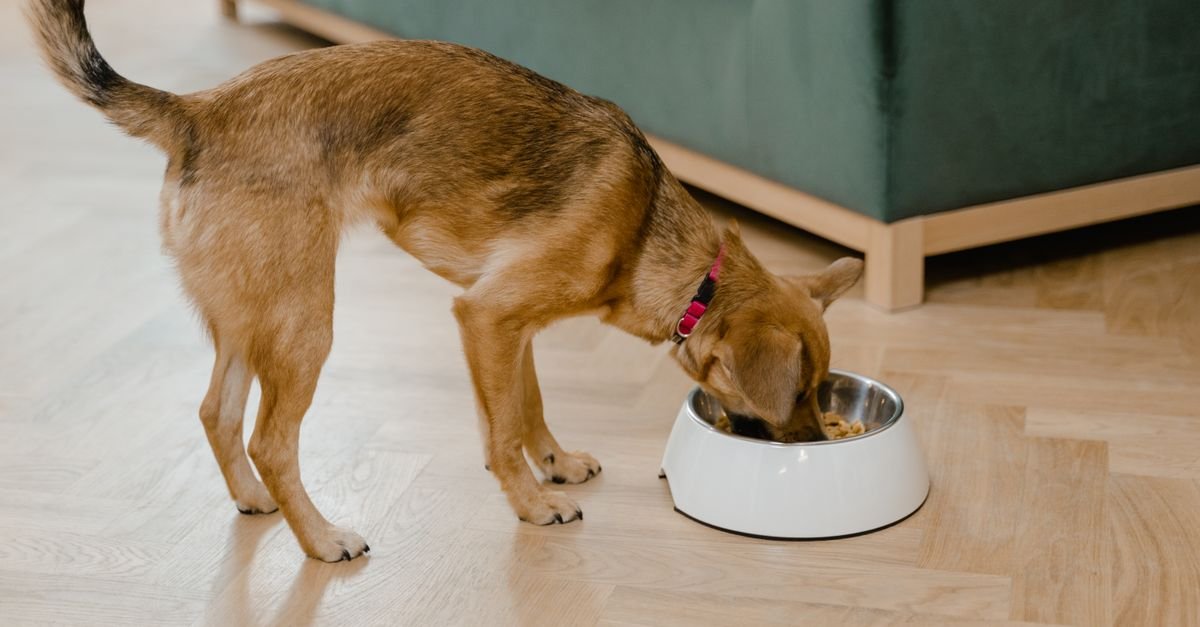
A proper pet feeding station solves four problems at once: the kicked-bowl mess (containment mat plus non-slip bowls), the stale-food smell (airtight storage), the kitchen-corner clutter (a dedicated spot with everything in reach), and the daily-scoop chaos (scoop, schedule, and supplies living where they’re used). Whether you buy a unit, convert a cabinet, or DIY one from a thrifted dresser, the design rules are identical — and they fit any home from studio to farmhouse.
Also Read



This is the complete feeding station guide: placement, the anatomy of a setup that stays clean, DIY and buy options by budget, and the hygiene schedule most pet owners skip.
Key Takeaways
- Location first: away from the litter zone and heavy foot traffic, on wipeable flooring, with water always accessible.
- The four-part anatomy: raised or non-slip bowls, a containment mat, airtight food storage, and scoop-and-supplies storage in arm’s reach.
- Airtight containers preserve kibble fat from going rancid — and keep the pantry moth-and-pest free; store the bag inside the bin.
- Pet bowls rank among the germiest items in real household studies — they belong in the dishwasher weekly, minimum.
- Elevated feeders help tall dogs and senior joints, but ask your vet for deep-chested breeds before elevating.
- A built-in or furniture station adds real function per square foot — the classic small-space upgrade that photographs like a renovation.
Location: The Ten-Second Decision That Rules Everything
The placement rules, in cat-and-dog behavioral order: far from the litter box (cats refuse meals near elimination — hard-wired, non-negotiable), out of the main traffic lane (pets eat calmer unbrushed-past; you trip less), on hard, wipeable flooring (carpet under a water bowl is a mildew subscription), and with wall or corner backing — like litter areas, many pets prefer eating without traffic behind them.
Kitchens win by default for plumbing-adjacent cleanup and food storage, but laundry rooms, entry nooks, under-stair voids, and hallway dead-ends all serve — the station makes the spot, not the room. Multi-pet homes: separate stations (or at least separated bowls) prevent resource guarding, and cats prefer eating elevated away from dogs entirely; a counter-height cat station ends the food-theft wars in one move.
Water bows to different rules: always available, refreshed daily, and ideally a second water point elsewhere in the home — cats in particular drink more when water sits away from food.
The Anatomy of a Station That Stays Clean
Bowls: The Foundation
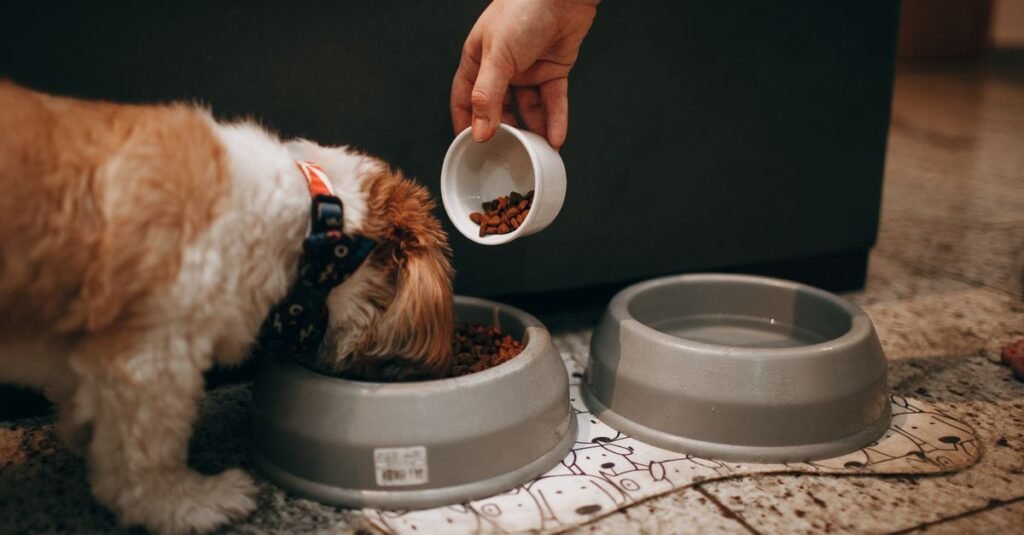
Stainless steel or ceramic beat plastic — plastic scratches, and scratches harbor the bacteria behind chin acne and biofilm smell. Non-slip bases or a rimmed mat stop the dinnertime hockey match. Size to the pet, and shallow-wide for cats (whisker comfort is real enough to respect).
Elevated feeders: genuinely helpful for tall dogs, senior joints, and messy drinkers — with one caution flag: for deep-chested, bloat-prone breeds, ask your vet first; the elevation question has real veterinary debate behind it.
The Containment Mat
A rimmed silicone mat under everything converts splash-and-scatter into a ten-second wipe. Size it generously — the mess radius always exceeds the bowl radius — and choose dishwasher-safe.
Airtight Storage: The Upgrade Nobody Regrets
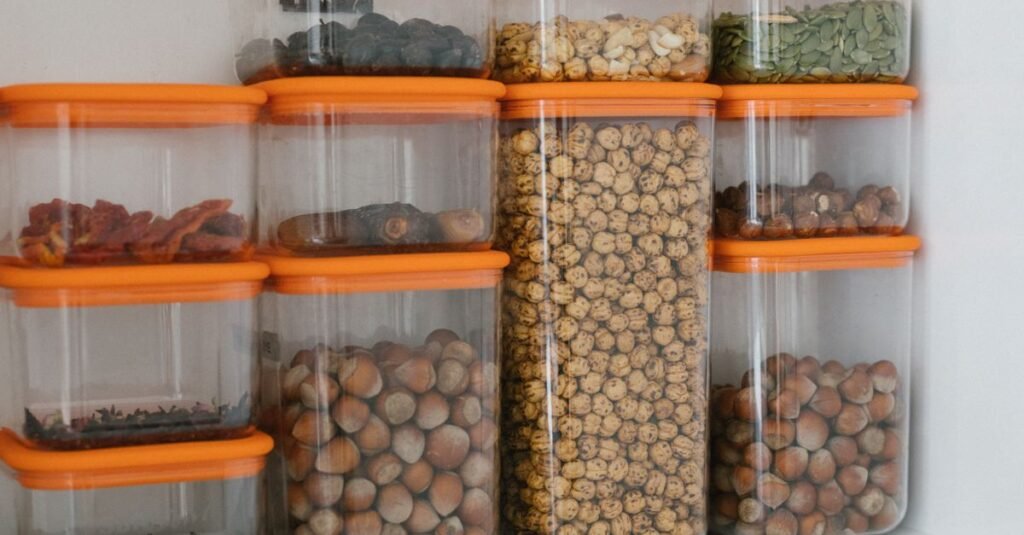
Kibble left in an open bag oxidizes — the fats go rancid (that “old food” smell is the bowl-refusal explanation half the time) and the aroma broadcasts to pantry moths and rodents. The fix: an airtight bin sized to your bag, with the BAG STORED INSIDE it — the bag’s liner protects the food’s fats, and the printed lot number matters if a recall ever hits. Wash the bin between bags; old residue contaminates new food.
A wall-mounted or in-cabinet dispenser suits small spaces; a rolling bin under the station suits big-dog households buying big bags.
The Supply Zone
Scoop clipped inside the bin lid, treats in their own sealed jar, medications in a labeled container ABOVE pet height, towel hook for the sloppy drinker, and the feeding schedule taped inside the cabinet door — the humble sheet that ends the “did anyone feed the dog?” double-dinner economy.
Build or Buy: The Options by Budget
The Zero-Build Setup
Mat, bowls, bin, done — tucked into an existing corner. The entire system works at this tier; everything past it is space efficiency and style.
The Furniture Conversion (The Sweet Spot)
The thrifted-dresser trick that owns this category: remove the bottom drawer for a bowl alcove, keep the upper drawers for storage, cut bowl holes into a slide-out board if you like the built-in look. A nightstand, TV console, or IKEA cabinet converts the same way — the video below walks a full IKEA-dupe build. Seal the interior with a wipeable finish and add a lip mat inside the alcove.
The Built-In (The Renovation Tier)
Toe-kick drawers under kitchen cabinets, a feeding alcove in the island end, or a laundry-room lower cabinet with bowl cutouts — the feature that costs little during a remodel and sells houses to pet owners later. Plumb a pot-filler-style tap by the water bowl at this tier and you will never carry a sloshing bowl again.
Whichever tier: the station should flatter the room — matching the cabinetry or the home’s broader style is what separates “pet corner” from “design feature.”
The Hygiene Schedule (The Part Everyone Skips)
Household-germ studies keep ranking pet bowls alongside kitchen sponges — and the fix costs minutes. Daily: water bowl rinsed and refilled (slime film = biofilm = wash it), food bowl rinsed after wet food. Weekly: all bowls and the mat through the dishwasher (top rack, hot cycle) or a hot soapy scrub. Monthly: storage bin wiped, station floor degreased (the fine kibble-dust film attracts everything), and the mat inspected for scratches-turned-crevices.
Between bags: bin washed and FULLY dried before the new bag enters. Rancid residue is invisible and self-renewing.
The smell dividend: a station on this schedule contributes nothing to household pet odor — the greasy floor-corner and biofilm bowls in most homes contribute plenty, as our pet odor manual maps in detail.
Feeding-Station Extras That Earn Their Space
Slow-feeder bowls for the inhale-eater (genuine digestion and choke-risk benefits), timed feeders for schedule consistency (and vacation short-trips — not replacements for care), water fountains for reluctant cat drinkers (many drink measurably more from moving water; clean the pump on schedule or it becomes the biofilm capital), and a microchip feeder in multi-pet homes where one pet needs a prescription diet and another needs to stop stealing it.
The skip list: gravity water towers that go weeks uncleaned (algae farms), decorative bowls that can’t survive a dishwasher, and any gadget whose cleaning you already know you’ll defer. In feeding gear, washability IS the feature. The broader gear philosophy lives in our clean-home pet products roundup and the pet-friendly home pillar.

Portions, Schedules, and the Station’s Quiet Health Role
A feeding station is also where weight management happens — and pet obesity now touches half of dogs and cats, so the station deserves its measuring tools: the food’s actual measuring cup (not the mug that migrated there), or better, a cheap kitchen scale — kibble calories vary wildly by brand, and “one cup” eyeballed runs 20% heavy in most households.
Scheduled meals beat free-feeding for most pets: portion control, appetite as a health signal (the first skipped meal is data), and easier multi-pet management. The schedule card inside the cabinet door carries portions, times, and the checkbox that ends double-dinner diplomacy.
Treats belong in the ledger too — the sealed treat jar at the station makes the daily total visible instead of distributed across every pocket in the house. Vets suggest treats stay under a tenth of daily calories; the jar is how that estimate becomes checkable.
And the station’s early-warning function: drinking suddenly much more or less, meals refused two days running, or food dropped mid-chew are all vet-visit signals — noticed fastest at a tidy station where the bowls tell a daily story.
Frequently Asked Questions
Where should I put my pet’s feeding station?
On wipeable flooring, out of the main traffic path, far from the litter area, ideally with a wall at the pet’s back — kitchens, laundry rooms, and hallway nooks all work. Keep water always available, with a second water point elsewhere for cats.
Are elevated dog bowls better?
For tall dogs, seniors with joint stiffness, and neat-drinking purposes, often yes. For deep-chested, bloat-prone breeds, ask your vet first — elevation is debated for them. Cats generally like a slight rise and shallow, wide bowls.
How do I keep dog food fresh after opening?
Store the original bag INSIDE an airtight bin — the bag liner protects the fats from oxidizing and keeps the recall lot number. Wash and dry the bin between bags; rancid residue contaminates fresh kibble.
How often should pet bowls be washed?
Water bowls rinsed daily and washed with the food bowls weekly at minimum — dishwasher hot cycle or hot soapy scrub. Pet bowls rank among the germiest household items in swab studies; biofilm slime is the tell.
How can I stop my pet making a mess while eating?
A rimmed silicone mat sized generously, non-slip bowls, and a slow-feeder for the enthusiastic inhaler solve most of it. For dedicated splashers, a bowl alcove inside a converted cabinet contains the blast radius entirely.
What is the easiest DIY feeding station?
The bottom-drawer conversion: remove a dresser or console’s lowest drawer, set the mat and bowls in the alcove, and use the remaining drawers for food and supplies. An afternoon, a thrifted piece, and the result photographs like custom cabinetry.
Feeding Stations for the Tricky Cases
The senior pet: raise the bowls (vet-checked for breed), add a cushioned mat for arthritic elbows at long meals, and brighter local light — aging eyes appreciate seeing dinner. Medication routines live at the station in a weekly pill organizer ABOVE pet height, checked off on the schedule card.
The kitten-and-puppy era: stations start portable (confinement-area feeding during training), bowls shallow, and the storage bin’s seal doubly matters — a determined puppy versus an unsealed food bag is a one-round fight.
The gulper: slow-feeder bowls or a snuffle mat stretch the thirty-second dinner into five digestive minutes; for extreme cases, portion the meal across two stations and let the walk between count as pacing.
The grazer cat versus the vacuum dog: microchip feeders end the theft economy, or elevate the cat’s station to counter or cat-tree height — vertical separation is free and absolute.
The multi-species kitchen: stagger meal times OR separate rooms during the training weeks; most households settle into peaceful parallel dining once every animal trusts its bowl’s security — which is, at bottom, what the whole station project buys: mealtime as routine instead of event.
The Water Chapter (Half the Station, Twice Ignored)
Hydration gets a fraction of the food aisle’s attention and matters more medically — especially for cats, whose desert ancestry built weak thirst drives and whose urinary health runs on water throughput. The upgrade ladder: bowls refreshed daily (baseline), a second water point in another room (cats drink measurably more away from food — instinct reads food-adjacent water as contaminated), and a fountain for the reluctant drinker (moving water triggers drinking; clean the pump biweekly or retire the idea).
Bowl material rules apply doubly to water: the slime film that develops is biofilm, and plastic’s scratches farm it — stainless or ceramic, dishwashed weekly.
The monitoring dividend: a consistent station makes intake visible — a dog suddenly draining bowls or a cat never seen drinking are both early vet-visit data, and both hide completely in households where water bowls live in three casual locations nobody tracks.
Summer protocol: bowl count up, water shaded, and ice cubes as enrichment — most pets treat them as toys that happen to hydrate. Winter: away from door drafts, and never let outdoor bowls stand as the primary source. Water is the station’s quiet half; run it with the same system and the whole setup earns its corner twice over.
The Sunday Reset (Ninety Seconds That Holds It All)
The station’s entire maintenance fits one Sunday habit: bowls and mat into the dishwasher, bin lid wiped, schedule card checked against reality, water fountain pump glanced at, treat jar audited. Ninety seconds while the coffee brews — and the corner that feeds your best friend twice a day runs another week without a single thought. Systems that small are the ones that survive.
The Bottom Line
A feeding station is four humble decisions — right spot, contained bowls, sealed storage, supplies in reach — held together by a wash schedule the dishwasher does for you.
Build it once, at any budget, and dinnertime stops being a mess you manage and becomes a corner of the home that quietly works — twice a day, every day, for the whole happy length of a pet’s life.

I'm Nasir Uddin Khan, founder of HomeNeeds24 and a senior IT consultant with 18+ years' experience in Oracle database administration, enterprise infrastructure and ERP system design. I write the buying guides here and I build every calculator on the site myself, from published engineering standards rather than opinion. My research is structured rather than lab-based: manufacturer specifications, safety and efficiency standards, and the trade-offs that repeat across large volumes of verified customer reviews. Where I have direct hands-on experience — smart home, networking, energy and anything computer-adjacent — I say so in the guide.