
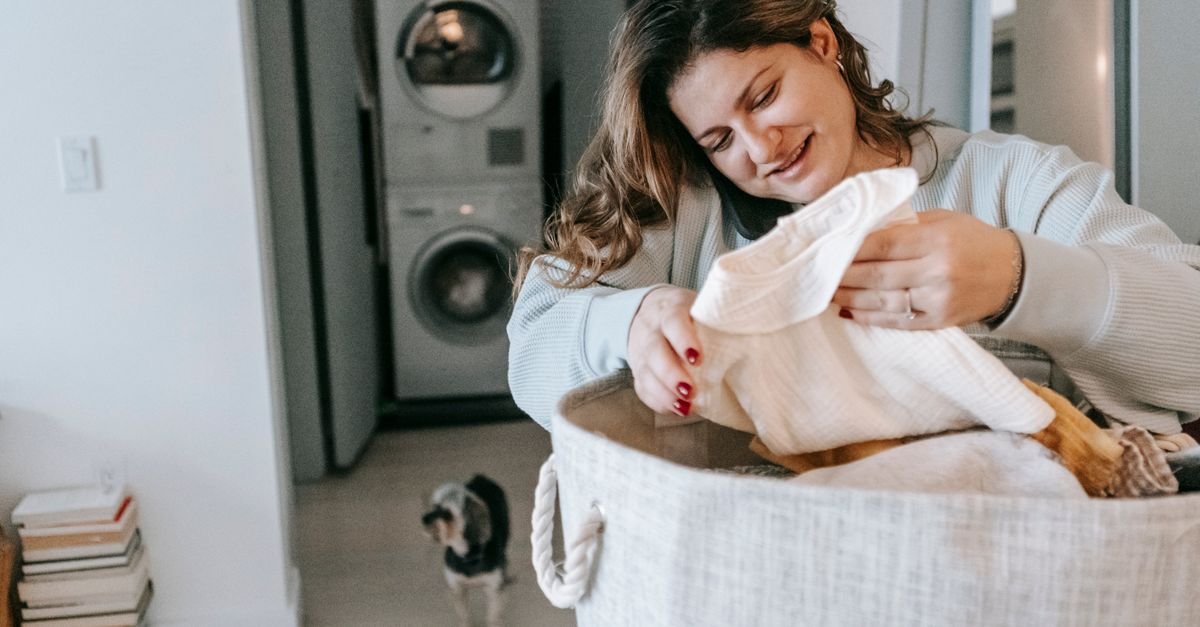
Pet odor has exactly two sources — the pet’s own oils accumulating in fabrics, and accident spots that were cleaned on the surface but never treated at the source — and neither surrenders to air freshener. The fix is a hunt-treat-prevent system: find every odor reservoir, break the smell down with the right chemistry (enzymes for accidents, wash cycles for fabrics), and put maintenance rhythms in place so the nose-blind creep never returns.
Also Read

This is the complete de-scenting manual: the reservoir map, the chemistry that actually works, the room-by-room protocol, and the honest line between cleaning problems and vet problems.
Key Takeaways
- Air fresheners mask; they never remove. Odor molecules live in fabrics, padding, and finishes until physically or chemically broken down.
- Enzymatic cleaners are the only real answer to urine spots — they digest the odor compounds ordinary cleaners leave behind.
- Never use ammonia-based cleaners on accident spots — urine contains ammonia, and the scent invites repeat marking.
- The nose goes blind to gradual buildup: the wash-everything reset, done quarterly, catches what you stopped smelling.
- Baking soda, ventilation, and sunlight remain the free heavyweights of odor removal.
- A sudden change in your pet’s own smell — breath, ears, coat — is a vet appointment, not a cleaning project.
The Reservoir Map (Where the Smell Actually Lives)
Walk the house like a detective, because odor concentrates in predictable reservoirs: the pet’s bed and blankets (reservoir number one, always), soft furniture they sleep on, carpet and rugs (especially the padding UNDER old accident spots), the litter zone, food and water stations (biofilm in bowls, grease film on surrounding floor), the car seats they ride on, and — the forgotten one — the walls and baseboards at pet height, where oils transfer with every lean and rub.
The nose-blindness problem makes the map essential: living with a gradual buildup deletes it from your perception. The honest test is returning home after a weekend away and breathing in the first ten seconds — or asking a friend to be brutally honest. Whatever you smell in that window is what every guest smells always.
The Chemistry That Works (And the Chemistry That Backfires)
Enzymatic Cleaners: The Accident Answer
Urine odor survives ordinary cleaning because its uric acid crystals bond into fibers and reactivate with every humid day. Enzymatic cleaners contain bacteria-produced enzymes that digest those compounds — actually ending the smell rather than covering it.
The technique matters as much as the bottle: saturate the spot generously (the urine soaked THROUGH; the cleaner must too), let it sit wet for the full label time — often hours — then blot and air-dry. One proper deep treatment beats five hasty spritzes.
The Free Heavyweights
Baking soda absorbs odors genuinely: a generous sprinkle on carpets and mattresses, left overnight, vacuumed thoroughly. White vinegar (50/50 with water) neutralizes many surface odors and cuts the oil film on hard surfaces — its own scent flashes off within hours. Sunlight and fresh air remain the ancient artillery: UV breaks down odor compounds, which is why beds, cushions, and blankets deserve outdoor sunning days.
What Backfires
Ammonia cleaners on accident spots (smells like urine to your pet — a “mark here again” sign), steam-cleaning urine spots FIRST (heat sets the proteins; enzyme first, steam after), heavy perfumed sprays (mask-plus-buildup equals that unmistakable “floral kennel” hybrid), and anything applied to a spot you never actually located — which is where a cheap UV flashlight earns its keep, making old urine spots glow in a darkened room.
The master-cleaner video above reveals the professional urine-odor protocol — identification through chemistry — and pairs perfectly with this plan.

The Room-by-Room Protocol
The Fabric Front (Where Most Odor Lives)
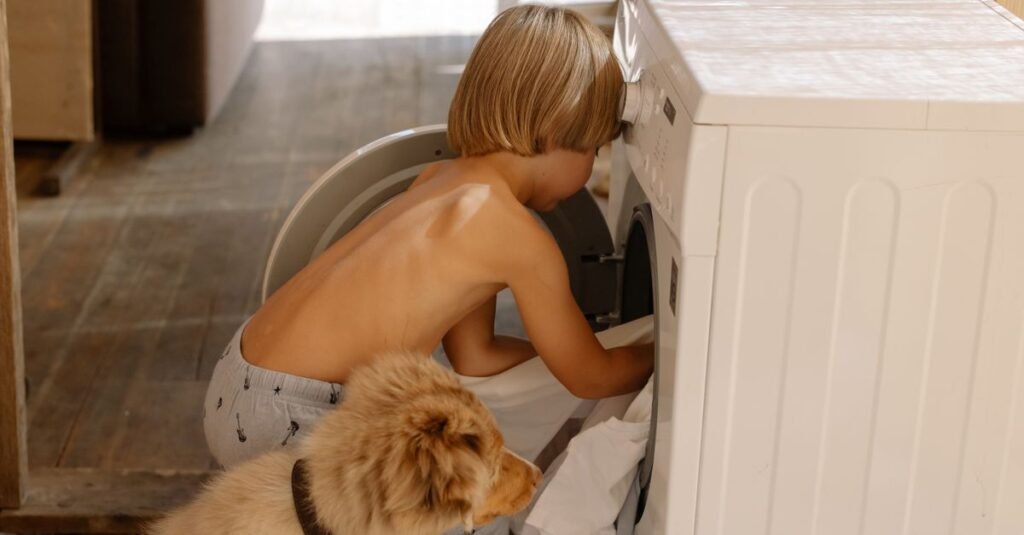
Pet beds and blankets: weekly wash in the machine’s pet-safe hot setting with an extra rinse; unstuffed foam cores get a baking-soda treatment and sun day. Your own bedding, if pets share it: same weekly schedule, per our stain and laundry guide. Sofa cushions with removable covers: monthly wash; without: baking soda overnight, vacuum, then an enzyme mist on the fabric the pet contacts.
Carpets and Rugs
Maintenance: baking-soda-then-vacuum monthly in pet zones. Accident history: UV-flashlight audit, enzyme-soak each glowing spot properly, THEN a rented extractor or steam machine for the whole room once the enzymes have finished their work. Rugs that fit in a machine go in one; rugs that don’t enjoy a hose, mild soap, and a driveway sun-dry.
Hard Floors, Walls, and the Height Line
Vinegar-solution mop for the floors (skip vinegar on natural stone — use a pH-neutral cleaner there), and a wipe-down of baseboards, door frames, and wall sections at pet height where the oil film quietly yellows. Twice a year is plenty; the first time is a revelation.
The Litter Zone and Feeding Station
Litter: scoop daily, full change plus box-scrub on the litter’s schedule, and one box per cat plus one — under-provisioned boxes are the top source of both odor and protest accidents (our litter area guide covers the full setup). Feeding: bowls in the dishwasher weekly (biofilm is a smell factory), mat and surrounding floor degreased with the vinegar solution.
The Car
Same rules, smaller room: washable seat cover (interception), enzyme treatment for accident history, baking soda on upholstery overnight before a shop-vac session, and cracked windows during parking where climate permits — heat cooks odors deeper into foam.
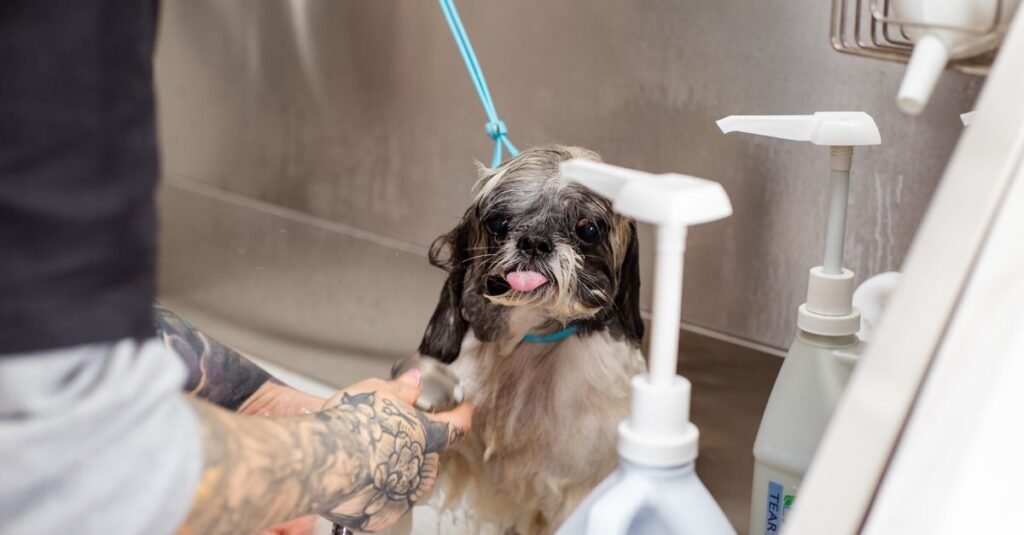
The Prevention Rhythm (So You Never Deep-Clean Again)
Weekly: pet bedding wash, bowl dishwasher run, litter maintenance, quick vinegar mop of pet-traffic floors.
Monthly: baking-soda pass on pet-zone carpets, sofa-cover wash, air filter check (a clogged HVAC filter recirculates the smell you just cleaned).
Quarterly: the wash-everything reset — every throw, cover, curtain-hem, and cushion the pet touches, plus the baseboard wipe and a UV audit for new secrets.
Continuous: ventilation (ten minutes of cross-breeze daily moves more odor than any plug-in), grooming (a bathed, brushed pet deposits less oil — the source-reduction rule from our pet hair system applies equally to smell), and an air purifier with a carbon layer in the pet’s main room for the airborne fraction.
The Special Case: A House You’ve Just Moved Into
Inherited pet odor from previous owners concentrates in carpet padding, subfloor, and HVAC. The escalation ladder: enzyme-treat and extract the carpets; if odor persists, the padding underneath is saturated — replacement is the honest fix, with a subfloor sealing primer for the stubborn footprint; duct cleaning for the HVAC memory; and repainting pet-height walls with a stain-blocking primer where the oil film has soaked in. It sounds drastic — it is also the difference between owning the house and inheriting the kennel.
The 30-Minute Guest-Emergency Pass
Company in half an hour and the nose-blindness doubt setting in? The triage order that moves the most smell per minute: ten minutes of full cross-ventilation (every window, one box fan — air exchange beats every spray), pet bedding straight into the washer and the throw blankets with it (the two biggest reservoirs, gone), a fast vinegar-mop of the pet-traffic floor, the litter scooped and topped with fresh litter, and a simmer pot (water, citrus peel, cinnamon) on the stove — the one “masking” move that earns its place, because it perfumes the air without coating the fabrics.
What NOT to do in the window: heavy spray products (they mix with the baseline into that unmistakable kennel-bouquet) and candles in rooms guests will sit in with allergies. The pass buys the evening; the system in the rest of this article buys every evening after.
When the Smell Is the Pet (The Vet Line)
A healthy, groomed pet should smell mild. Sudden or strong changes are medical messengers: sweet or foul breath (dental disease — the most common), yeasty ears, skin odor with scratching (infections, allergies), or a fishy note (anal gland issues in dogs). Cleaning the house around a medical smell wastes weeks a vet visit solves — and most of these conditions bother the pet more than your nose. When the source is the animal, the appointment IS the odor treatment.
Frequently Asked Questions
How do I get rid of pet smell in my house permanently?
Find the reservoirs (bedding, fabrics, old accident spots via UV flashlight), treat with the right chemistry — enzymes for urine, hot-wash cycles for fabrics, baking soda for carpets — then hold a weekly/monthly maintenance rhythm. Masking sprays never end it; source treatment does.
What is the best cleaner for pet urine odor?
An enzymatic cleaner, applied generously enough to reach everywhere the urine did and left wet for the full label time. Ordinary cleaners leave uric acid crystals that reactivate in humidity; enzymes digest them permanently.
Does baking soda really remove pet odors?
Genuinely, for surface odors in carpets and fabrics: sprinkle generously, leave overnight, vacuum slowly. It absorbs rather than masks — but deep urine spots still need enzyme treatment first.
Why does the pet smell come back on humid days?
Humidity reactivates uric acid crystals from old, surface-cleaned accident spots. That return is your map: UV-audit the area, enzyme-soak the glowing spots properly, and the humid-day ghost retires.
How often should I wash pet bedding?
Weekly in hot water with an extra rinse — it is reservoir number one for both odor and hair. Quarterly, run the full wash-everything reset on every fabric the pet touches, because your nose stops reporting gradual buildup.
My house is clean but my pet itself smells — what now?
Sudden or strong pet odor is medical until proven otherwise: dental disease, ear or skin infections, and gland issues are the usual sources. Book the vet before deep-cleaning anything — treating the pet treats the house.
Odor-Proofing the Next Home Decision (Materials That Fight for You)
Every flooring and fabric decision is quietly an odor decision, and pet homes that choose well spend half the maintenance. Flooring: tile, luxury vinyl, and sealed hardwood release odors with a mop pass; carpet holds them in padding forever — pet households that love softness underfoot do better with large WASHABLE rugs over hard floors than wall-to-wall anything.
Upholstery: performance fabrics (built for stain-and-odor release), leather (wipeable, nearly odor-proof, unbothered by the vinegar cloth), and tight microfibers lead; velvet, bouclé, and loose weaves absorb and hold. Slipcovered sofas are the pet-home cheat code — the entire cover launders.
Paint: scrubbable finishes (eggshell and up) at pet height survive the twice-yearly wall wipe; flat matte holds the oil film.
Curtains and soft decor: machine-washable or nothing in the pet’s main rooms — dry-clean-only drapery in a dog household is a subscription you didn’t mean to buy.
None of this requires redecorating today — it is the checklist for every FUTURE purchase, which is how pet homes gradually become easy instead of gradually becoming kennels.
The Odor Emergency Ladder (When One Spot Defeats You)
Some spots survive the full protocol, and the escalation ladder saves both the floor and the sanity. Rung one: repeat the enzyme treatment — big accidents outsize single applications, and the second soak succeeds surprisingly often. Rung two: the injection method for padding-depth urine (enzyme solution applied until it penetrates as deep as the accident did — the surface-only treatment is the classic failure).
Rung three: rent the extractor AFTER enzymes finish — extraction pulls the digested residue enzymes leave behind. Rung four: lift the carpet corner and inspect — saturated padding gets cut and replaced in squares (cheap, invisible under carpet), and stained subfloor gets a stain-blocking sealer coat.
Rung five, the honest one: for a room with years of history, professional remediation or flooring replacement beats another season of products — and the hard-floor-plus-washable-rug rebuild ends the genre permanently.
The ladder’s rule: never skip rungs upward (cheap first), and never repeat a failed rung twice — a treatment that changed nothing the second time is telling you the odor lives deeper than the treatment reaches.
The Nose-Blind Insurance Policy
One standing appointment protects everything this article built: each season, on the day you deep-clean, step outside for ten full minutes, then walk back in through the front door like a guest and inventory the first breath. That first-ten-seconds report is the only honest odor data your own nose will ever give you — calendar it, act on it, and the house stays on the right side of the line permanently.
The Bottom Line
Pet odor is chemistry with an address: find every reservoir, digest the accidents with enzymes, wash the fabrics on rhythm, ventilate daily, and let the quarterly reset catch what your nose stopped telling you.
A home with pets can smell like a home — the system above is exactly the distance between the two, and none of it requires loving them one degree less.

I'm Nasir Uddin Khan, founder of HomeNeeds24 and a senior IT consultant with 18+ years' experience in Oracle database administration, enterprise infrastructure and ERP system design. I write the buying guides here and I build every calculator on the site myself, from published engineering standards rather than opinion. My research is structured rather than lab-based: manufacturer specifications, safety and efficiency standards, and the trade-offs that repeat across large volumes of verified customer reviews. Where I have direct hands-on experience — smart home, networking, energy and anything computer-adjacent — I say so in the guide.