
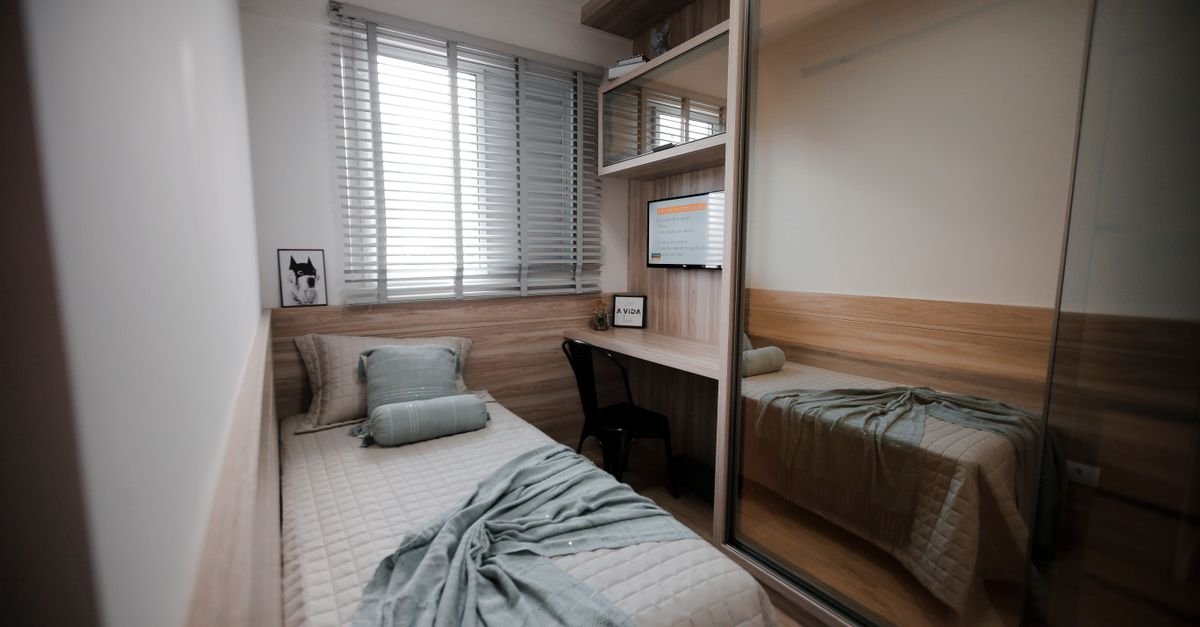
Dorm room setup is a small-space masterclass with a deadline: a twin-XL sleep zone that doubles as a couch, a desk that actually gets used, vertical and under-bed storage doing the closet’s job, and everything installed damage-free because the deposit is real. Pack by checklist, set up in zones on day one, and skip the decorative haul until you’ve lived in the room a week — the freshman-year regret list is written almost entirely at the pre-move shopping trip.
Also Read



With move-in season here, this is the complete dorm guide: the essentials checklist by tier, the zone setup that makes 90 square feet work, the damage-free hanging toolkit, roommate diplomacy, and the honest skip-list that saves a suitcase and a hundred dollars.
Key Takeaways
- Twin-XL is the law of the land: sheets, mattress topper, and comforter in the long size — the #1 packing error every single year.
- The under-bed is the closet annex: risers plus flat bins swallow off-season clothes, backstock, and luggage.
- Damage-free everything: adhesive hooks, removable strips, and tension rods — the deposit-safe toolkit that does what nails would.
- The first-week rule: pack the essentials tiers, delay the decor haul — the room teaches you what it needs after seven nights.
- Shared-bathroom nonnegotiables: shower caddy, shower shoes, and a robe — day one, no exceptions.
- One power strip with surge protection and a long cord beats every gadget on the list — outlets are never where beds are.
The Checklist, By Tier (Pack This, Skip That)
TIER ONE — the first-night kit: twin-XL sheets (two sets — laundry reality), mattress topper (dorm mattresses are a rite of passage; the topper is the single highest-comfort dollar in the move), pillow(s), comforter, towels, the shared-bathroom trio (caddy, shower shoes, robe), medications and documents folder, laptop and chargers, and the surge-protected power strip with a 10-foot cord.
TIER TWO — the first-week kit: desk lamp (dorm overheads are interrogation-grade), hangers, laundry hamper with handles (the walk to the machines is real), detergent pods, basic tool-and-tape kit, first-aid basics, and the under-bed bins that receive everything the tiny closet rejects.
TIER THREE — the comfort layer, bought AFTER week one: extra seating (if the room proves to host), the mini organizational upgrades the room reveals, decor per the damage-free section, and the fan or clip light the building’s quirks demand. The freshman error is buying tier three before tier one has met the actual room — and the return lines outside every campus store in September prove it annually.
Architectural Digest’s three-designers-one-dorm experiment above is the masterclass: three professional answers to the same 90 square feet, every trick transferable.
The Zone Setup (90 Square Feet, Four Rooms)
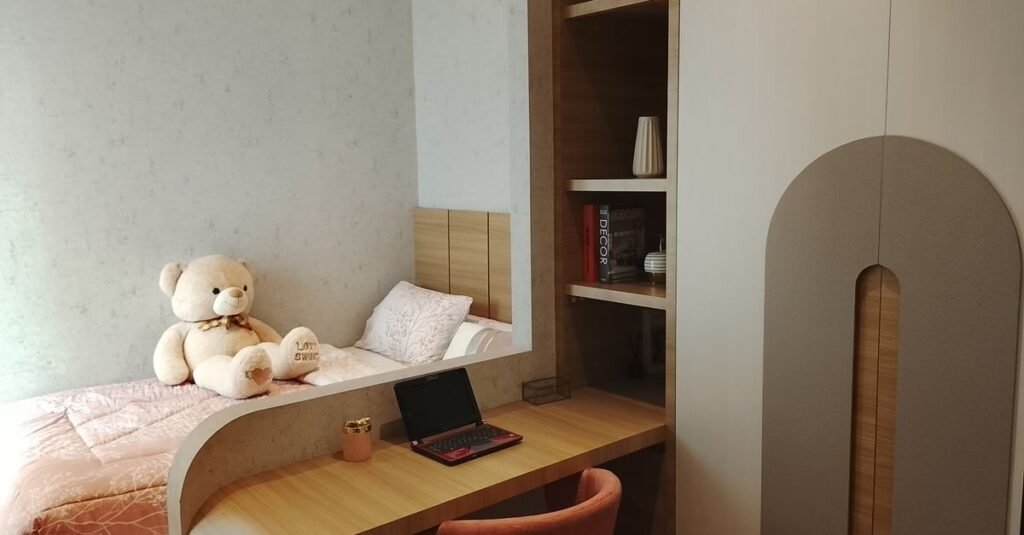
The dorm is a studio apartment in miniature, and zoning makes it livable: the SLEEP zone (bed lofted or raised on risers — altitude is storage; the topper-and-real-bedding stack making it the one genuinely comfortable place), the STUDY zone (desk facing away from the bed if physics allow — the homework-station rules apply doubly where the library is a walk away: supplies in one caddy, phone dock out of reach, headphones as the roommate treaty), the STORAGE district (under-bed bins, over-door hooks, closet doubled with a second tension rod — every space-saving trick was invented for this room), and the LIVING corner (a rug that defines it, the one extra seat, the string lights that make institutional walls read like home).
The desk deserves its own note: the dorm desk is fixed-height and non-negotiable, so the chair does the ergonomic adjusting, the clamp lamp does the lighting (the desk-fit rules don’t expire at eighteen), and the wall above becomes the command center — calendar, schedule, and the photo wall, all on removable strips.

The Damage-Free Toolkit (Deposit Diplomacy)
Dorm walls forbid nails and remember everything, so the kit is adhesive: removable strips rated honestly (the falling-mirror-at-2-a.m. genre traces to using picture strips for mirror weight — buy the heavy tier), adhesive hooks for towels, bags, and lights, poster tape for paper goods, and tension rods for closet doubling and curtain moments. Peel-and-stick wallpaper and LED strips transform the headboard wall — check the specific residence rules first; some buildings ban even those.
The removal note for May: strips come off clean when pulled DOWN along the wall, not out — the thirty-second technique that decides whether August’s decorating costs June’s deposit.
Roommate Logistics (The Half-Room Rules)
The shared-room treaties, negotiated week one: the appliance census (one fridge, one microwave where allowed — duplicates eat the room), the guest-and-quiet-hours conversation had BEFORE the first conflict, the cleaning split (whose week, which chores — the per-person assignment principle scaled to two), and the borrowing constitution, which is three words: ask every time.
The space split follows the architecture: mirror-image layouts keep the peace; the shared middle stays neutral territory; and the visual divider (bookshelf, curtain) is a legitimate diplomatic instrument in rooms where schedules clash. Most roommate wars are infrastructure wars — solve them with furniture, not personality analysis.

The Skip List (What the Haul Videos Won’t Tell You)
Skip: the full dish set (two bowls, two mugs, utensils — the dining hall exists), the printer (campus printing beats the ink economy for most majors — wait a semester and see), the iron (a wrinkle-release spray does 95% of dorm-formal), duplicate appliances, the massive TV (the laptop is the theater), floor-standing anything that eats square footage, and candles (banned virtually everywhere — the flameless kind scratches the itch).
The half-skip: decor bought in advance — bring the photos and one poster tube; buy the rest after the room reveals its walls, light, and layout. And the deep truth of dorm packing: everything fits in the car in August because the return trip in May carries it all back — pack like the person who will be moving it out, because you are.
The Tech Setup (Power, Wi-Fi, and the Cable Diet)
Dorm electrical reality: two outlets, never near the bed, feeding a laptop, phone, lamp, fridge, and whatever the roommate brought — which is why the surge-protected strip with a long cord is tier-one equipment and the cheap cube taps the RA confiscates are not. Mount the strip to the desk leg or bed frame with zip ties or adhesive clips, run the one cable channel along the wall seam, and the charging chaos becomes one tidy spine.
The bedside solution is a clamp-on caddy or headboard organizer with the charger threaded through — phone, glasses, and water within reach from the lofted altitude, no nightstand required. The extension-cord rule most residences enforce: strips yes, daisy-chains no — one strip per outlet, and the fridge gets its own.
Campus Wi-Fi handles the laptop; the printer question was answered in the skip list; and the one tech splurge that earns its bag space is noise-canceling headphones — simultaneously study equipment, sleep aid, and the most polite roommate treaty ever engineered.
Move-In Day Itself (The Two-Hour Playbook)
The day runs on logistics, not decorating: PACK in bins and duffels, not loose boxes (bins carry, stack, and then become the under-bed storage — double duty from hour one), LABEL by zone so the hallway relay drops things where they’ll live, and BUILD in order — bed first (risers under, topper on, sheets made, because a made bed is the staging surface and the morale anchor), storage second (bins slid under, closet rod doubled), desk third, decor never (that’s next week’s job, per the tier rules).
The two tools that make the day civilized: a small toolkit (the loft pins and bed risers assume one) and a door stopper — propped doors are how hallways become friendships during the only week everyone’s equally new. Send the family for the fridge run when the bed is built; the goodbye is easier with the room half-alive.
And the one-week honesty audit before the first shopping trip: whatever the packing list promised, the room has now voted — the desk chair verdict, the light situation, the storage gaps. Buy against the room’s testimony, not the July checklist.
The Semester Rhythm (Laundry, Reset, and the October Slump)
The systems that survive September are the ones with a rhythm attached: LAUNDRY on a fixed weekday (the machines are empty Tuesday morning and a war zone Sunday night — the hamper with handles and a pod jar make the trip one-handed), the TEN-MINUTE SUNDAY reset (desk cleared, floor visible, bins closed — the same weekly entropy payment every small space charges), and the mid-semester audit in October: whatever hasn’t been touched since move-in goes home at Thanksgiving, and the room exhales.
The under-bed bins earn their keep at the season change — summer clothes compress down, the winter coat surfaces, and the swap takes ten minutes because the bins were labeled in August by someone thinking ahead. That someone is you, reading this in move-in week.
Frequently Asked Questions
What do you actually need for a dorm room?
The first-night tier: twin-XL bedding with a mattress topper, towels, shower caddy and shoes, laptop, chargers, a long surge-protected power strip, medications, and documents. Add the first-week tier (lamp, hangers, hamper, bins) and delay everything decorative until the room teaches you.
What size are dorm beds?
Twin-XL almost universally — standard twin sheets won’t fit. Buy two sheet sets, the topper, and the comforter all in XL, and confirm with your housing portal before purchasing.
How do I decorate a dorm without damaging walls?
Removable strips (weight-rated honestly), adhesive hooks, poster tape, tension rods, and peel-and-stick everything — then pull strips DOWN along the wall at move-out. Check your residence’s specific rules; even LED strips are banned in some buildings.
How do I make a dorm room feel bigger?
Go vertical and under: loft or raise the bed, run bins beneath, double the closet with a tension rod, and zone the floor with a rug so 90 square feet reads as rooms instead of a corridor. One mirror doubles the light for free.
What should I NOT bring to college?
Full dish sets, printers (usually), irons, duplicate appliances, big TVs, candles (banned), and the pre-bought decor haul. The May move-out truck is the August packing discipline.
What do roommates need to agree on first?
The appliance split, quiet and guest hours, the cleaning rotation, and the ask-every-time borrowing rule — negotiated in week one before any conflict exists. Most roommate friction is infrastructure, fixable with furniture and treaties.
The Loft Decision (Loft, Riser, or Leave It)
Every dorm bed offers three altitudes, and the choice shapes the whole room. FULL LOFT puts the mattress overhead and gifts the entire footprint below — desk, dresser, and a curtained nook all fit under a lofted twin — at the price of a ladder commute, a warmer sleeping layer (heat rises, and so did you), and the ceiling-proximity question worth checking before committing. It’s the small-room power move, and most housing offices rent or provide the kit.
MID-HEIGHT RISERS are the moderate’s answer: six to twelve inches of lift, the whole under-bed turned into a bin garage, no ladder, no ceiling negotiations. For most residents this is the correct default — maximum storage per zero inconvenience.
LEAVING IT LOW suits the lucky big-room draw and anyone who treats the bed as the couch — guests can actually sit on it, and the room reads more apartment than bunkhouse. The honest tiebreaker: count your stuff. Heavy packer, go up; minimalist, stay low; everyone else, risers.
Whichever altitude wins, the safety notes are the same: rails on full lofts (the 2 a.m. roll is not a myth), weight-check any riser against the bed’s feet, and confirm the residence’s rules before buying hardware — some buildings supply, some forbid, none refund.
The Snack Station (The Dorm Kitchen Reality)
The dorm kitchen is a fridge, a kettle where allowed, and honesty about both. The station wants one shelf or the fridge-top: the approved kettle or microwave (check the wattage rules — RAs confiscate by spec sheet), two mugs, the bowl-and-spoon pair from the skip-list section, and a sealed bin for the dry goods, because unsealed snacks in a residence hall are a standing invitation to the building’s oldest residents.
The fridge treaty with the roommate covers thirds: one shelf each, the door shared, and the leftovers rule (dated or discarded). Late-night reality gets planned for like weather — instant noodles, tea, the emergency chocolate tier — because the dining hall closes and the microwave queue downstairs is longest at midnight during finals.
And the quiet health note: a water bottle that lives at the desk outperforms every energy-drink strategy a first semester will test. Hydration is the cheapest cognitive upgrade on campus.
The Bottom Line
The dorm is a masterclass with a twin-XL bed: pack by tiers, zone the square footage, hang everything damage-free, treaty the roommate logistics early — and let week one write the shopping list the haul videos tried to sell you in July.
Ninety square feet is enough. It just has to be organized like it knows it.

I'm Nasir Uddin Khan, founder of HomeNeeds24 and a senior IT consultant with 18+ years' experience in Oracle database administration, enterprise infrastructure and ERP system design. I write the buying guides here and I build every calculator on the site myself, from published engineering standards rather than opinion. My research is structured rather than lab-based: manufacturer specifications, safety and efficiency standards, and the trade-offs that repeat across large volumes of verified customer reviews. Where I have direct hands-on experience — smart home, networking, energy and anything computer-adjacent — I say so in the guide.