
The bedroom is the one room designed entirely around how you feel. Get it right and it becomes a place that helps you sleep deeply, wake rested, and unwind at the end of the day. Get it wrong and no amount of decor will fix the restless nights. Building the perfect bedroom is really about layering the right foundations — the mattress, the bedding, and the comfort details — in the correct order.
Also Read



This guide breaks down how to build a bedroom that genuinely supports good sleep, from the mattress up. It’s less about following trends and more about understanding what your body needs for eight hours a night.
Start With the Mattress: Everything Rests on It
No upgrade matters more than the mattress, because it’s the only thing supporting you for a third of your life. A worn or wrong-firmness mattress causes back pain, poor sleep, and restless tossing that no pillow can compensate for. If yours is sagging, over seven or eight years old, or you wake up sore, replacing it is the highest-impact thing you can do.
Choosing the Right Firmness
Firmness is personal and tied to how you sleep. Side sleepers generally need a softer-to-medium surface that cushions the shoulder and hip. Back and stomach sleepers usually need medium-firm to firm support that keeps the spine aligned. If you share the bed and have different preferences, look for a mattress with good motion isolation so one person’s movement doesn’t wake the other.
Materials That Matter
Memory foam contours closely and isolates motion well, ideal for those who like a “hugged” feel. Innerspring and hybrid mattresses offer more bounce and cooler airflow, which sleepers who run hot tend to prefer. There’s no universally best material — only the one that suits your body and climate. Wherever possible, choose a mattress with a generous trial period so you can judge it over weeks, not minutes.
Layer the Bedding for Comfort and Temperature
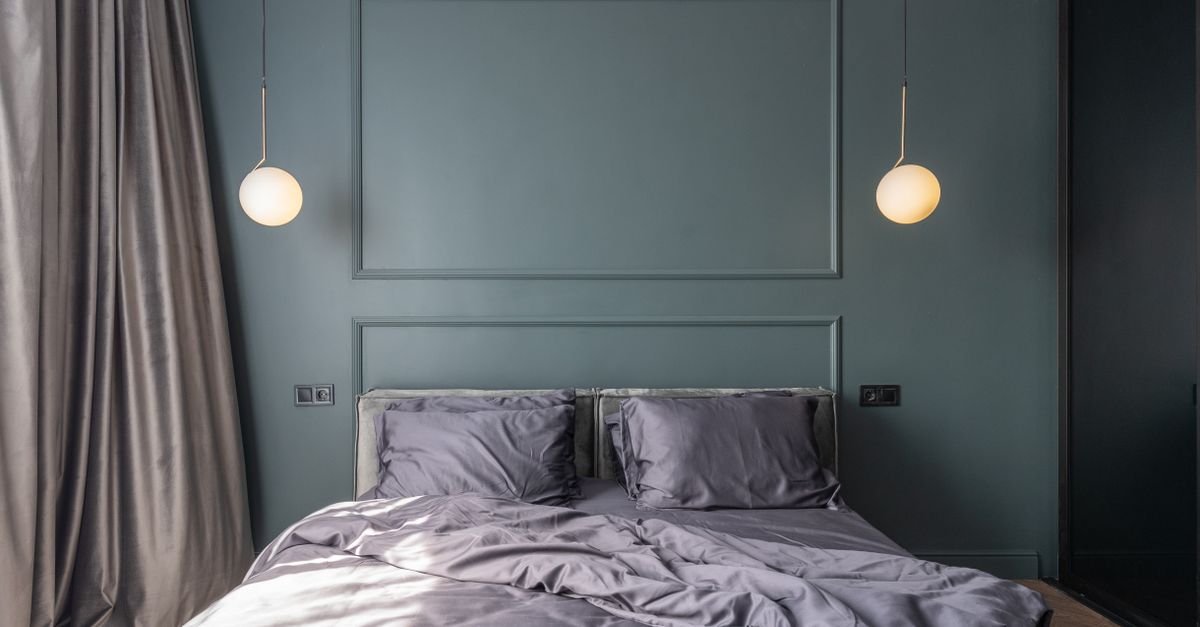
Once the mattress is right, bedding fine-tunes comfort. The biggest factor people overlook is temperature regulation. A bed that traps heat ruins otherwise good sleep.
Sheets and Fabric
Breathable natural fibers — cotton with a sensible thread count, linen, or bamboo — manage moisture and temperature far better than cheap synthetics. Thread count matters less than fiber quality; an honest mid-range cotton sheet often outperforms an inflated “high count” one. Choose fabric by how it feels and how warm you sleep, not by the number on the package.
Pillows: The Underrated Upgrade
The right pillow keeps your neck aligned with your spine, and the correct loft depends again on your sleep position. Side sleepers need a firmer, taller pillow to fill the gap between shoulder and head. Back sleepers need medium support, and stomach sleepers a thin, soft one. Pillows wear out faster than people think — if yours is flat or lumpy, replace it. A good pillow is a cheap fix for a stiff neck.
Duvets and Layers
A duvet you can adjust by season beats one heavy comforter year-round. Many sleepers do best with a lighter insert plus a layer they can add or remove. Weighted blankets help some people feel calmer and fall asleep faster, though they aren’t for everyone. The principle is flexibility: build a bed you can tune as the temperature changes.
Bedroom Furniture That Supports Rest
Beyond the bed, furniture should reduce friction and clutter, both of which affect how restful a room feels. A nightstand keeps essentials within reach so you’re not getting up. Adequate storage — a dresser, under-bed bins, or a wardrobe — keeps clothing off chairs and floors, and a tidy room is a calmer one. A dressing table or bench adds function without crowding the space. Keep the layout open and the pathways clear; a bedroom that’s easy to move through feels more peaceful.
Set the Mood: Light, Sound, and Air
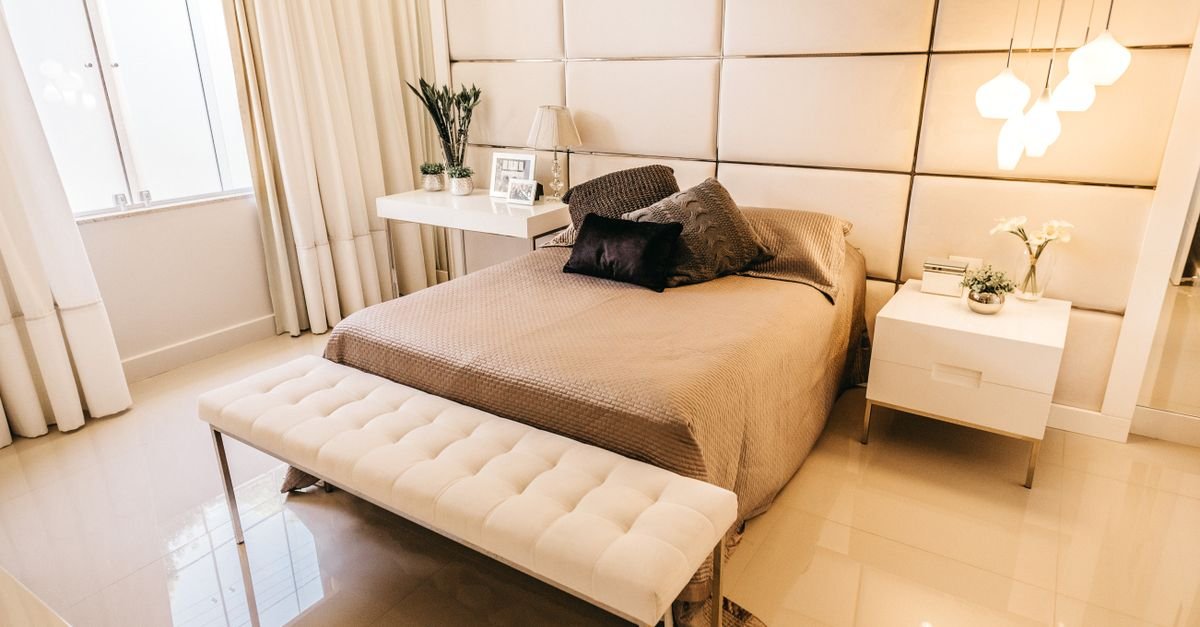
The final layer is the environment itself. Light has the biggest effect on sleep: blackout curtains block streetlights and early sun, and warm, dimmable bedside lighting signals your body to wind down. Keep harsh overhead light for getting dressed, not for relaxing. A cool, well-ventilated room — most people sleep best slightly cool — helps you fall asleep faster and stay asleep. Reducing noise with soft furnishings or a white-noise source smooths over disruptions. None of these are expensive, but together they transform how a bedroom feels at night.
Putting It All Together
Build in order of impact: mattress first, then pillows and breathable bedding, then the lighting and environment, and finally furniture and decor. Most people make the mistake of buying decorative touches before fixing the foundations. Reverse that, and you’ll feel the difference where it counts — in how well you sleep.

Choosing a Mattress by How You Actually Sleep
Mattress marketing sells universal comfort; spines want specifics. Side sleepers (the majority) need enough give at shoulder and hip for the spine to stay level — medium to medium-soft, with pressure-relieving foam or hybrid comfort layers; too-firm is why side sleepers wake with numb arms. Back sleepers want medium-firm support that fills the lumbar curve without hammocking. Stomach sleepers need the firmest surface of all — a soft mattress arches their lower back into tomorrow’s ache. Combination sleepers prioritize responsiveness: latex and hybrids reposition easily where dense memory foam fights the turn.
Body weight shifts every recommendation a notch — heavier bodies sink further (firmer plays softer), lighter bodies ride the surface (softer plays firmer). Couples with different specs should look at split-firmness models or motion-isolating hybrids before compromising both spines on one middle setting. And the only test that counts is the long one: buy where generous sleep trials are standard, because ten showroom minutes cannot predict night ninety.
The Pillow: The Mattress’s Forgotten Partner
A perfect mattress with the wrong pillow still delivers morning neck aches, because the pillow’s whole job is filling the gap between head and mattress at your sleep position’s geometry. Side sleepers need the tallest, firmest fill (the shoulder creates a big gap); back sleepers want medium loft with neck support; stomach sleepers need thin-to-nearly-nothing. Fill personality matters too: memory foam holds shape all night, latex springs back instantly, down compresses soft and low, and adjustable-fill shredded foam lets you tune loft by the handful — the sensible default for anyone unsure.
Replacement honesty: pillows are dead when the fold test fails (folded in half, a live pillow springs back; a dead one lies there) — typically every one to three years, far more often than anyone replaces them. The pillow is also where allergies live: washable covers, protectors under the case, and a quarterly hot-wash or replacement schedule do more for congested mornings than most bedroom air purifiers.
Rotating Bedding With the Seasons
The one-duvet-all-year approach guarantees two bad seasons. The rotation that works: summer runs breathable and light — percale or linen sheets (crisp, airy weaves), a light quilt or coverlet, and the duvet stored; winter layers warmth — flannel or sateen sheets, the full duvet, and a blanket layer beneath it for adjustable heat (the bed-layering guide choreographs the look); spring and fall ride the in-between with the quilt-plus-throw combination. Storage for the off-duty season: breathable cotton bags or the classic pillowcase-bundle, never sealed plastic that traps humidity into mustiness.
Temperature-specific upgrades earn their keep at the extremes: cooling-weave sheets and moisture-wicking fills for hot sleepers, a heated mattress pad (pre-warming the bed beats overheating the bedroom) for cold ones, and separate-duvet diplomacy — the Scandinavian twin-duvet method — for couples whose thermostats disagree by ten degrees. Bedding is climate control you wear; rotating it is free comfort twice a year.
Small Bedroom, Full Rest: Layout and Storage
A bedroom that sleeps well but stores badly ends up sleeping badly too — clutter is visual caffeine. Small-room moves that protect both: the bed placement rule — headboard on the longest unbroken wall, walkway on at least one side; a corner-jammed bed saves inches and costs daily annoyance. Under-bed storage done deliberately (low-profile bins, ideally on wheels, holding off-season bedding and clothes) turns dead space into a closet — beds with built-in drawers or hydraulic lifts take it further. The nightstand discipline: lamp, current book, water, charger — the nightstand guide’s four-thing rule keeps the last surface you see at night calm. Vertical relief: wall-mounted sconces free nightstand acreage; a single tall wardrobe out-stores two low dressers in half the footprint.
The visual-calm rules from the small-room playbook apply at full strength: bed linens in the wall’s tone family, one statement (headboard OR art, not both fighting), and floor visible wherever possible. A small bedroom that stores everything and shows little rests like a large one.
Darkness and Quiet: The Underrated Half of Sleep Quality
After the mattress budget is spent, the highest-return sleep purchases attack light and noise. Darkness: true blackout curtains — panels with dense liner, hung wider and higher than the frame so light can’t halo around them (the blackout roundup covers the ones that seal properly) — plus electrical-tape dots over the LED constellation every modern bedroom accumulates. Streetlight-facing rooms add a top-and-side velcro seal or a contoured sleep mask as the personal fallback. Quiet: a white-noise machine or fan masks intermittent noise better than silence-chasing ever works; soft surfaces (the rug, the curtains themselves, an upholstered headboard) absorb interior echo; and door-sweep draft stoppers double as sound gaskets in thin-walled homes and apartments.
The payoff scales with sensitivity: light-triggered early-wakers and noise-startled sleepers routinely report the blackout-plus-noise combination outperforming a mattress upgrade at a tenth of the price. Sleep is an environment product; the bed is only its largest component.
Screens, Chargers, and the Bedroom Technology Treaty
Every sleep authority says no screens in the bedroom; every actual bedroom contains several. The livable treaty: charge across the room — the phone on a dresser instead of the nightstand converts doom-scrolling into an active choice and turns the morning alarm into an anti-snooze device; warm, dim, indirect evening light — lamps and sconces on the warmest setting after sunset, never the overhead; the TV question answered honestly — if it’s staying, put it behind cabinet doors or on a timer so the room doesn’t default to it; e-readers over tablets for bedtime reading. Smart-bedroom additions that actually serve sleep: a sunrise-simulation alarm for dark winters, smart bulbs that auto-warm through the evening, and a plug schedule that kills the charger LED zoo at midnight. Technology in the bedroom is fine; technology in charge of the bedroom is the thing the treaty prevents.
Guest Rooms and Kids’ Rooms: The Same Rules, Adjusted
The comfort framework scales to the household’s other beds. Guest rooms get the honesty test: sleep one night in your own guest bed — whatever fails you at 3 a.m. fails every guest; the fixes are usually a mattress topper, a real blackout solution, and a bedside water-and-charger station rather than new furniture. Kids’ rooms prioritize durability and darkness: washable everything, a mattress protector as non-negotiable, blackout curtains that survive being yanked (and buy parents summer-evening bedtimes), and storage low enough for the owner to run cleanup independently. Bunk and loft beds solve floor space but demand honest ceiling clearance and guard-rail vigilance. Both room types benefit from the same principle as the master: the bed is the headline, calm is the layout goal, and the cheapest upgrades — toppers, curtains, protectors — carry most of the comfort.
The Bedroom Reset: When Sleep Has Gone Wrong
When sleep quality slides, the bedroom audit runs before the supplement aisle does. The checklist, in order of likely culprits: temperature — the room should run cool (the mid-60s Fahrenheit neighborhood); a too-warm bedroom sabotages more nights than any mattress flaw, and the fix is often just bedding rotation or a fan. Light leaks — new LED, new streetlight, curtains drifted open; re-audit in the dark and patch. The mattress birthday — sagging visible at the hip zone, waking with new aches, or sleeping better in hotels are the three retirement signals; most mattresses serve seven to ten years, and warranty-covered sag is worth measuring (a string and a ruler). Partner drift — motion transfer and duvet theft respond to hybrid mattresses and twin-duvet diplomacy respectively. The room’s job description — a bedroom that became a home office wires the brain to work; even a folding screen between desk and bed restores the boundary.
Run the audit honestly and most sleep complaints trace to one fixable line — and the fix is usually cheaper than the resigned assumption that bad sleep is a personality trait.
Making the Bed Worth Making (The 60-Second Habit)
The made bed is the highest-leverage tidiness act in the house: it’s the largest visual object in the room, and its state sets the room’s tone regardless of what else is happening. The 60-second version that survives real mornings: duvet shaken and pulled square, sleeping pillows stacked or leaned, one throw folded at the foot. That’s it — the full layering architecture is for linen-change day; the daily act is just restoring the silhouette.
Two upgrades make the habit self-sustaining: bedding you actually like touching (the tactile reward is the habit loop’s engine), and a simplified pillow census — beds drowning in decorative pillows don’t get made because making them is a construction project. Two sleeping pillows per person, two shams, one throw: the entire inventory a daily-made bed wants. Households that argue about bed-making are usually arguing about pillow logistics without knowing it.
The Bedroom Budget, Ranked by Return
Spending the bedroom budget in return order: 1. The mattress — a third of your life, non-negotiable priority, and the guide’s sleeper-type matching above decides the spec. 2. Pillows — cheap relative to their impact, replaced far too rarely. 3. Blackout and quiet — the under-$150 tier that outperforms furniture on sleep metrics. 4. Sheets you love — the daily touch layer; one excellent set plus one backup beats five mediocre sets. 5. The bed frame — sturdiness matters, statement optional; a squeak-free frame with a real headboard for sitting up is the functional spec. 6. Everything else — dressers, benches, and decor arrive after the sleep stack is solvent.
The trap this ranking prevents: the beautiful bedroom that sleeps badly — statement bed, designer lamps, builder-grade mattress, and streetlight stripes across the pillow at 5 a.m. Sleep is the bedroom’s product; the styling layer decorates the product, and the budget should flow in that order.
The Perfect-Bedroom Checklist (Every Layer, One Card)
The sleep stack: mattress matched to sleep position and body (side = medium/pressure-relieving, back = medium-firm, stomach = firm), pillows passing the fold test and matched to the same position math, protector on the mattress, seasonal bedding rotated twice yearly. The environment: room cool (mid-60s°F), blackout curtains hung wide and high, LED dots taped, white noise or fan for thin walls, screens charging across the room. The layout: headboard on the longest wall, walkway on at least one side, nightstand holding four things, under-bed storage in low bins, one tall storage piece over two short ones in small rooms. The daily habit: the 60-second made bed — duvet squared, pillows stacked, throw folded.
Budget flows in return order: mattress, pillows, darkness-and-quiet, sheets, frame, then everything decorative. Re-run the sleep audit whenever mornings turn rough — temperature, light, mattress age, partner logistics, room job-creep — and the bedroom stays what this whole guide built it to be: the best-performing room in the house, measured in how you feel leaving it.
Bedroom Air: The Layer Nobody Sees
Sleep runs on breathing, and bedroom air quality is a real comfort variable: a cracked door or window vent keeps CO2 from climbing overnight (stuffy-room morning grogginess is often literal), weekly hot-wash bedding and a protector-covered mattress keep the dust-mite population civil for allergy-prone sleepers, and one hardy plant plus regular vacuuming under the bed — where dust congregates in civilizations — rounds out the free tier. A HEPA purifier earns its corner in pollen seasons and city bedrooms; scent, if wanted, works better as fresh air and clean linens than as plug-in perfume. Cool, dark, quiet — and fresh: the fourth pillar the checklist quietly assumed.
The Last Word: Protect the Investment
A mattress protector, pillow protectors under the cases, and a twice-yearly mattress rotation (head-to-foot) are the unglamorous trio that stretches the sleep stack’s lifespan by years — and keeps warranties honest, since stains void them regardless of the sag being claimed. Ten minutes of protection per season guards the room’s biggest line item; the perfect bedroom is built once and then simply defended.
Frequently Asked Questions
How often should I replace my mattress?
Most mattresses need replacing every seven to ten years, or sooner if you wake up sore, notice sagging, or sleep better in other beds.
What’s the most important bedroom upgrade for better sleep?
The mattress, by a wide margin — it supports your body all night. After that, the right pillow and breathable bedding make the biggest difference.
How do I choose the right pillow?
Match the loft to your sleep position: tall and firm for side sleepers, medium for back sleepers, thin and soft for stomach sleepers. The goal is keeping your neck aligned with your spine.
What temperature is best for sleep?
Most people sleep best in a slightly cool room. Pair that with breathable bedding and adjustable layers so you can fine-tune comfort through the seasons.
Key Takeaways
- The mattress is the foundation — choose firmness by sleep position and replace it every seven to ten years.
- Use breathable, natural-fiber bedding and match your pillow’s loft to how you sleep.
- Build a bed you can tune by season with adjustable duvet layers.
- Keep furniture functional and clutter-free so the room feels calm and easy to move through.
- Control light, temperature, and noise — cheap environmental fixes that dramatically improve sleep.
A perfect bedroom isn’t the one that looks best in a photo — it’s the one that helps you sleep. Get the mattress, bedding, and environment right, and the rest falls into place. Explore more room guides on our home setup hub and the full Bedroom & Bedding collection.
More Bedroom & Bedding Guides & Reviews
- Best Bed Sheets 2026: Top Picks for Every Sleeper & Budget
- Memory Foam Pillows: Loft, Shape and Care
- Dressing Table With LED Mirror Setup: Ultimate Vanity Desk for Modern Glam
- Bedroom Layout Ideas: How to Arrange Furniture for Calm & Flow
- Contemporary Dressing Table Furniture Collections for Stylish Modern Homes
- Vanities and Makeup Tables: Layout and Storage Guide
- Recliner Slipcovers: Measuring Moving Furniture
- Modern Dressing Table With Mirror Lighting for Stylish Bedroom Makeovers
- Grey Bedroom Furniture Sets: Contents and Room Fit
- Best Weighted Blankets 2026: Top Picks for Better Sleep

I'm Nasir Uddin Khan, founder of HomeNeeds24 and a senior IT consultant with 18+ years' experience in Oracle database administration, enterprise infrastructure and ERP system design. I write the buying guides here and I build every calculator on the site myself, from published engineering standards rather than opinion. My research is structured rather than lab-based: manufacturer specifications, safety and efficiency standards, and the trade-offs that repeat across large volumes of verified customer reviews. Where I have direct hands-on experience — smart home, networking, energy and anything computer-adjacent — I say so in the guide.