
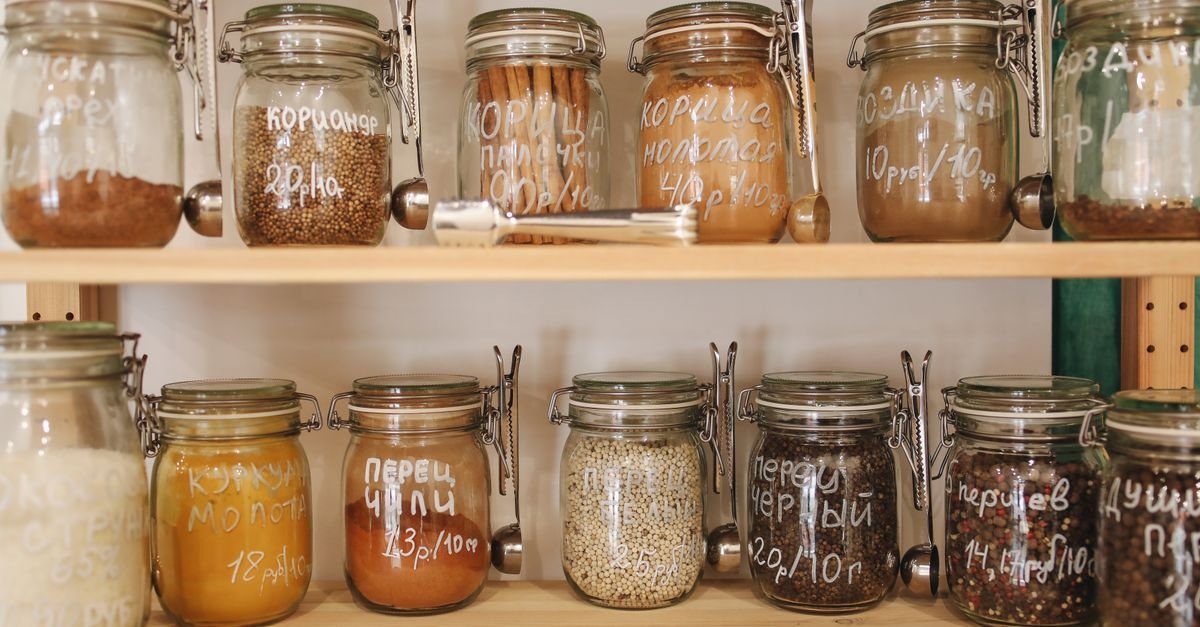
The best spice rack is the one matched to where you cook and how many jars you own: drawer inserts for the counter-free kitchen, tiered cabinet shelves for the door-side stash, wall or door racks for the collection that outgrew both, and turntables for the deep-corner crowd — all of it within one step of the stove, labeled on the lids or facing out, and purged of the ghost jars past their potency. Spices are the kitchen’s smallest storage problem and its most-visited — solving it upgrades every single dinner.
Also Read



This is the complete spice storage guide: the five rack types matched to kitchen and collection, the one-step-from-stove placement rule (and its heat exception), the decant-and-label system, the freshness audit most kitchens are years overdue for, and the buying checklist.
Key Takeaways
- Match the rack to the kitchen: drawer inserts (best ergonomics), tiered cabinet shelves (best value), wall/door racks (best capacity), turntables (best for corners).
- One step from the stove — but NOT over it: heat and steam murder spice potency; the adjacent drawer or cabinet beats the range hood shelf.
- Uniform jars with lid labels (drawers) or face labels (shelves) end the shake-and-squint search — and look intentional doing it.
- Ground spices fade in 1–2 years, whole in 3–4: the pinch-and-sniff audit retires the ghost jars an average kitchen carries by the dozen.
- Alphabetize OR zone by cuisine — either works; no system at all is how you end up owning four cumins.
- Buy whole where you can and refill small jars from bulk — fresher, cheaper, and the rack stops overflowing.

The Placement Rule (One Step, But Not Over the Flame)
Spices are mid-cook tools — grabbed with one hand while the pan demands the other — so they live within one step of the stove. The exception that surprises everyone: NOT directly above the range. The classic over-stove spice shelf bathes the collection in heat and steam, the two fastest potency killers — the drawer or cabinet BESIDE the stove wins on both ergonomics and chemistry.
Light is the third enemy (why spice jars ran amber for a century): open-shelf displays in sunny kitchens trade shelf-life for looks — fine for the fast-turnover dozen, wrong for the archive. Cool, dark, close: the three-word placement spec.
The Five Rack Types, Matched Honestly
Drawer Inserts: The Ergonomic Champion
Angled inserts laying jars label-up in a drawer by the stove — every jar visible at a glance, one-hand grab, zero counter cost. The requirements: a free drawer (the fight), uniform jars (the investment), and lid labels (the finishing move). If you have the drawer, this is the endgame most kitchens want — the Better Homes & Gardens build below makes the DIY version an afternoon.
Tiered Cabinet Shelves: The Best Value
The stadium-riser insert that lets three rows live in one cabinet without the back row vanishing — cheap, instant, renter-perfect. Expandable versions fit any cabinet; the upgrade is simply pulling the collection down to ONE shelf’s worth (see the audit below).
Wall and Door Racks: The Capacity Kings
Cabinet-door racks harvest dead space for the big collection; wall-mounted rails and shelves turn spices into intentional decor for the display-inclined. Door racks: check clearance against the shelves inside before buying. Wall racks: the sunny-window caveat applies — north walls and shaded runs only for the jars you cherish.
Turntables: The Corner Diplomat
The lazy Susan solves the deep corner cabinet and the condiment-adjacent cluster (the vinegars-and-oils tier loves one too). Two-tier versions double the district; lipped edges prevent the orbital ejections.
Countertop Carousels: The Starter Kit With an Asterisk
The pre-filled rotating towers gift well and cook poorly: mystery-freshness spices in undated jars, half of them cuisines you don’t cook. Buy the EMPTY carousel if the format suits you and fill it with your actual collection — or skip to a real system above.
The Decant-and-Label System (The Part That Makes It Permanent)
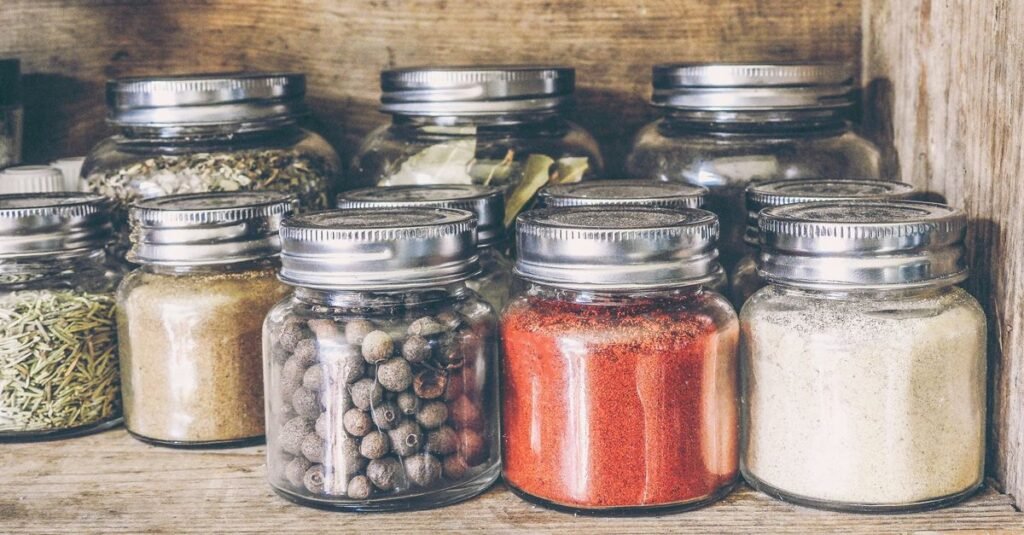
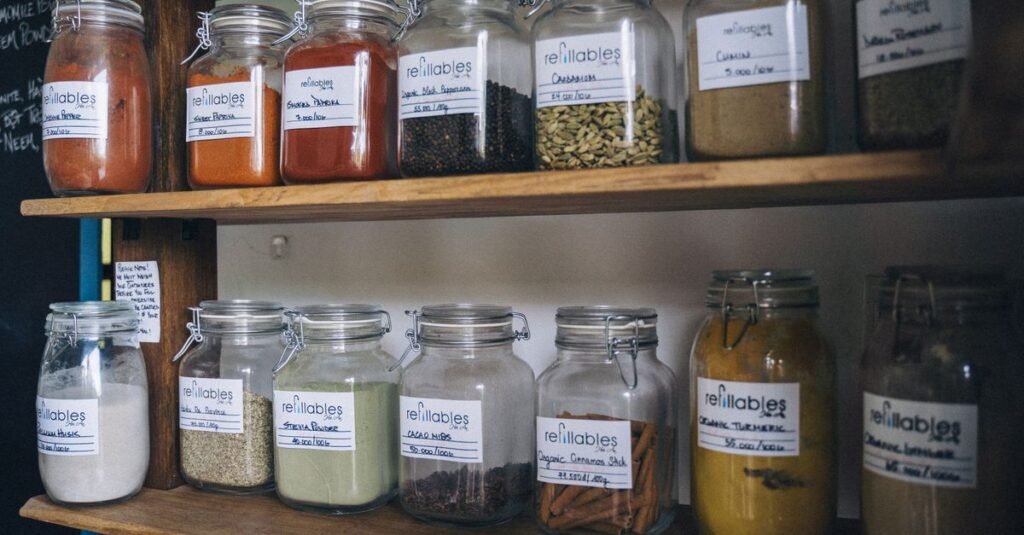
Uniform jars transform the drawer or shelf from jumble to system: one shape stacks, aligns, and reads instantly. The label doctrine: LIDS for drawer storage (you’re looking down), FACES for shelf and rack storage (you’re looking in), and the date of purchase penciled on the base — the freshness audit’s best friend. The pantry guide’s decanting rules apply in miniature: repeat-purchase spices earn jars; the once-a-year saffron stays in its own vessel.
Ordering, by collection size: under twenty jars, alphabetical and done; over twenty, zone by use — the daily six (salt, pepper, garlic, paprika, cumin, oregano or your equivalents) in the prime spot, cuisines clustered behind (taco kit, curry kit, baking kit), and the bulk refills exiled to the pantry. The four-cumin phenomenon is a filing failure, not a shopping one — any order beats none.
Refill economics finish the system: bulk-store and bag refills into your jars run a fraction of new-jar prices, whole spices ground as needed outlive pre-ground by years, and the small-jar discipline (buy less, more often) keeps the whole collection inside its rack — and inside its potency window.
The Freshness Audit (The Overdue Fifteen Minutes)
Spices don’t spoil; they fade — and the average kitchen cooks with ghosts. The audit: every jar, pinch in the palm, rub, sniff. Vivid smell stays; faint smell gets the shopping list; nothing gets the bin (compost the contents, recycle the jar). Ground spices hold 1–2 years, whole spices 3–4, dried herbs about 1 — and the penciled base dates turn next year’s audit into arithmetic.
The audit’s bonus discoveries, every time: the duplicate cluster (merge), the never-used experiment tier (donate the unopened, release the rest), and the revelation that the working collection is about eighteen jars — which is what the rack should be sized to, not the aspirational forty. Size the system to the audit’s result and every option above gets cheaper.
The Buying Checklist (Five Minutes at the Shelf)
Measure FIRST: drawer interior for inserts, cabinet depth for risers, door clearance for racks — the return-trip tax on this category is entirely self-inflicted. Then match: jar count (post-audit) to capacity with 20% headroom, the material to the kitchen (bamboo and acrylic for drawers, steel for doors and walls), and the jar-shape compatibility if you’ve already invested in uniform jars — some inserts assume specific diameters.
Quality tells in a cheap category: risers that don’t flex under a full row, door racks with real rails (not wire lips that eject jars at slam speed), turntables that spin loaded, and drawer inserts with enough angle to actually read lids. The whole category runs affordable — which makes the measure-twice rule the only place money gets lost.
And the styling note for the open-shelf kitchens: matched jars with clean labels ARE the decor — the spice wall done uniformly reads apothecary-intentional, the same function-as-styling win as the coffee bar’s canisters and the rest of the styling playbook’s working-object vignettes, and it costs exactly one afternoon of decanting.
Frequently Asked Questions
What is the best way to store spices?
Cool, dark, and one step from the stove — a drawer insert or adjacent cabinet with tiered shelves beats the over-stove shelf, where heat and steam fade potency fastest. Uniform jars with lid or face labels finish the system.
Should spices be stored above the stove?
No — it’s the convenient-looking worst spot: heat and steam degrade flavor months faster. The drawer or cabinet BESIDE the range gives the same one-step access without cooking the collection.
How long do spices actually last?
Ground spices 1–2 years, whole spices 3–4, dried herbs about 1 — they fade rather than spoil. The pinch-and-sniff audit tells the truth jar by jar; pencil purchase dates on the bases to make next year’s pass instant.
Drawer insert or spice rack — which is better?
Drawer inserts win ergonomics (all labels visible, one-hand grab) if you can spare the drawer; tiered cabinet shelves win value; door and wall racks win capacity. Match to your kitchen’s free real estate and post-audit jar count.
How do I organize a lot of spices?
Zone by use: the daily six in prime position, cuisine clusters behind, bulk refills in the pantry — with uniform jars and labels making every zone readable. Alphabetical works fine under twenty jars; no system is how four cumins happen.
Are pre-filled spice rack sets worth it?
Rarely — undated freshness and cuisines you don’t cook. Buy the empty rack format you like and fill it with your audited, refill-economy collection instead.
The Refill Station Workflow (Bulk Buying Without the Mess)
The refill economy needs its own small system: bulk bags decant through a funnel (the two-dollar tool that ends counter dustings of turmeric), refills happen in batches (audit says six jars low → one bulk trip → one ten-minute refill session, not six micro-events), and the bulk overflow lives in the pantry backstock tier in sealed bags with dates — the working jar up front, the reserve behind, the FIFO rule in miniature.
The label maintenance rides each refill: date updated on the base, the smudged lid label refreshed, and the jar wiped before it returns — oil film on spice jars is where kitchen grime concentrates fastest, and the ten-second wipe per refill keeps the whole rack fingerprint-clean permanently.
The gift-and-specialty tier gets a policy too: the artisan blends and souvenir spices join the working rack only by displacing something (the one-in-one-out rule reaches even here), or they live in a small “occasions” box with the saffron tier — visible enough to actually use, separate enough not to crowd the daily eighteen.
Beyond the Rack (Where Spice Storage Meets Cooking Speed)
The rack’s real product is mid-cook speed, and two extensions compound it: the MEASURE-AHEAD habit for complex recipes (the small prep bowls of pre-measured spices — mise en place — turns the six-spice curry from a scramble into a pour), and the BLEND tier for your repeat dishes: the house taco mix, the everything-chicken rub, the pumpkin-spice jar mixed each fall — one jar replacing four grabs, labeled and dated like everything else.
The salt-and-pepper annex sits outside the system on purpose: the stove-side pinch bowl and mill live at arm’s length of the flame (the one heat-adjacent exception, because they turn over too fast to fade), refilled from the rack’s reserve — the daily two, promoted to the front line, exactly where every cook’s hand already expects them.
Whole vs. Ground (The Flavor Economics Nobody Runs)
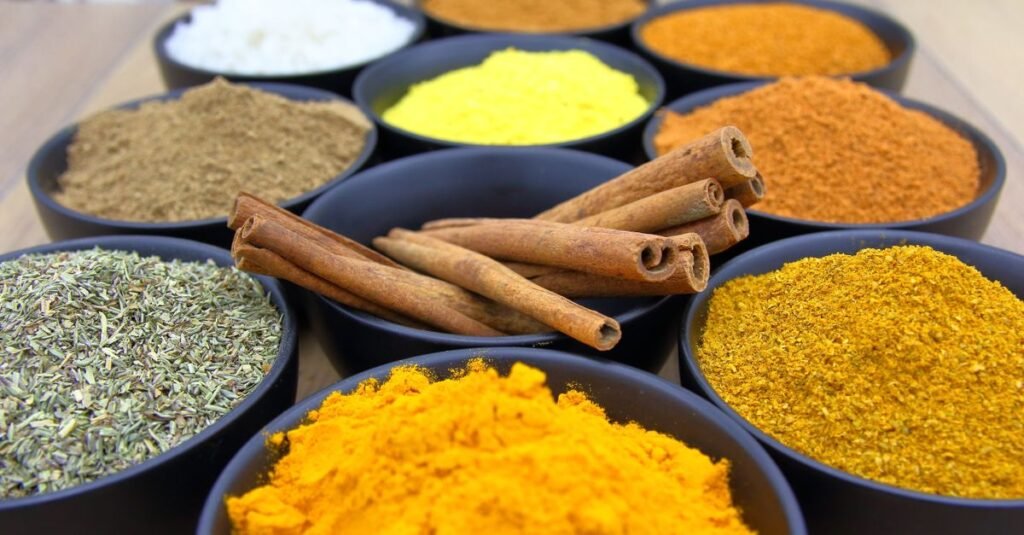
The whole-spice tier rewards exactly the cook willing to add one tool: whole cumin, coriander, peppercorns, and nutmeg hold flavor three times longer than their pre-ground selves, cost less per gram in bulk, and a twenty-dollar burr grinder or the classic mortar converts them in seconds — the freshness difference in a Friday curry is genuinely tastable, which few storage upgrades can claim.
The honest split most kitchens land on: whole for the flavor-forward tier (cumin, pepper, cardamom, nutmeg), pre-ground for the volume tier (paprika by the tablespoon, cinnamon for the oatmeal), and the grinder living IN the spice drawer — one reach, like everything else.
The toast note that upgrades everything: thirty seconds in a dry pan before grinding wakes even tired spices — the rescue trick for the audit’s borderline jars, and the reason the whole-spice tier survives its longer shelf life tasting like it just arrived.
The Kitchen-Wide Ripple (What the Spice System Teaches)
The spice drawer is most households’ first perfect system — small enough to finish in an afternoon, used enough to prove itself daily — and its lessons ripple outward on purpose: the uniform-container principle graduates to the pantry’s decant tier, the audit habit (pinch, sniff, date, decide) becomes the fridge-door condiment reckoning, the one-step placement rule reorganizes the baking shelf and the oil cluster, and the measure-first buying discipline saves its next return trip at the container store.
Start with the spices precisely because they’re small: the finished drawer is the proof-of-concept that funds the household’s appetite for every bigger system in this library — eighteen jars today, the garage by October. Momentum, as always, is the real organizing product.
Tonight’s five-minute start: pull five jars, pinch and sniff, pencil the dates — the audit begins as a curiosity and finishes as a shopping list, which is exactly how every good system in this kitchen got started.
The Bottom Line
Spice storage is one honest audit, one measured purchase, and one afternoon of decanting: the working eighteen jars, uniform and labeled, one cool dark step from the stove.
It is the smallest system in this entire library — and the one you’ll touch at every dinner for the next decade, which makes it, pound for pound, the best-returning afternoon in home organization.

I'm Nasir Uddin Khan, founder of HomeNeeds24 and a senior IT consultant with 18+ years' experience in Oracle database administration, enterprise infrastructure and ERP system design. I write the buying guides here and I build every calculator on the site myself, from published engineering standards rather than opinion. My research is structured rather than lab-based: manufacturer specifications, safety and efficiency standards, and the trade-offs that repeat across large volumes of verified customer reviews. Where I have direct hands-on experience — smart home, networking, energy and anything computer-adjacent — I say so in the guide.