
A well-organized kitchen starts with smart food storage. The right containers and solutions keep food fresher for longer, cut waste, make your pantry and fridge easy to navigate, and reclaim space you didn’t know you had. From airtight canisters to fridge organizers, this guide covers the best smart food storage solutions and how to choose what genuinely helps — not just clutter you’ll abandon in a drawer.
Also Read



Why Smart Food Storage Matters
Good storage does more than tidy a shelf. Airtight containers keep dry goods and leftovers fresh far longer, reducing spoilage and saving money. Clear, organized storage means you can see what you have — so you stop buying duplicates and forgetting food until it expires. And efficient solutions reclaim space in cramped pantries and fridges. In short, smart storage saves food, money, space, and time, which is why it’s one of the highest-value kitchen upgrades.
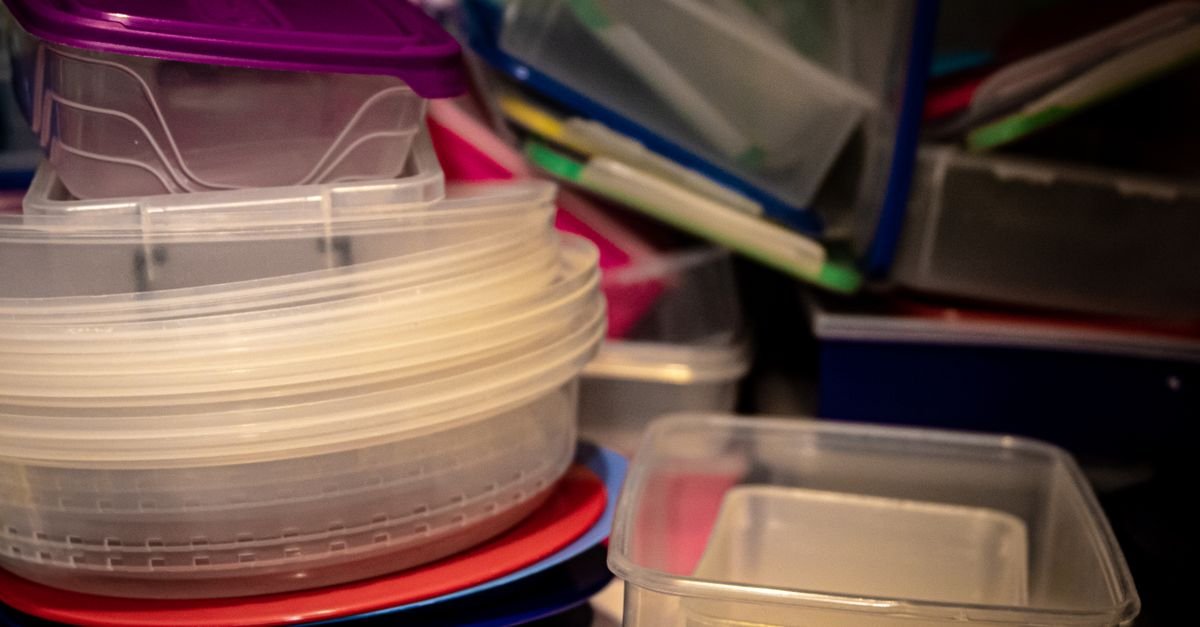
The Best Food Storage Solutions
1. Airtight Pantry Canisters
A matching set of airtight containers for flour, sugar, rice, pasta, cereal, and snacks transforms a pantry. They keep contents fresh, stack neatly, stop spills and pests, and — because they’re usually clear — let you see quantities at a glance. They’re the foundation of an organized pantry and the single best place to start.
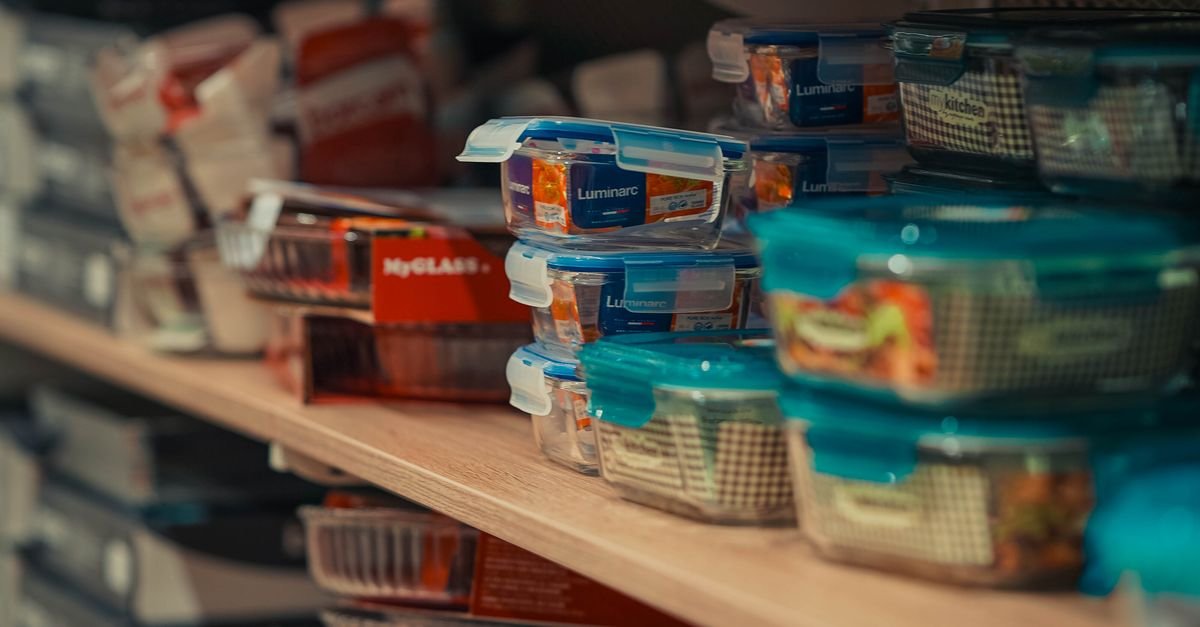
2. Glass Food Storage Containers
For leftovers and meal prep, glass containers with secure lids are durable, don’t stain or hold odors, and are microwave- and dishwasher-safe. Stackable sets save fridge space and keep food fresh. Glass is a healthier, longer-lasting alternative to flimsy plastic and a kitchen staple.
3. Fridge Organizers & Bins
Clear fridge bins group similar items (snacks, condiments, produce), making the fridge tidy and everything easy to find — and easy to pull out and clean. They stop the fridge becoming a black hole where food hides and spoils. A few well-placed bins dramatically improve fridge usability.
4. Stackable & Modular Containers
Containers designed to stack or nest maximize vertical space and keep cabinets from becoming chaos. Modular sets where lids and bases are interchangeable are especially practical — no more hunting for matching lids. Space efficiency is where these earn their keep.
5. Produce Keepers
Specialized containers designed to extend the life of fruits and vegetables (with ventilation and moisture control) cut produce waste — one of the most common kinds of food waste. If you often throw out wilted greens or soft berries, these can pay for themselves.
6. Vacuum-Seal Storage
For longer-term storage, vacuum sealing removes air to keep food fresh much longer in the fridge or freezer — great for batch cooking, freezing meat, and reducing freezer burn. A worthwhile step up for those who buy in bulk or meal prep seriously.
As an Amazon Associate, HomeNeeds24 earns from qualifying purchases.
How to Choose Food Storage Containers
A few factors separate genuinely useful storage from clutter. Material: glass is durable, non-staining, and safe for heat; quality BPA-free plastic is lighter and shatterproof; stainless steel is durable and great for some uses. Airtightness: a good seal is what keeps food fresh and pests out — the key feature for pantry storage. Stackability: containers that stack or nest save space and stay organized. Clear vs opaque: clear lets you see contents (great for pantries and fridges). Sizes: a range of sizes suits different foods. Easy lids: secure but easy-to-use lids you won’t lose. Buy sets that match so they stack and look tidy.
Organizing With Your New Storage
Containers only help if you set up a system. Decant dry goods into labeled airtight canisters; group similar items in fridge and pantry bins; store older items in front so they’re used first (first-in, first-out) to cut waste; and keep frequently used items at eye level. Labeling — especially for decanted goods and leftovers with dates — makes the system effortless to maintain. The goal is a kitchen where you can see and reach everything, so nothing gets lost or wasted.
Reduce Food Waste (and Save Money)
Smart storage is one of the most effective ways to cut food waste. Airtight containers and produce keepers extend freshness; clear storage means you actually use what you buy; and a first-in-first-out system stops food expiring at the back. Less waste means real savings over time — the storage often pays for itself. It’s good for your budget and the planet, which makes it an easy upgrade to justify.

Frequently Asked Questions
What is the best food storage container material?
Glass is durable, non-staining, odor-resistant, and safe for heat — ideal for leftovers and meal prep. Quality BPA-free plastic is lighter and shatterproof. Choose based on use; many kitchens use both.
What’s the best way to organize a pantry?
Decant dry goods into matching airtight, clear canisters; group items in bins; label everything; and store older items in front (first-in, first-out). You’ll see what you have and waste less.
How does food storage reduce waste?
Airtight containers and produce keepers extend freshness, clear storage means you use what you buy, and a first-in-first-out system stops food expiring forgotten at the back — all cutting waste and saving money.
Are glass or plastic containers better?
Glass lasts longer, doesn’t stain or hold odors, and handles heat; plastic is lighter and shatterproof. Glass is great for leftovers and reheating; plastic suits lunches and travel. Many people use a mix.
Key Takeaways
- Smart food storage keeps food fresher, cuts waste, reclaims space, and saves money.
- Start with airtight pantry canisters and glass leftover containers, then add fridge bins.
- Choose by material, airtightness, stackability, clarity, and easy lids — matching sets stay tidy.
- Set up a system: decant, group, label, and use first-in-first-out.
- Better storage is one of the most cost-effective, waste-cutting kitchen upgrades.
The right food storage turns a chaotic kitchen into an organized, low-waste one — saving you food, money, space, and time. Start with airtight canisters and glass containers, add fridge organizers, and build a simple system. For more ideas, visit our home guides and the full Kitchen & Appliances collection.

I'm Nasir Uddin Khan, founder of HomeNeeds24 and a senior IT consultant with 18+ years' experience in Oracle database administration, enterprise infrastructure and ERP system design. I write the buying guides here and I build every calculator on the site myself, from published engineering standards rather than opinion. My research is structured rather than lab-based: manufacturer specifications, safety and efficiency standards, and the trade-offs that repeat across large volumes of verified customer reviews. Where I have direct hands-on experience — smart home, networking, energy and anything computer-adjacent — I say so in the guide.