
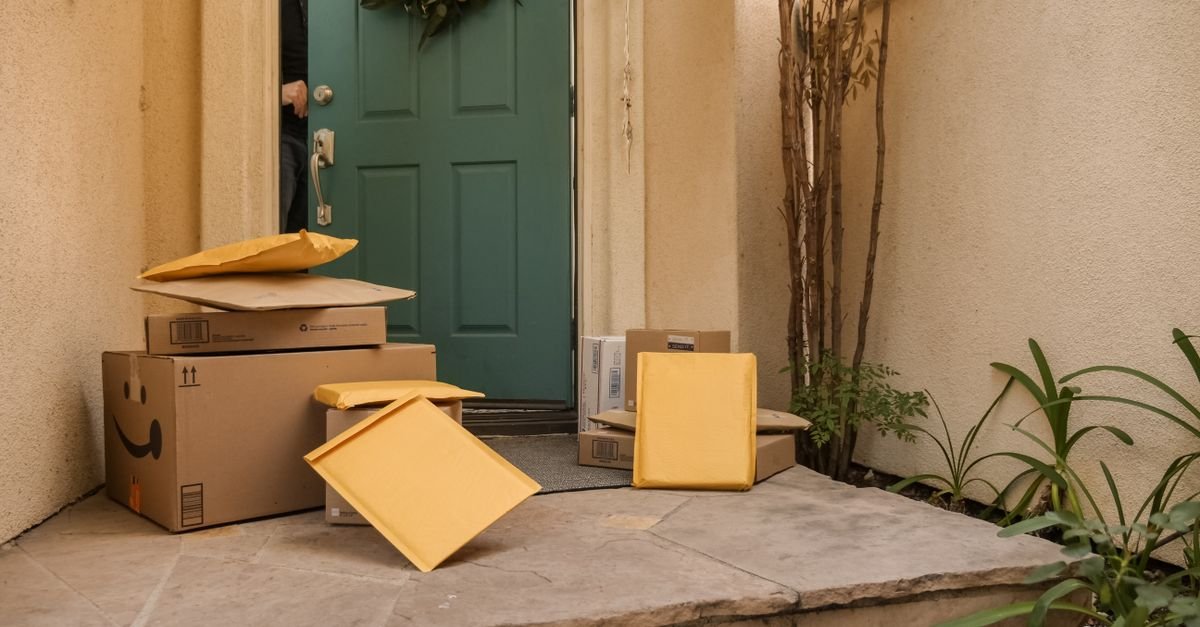
Package theft is a crime of visible opportunity — a box in plain sight, an empty porch, a thief who follows the delivery truck — so the defense is opportunity removal in three moves: control WHERE packages land (lockers, boxes, pickup points), control WHEN they sit (alerts, schedules, neighbors), and make your porch a bad risk (cameras, sightlines, and deliveries that don’t linger). Roughly one in three Americans has lost a package to porch pirates; almost every loss traces to a box that sat visible for hours.
Also Read



This is the complete anti-pirate playbook: the delivery-routing tier, the hardware tier, the camera question answered honestly, apartment-specific tactics, and what to actually do when a package vanishes.
Key Takeaways
- Time-on-porch is the whole game: packages stolen are packages that sat — alerts plus same-day retrieval defeats most theft with zero hardware.
- Free routing tools beat gadgets: carrier lockers, in-store pickup, workplace delivery, and delivery-day scheduling remove the porch from the equation.
- A lockable delivery box (bolted or weighted) is the strongest home hardware; a camera is a deterrent and evidence tool, not a wall.
- Doorbell cameras deter the casual thief and document the bold one — pair with visible signage for the full effect.
- Holiday season is pirate season: November-December deliveries deserve the full protocol, not the usual shrug.
- Stolen anyway? Report to carrier, seller, police (yes — reports drive patrols), and your card’s purchase protection — refunds are far more common than people assume.
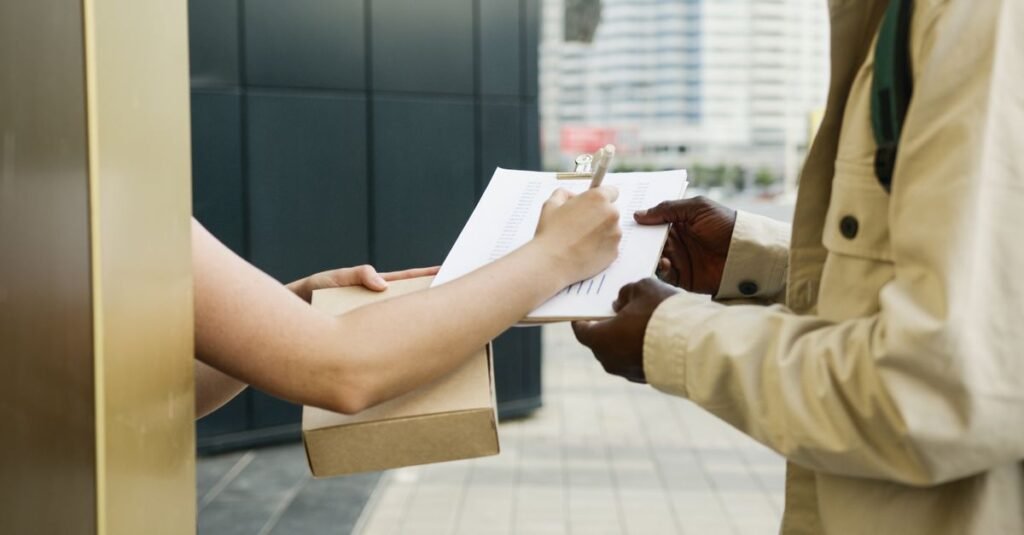
Know the Crime (It’s Lazier Than You Think)
Porch piracy is overwhelmingly opportunistic: thieves cruise behind delivery trucks or spot boxes from the street, walk up in daylight dressed like anyone, and are gone in under thirty seconds. They rarely case houses, rarely force anything, and almost never return where a grab failed — which is exactly why friction works. Every minute a package doesn’t sit visible, every step a thief must take past a camera toward an uncertain prize, collapses the economics of a thirty-second crime.
The seasonal spike is real: parcel volume and theft both peak from November through December — the CBC segment below documents how organized the truck-following has become — so the holiday weeks deserve your full protocol even if the rest of the year runs on alerts alone.
Tier One: Route the Package Somewhere Better (Free, Undefeated)
The strongest defenses cost nothing because the porch never enters the story. Carrier lockers and pickup points: every major carrier and retailer offers locker or counter pickup at checkout or via their app — parcels wait in steel, you collect with a code. In-store pickup: for anything sold by a chain with a local branch, the fastest AND safest option most weeks.
Delivery management: the free carrier programs (signature options, delivery-day scheduling, vacation holds, real-time alerts) turn a mystery window into a fifteen-minute one. The alert-plus-retrieval habit — grab it within the hour, or text the neighbor who can — is statistically most households’ entire solution.
Address flexibility finishes the tier: workplace delivery for the office crowd, a trusted retired neighbor’s porch (with a thank-you arrangement — the classic reciprocal watch), and delivery instructions that actually help (“behind the planter, left of bench” beats “front door” every time a driver honors it).
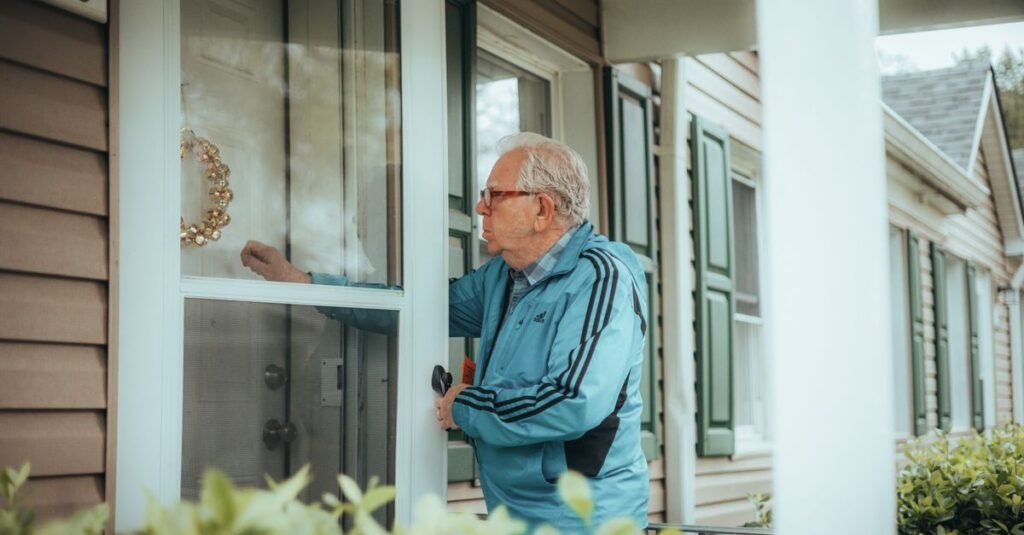
Tier Two: Harden the Porch (The Hardware That Earns Its Price)
The lockable delivery box: the category’s heavyweight — a weatherproof chest the driver opens (or opens via one-time code on smart models), drops the parcel, and locks on close; bolted to the porch or weighted per instructions so it doesn’t leave WITH the package. Buy for capacity honestly (your typical parcel plus one) and label it for drivers. It converts the porch from display shelf to safe.
The camera layer: a doorbell camera announces itself — the doorbell shape IS the deterrent — records the approach, and enables the two-way “can I help you?” that ends most loiters instantly. Pair with a small “recording in progress” sign (deterrence loves confirmation) and our doorbell camera roundup covers the models. Honest framing: cameras deter the casual and document the brazen — bold pirates grab anyway and eat the footage, which is why cameras pair with boxes rather than replace them.
The geography layer: a delivery spot invisible from the street — side porch, behind a pillar, inside a gate — communicated via delivery instructions, removes the drive-by discovery that starts most thefts. Even a large planter breaking the sightline meaningfully helps; the porch visible from a bus stop needs the most help of all. Motion lighting closes the layer for the dusk deliveries, per our security lighting guide.
The Apartment Edition (Shared Doors, Shared Problems)
Apartment package theft is its own genre — lobbies full of parcels, tailgating strangers, neighbors’ guests — and the tactics adjust: lockers first, always (building parcel rooms and carrier lockers exist for exactly this), delivery-to-door requests where the building allows, alert-and-retrieve within the hour as the standing rule, and the building conversation — a parcel shelf camera or locker install is a landlord ask that benefits every unit and often lands (put it in writing; management responds to patterns, so report EVERY loss).
Between neighbors, the reciprocal-watch chat does in apartments what fences do in suburbs: the floor group that texts “package at your door” is a security system with zero hardware. The rest of the renter-safe toolkit lives in our apartment security guide.
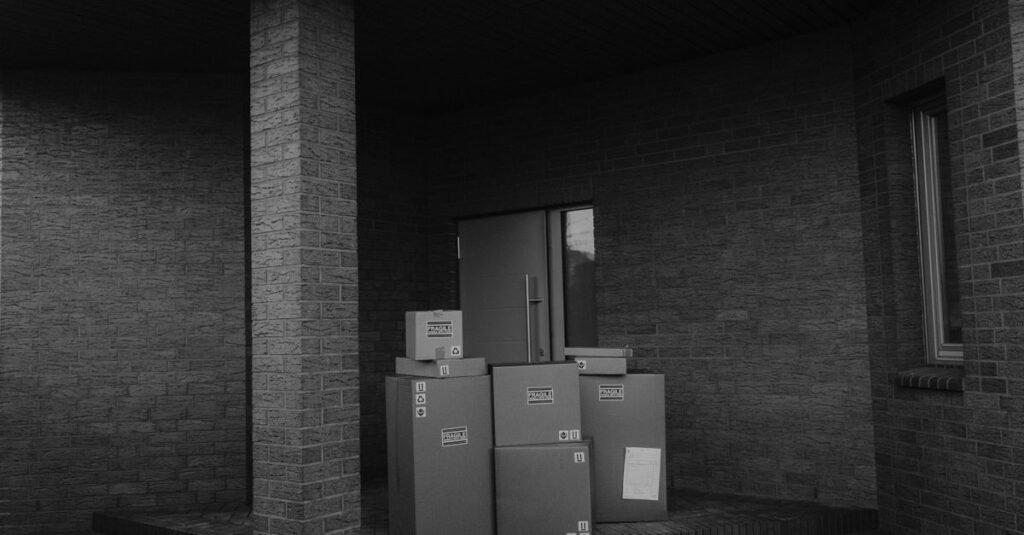
The Holiday Protocol (November Rules)
When parcel season peaks, escalate: consolidate orders (three boxes across a week beats eight across a month), route the gifts — especially the expensive ones — to lockers or pickup exclusively, schedule big deliveries for at-home days, enable signature on anything that would genuinely hurt, and empty the porch BEFORE dusk daily (evening is prime pirate shift in the dark months).
The gift-shipping corollary: when sending to others, use their pickup points or require signatures — the stolen gift is the season’s worst customer-service call. And the returning-home rule after trips: vacation holds exist, are free, and beat every camera ever mounted; a porch of stacked boxes is a “nobody’s home” sign with receipts attached.
When a Package Vanishes Anyway (The Recovery Sequence)
In order, same day: check the delivery photo against your actual porch (mis-delivery to a neighbor is the happy answer surprisingly often), then report to the CARRIER (claim processes exist), the SELLER (major retailers refund or reship stolen-after-delivery packages far more often than people expect — ask plainly), the POLICE non-emergency line (reports feel futile and aren’t: they map hot zones and justify patrols; attach your camera footage), and your CREDIT CARD’s purchase protection (a quietly powerful benefit most cards include and few use).
Then adjust one tier upward: the household that loses a package and changes nothing donates again next month; the one that adds lockers-for-valuables and an alert habit almost never repeats the story. Every layer of this guide exists because someone’s porch taught it.
The Neighborhood Layer (The Fix That Scales)
Individual porches harden; neighborhoods actually win. The block-level toolkit: the delivery text chain (“box on your porch, want me to grab it?” — the single most effective anti-pirate technology ever deployed, cost zero), reciprocal porch agreements with the retired neighbor or the work-from-home one (their daytime presence covers your deliveries; your weekend presence covers theirs), and the camera mesh — when several houses run doorbell cameras, footage assembles into vehicle plates and patterns police can actually use.
The reporting discipline that makes the layer work: every theft reported — to police (patterns drive patrols), to the neighborhood app or chain (warnings spread faster than trucks), and to management or HOA where relevant (documented losses fund parcel lockers). Pirates work streets, not houses; a street that notices, texts, and reports becomes a street they skip entirely — which protects even the neighbor who never read this article.
Start it the easy way: one message to the block chat after your next delivery — “happy to grab packages if you see them on my porch; glad to return the favor.” The system builds itself from there.
Frequently Asked Questions
What actually stops porch pirates?
Removing the sitting box: carrier lockers and pickup points, delivery alerts with fast retrieval, a lockable delivery box for home drops, and a visible doorbell camera as deterrent-plus-evidence. Time-on-porch is the variable that decides everything.
Do doorbell cameras prevent package theft?
They deter casual thieves and document bold ones — the two-way “can I help you?” ends most loiters. But determined pirates grab anyway, so cameras pair with lockboxes and routing rather than replacing them.
Are package lockboxes worth it?
For households with regular deliveries and no at-home daytime presence, they are the strongest hardware answer: parcels drop into locked steel instead of open view. Bolt or weight them per instructions, and label the box for drivers.
Will Amazon or the seller refund a stolen package?
Very often, yes — major retailers routinely refund or reship packages stolen after delivery; report promptly through the order page. Stack the claim with the carrier report, a police report, and your credit card’s purchase protection.
How do I stop package theft at an apartment?
Route to lockers or parcel rooms first, retrieve within the hour of the delivery alert, build the neighbor text-watch, and report every loss to management in writing — documented patterns get lobby cameras and locker installs funded.
Does requiring a signature help?
For genuinely valuable shipments, yes — the package never sits. The trade is redelivery hassle when you miss the driver, which is why signature belongs on the expensive tier while lockers and alerts cover the everyday flow.
The Delivery-Instructions Masterclass (Free Words That Work)
The most underused field in e-commerce is the delivery note, and drivers — who want successful deliveries as much as you do — genuinely follow good ones. The instructions that work: specific and physical (“behind the white planter left of the door”, “inside the unlocked porch, please close the screen”), consistent across every retailer (drivers learn your address’s rule), and updated seasonally (the planter moves; the note should too).
The instructions that fail: vague pleas (“hide the package” produces creativity, not concealment), requests requiring keys or codes drivers can’t use, and multi-sentence essays — drivers scan in two seconds; write for two seconds.
The platform-specific levers: photo-on-delivery is standard now (check the photo against your porch the moment the alert fires — mis-delivery caught in ten minutes recovers itself), preferred-neighbor settings exist on major carriers, and one-time pickup redirects can be triggered mid-transit when travel plans change — the feature everyone learns after the trip, useful before it.
And the addressing hygiene that prevents the other loss category entirely: apartment units on their own line, gate codes in the code field (not the address line where sorting machines choke), and a name at the address matching the buzzer — half of “stolen” packages in buildings were simply never findable. The pirate’s best accomplice is a confusing doorstep; the free fix is a clear one.
The High-Value Shipment Protocol (When the Box Really Matters)
Some deliveries deserve the full ceremony: electronics, jewelry, medication, documents. The stack: ship to a locker or hold-at-location EXCLUSIVELY (the porch never enters the story), require signature as the backstop, schedule for a known-home day when holding isn’t offered, track actively on delivery day rather than discovering the alert at dinner, and photograph the unboxing of anything insured — condition disputes love evidence.
The medication footnote: temperature-sensitive prescriptions add urgency to everything above — most pharmacy shippers offer pickup points and delivery windows; use them, and never let the cooler bag do summer porch time.
The document tier (passports, titles, cards): trackable, signature-required services exist precisely for this — the few extra dollars buy chain-of-custody, and the replacement bureaucracy they prevent is measured in months.
And the quiet insurance audit: know what your cards and policies already cover before paying for shipping insurance twice — purchase protection, homeowner/renter off-premises clauses, and retailer guarantees stack deeper than most people ever claim. The expensive box deserves ten minutes of routing thought; it repays them the one time it matters.
Final calibration: perfect package security is not the goal — being a worse target than the porch across the street is, and lockers-for-valuables plus fast retrieval already clears that bar for pennies. Spend the anxiety on routing, not on gadgets, and the pirates keep driving.
The Bottom Line
Porch piracy is a thirty-second crime against unattended cardboard — and it loses to routing, retrieval speed, locked steel, and a camera’s stare, in that order of value.
Route the valuables, race the alerts, box the rest — and let November find your porch empty, your locker full, and the truck-followers reading someone else’s tracking updates.

I'm Nasir Uddin Khan, founder of HomeNeeds24 and a senior IT consultant with 18+ years' experience in Oracle database administration, enterprise infrastructure and ERP system design. I write the buying guides here and I build every calculator on the site myself, from published engineering standards rather than opinion. My research is structured rather than lab-based: manufacturer specifications, safety and efficiency standards, and the trade-offs that repeat across large volumes of verified customer reviews. Where I have direct hands-on experience — smart home, networking, energy and anything computer-adjacent — I say so in the guide.