
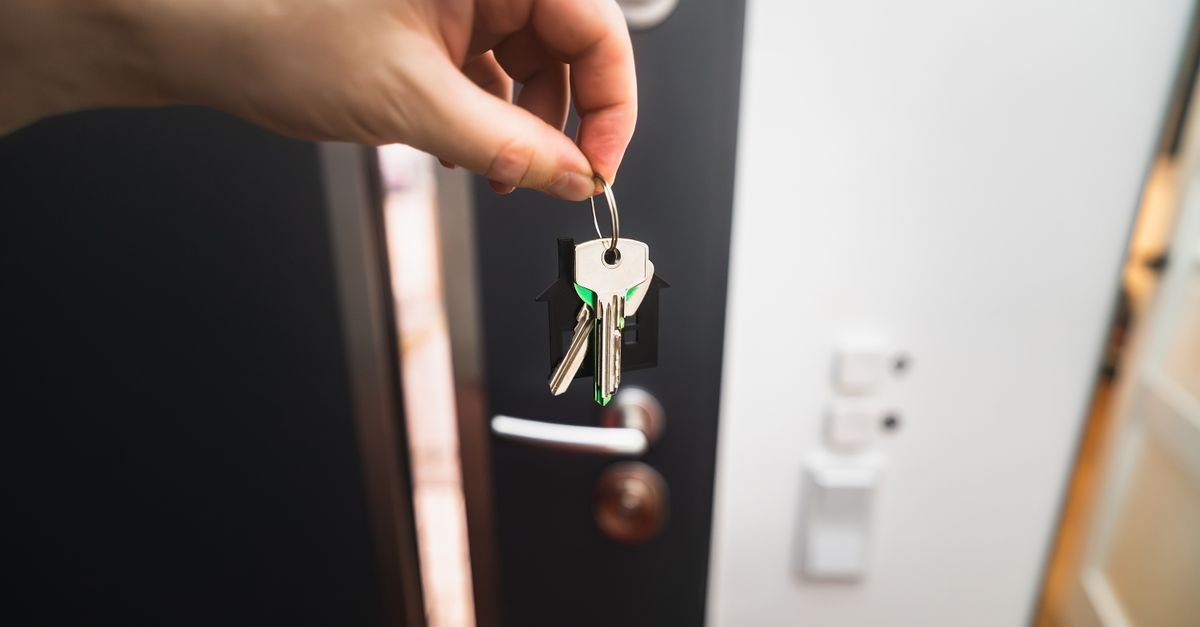
Renter security has one design constraint — no drilling, no rewiring, nothing the landlord keeps — and a full toolkit that respects it: adhesive-mount sensors, retrofit smart locks that keep the landlord’s key working, wedge and bar reinforcements that press instead of screw, and wireless cameras that move out when you do. Apartments are burglarized at higher rates than houses, yet most renters run zero security because they believe the lease forbids it. It doesn’t — it just forbids holes.
Also Read


This is the complete renter security guide: the no-drill toolkit tier by tier, the entry-point audit, what actually deters apartment break-ins, and the move-out test every purchase should pass.
Key Takeaways
- The move-out test governs everything: if it can’t pack into a box and reinstall at the next address, a renter shouldn’t buy it.
- The door is 90% of apartment security: a retrofit smart lock, a reinforcing bar or wedge, and a viewer or doorbell camera cover the main event.
- Adhesive wireless sensor kits (door/window alarms, hub systems) install in an afternoon with zero lease violations.
- Ground-floor and accessible windows get pin locks, sensor alarms, and privacy film — all removable, all cheap.
- Renters insurance is security too: it costs little and is the only tool on this page that works retroactively.
- Landlord cooperation is underused: locks re-keyed at move-in and building-door fixes are reasonable asks that cost you nothing.
Start With the Audit (Fifteen Minutes, One Notepad)
Walk your unit like a burglar would: the front door (what stops a shoulder? what tells you who’s knocking?), secondary doors (patio sliders are the apartment’s famous weak point), windows reachable from ground, balconies, or shared walkways, the building’s front entry (does it actually latch?), and the sightlines (what can be seen from outside — electronics, packages, routines?).
Two questions per point: how would someone get in, and what would tell me they tried? Every purchase below answers one of the two — and the audit stops you buying answers to questions your unit isn’t asking.
Move-in day carries one special task: ask the landlord when the locks were last re-keyed. Previous tenants’ keys are the most boring and most common apartment vulnerability — and re-keying at turnover is a standard, reasonable request (in many places, an obligation).
The Door: Where Renter Security Is Won
Apartment break-ins overwhelmingly come through the door, and every fix is removable. The retrofit smart lock: models that replace only the INTERIOR thumb-turn of the existing deadbolt keep the landlord’s key and cylinder untouched — ten-minute screwdriver install, full smart features (auto-lock, codes, logs), and it moves out with you. Our smart lock guide flags the renter-friendly designs specifically.
The reinforcement tier — because locks only matter if the door resists force: a security bar (floor-braced under the knob) or a portable door lock/wedge adds genuine kick resistance with zero installation; travel versions of the same tools secure hotel rooms, which tells you the design brief. For inward-opening doors these are the highest force-resistance per dollar a renter can buy.
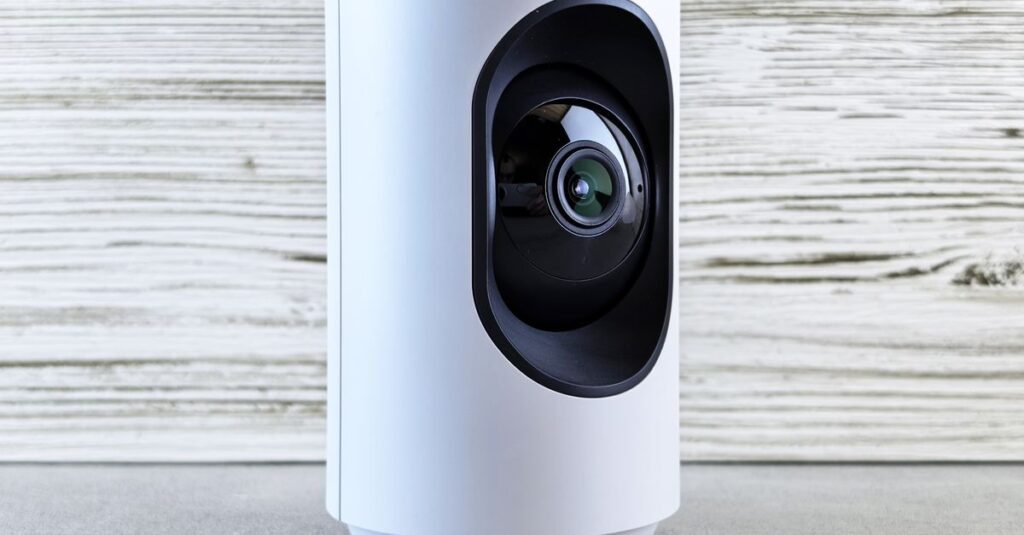
The awareness tier: if the peephole is missing or painted blind, a doorbell camera that mounts with adhesive or hangs over the door (no wiring versions exist precisely for renters) or a simple wide-angle viewer answers the who-knocked question — and packages, the apartment’s other door problem, get their own full playbook in our package theft guide.
Check building rules on anything visible in shared hallways — and note that a camera pointed at your own doormat is a very different conversation than one covering a shared corridor.
The renter-security walkthrough above demonstrates the no-lease-violation toolkit installed in a real apartment — the visual companion to this whole guide.
Windows and Sliders (The Ground-Floor Chapter)
Reachable windows get three removable layers: pin or wedge locks (jam the sash beyond its factory latch — adhesive or pressure-fit versions for the strict-lease crowd), vibration/entry alarm sensors (adhesive, screaming-loud, pennies each), and privacy film (adhesive-static, removable, and the cheapest way to stop the living-room inventory tour from the sidewalk).
The patio slider — every burglar’s favorite apartment door — wants the classic pair: a cut dowel or telescoping bar in the track (lifts out in seconds, defeats the jimmy entirely) plus an anti-lift pin or adhesive slider lock, because old sliders can be lifted OFF their tracks with the latch still closed.
Balcony doors above ground floor still count if the balcony is reachable from stairwells, adjacent units, or climbing points — audit honestly; climbers do.
The Wireless System Tier (An Alarm That Moves With You)
Modern DIY systems were designed for exactly this life: adhesive-mount door/window sensors, motion detectors, a hub that sirens and phones you, optional monitoring with no contract, and total teardown-reinstall time under an hour at the next address. Entry kits cost less than one month of traditional monitoring — and the sticker on the door does its own quiet deterrence.
Indoor cameras complete the tier for renters (pointed at entries, not roommates — consent and privacy apply inside too), with the same rules as every connected device: unique password, two-factor on, firmware updated. A camera with default credentials is a window you installed yourself.
What renters can skip from the homeowner aisle: hardwired anything, doorbell transformers, exterior floodlight cams that demand wiring (plug-in and battery versions exist where you genuinely need them), and whole-perimeter setups scaled for yards you don’t have.
Habits and Paperwork (The Free Tier That Outperforms Gadgets)
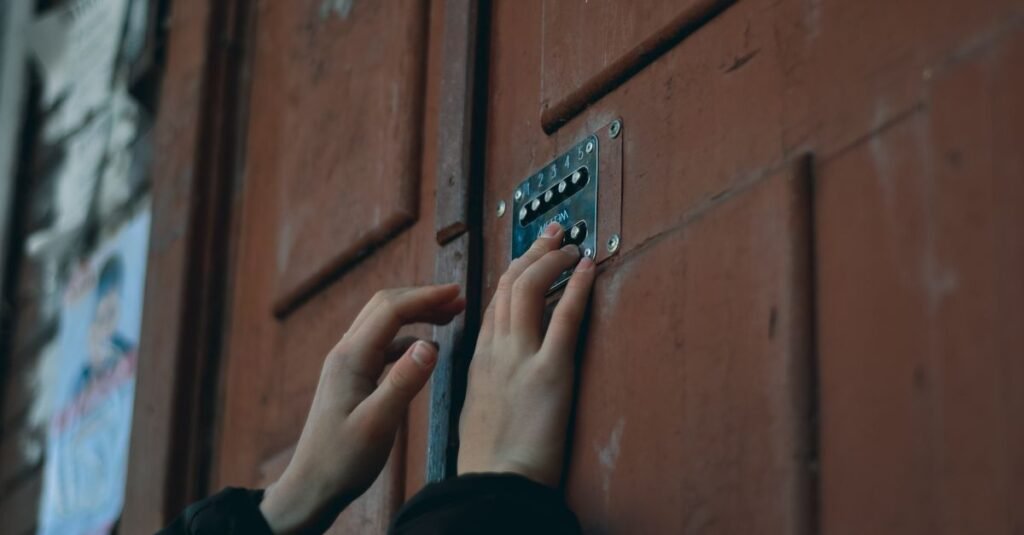
The behavior layer: lock the door on every exit AND while home (the unlocked-while-home apartment is a statistical gift), don’t label keys with unit numbers, don’t buzz in strangers or hold the secure door for unknown “deliveries” (tailgating beats lockpicking a hundred to one in buildings), and keep valuables out of window sightlines.
The community layer: know the neighbors on your floor — buildings where neighbors nod at strangers have measurably fewer break-ins than towers of the anonymous; the group chat that notices a propped door is a security system with zero hardware.
The paperwork layer: renters insurance — absurdly cheap, covers theft even outside the unit (the stolen laptop at the café counts), and the only item on this page that helps AFTER something goes wrong. Photograph valuables and serial numbers into a cloud album; the twenty-minute inventory doubles every future claim.
And the landlord layer: report broken building doors, dead entry lights, and busted intercoms in writing — building security is their obligation, your leverage is documentation, and the fix costs you nothing. The wider home playbook lives in our home security device guide and break-in prevention manual.
The Move-In Weekend Protocol (Security in the First 48 Hours)
New addresses are most vulnerable in their first weeks — routines unknown, boxes advertising new electronics, previous keys unaccounted for — so the security setup belongs in the move-in weekend, not month three. The sequence: the landlord re-key conversation before the first night, the door package installed Saturday (retrofit lock plus bar — twenty minutes total), sensors stuck to accessible windows Sunday, the slider bar cut to length, and the broken-down boxes taken OUT to recycling rather than stacked curbside as a new-TV billboard.
The first-week extras that cost nothing: meet the immediate neighbors (the mutual-notice network starts with hello), walk the building at night once to see the lighting and locks as a stranger would, report anything broken in writing while move-in energy is high, and photograph the valuables for the insurance inventory while everything is already out of boxes — the one organizational task moving actually makes EASIER.
Forty-eight hours, well under two hundred dollars, and the apartment enters week two more secure than most units ever get.
Frequently Asked Questions
How can I secure my apartment without drilling?
Adhesive and pressure tools cover everything: retrofit smart locks on the existing deadbolt, floor-braced door bars, adhesive window sensors and pin locks, track bars for sliders, and wireless camera/alarm kits — all reinstallable at your next address.
Can my landlord stop me from adding security?
Leases restrict alterations — holes, wiring, lock replacements — not removable devices. Retrofit locks that keep the landlord’s key, adhesive sensors, and freestanding bars sit safely inside almost every lease; visible hallway cameras deserve a rules check first.
What’s the single best security upgrade for a renter?
The door package: a retrofit smart lock (auto-lock ends the did-I-lock-it commute) plus a force-resisting bar or wedge. Apartment break-ins are door stories; harden the door and the statistics move for you.
Are DIY wireless alarm systems any good?
The current generation is genuinely capable: loud, phone-connected, optionally monitored with no contract, and designed for adhesive install and move-out. Entry kits cost less than a takeout week and cover an apartment completely.
How do I secure a sliding patio door?
A dowel or telescoping bar in the bottom track defeats jimmying, and an anti-lift pin or adhesive lock stops the door being lifted off its rails — the two-dollar pair that closes the apartment’s most famous entrance.
Is renters insurance really a security measure?
It is the only retroactive one: for a small monthly cost it converts a burglary from a financial disaster into paperwork. Pair it with a photo-and-serial-number inventory saved to the cloud, and every other tool on this page gets a safety net.
Roommates, Sublets, and the Shared-Unit Wrinkles
Shared apartments add human factors no gadget covers. The roommate protocols: every leaseholder gets their own smart-lock code (shared codes make the entry log useless and departures messy), key-copy discipline is a house agreement (one roommate’s casual copy for a partner is everyone’s exposure), and the sublet season — summer especially — means temporary codes with end dates, never handed metal keys.
The turnover ritual when anyone moves out: their code deleted the same day, the WiFi password rotated (smart devices remember networks), any shared camera accounts audited, and — the awkward-but-standard ask — building fobs and mail keys returned and counted.
The valuables layer inside shared space: a small anchored lockbox or locking drawer for documents, spare cards, and the passport tier — not because roommates steal, but because their guests, movers, and weekend visitors are strangers to YOU. Renters insurance, note well, covers each policyholder’s property individually — one roommate’s policy does not blanket the household, so each name needs its own cheap policy.
None of this requires suspicion — it requires the same systems thinking as the door hardware: access that expires, logs that mean something, and locks that don’t depend on everyone’s friends being as careful as you.
The Budget Builds (Three Kits, Priced Honestly)
The under-$50 weekend: a portable door bar or wedge lock, a two-pack of adhesive window alarms, a slider dowel cut at the hardware store, and privacy film for the exposed pane — the essentials tier that already beats most units in the building.
The under-$150 standard: add the retrofit smart lock (auto-lock plus codes) and a plug-in indoor camera facing the entry — the kit this whole guide considers the renter’s sweet spot, still screwdriver-only.
The under-$300 complete: the standard kit plus a wireless sensor system with hub and siren, a doorbell camera where building rules allow, and renters insurance for the year — full-perimeter awareness at less than one month’s parking in most cities.
What no tier includes, deliberately: anything drilled, wired, or landlord-owned — and anything bought before the fifteen-minute audit says the unit actually asks for it. Spend against your doors and windows as they exist, not against the aisle’s imagination of them; the audit-first rule is where renter budgets stop leaking.
The Renewal-Day Audit
Lease renewals are the built-in security review nobody uses: re-walk the fifteen-minute audit annually, re-ask the re-key question if turnover happened nearby, update the insurance inventory with the year’s purchases, and renegotiate the broken-fixture list while goodwill is on the table. Five minutes of paperwork season, and the apartment enters each year as hardened as its first hardened week.
And the perspective that steadies the whole project: most apartment burglars are opportunists testing handles — the unit with a bar-backed door, alarmed windows, and a camera sticker is not worth their morning, and that, cheaply and removably, was the entire assignment.
The Bottom Line
Renter security is homeowner security with a screwdriver instead of a drill: harden the door, alarm the openings, film the sightlines, insure the rest — and let every purchase pass the move-out test before it passes checkout.
The lease was never the obstacle. The myth that renters can’t have security was — and it just ran out of excuses.

I'm Nasir Uddin Khan, founder of HomeNeeds24 and a senior IT consultant with 18+ years' experience in Oracle database administration, enterprise infrastructure and ERP system design. I write the buying guides here and I build every calculator on the site myself, from published engineering standards rather than opinion. My research is structured rather than lab-based: manufacturer specifications, safety and efficiency standards, and the trade-offs that repeat across large volumes of verified customer reviews. Where I have direct hands-on experience — smart home, networking, energy and anything computer-adjacent — I say so in the guide.