
Home safety isn’t about turning your house into a fortress — it’s about removing the easy opportunities for things to go wrong, whether that’s a break-in, a fire, or an accident. Most home security and safety improvements are surprisingly affordable, and the peace of mind they bring is worth far more than they cost. The key is covering the basics well before worrying about anything elaborate.
Also Read


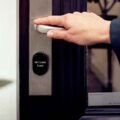
This guide covers the essential devices and steps to protect your home and the people in it. It moves from the fundamentals every home should have to the smart upgrades worth considering, so you can build real protection without overspending or overcomplicating.
Start With Life-Safety Basics
Before any anti-theft device, make sure your home protects against the dangers most likely to cause serious harm: fire and carbon monoxide. These basics save lives and cost very little.
Smoke and Carbon Monoxide Alarms
Working smoke alarms on every level of the home are non-negotiable, and carbon monoxide detectors are essential anywhere there’s a fuel-burning appliance. Test them regularly and replace batteries on schedule. Interconnected alarms that all sound together give earlier warning throughout the house. This is the single most important safety investment you can make, and it’s inexpensive.
Fire Extinguishers and an Escape Plan
Keep a suitable fire extinguisher accessible, especially near the kitchen, and make sure everyone knows how to use it. Just as important is a simple escape plan — knowing two ways out and a meeting point. Practicing it once turns panic into a plan when seconds matter.

Secure the Entry Points
Most break-ins happen through doors and windows, often because they were easy targets. Strengthening these reduces risk dramatically.
Quality Locks
Solid deadbolts on exterior doors are the foundation of home security. Reinforcing door frames and strike plates makes doors far harder to force. Smart locks add convenience — keyless entry, remote locking, and the ability to grant temporary access — while removing the risk of keys under the mat. Whatever you choose, the goal is making forced entry slow and difficult.
Window Security
Windows are a common weak point. Secure latches, locks, and for ground-floor or vulnerable windows, additional reinforcement deter opportunists. Simply keeping windows locked when you’re out closes one of the easiest entry routes.
Add Visibility With Cameras and Lighting
Visibility deters intruders and gives you eyes on your property. A video doorbell lets you see and speak to whoever’s at the door, whether you’re home or away, and records activity for later. A couple of well-placed security cameras cover key approaches and provide reassurance and evidence if needed. Look for clear footage, reliable motion alerts, and secure storage of recordings.
Motion-Activated Lighting
Few things deter a would-be intruder like sudden light. Motion-activated lights around entry points and dark areas of the property remove the cover of darkness cheaply and effectively. They also add everyday safety, lighting your way to the door at night.

Smart Security and Monitoring
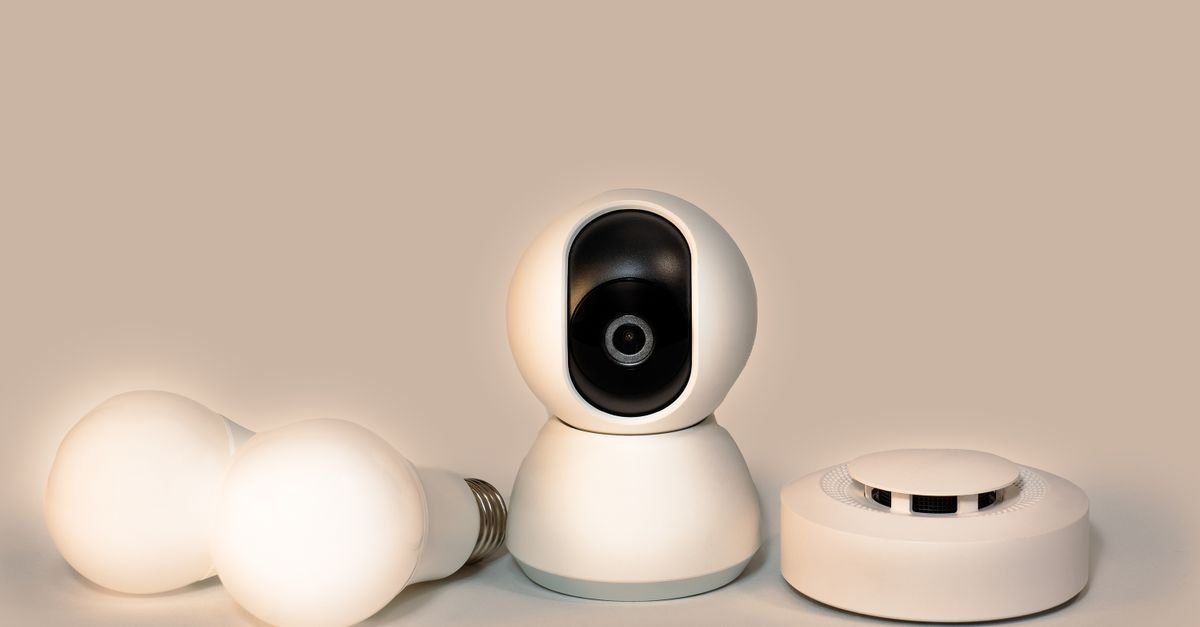
Smart-home technology makes home security more accessible than ever. Sensors on doors and windows alert you to openings, and a connected system can notify your phone instantly of unusual activity. Many setups let you arm, disarm, and monitor everything remotely, and some integrate alarms, cameras, and locks into a single app. You can start small with a few sensors and a camera, then expand. Whether you add professional monitoring or self-monitor is a personal choice based on budget and preference.
Don’t Overlook Everyday Safety
Security isn’t only about intruders. A safe home also guards against everyday accidents. Keep walkways and stairs well-lit and clear of clutter to prevent falls. Secure heavy furniture that could tip, especially around children. Store medicines, chemicals, and sharp tools safely. A small first-aid kit and knowing where your main water and power shut-offs are can make a real difference in an emergency. These quiet precautions prevent the accidents that are far more common than break-ins.
Build Layers, Not a Single Wall
Good home protection is layered. No single device makes a home safe, but combining life-safety alarms, strong locks, visibility from cameras and lighting, and sensible everyday precautions creates overlapping protection. An intruder facing locked, reinforced doors, bright motion lights, and a visible camera is far more likely to move on. Start with the basics, add layers over time, and your home becomes genuinely secure without a single expensive purchase doing all the work.
The Security Audit (Walk Your House Like a Burglar)
Before buying a single device, take the fifteen-minute adversarial walk: outside first — which windows are hidden from the street? Which door has the weakest light? Where would YOU try first? (Statistically: the front door, the first-floor window, and the garage side door, in that order.) Check the reachable weaknesses — the spare key under the mat (retire it today; a coded lockbox costs little), the garage opener visible in the parked car, the ladder stored helpfully against the fence, and the social-media vacation announcements that undo every device below. Inside — could you find the valuables in five minutes? A burglar averages eight to ten minutes total; the master bedroom is always searched first, which makes it the worst safe location and the guest-room closet or a decoy spot quietly better. The audit’s output is a ranked list — and it almost always ranks lighting, locks, and habits above any camera, which is exactly the order the budget should follow.
Layer One: Locks, Doors, and the Physical Basics
Security theater starts with hardware honesty: the strike plate — most forced entries defeat the door FRAME, not the lock; a reinforced strike plate with 3-inch screws into the stud is the highest-value ten dollars in this entire pillar; deadbolts — a quality Grade 1 or 2 deadbolt on every exterior door, thrown every time (the audit’s most common finding: excellent deadbolts, unused); the sliding door — a dowel or security bar in the track plus an anti-lift pin, because sliders are the classic quiet entry; window locks — pin locks or keyed latches on ground-floor and accessible windows, and the basement’s forgotten panes; the garage — the overhead’s emergency release zip-tied against the coat-hanger trick, the interior door treated as an exterior one (deadbolt, always locked), and the opener moved from the car’s visor to a keychain remote. None of this glows or connects to an app — and it stops more entries than everything that does.
Layer Two: Light and Sightlines (The Cheap Deterrents)
Burglars are shoppers avoiding attention, and light is attention: motion floodlights at every approach — front, garage side, and the dark back corner the audit found; solar versions now perform well enough for the drill-averse; dusk-to-dawn porch light (or a smart bulb schedule) so the entry never sits dark; interior presence lighting — two or three lamps on randomized smart-plug schedules read “home” better than one eternal hall light (the smart-home pillar’s away-scene, on security duty); sightline landscaping — hedges below window height, tree canopies above head height, and thorny plantings under vulnerable windows: the garden as a security layer (the outdoor pillar’s only defensive chapter); house numbers visible — the layer nobody counts until emergency services need them. Light-and-sightline work costs a weekend and deters more effectively per dollar than any camera — cameras record; light prevents.
Layer Three: Cameras and Doorbells (Bought Like an Adult)
The camera aisle rewards a checklist: the video doorbell — the category’s genuine star: package theft deterrence, visitor screening, and the “we see you” signal at the statistically-preferred entry; battery models install renter-friendly in minutes. Exterior cameras — cover the approaches the audit ranked (driveway, back entry), mounted high with clean sightlines, and weatherproof-rated honestly; the storage decision — local storage (SD/hub) means no subscription and footage that survives internet outages; cloud means access-anywhere and survives camera theft: many households run one of each; the privacy constitution — cameras face YOUR property, never a neighbor’s windows; indoor cameras (if any) stay in entry zones, never private rooms, with hardware shutters respected and the household’s consent explicit — the smart-home pillar’s cameras-last doctrine exists because these are decisions, not gadgets; the sticker — yes, the yard sign and window decals measurably deter; yes, even without the system they advertise (though the system is better).
Layer Four: Alarms, Monitoring, and the Response Question
Detection only matters if something responds: DIY alarm kits — door/window sensors, motion detector, siren, and app alerts assemble in an afternoon at a fraction of legacy-installer prices; self-monitored means your phone is the response center (free, fine for many, useless in a movie theater); professional monitoring — the monthly fee buys a human who calls the dispatch you can’t; the modern DIY-install-plus-pro-monitoring hybrid is the value sweet spot; siren psychology — burglars leave at noise; the siren’s job is seconds, not minutes; the safety net beyond burglary — monitored smoke/CO listeners and the leak sensors that pay for whole systems in one save; and the test ritual — monthly siren test, quarterly sensor-battery sweep, entry codes rotated when cleaners or contractors change. An unarmed system is décor: the arming habit (the goodnight scene automates it) is the feature that matters most.
The Human Layer (Habits Beat Hardware)
Every professional assessment ends here: the locking habit — doors and reachable windows locked at night and at every departure, garage included (the majority of “break-ins” involve no breaking); the key discipline — no hide-a-keys, a coded lockbox for emergencies, and codes over copies for recurring visitors; the vacation protocol — mail held or collected, deliveries paused or neighbored, one car in the drive if possible, lighting scenes running, social posts AFTER the trip; the neighbor network — the mutual eyes-on arrangement that out-performs any camera, formalized with a text thread; the door answer policy — speak through the doorbell or door, never open for unexpected “utility workers” without called-in verification; and the household drill — everyone knows the alarm codes, the safe word for kids, and where the flashlights live. Hardware raises the cost of entry; habits remove the invitation — and the audit that started this pillar is worth re-walking every year.
Renters’ Security (Deposit-Safe, Fully Real)
Every layer has a no-drill version: portable door reinforcements — the door-brace bar and the portable travel lock harden a rental door in seconds and move out with you; adhesive and battery everything — sensors, sirens, battery video doorbells over the existing peephole, and cameras on shelf mounts rather than screws; the landlord letter — strike-plate screws and a deadbolt upgrade are property improvements most owners approve when asked in writing (frame it as their asset’s value); renter’s insurance — the layer renters skip most and need first: it prices like a takeout meal monthly and is the actual financial recovery plan; the same habits — locking discipline, lighting scenes on smart plugs, the neighbor thread, and the vacation protocol all rent-proof at zero deposit risk. The renter’s stack — brace, sensors, doorbell, insurance, habits — covers the burglar’s whole decision tree without a single hole in the wall.
Security by Scenario (The Situational Chapters)
Apartments — the threat model shifts to the building: the unit door gets the reinforcement attention, package theft dominates (doorbell camera + delivery lockers or pickup points), and the buzzer discipline (“never buzz strangers”) protects every neighbor. Travel weeks — the vacation protocol plus a trusted keyholder, water main considered for long trips (the leak sensor’s silent months matter most now). Home offices and gear-heavy homes — serial numbers photographed, high-value items in the insurance rider, and the visible-from-the-window setup curtained after dark. Kids home alone — the door-answer policy drilled, codes memorized not written, and the camera doorbell doubling as their screening tool. Elderly relatives — simplicity outranks features: one-button arming, automatic locking, and the monitored-response tier earning its fee. Each scenario re-ranks the same layers; none of them adds exotic hardware.
What Security Actually Costs (Three Honest Builds)
The $150 weekend: reinforced strike plates and 3-inch screws on every exterior door, two motion floodlights, window pin locks, a lockbox retiring the hide-a-key, and the yard signs — the physical-and-light layers that stop the majority of opportunistic attempts. The $450 build: add the video doorbell, a DIY sensor kit with siren, smart-plug lighting scenes, and one exterior camera on the audit’s worst approach — detection and deterrence, self-monitored. The $900+ build: professional monitoring on the DIY hardware, a second camera, a smart lock for code-based access, and the monitored smoke/CO layer — the full-stack version that also trims many insurance premiums (ask your insurer; documented systems routinely earn discounts that offset monitoring fees). Every build starts with the same $0 item: the audit walk and the locking habit — the layers no budget can buy past skipping.
Security Myths, Quickly Retired
“Burglars strike at night” — daytime, while homes sit empty for work, is the statistical peak; the lighting layer matters, but the mail-and-presence layer matters more. “A camera prevents break-ins” — cameras record and sometimes deter; locks, light, and occupancy signals prevent; buy in that order. “Dogs are security systems” — barking deters opportunists (genuinely), but the dog is family, not infrastructure; treat the deterrence as a bonus, never the plan. “My neighborhood is safe, so…” — opportunistic entry follows unlocked doors everywhere; the habit layer is postcode-independent. “Alarms annoy neighbors and get ignored” — the siren’s job is to make the intruder leave in seconds, which it does regardless of who investigates. “It won’t happen to us” — the entire pillar costs less than one deductible; the math never favors the shrug.
The Security Master Checklist (One Card)
The audit: the burglar walk yearly — approaches, sightlines, reachable weaknesses, hide-a-keys retired. Physical: reinforced strike plates + 3-inch screws, Grade 1-2 deadbolts thrown always, slider bars and pins, window locks, garage treated as a door. Light: motion floods on every approach, dusk-to-dawn entry light, interior presence scenes on smart plugs. Electronics: video doorbell first, cameras on the ranked approaches, DIY sensors + siren, monitoring by lifestyle, monthly test, codes rotated. Habits: the locking discipline, vacation protocol, neighbor thread, door-answer policy, serials photographed, insurance current. Order of spend: habits → hardware → light → detection → monitoring — cheapest first, and each layer multiplies the last.
Start This Weekend (The First Three Moves)
Saturday morning: the fifteen-minute burglar walk with a notepad — the ranked list writes your shopping trip. Saturday afternoon: the hardware run (strike plates, long screws, window pins, lockbox, two floodlights) and the install — the entire physical layer in one afternoon of satisfying work. Sunday: the lighting scenes built on smart plugs, the neighbor text thread started, and the household five-minute briefing (codes, door policy, where things live). Total spend: a modest dinner out; total effect: the opportunistic majority of attempts now bounce off your address — and every future layer lands on a foundation instead of a wish.
How This Pillar Connects to the Rest of the Library
Security is one system inside a larger home, and the layers borrow from every shelf of this library: the lighting layer runs on the same smart plugs and warm-bulb logic as the ambience guides — one purchase, two jobs; the entry zone that a burglar reads for weakness is the same entryway the styling guides organize for daily life, and a tidy, lit, obviously-managed entrance signals an attentive household to both guests and prowlers; the seasonal rhythm — floodlight bulbs checked at the autumn changeover, vacation protocol before summer trips, battery swaps when the clocks change — rides the same maintenance calendar as gutters and filters. Even the deck box from the outdoor-living pillar earns a security line: gear stored out of sight is gear never window-shopped. Read the safety layer as a lens over the whole home, not a separate hobby — every organizing, lighting, and maintenance habit in this library quietly hardens the house as a side effect.
A Note on Peace of Mind (The Real Product)
The layers in this guide sell one thing, and it is not hardware: it is the ability to leave for a week, sleep through a storm, or send a kid home to an empty house without the background hum of worry. That return arrives the first weekend, before any camera ships — the moment the doors are actually locked, the approaches actually lit, and the plan actually written. Buy the electronics for evidence and alerts; build the habits for the peace. The habits are free, they never need charging, and no burglar has ever defeated a household that simply does them.
Frequently Asked Questions
What’s the most important home safety device?
Working smoke and carbon monoxide alarms — they protect against the dangers most likely to cause serious harm and cost very little. Install them on every level and test them regularly.
How can I improve home security on a budget?
Fit quality deadbolts, keep windows locked, add motion-activated lighting, and install a video doorbell. These deliver strong protection for a modest cost.
Do I need professional monitoring?
Not necessarily. Many modern systems let you self-monitor through your phone with instant alerts. Professional monitoring adds a response layer but costs more — it’s a personal choice based on budget and peace of mind.
Where are the weakest points in home security?
Doors and windows, especially when left unlocked or fitted with weak locks. Strengthening locks and frames and keeping everything locked closes the easiest entry routes.
Key Takeaways
- Start with life-safety basics: smoke and carbon monoxide alarms, a fire extinguisher, and an escape plan.
- Secure doors and windows with quality deadbolts, reinforced frames, and reliable locks.
- Add visibility with a video doorbell, cameras, and motion-activated lighting.
- Use smart sensors and monitoring to get instant alerts and remote control — start small and expand.
- Protect against everyday accidents too, and build layered protection rather than relying on one device.
Protecting your home is about covering the basics well and adding sensible layers over time. Life-safety alarms, strong locks, visibility, and everyday care give you real security and genuine peace of mind. For more practical advice, visit our home guides and the full Home Safety & Security collection.
More Home Safety & Security Guides & Reviews
- Apartment Security for Renters: The No-Drill Toolkit That Moves With You
- What are Modern Solutions for Home Safety?: Smart Tech Tips
- Best Security Gadgets
- How To Secure Your Home Against Break-Ins: Protecting Your Family and Property
- Best Smart Video Doorbell Cameras 2026: Top Picks for Home Security
- How to Prevent Package Theft: Beat the Porch Pirates at Their Own Math
- Outdoor Security Lighting: The Placement Map That Actually Deters
- How to Choose the Best Home Security System? Unveil the Secrets!
- Top 5 Affordable Smart Home Security Devices for Families
- Childproofing Your Home: A Room-by-Room Safety Guide

I'm Nasir Uddin Khan, founder of HomeNeeds24 and a senior IT consultant with 18+ years' experience in Oracle database administration, enterprise infrastructure and ERP system design. I write the buying guides here and I build every calculator on the site myself, from published engineering standards rather than opinion. My research is structured rather than lab-based: manufacturer specifications, safety and efficiency standards, and the trade-offs that repeat across large volumes of verified customer reviews. Where I have direct hands-on experience — smart home, networking, energy and anything computer-adjacent — I say so in the guide.