

Outdoor space is some of the most underused square footage in a home. A patio, balcony, garden, or backyard can become a genuine extension of your living space — a place to relax, eat, and gather — with far less effort and money than people assume. The difference between a neglected yard and an inviting outdoor room usually comes down to a handful of intentional choices.
Also Read



This guide covers practical outdoor living ideas to transform your patio, garden, and backyard into spaces you’ll actually use. It works whether you have a sprawling yard or a small balcony, focusing on comfort, function, and atmosphere rather than expensive landscaping.
Define How You Want to Use the Space
Before buying furniture or plants, decide what the space is for. A spot for morning coffee, a dining area for entertaining, a play space for kids, and a quiet reading nook all call for different layouts. Many outdoor areas try to be everything and end up feeling unresolved. Choosing one or two main purposes gives the space a clear identity and makes every other decision easier.
Think about how the area is used through the day too — where the sun falls, which spots stay shaded, and where you’d naturally want to sit. Working with the space’s natural conditions beats fighting them.
Create a Comfortable Seating Area
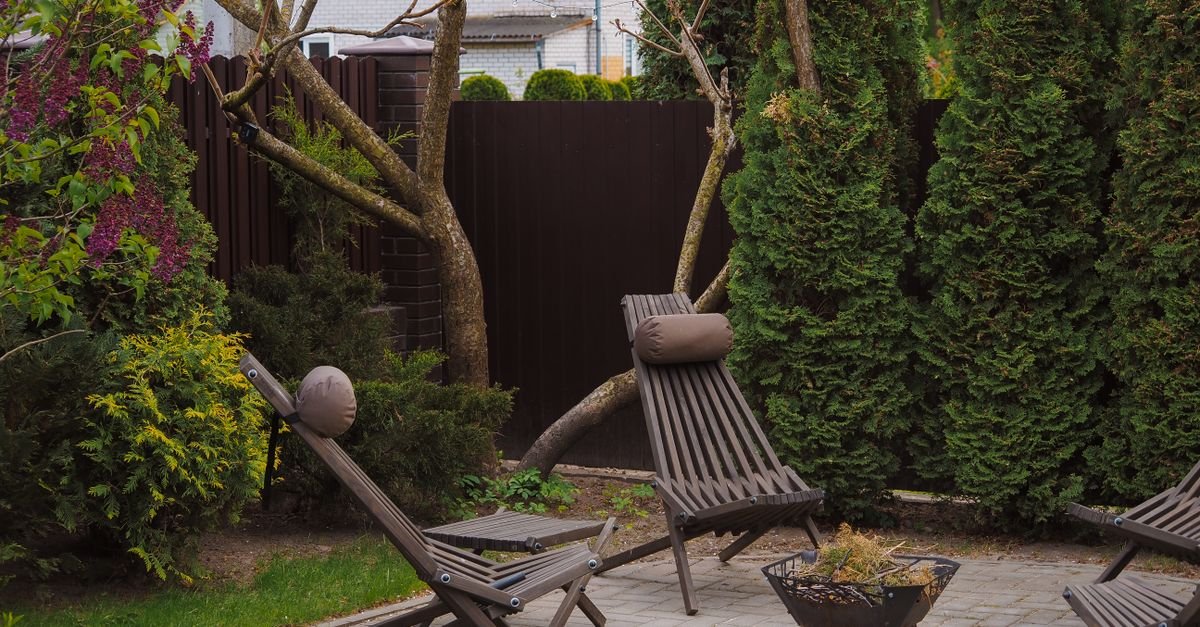
Comfortable seating is what turns an outdoor space from a place you pass through into one you linger in. You don’t need a huge set; even a couple of comfortable chairs and a small table create an inviting spot. For larger areas, a proper outdoor sofa or sectional makes the space feel like an outdoor living room.
Choose Weather-Ready Materials
Outdoor furniture takes a beating from sun and rain, so durable, weather-resistant materials are worth prioritizing. Cushions with quick-drying, fade-resistant covers stay usable and comfortable through the seasons. Investing in pieces that survive the elements saves money over replacing cheap furniture that degrades within a year.
Add Shade and Shelter
Usable outdoor space needs protection from the elements. Without shade, a patio bakes in summer and goes unused. An umbrella, pergola, awning, or even a simple shade sail extends how often and how long you can enjoy the area. Shelter from light rain or wind stretches the usable season further still. Comfort is what makes people actually go outside, and shade is a big part of it.
Set the Mood With Outdoor Lighting
Lighting transforms an outdoor space after dark and is one of the most affordable, high-impact upgrades. String lights overhead create instant warmth and atmosphere. Solar path lights add safety and charm without wiring. Lanterns and candles bring intimacy to a dining or seating area. Good lighting effectively doubles your usable hours, turning the space into somewhere you’ll want to be in the evening, not just during the day.

Bring in Greenery and Color
Plants are what make outdoor spaces feel alive and inviting, and they work at any scale. A few large potted plants define and soften a patio. Climbing plants on a trellis add privacy and greenery vertically, perfect where ground space is limited. Even a small balcony can hold containers, hanging baskets, or a compact herb garden. Choose plants suited to your light and climate so they thrive with minimal fuss, and group containers in varied heights for a fuller, more designed look.
Privacy Planting
If your space feels exposed, greenery is a natural solution. Tall planters, hedging, or climbers on a screen create a sense of enclosure that makes an outdoor room feel private and relaxing without building walls.
Make It Functional for Entertaining
If you’ll host outside, a few additions go a long way. A grill or outdoor cooking area lets you entertain without running back and forth to the kitchen. A side table or bar cart keeps drinks and food within reach. Enough seating, a clear flow, and a shaded gathering spot make outdoor entertaining effortless. You don’t need an elaborate outdoor kitchen — just the basics that let people relax and stay a while.
Small Spaces and Balconies Count Too
You don’t need a large yard to enjoy outdoor living. A balcony or tiny patio can become a favorite spot with a compact bistro set, a few plants, soft lighting, and a weatherproof rug to define the area. Vertical gardening and folding or stackable furniture make the most of limited space. The same principles — comfort, greenery, shade, and atmosphere — apply at any size.

The Zone Method (Plan the Outdoors Like Rooms)
Outdoor spaces fail as yards and succeed as rooms: name the zones first — dining (near the kitchen door; food travels badly), lounging (the view seat — face it toward the garden, not the fence), cooking (downwind, near but not against the house), play (visible from the kitchen window), and the utility strip (bins, storage, compost — screened, not banished). Let traffic write the paths — the worn grass line IS the desire path; pave where feet already vote. Scale furniture to the zone exactly as indoors (the tape-measure rules work on decks too — a six-person dining set on a two-person balcony is the outdoor version of the oversized sofa). One focal point per zone — the fire bowl, the view, the tree — and seating arranged to it. The method’s payoff: even a small patio “lives” like two or three rooms instead of one awkward slab, and every later purchase has an address before it’s bought.
Outdoor Furniture: The Materials Truth
Outdoor furniture is a weathering contest, and materials decide the winners: powder-coated aluminum — the modern default: rustproof, light, decade-scale life; teak and dense hardwoods — the buy-once tier: silver gracefully or oil annually, outlive everything; steel — sturdy and heavy, honest only when the coating is (chips rust); HDPE poly lumber — the faux-wood recycled boards: zero maintenance, fade-proof, increasingly the Adirondack standard; wicker honesty — natural wicker is an indoor material on vacation; only resin/synthetic wicker survives outside; cushion law — solution-dyed acrylic fabrics resist fade and mildew; everything else is a season-long rental, and cushion STORAGE (a deck box) doubles any fabric’s life. The buying rhythm mirrors the indoor guide: sit-test, lift-test (wind topples featherweight pieces), and the sales-calendar note that outdoor furniture collapses in price from late July.
Shade and Shelter (The Comfort Multiplier)
Unshaded patios get used two hours a day; shaded ones all afternoon: the cantilever umbrella — the flexible default: real coverage, no post in the conversation circle, ALWAYS closed in wind and weighted honestly (the base sizes on the box are optimistic); shade sails — architectural, inexpensive, and renter-possible with the right anchor points; angle them for runoff; pergolas — the investment tier: define the outdoor room permanently, host string lights and climbing plants, and take louvered or fabric roofs for real weather range; the fast tier — a pop-up gazebo for events and market umbrellas for small tables. Rain strategy is the shade question’s sibling: a covered strip near the house (even a broad eave plus a dry bench) keeps the outdoor room open in drizzle — the difference between a fair-weather patio and a three-season one, before any heater enters the budget.
Outdoor Lighting (The Evening Unlock)
Evening is when outdoor rooms earn their keep, and the lighting follows the indoor pillar’s layers: string lights — the category hero: warm-white bulbs zigzagged or perimeter-run overhead turn any slab into an occasion (guide wires and proper hooks beat draping over branches); path and step lights — solar stakes have matured into genuinely useful; place at level changes first (safety), aesthetics second; zone lamps — rechargeable outdoor table lamps and lanterns bring the indoor lamp-layer doctrine outside, warm and portable; up-lighting — one or two ground spots on the good tree or wall texture add the depth that flat porch light never delivers; fire — the fire bowl or chiminea is lighting, heating, and the focal point in one purchase (local rules and clearances respected); and the switch discipline — everything on smart plugs, timers, or solar so the evening scene runs itself per the scene logic. Warm temperature everywhere — the 2700K rule survives the doorway.
The Balcony and Small-Space Program
Every zone principle compresses onto four square meters: one honest zone — a bistro set OR two loungers, not a furniture sampler; go vertical — rail planters, wall trellises, and a slim shelf tower carry the garden without floor cost; the rug trick — an outdoor rug defines the “room” instantly and warms concrete underfoot (the size rules apply in miniature); weight and wind honesty — balconies have load limits and wind tunnels; heavy pots stay near the wall, light furniture gets clipped or weighted, and nothing flies in a storm; privacy screens — reed fencing, outdoor curtains on a tension rod, or a planted trellis convert overlooked into enclosed; the renter clause — everything above installs without a drill, per the deposit-safe doctrine. A styled balcony adds a genuine room to an apartment — the highest square-meter ROI in this entire pillar.
The Seasonal Rhythm (Open, Maintain, Close)
Outdoor rooms run on a calendar: spring opening — furniture washed (soap and hose beat pressure-washer enthusiasm on wood), cushions out of the deck box, umbrella mechanisms oiled, string lights tested, pots refreshed; midseason maintenance — the monthly ten-minute sweep: tighten what wobbles, deadhead what browned, restock the citronella; autumn closing — cushions cleaned and stored DRY (mildew is a storage crime, not a weather one), furniture covered or gathered under shelter, terracotta pots emptied (frozen wet soil cracks them), water features and hoses drained; winter — the covered zone keeps a two-chair outpost for the brave, and the string lights stay up (winter evenings need them most). The rhythm’s economics mirror every maintenance section in this library: an hour per season quadruples furniture life and makes each spring an opening, not a restoration.
The Container Garden Program (Green Without the Landscaping)
Planting is the outdoor room’s soft furnishing, and containers make it renter-proof and beginner-proof: the big-pot rule — three large pots beat ten small ones (small pots dry hourly and read cluttered; the scale doctrine, planted); the thriller-filler-spiller formula — one tall statement, mid-height mass, trailing edge: the container recipe that always photographs composed; right plant, real light — count the zone’s actual sun hours before buying (the plant tag’s “full sun” means six-plus); herbs and tomatoes for the bright dining zone, ferns and hostas for the shaded lounge corner; watering honesty — containers are thirsty pets: self-watering pots, a drip kit on a timer, or the honest choice of drought-tolerant Mediterranean herbs and succulents; seasonal swaps — spring bulbs to summer color to autumn grasses keeps three moments a year for one set of pots. The living layer is what separates “furnished patio” from garden room — and containers deliver it a weekend at a time.
Cooking Outside (From Balcony Grill to Outdoor Kitchen)
The cooking zone scales to honesty about use: the portable tier — tabletop gas or compact charcoal for balconies (building rules checked first — many limit open flame) and occasional grillers; the standing grill — the suburban default: gas for weeknight speed, charcoal for weekend flavor religion, positioned downwind, off the traffic path, with a fire-safe mat under and real clearance from siding; the station upgrade — a prep cart or table beside the grill (the missing piece in most setups: cooks juggle plates on railings for want of one surface), tool hooks, and task lighting for the after-dark griller; the outdoor-kitchen question, honestly — built-in islands and plumbed sinks are wonderful and belong to the improvement-project pillar’s budget math; most households get 90% of the joy from grill-plus-cart at 5% of the cost; the maintenance clause — grates brushed after each use, the deep-clean twice a season, covers on everything (a covered grill outlives an exposed one by years). Food safety travels outside too: the cooler-and-shade rules for anything sitting out, per every summer-party checklist ever printed.
Weather-Proofing the Investment (Wind, Rain, Sun)
Outdoor rooms live in weather, and each element gets a plan: wind — the underrated destroyer: umbrellas closed when unattended (the #1 outdoor-furniture insurance claim is a flying umbrella), light pieces weighted or stored, cushions in the deck box by default, string lights on proper guide wires; rain — furniture covers that BREATHE (waterproof-non-breathable covers trap condensation and mildew what they protect), cushions stored dry, electronics and fabric lanterns on the covered strip; sun — the silent fader: solution-dyed fabrics, rotated cushions, and shade sails protecting the furniture as much as the people; frost climates — the closing ritual’s pot-emptying and water-draining clauses, plus furniture materials chosen for the freeze (aluminum and HDPE shrug; untreated steel and wet terracotta don’t). The pattern across all four: five preventive minutes per weather event, or a replacement line-item per season — outdoor rooms reward the same boring maintenance religion as everything else in this library.
Budget Builds (Three Honest Patios)
The $200 balcony: bistro set (marketplace circuit), outdoor rug, rail planters with herbs, one string-light run, and a rechargeable lantern — a complete outdoor room, deposit intact. The $600 starter patio: a four-seat conversation set in resin wicker or aluminum (late-July sale), cantilever umbrella with a real base, two big pots planted by the formula, path solar lights, and the deck box that doubles as bench seating. The $1,500 three-season room: add the pergola or sail over the lounge zone, the fire bowl focal point, up-lighting on the good tree, a proper dining set, and the drip-timer irrigation that keeps the living layer alive without you. Each tier inherits the zone plan from the top of this pillar — which is the honest reason the $200 balcony often out-lives-in the unplanned $3,000 patio: rooms beat collections, outside exactly as in.
The Outdoor-Living Master Checklist (One Card)
Plan: zones named (dine/lounge/cook/play/utility), desire paths honored, one focal point per zone, furniture taped-and-measured before buying. Buy: aluminum/teak/HDPE per budget, solution-dyed cushions, late-July sales, the deck box that saves everything. Comfort: shade over every seat you actually use, string lights + zone lamps + one up-light, the fire bowl if the evenings call for it. Green: three big pots, thriller-filler-spiller, plants matched to counted sun hours, watering automated or drought-proofed. Cook: grill downwind with a prep surface, cover on, grates brushed. Protect: umbrellas closed unattended, breathable covers, cushions stored dry, pots emptied before frost. Rhythm: spring opening, monthly ten-minute sweep, autumn closing — an hour a season for a room that lasts decades.
Start This Weekend (The First Three Moves)
Saturday morning: the zone walk — name the rooms your outdoor space wants to be, count each zone’s real sun hours, and tape the furniture footprints. Saturday afternoon: the string-light run and the outdoor rug — the two purchases that transform a slab into a room before any furniture upgrades. Sunday: three big pots planted by the formula and one honest seat placed at the best view your property owns. Total spend: modest; total effect: the household starts drifting outside in the evenings — and every later tier of this pillar builds onto a room people already love, which is the only kind worth furnishing.
How This Pillar Connects to the Rest of the Library
An outdoor room obeys every doctrine the indoor guides teach, just in weatherproof materials: the zone plan is the open-plan living-room logic moved onto a slab — anchor rug, conversation distance, traffic lanes honored; the lighting recipe is the three-layer indoor formula translated to string overheads, lantern task points, and one landscape accent; the scale doctrine from the budget-decor guide reappears as the big-pot rule and the one-focal-point-per-zone discipline; the maintenance religion — covers on, cushions dry, the ten-minute monthly sweep — is the same boring-preventive habit that keeps every other room in this library out of the replacement cycle. And the payoff compounds indoors: households with a working outdoor room report the living room decluttering itself in summer, because the overflow of daily life finally has a second place to happen. Furnish the outside like you learned to furnish the inside, and the whole home gets bigger for the price of a patio set.
A Note on Actually Using It (The Real Finish Line)
The finished outdoor room is not the one that photographs best — it is the one with coffee rings on the side table by August. Every choice in this pillar bends toward that test: shade where you actually sit, light that invites staying after dark, plants that survive your real watering honesty, and furniture that shrugs at the weather so nothing needs babying. If a purchase makes the space more precious to protect than pleasant to use, it failed the brief. Build for the Tuesday evening, not the housewarming — the housewarming takes care of itself.
Frequently Asked Questions
How do I make my backyard more usable on a budget?
Start with comfortable seating, add shade, and layer in affordable lighting and a few potted plants. These create an inviting space without expensive landscaping.
What’s the best way to add atmosphere to an outdoor space?
Lighting. String lights, solar path lights, and lanterns transform a space after dark cheaply and effectively, roughly doubling the hours you can enjoy it.
What furniture works best outdoors?
Durable, weather-resistant pieces with quick-drying, fade-resistant cushions. Investing in furniture built for the elements saves money versus replacing cheap sets that degrade quickly.
Can I create an outdoor living space on a small balcony?
Absolutely. A compact bistro set, a few plants, soft lighting, a weatherproof rug, and vertical or folding furniture turn even a tiny balcony into an inviting retreat.
Key Takeaways
- Decide on one or two main purposes for the space before buying anything.
- Comfortable, weather-ready seating turns a yard into a place you’ll linger.
- Add shade for daytime use and layered lighting to extend the evenings.
- Use greenery for life, color, and natural privacy — at any scale.
- Add simple entertaining basics, and apply the same principles to small balconies as large yards.
Your outdoor space can be one of the best rooms in your home. With comfortable seating, shade, lighting, and greenery, a patio or backyard becomes a place you’ll genuinely use all season. For more inspiration, visit our home and lifestyle guides and the full Outdoor Living collection.
More Outdoor Living Guides & Reviews
- Backyard Landscaping Ideas
- Best Patio Heaters: Fuel First, Coverage Second, Blankets Always
- Outdoor Kitchen on a Budget: Three Tiers From Grill Cart to Built-In
- Small Balcony & Patio Ideas to Maximize Outdoor Space
- Best Patio Furniture Sets Under $500: Top Picks for Summer 2026
- Outdoor Home Office Ideas: Work From the Patio Without the Glare
- How to Keep Mosquitoes Away From Your Patio (Water, Wind, and What’s Theater)
- Outdoor String Lights: Patio Layout and Safety Checklist
- Best Outdoor Rugs: The Material, Size, and Care Guide That Prevents Regret
- Pergola Designs: Ideas, Materials & How to Choose One

I'm Nasir Uddin Khan, founder of HomeNeeds24 and a senior IT consultant with 18+ years' experience in Oracle database administration, enterprise infrastructure and ERP system design. I write the buying guides here and I build every calculator on the site myself, from published engineering standards rather than opinion. My research is structured rather than lab-based: manufacturer specifications, safety and efficiency standards, and the trade-offs that repeat across large volumes of verified customer reviews. Where I have direct hands-on experience — smart home, networking, energy and anything computer-adjacent — I say so in the guide.