
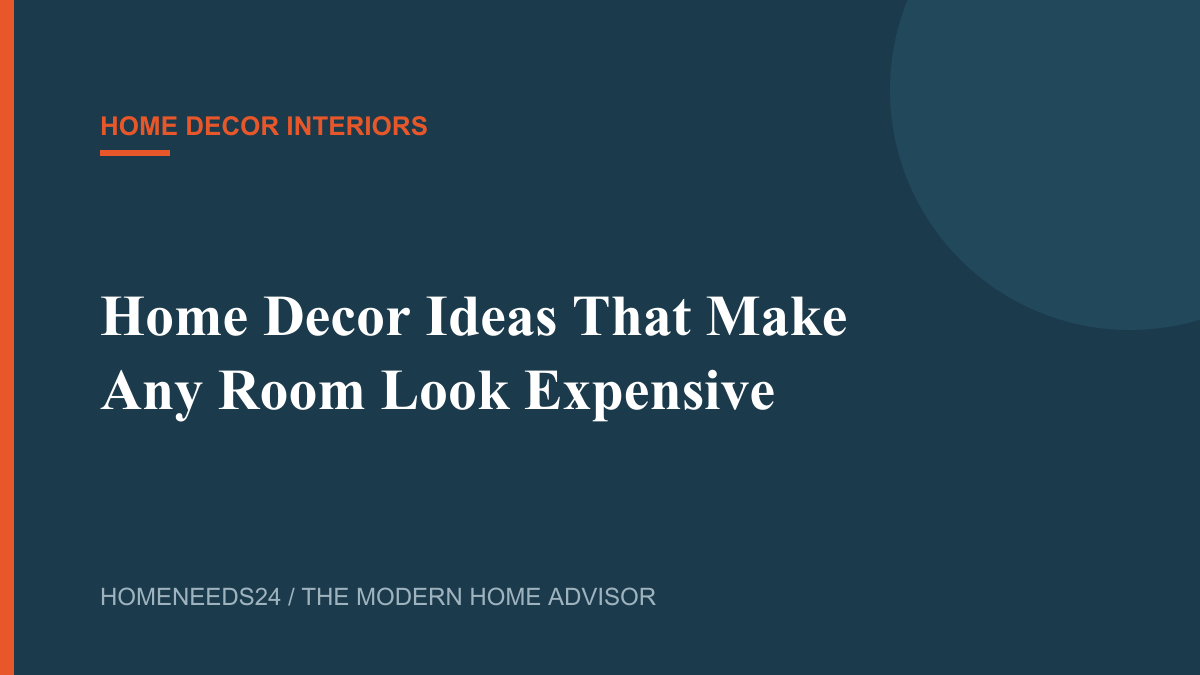
Some homes look expensive without costing a fortune, while others swallow money and still feel ordinary. The secret isn’t a bigger budget — it’s knowing the handful of decorating principles that interior designers use on every project. Once you understand them, you can make any room look intentional, polished, and far more high-end than what you actually spent.
Also Read
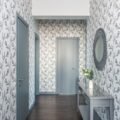
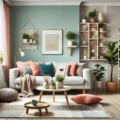
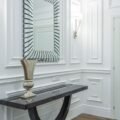
This guide covers the home decor ideas that make the biggest visual difference for the least money. None of them require renovation or a designer’s invoice. They’re the same fundamentals behind every room that makes people ask, “How did you do that?”
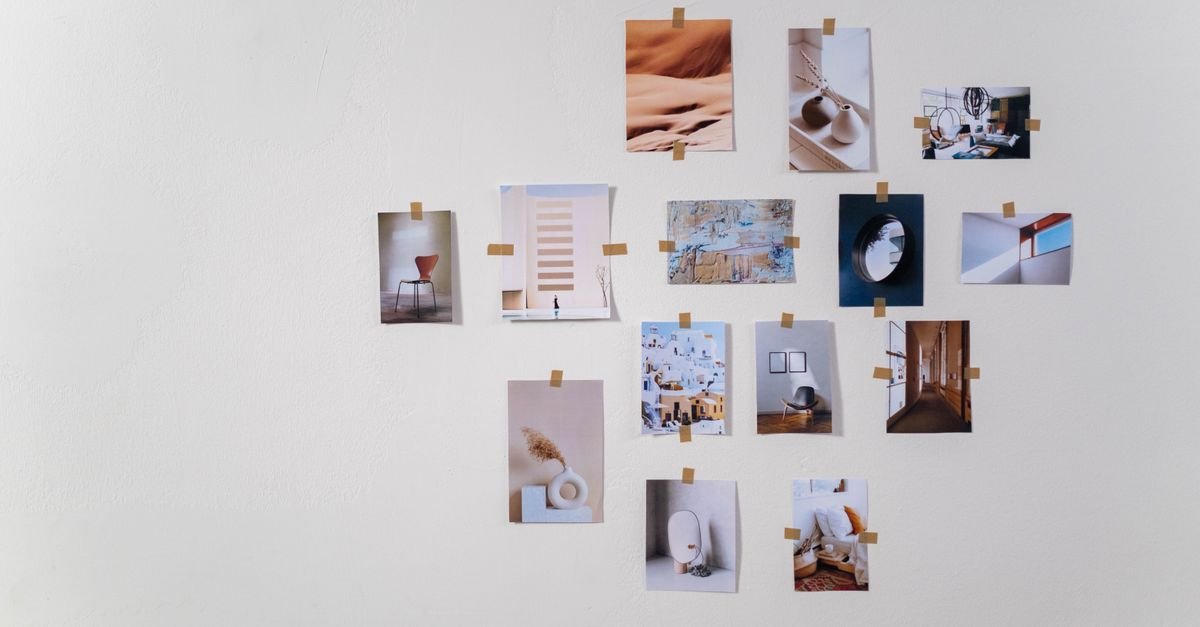
Start With a Cohesive Color Palette
The fastest way to make a home look thrown-together is to use too many competing colors. The fastest way to make it look designed is to commit to a restrained palette. Choose two or three main colors plus one accent, and carry them through each room. This doesn’t mean everything matches — it means everything belongs together.
A reliable formula is to build around neutrals — warm whites, soft greys, beiges, or greens — and let a single accent color do the talking through cushions, art, or a feature piece. Neutrals read as calm and expensive; chaotic color reads as cheap. When in doubt, simplify.
Layer Your Lighting
Lighting is the most underrated element in any room, and it’s where budget spaces most often fall flat. A single overhead bulb flattens everything and casts harsh shadows. Expensive-looking rooms always use layered lighting: a mix of ambient (general), task (focused, like a reading lamp), and accent (mood) sources.
Easy Lighting Upgrades
Add a floor lamp or a couple of table lamps to bring light down to eye level, which instantly makes a room feel warmer and more inviting. Swap cold, blue-toned bulbs for warm-white ones — this single change transforms the mood of a space for the price of a few bulbs. A dimmer switch lets one room shift from bright and functional to soft and relaxing. These small moves do more for ambiance than any furniture purchase.
Use Texture to Add Depth
A room can have a perfect color palette and still feel flat if everything has the same finish. Texture is what gives a space richness and that “layered” designer look. Mix soft and hard, smooth and rough: a chunky knit throw over a leather chair, a jute rug under a sleek table, linen curtains against a painted wall.
Textiles are the cheapest way to add texture. Cushions in varied fabrics, a textured throw, a woven basket, and a soft rug introduce depth without a single major purchase. The contrast between materials is what makes a room feel collected and considered rather than ordered from one catalog.
Hang Art and Mirrors the Right Way
Empty walls make a home feel unfinished, but badly hung art makes it feel amateur. The most common mistake is hanging pieces too high — art should be centered at roughly eye level, with the center about 145 to 150 centimeters from the floor. Above furniture, the bottom of the frame should sit a hand’s width above the piece so they relate as a group.
Mirrors do double duty: they add style and bounce light, making rooms feel larger and brighter. A large mirror opposite or beside a window is one of the highest-impact, lowest-cost decor moves there is. For art, a few larger pieces look more expensive than many small ones scattered around.
Bring in Greenery
Plants are the cheapest way to make a room feel alive, fresh, and cared-for. A single large plant in a corner fills empty space better than furniture, and smaller plants soften shelves and tables. If you don’t have a green thumb, low-maintenance varieties or good-quality faux plants deliver the same visual lift. Greenery adds color, texture, and a sense of life that no accessory can replicate.
Edit, Then Style
Expensive-looking homes are not crowded. Clutter is the enemy of elegance — it makes even quality pieces look cheap. Before adding anything, remove what doesn’t serve the room. Then style surfaces deliberately: group objects in odd numbers, vary their heights, and leave breathing room around them. A coffee table with three well-chosen objects looks far richer than one covered in twenty.
The Power of Negative Space
Empty space isn’t wasted space — it’s what lets the eye rest and makes the pieces you do display feel important. Resist the urge to fill every surface. Restraint is the single trait that separates a designed room from a busy one.
Small Finishing Touches That Punch Above Their Weight
A few inexpensive details signal quality. Upgrading visible hardware — drawer pulls, switch plates, curtain rods — refreshes a room for very little. Hanging curtains higher and wider than the window makes ceilings feel taller and windows grander. Coordinating small accessories in your accent color ties everything together. These finishing touches are what make a budget room feel finished rather than half-done.
The Expensive-Look Formula (What the Eye Actually Reads)
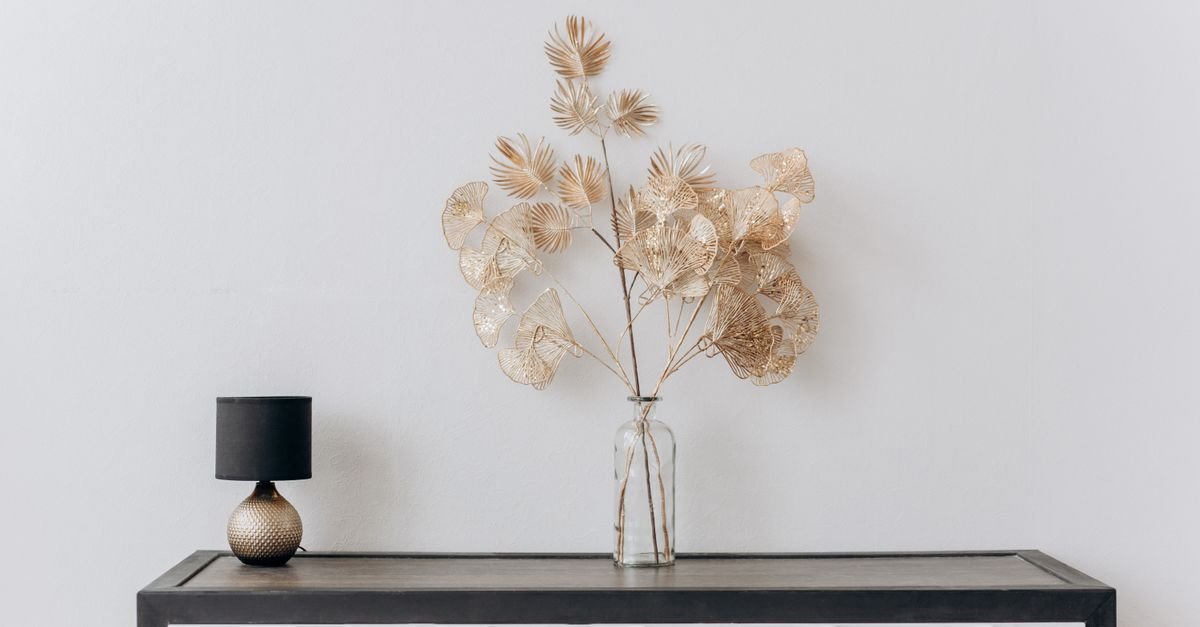
Rooms read “expensive” through a handful of signals that cost little to fake: scale — one large piece of art or an oversized mirror outperforms a wall of small frames; undersized everything is the loudest budget tell in the catalog; texture layering — linen, wood, rattan, wool, and ceramic in one room read curated; a room of identical smooth surfaces reads showroom-flat; metals repeated deliberately — one finish family (all brass-toned or all black) carried across handles, lamps, and frames suggests decisions were made; negative space — expensive rooms breathe; crowding is the budget giveaway no purchase fixes; and weight where hands touch — solid switch plates, substantial curtain rods, and heavy-feeling lamps carry outsized perceived-value per dollar.
The formula in practice: before buying anything new, subtract (declutter is free), enlarge (one big statement over many small ones), and unify (repeat two metals and three colors, maximum). Most “this room feels cheap” complaints dissolve under those three verbs — and the money saved funds the few purchases the room genuinely lacks.
The $50-$150-$500 Room Makeover Tiers
The $50 weekend: paint one thing (the front-door interior, a thrifted frame collection, a dated side table), swap hardware on the room’s most-touched piece, add one large-scale greenery stem in a substantial vase, and rearrange to the focal-point rules — the free layer that makes every purchase read better. The $150 tier: add the room’s missing texture (a chunky throw, a woven basket family), one better light source (a warm-bulb floor or table lamp — lighting is the highest-ROI category in this entire guide), and curtains hung high and wide (the classic ceiling-height illusion). The $500 tier: the properly-sized rug (the size guide stops the postage-stamp mistake), one statement piece bought secondhand-solid, and professional-look wall styling per the wall pillar. Each tier compounds the last — and none of them requires the furniture budget the room was waiting for.
Lighting: The Cheapest Expensive Thing in Any Room
Nothing upgrades a budget room faster than retiring the single overhead bulb: three light sources per room (overhead dimmed or ignored, one floor lamp, one table lamp) creates the layered glow expensive rooms share; warm bulbs everywhere — 2700K, matched across every fixture (mismatched bulb temperatures are an instant discount sticker); shades over bare bulbs, always; and smart plugs or plug-in dimmers bringing scene control to lamps the landlord installed. The math is absurdly favorable: three thrifted lamps, six warm bulbs, and two smart plugs cost less than one catalog cushion set and transform how every other object in the room photographs — including the faces in it. The efficiency pillar adds the LED savings math on top.
Where Budget Rooms Go Wrong (The Five Tells)
Tell one: everything at eye level — art, shelves, and lamps in one horizontal band; expensive rooms vary height deliberately. Tell two: matching sets — the sofa-loveseat-armchair-in-one-fabric package reads rental showroom; break sets apart across rooms and let the mixing rules do their work. Tell three: bare windows or plastic mini-blinds solo — even budget curtain panels, hung high and wide, re-dress the whole wall (the length rules matter more than the fabric price). Tell four: word-art and mass-market prints everyone owns — thrifted frames around personal photos, maps, or fabric remnants carry more character per dollar. Tell five: visible cable chaos — ten dollars of raceways and clips buys more calm than a hundred dollars of decor. Every tell shares one fix-shape: not more spending — more deciding.
Thrift, Facebook, and the Secondhand Muscle
The budget decorator’s superpower is the secondhand circuit, run with rules: solid wood only for case pieces (the quality tests travel to every estate sale), lamps and frames always (the two categories where secondhand is objectively identical to new after a bulb and a wipe), textiles cautiously (washable throws yes, upholstery rarely), and mirrors enthusiastically — the most overpriced new category is the most underpriced used one. The search-term trick: haunt listings for “vintage,” “estate,” and specific materials (“rattan,” “marble,” “teak”) rather than furniture words everyone searches. And the one-in-one-out law keeps the habit from becoming a storage problem: every thrifted arrival retires something — curation, not accumulation, is what the expensive look was ever made of.
Paint: The Highest-Leverage Gallon in the House
No budget category moves a room like paint, and the budget rules are technique, not brand prestige: test before committing — two-dollar sample pots painted in two-foot squares on two walls (light changes verdicts between morning and lamp-light); respect the undertone — whites and grays carry hidden warm or cool casts that fight or flatter the room’s fixed elements (floors, counters, the sofa that’s staying); sheen strategy — matte hides wall sins in living spaces, eggshell survives corridors and kids, semi-gloss belongs to trim and moisture rooms; and the accent economy — one painted wall, arch, or even a painted ceiling (“the fifth wall”) delivers a designed moment for a single quart. The labor IS the savings: patch, sand, tape, prime where colors jump — prep hours are why identical paint looks rented on one wall and architectural on the next.
Textiles: The Fastest Season Pass
Fabric is the budget room’s quick-change artist: pillow covers over pillow purchases — inserts stay, covers rotate seasonally from a drawer (the storage footprint of two folded shirts); the throw hierarchy — one chunky-knit statement beats four thin fleeces, draped deliberately (one-third folded over sofa arm or bench end) rather than survival-scattered; curtain upgrades in place — even budget panels double in presence when hung high, wide, and puddle-free per the length rules, and lining cheap panels with plain white backing fabric fakes custom weight; rug layering — a small vintage or pattern rug angled over a large inexpensive jute base delivers the designer look at a fraction of the single-statement-rug price, sized honestly per the rug guide; and table linens as decor — a runner and cloth napkins upgrade daily dinners for pocket change. Textiles also run the one-in-one-out law hardest — fabric accumulates faster than any category in the house.
Plants and the Living Layer (Cheap, Alive, Unfakeable)
Nothing on the budget list adds life-per-dollar like the living layer: the big-statement math — one floor plant (a five-dollar pothos trained tall, a hardware-store snake plant, a propagated monstera from a friend) out-decorates fifty dollars of shelf trinkets; containers carry the look — the plant costs less than the pot should appear to: thrifted ceramics, basket-wrapped nursery pots, and painted terracotta read collected; placement follows the light, not the styling fantasy — a thriving pothos beats a dying fiddle-leaf in every photograph; the propagation economy — cuttings from friends and community swaps grow a whole roomscape for free across a year; and the honest-fake clause — one quality faux in the dark corner is legitimate design; a room of dusty plastic reads exactly like a room of dusty plastic. Water weekly, wipe leaves monthly, and the living layer becomes the one decor category that literally grows in value.
Styling the Surfaces (The Last Five Percent)
Rooms are judged at their surfaces — coffee table, shelves, console, nightstand — and the budget styling kit is a formula, not a shopping list: the rule of three — objects group in odd numbers with varied heights (something tall, something low, something organic); books as sculpture — thrifted hardcovers, jackets off, stacked as risers under smaller objects (the free styling material every guide leans on); trays corral — remotes, candles, and small chaos become intentional the moment a tray files them; one organic element per surface — a stem, a stone, a bowl of lemons: life among the objects; and negative space enforced — every surface keeps a visible empty zone, because clutter is the anti-expensive. The room-by-room application lives in the coffee-table, shelf, and nightstand guides — the pillar’s point is that the whole discipline costs almost nothing but decisions.
The Budget Decorator’s Calendar (When to Buy What)
Timing is the silent discount: January — linens and bedding (the white sales live on), plus post-holiday decor clearance for next year’s candles and vases; late spring — indoor furniture floor models rotate before summer outdoor stock; July–August — outdoor and garden decor collapses in price mid-season; September — paint and DIY supplies ride back-to-school promotions; November — electronics-adjacent decor (lamps, smart bulbs) follows the Black Friday tide; always — estate sales on Sunday afternoons (half-price hours), thrift stores midweek after weekend restocks, and marketplace listings relisted after failed weekend pickups (motivated sellers negotiate Mondays). The annualized effect of buying the same list on the right calendar routinely halves the room’s total cost — patience is the budget decorator’s highest-yield skill after paint.
The One-Room Case Study ($180, One Weekend)
The whole pillar, run on a tired living room: Friday evening (free) — full declutter, furniture floated off the walls to the focal point, every surface cleared to the rule of three. Saturday ($120) — one quart of paint for the arch moment behind the sofa; two thrifted lamps plus warm bulbs; curtains re-hung high and wide on a longer secondhand rod. Sunday ($60) — pillow covers in the room’s two accent tones, one large propagated plant potted into a thrifted ceramic, books restyled jacket-free, cables clipped invisible. The before-and-after photographs like a four-figure makeover because every expensive-look signal — scale, texture, unified metals, layered light, negative space — got addressed, and the sofa never moved budgets. That’s the pillar’s thesis in one weekend: rooms feel expensive when someone decided things, and deciding is free.
The Budget-Decor Master Checklist
Free tier: declutter, rearrange to the focal point, restyle surfaces (rule of three, books, trays), move art to 57–60″ centers, rotate what you own between rooms. Under $50: warm matched bulbs, paint one moment, hardware swaps, pillow covers, one plant in a good pot. Under $150: a lamp layer, curtains hung properly, the texture throw-and-basket pass, thrifted mirror. Under $500: the right-sized rug, one solid secondhand statement piece, gallery-wall framing. Never: matching furniture sets, small rugs, cool-white bulbs, word-art, visible cables. Run the tiers in order — each makes the next cheaper to get right.
Keeping the Look (Maintenance Is the Final Discount)
The expensive look decays through drift, not damage, and the upkeep is a calendar, not a budget: weekly ten minutes — surfaces reset to their styled state, throws refolded, the trays re-corralled, strays returned to their rooms; monthly — plant care day (water audit, leaf wipe, rotate toward light), bulb check across the lamp layer, and one drawer or shelf decluttered on rotation; seasonally — the textile swap, the art-ledge refresh, and the honest walk-through with fresh eyes (photograph each room; the camera sees the drift that habituated eyes skip); yearly — the one-in-one-out ledger audited, the donate box emptied, and a single upgrade chosen from the tier list rather than impulse. Rooms maintained this way compound: every year the same budget buys refinement instead of rescue, which is how modest homes quietly become the best-looking house on the street.
The Mindset That Makes It All Work
Budget decorating fails when it imitates catalogs and succeeds when it edits a life: buy nothing on the first lap of any store, let every room earn additions through six weeks of living first, and treat constraints as the style — the thrifted mix, the propagated jungle, and the one perfect painted wall ARE the look, not placeholders for a richer future version. The homes people remember were never the expensive ones; they were the decided ones, and deciding has always been free.
Frequently Asked Questions
How can I make my home look expensive on a budget?
Commit to a restrained color palette, layer your lighting with warm bulbs and lamps, add texture through textiles, hang art and mirrors correctly, bring in greenery, and declutter. These cost little but make the biggest visual difference.
What is the biggest decorating mistake people make?
Using too many colors and too much clutter, plus relying on a single overhead light. Simplifying the palette, editing the room, and layering lighting fixes most amateur-looking spaces.
How high should I hang art?
Center artwork at eye level — roughly 145 to 150 centimeters from the floor. Above furniture, keep the bottom of the frame about a hand’s width above the piece.
Do plants really make a difference in decor?
Yes — greenery adds color, texture, and life cheaply. A single large plant can fill an empty corner better than furniture, and quality faux plants work if you can’t keep real ones alive.
Key Takeaways
- Stick to two or three colors plus one accent for a cohesive, high-end look.
- Layer ambient, task, and accent lighting — and switch to warm-white bulbs.
- Mix textures through textiles to add depth and a collected feel.
- Hang art at eye level and use large mirrors to add light and space.
- Declutter, embrace negative space, and add greenery and small hardware upgrades for an expensive finish.
Making a home look expensive is about discipline, not spending. Apply these designer fundamentals — palette, lighting, texture, art, greenery, and restraint — and any room will look intentional and polished. For more inspiration, visit our home setup guides and the full Home Decor & Interiors collection.
More Home Decor & Interiors Guides & Reviews
- Gaming Routers for Low-Latency Gameplay
- Affordable Closet Organization
- Sustainable-Certified Wall Décor Collection: Eco-Friendly Art for Modern Homes
- Wood-Accent Bathroom Design
- Minimalist Home Organization Tips: Simplify Your Space Today
- Small Bathroom Design Ideas
- Dressing Tables: Storage, Mirror and Room Fit
- Ultrawide Monitors for Gaming: Are They Worth It?
- How to Style Shelves Like a Designer (The Trio Formula)
- Decluttering Books And Guides

I'm Nasir Uddin Khan, founder of HomeNeeds24 and a senior IT consultant with 18+ years' experience in Oracle database administration, enterprise infrastructure and ERP system design. I write the buying guides here and I build every calculator on the site myself, from published engineering standards rather than opinion. My research is structured rather than lab-based: manufacturer specifications, safety and efficiency standards, and the trade-offs that repeat across large volumes of verified customer reviews. Where I have direct hands-on experience — smart home, networking, energy and anything computer-adjacent — I say so in the guide.