
Energy bills have a way of climbing quietly until they become one of the largest running costs of owning a home. The encouraging news is that cutting them rarely requires a huge investment. Most homes leak money through small, fixable inefficiencies, and addressing them delivers savings that continue month after month, year after year. Energy-efficient upgrades are among the few home improvements that genuinely pay you back.
Also Read


This guide covers the energy-efficient home upgrades that cut your bills in 2026, ranked roughly by how much they save versus what they cost. Some are free habits; others are worthwhile investments. Together, they can meaningfully lower what you pay to run your home.
Start With the Cheapest Wins: Sealing and Insulation
Before buying any new appliance, stop the energy you’re already paying for from escaping. Heating and cooling are the biggest energy costs in most homes, and a large share of that is wasted through gaps and poor insulation.
Seal Air Leaks
Drafts around doors, windows, and where pipes enter walls let conditioned air escape and outside air in, forcing your heating and cooling to work harder. Weatherstripping, draft excluders, and sealing gaps cost very little and deliver some of the fastest payback of any upgrade. It’s the definition of low effort, high return.
Improve Insulation
Insulation keeps warmth in during winter and out during summer. Topping up insulation — particularly in the roof, where heat rises and escapes — reduces the energy needed to keep a comfortable temperature. While a bigger project than sealing, it’s one of the most effective long-term ways to cut heating and cooling costs.
Upgrade Your Lighting
Switching to efficient LED bulbs is one of the simplest upgrades with an immediate effect. LEDs use a fraction of the energy of older bulbs and last many years, so they save on both electricity and replacements. Because lighting runs every day, swapping the bulbs throughout your home adds up faster than people expect — and it’s a change you can make in an afternoon for a modest cost.
Tackle Heating and Cooling Intelligently
Since climate control dominates energy use, smarter management here saves the most.
Smart Thermostats
A programmable or smart thermostat avoids heating and cooling an empty house. By matching temperature to your actual routine — easing off when you’re out or asleep — it trims waste automatically without you thinking about it. For many homes it’s one of the most cost-effective single upgrades available.
Maintain Your Systems
An efficient system is a well-maintained one. Cleaning or replacing filters, bleeding radiators, and servicing heating and cooling equipment keeps it running at peak efficiency. Neglected systems work harder and cost more to run, so simple maintenance is effectively a free saving.
Choose Efficient Appliances
Appliances account for a meaningful slice of household energy, and older ones are often far less efficient than modern equivalents. When it’s time to replace a fridge, washing machine, or dishwasher, choosing a high-efficiency model lowers running costs for the entire life of the appliance. The higher upfront price is usually recovered through years of lower bills. Don’t replace working appliances purely for efficiency, but when you do upgrade, make efficiency a priority.
Run Appliances Wisely
How you use appliances matters too. Washing with cooler water, running full loads, and air-drying when possible all reduce energy use without any purchase. Unplugging devices that draw standby power, or using smart plugs to cut it automatically, eliminates the quiet “phantom” load that runs around the clock.
Manage Water Heating and Use
Heating water is a hidden energy cost. Lowering the water heater to a sensible temperature, insulating the tank and hot-water pipes, and fitting efficient showerheads and taps all reduce the energy spent heating water you may not need. Fixing dripping taps promptly saves both water and the energy used to heat it. These small adjustments add up over a year.
Consider Bigger Investments for Long-Term Savings
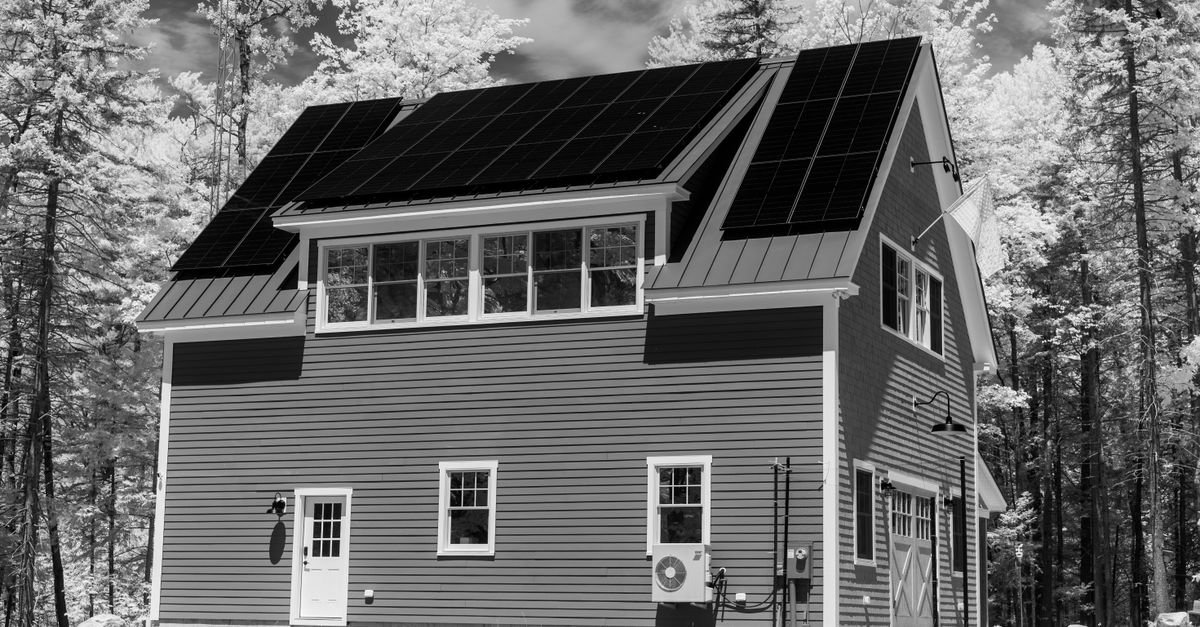
For those planning to stay in a home long term, larger upgrades can transform running costs. Efficient windows reduce heat loss dramatically, and renewable options like solar can offset electricity costs significantly over time. These require real investment and a longer payback period, so they make most sense when you’ll be in the home for years and have already captured the cheaper wins first. Always start with sealing, insulation, and lighting before committing to major projects.

The Audit Before the Upgrades (Find Your House’s Leaks)
Efficiency spending without an audit is renovation by horoscope. The DIY version costs an afternoon: the draft hunt — a lit incense stick traced around window frames, door edges, outlets on exterior walls, and attic hatches on a windy day; the smoke points at every leak; the touch test — exterior-wall outlets and switch plates cold to the touch mean uninsulated cavities behind; the bill autopsy — twelve months of utility statements graphed (most providers chart it for you) shows whether heat, cooling, or baseload is the villain, which decides the whole spending order; the meter experiment — everything off, meter watched: the creep that remains is your standby load, name by name. The professional tier — many utilities run free or subsidized home energy audits with blower doors and thermal cameras; where offered, it’s the single best free appointment in home ownership. Every upgrade section below assumes the audit’s verdict — because a house that leaks at the attic doesn’t need smarter bulbs first.
The Spending Order (Highest Return First)
The efficiency hierarchy, priced by payback: 1. Air sealing — caulk, weatherstripping, door sweeps, and outlet gaskets: tens of dollars, immediate comfort, the best ROI in the entire category; 2. Insulation — attic first (heat’s favorite exit), then the accessible walls and rim joists; the unglamorous purchase that outperforms every gadget; 3. The thermostat — smart scheduling trims the biggest bill line, with utility rebates routinely covering most of the device (the smart-home pillar’s one true payback purchase); 4. LED completion — the last incandescents and the forgotten fixtures (garage, closets, porch); 5. Appliance replacement ON FAILURE — efficiency upgrades ride the natural replacement cycle (the kitchen rule, house-wide), with the label math finally favoring heat-pump water heaters and dryers; 6. Windows LAST — the most-marketed, worst-payback line item; films, cellular shades, and honest curtains deliver most of the comfort at a fraction of the glass replacement quote.
Heating and Cooling Without Touching the Furnace
The HVAC bill negotiates before the HVAC does: ceiling fans run both directions — counterclockwise summer breeze, clockwise winter de-stratification (the switch on the hub nobody has flipped); curtains are climate control — closed against summer sun on the hot side of the house, open to winter sun on the south face, and the cellular-and-blackout tier insulating single-pane rooms measurably; the two-degree treaty — each degree of thermostat modesty is a low-single-digit percentage of the bill; sweaters and duvets are infrastructure; filters monthly-ish — a choked filter taxes every runtime hour; vents unblocked — the sofa parked over a register is a silent surcharge; and zone honestly — closing off the guest room that hosts twice a year, with its vent damped, stops conditioning a museum. None of this costs three figures, and together they routinely out-save the gadget aisle’s entire shelf.
The Standby and Baseload Cleanup
The always-on load is the bill’s quiet floor: the entertainment stack — TVs, consoles, and soundbars idling warm are the classic offenders; one smart-strip scene kills the cluster at midnight; the chargers-and-bricks drawer — individually trivial, collectively a lamp running forever; the second fridge — the garage beer fridge is routinely the house’s third-largest consumer, and “mostly empty” makes it worse; audit whether it earns its wattage; the water heater’s settings — 120°F serves nearly every household; each notch above is standby loss around the clock; holiday-and-porch lighting on timers, always. The measurement habit that keeps it honest: the plug-in energy monitor from the audit section, rotated around the house one suspect at a time — because every standby cleanup eventually discovers one absurd appliance nobody suspected, and the monitor finds it in a week.
Renters, Rebates, and the Paperwork That Pays
The renter’s efficiency kit travels: weatherstripping and door sweeps (removable), cellular shades and thermal curtains, the smart plugs and monitor, LED bulbs (swapped back at move-out), and the thermostat conversation with the landlord — framed as property upgrade, frequently approved. The rebate layer — utility programs discount thermostats, insulation, and heat-pump appliances routinely; the audit visit usually arrives with the coupon list; and efficiency tax credits at the national level have covered meaningful percentages of insulation and heat-pump projects — twenty minutes of paperwork per upgrade is the best hourly rate in this pillar. The landlord-tenant split — where the owner pays the bill, tenants negotiate comfort; where tenants pay, the removable kit plus the two-degree treaty carries the load. Efficiency’s last honest note: the cheapest kilowatt-hour remains the one never used — and nearly everything on this page buys comfort first, savings second, which is why the upgrades survive after the novelty fades.
Room-by-Room Efficiency (Where Each Bill Lives)
The kitchen — the fridge’s coils vacuumed yearly and its seals tested (a bill trapped in the door should resist), the oven’s preheat honesty (most dishes forgive a cold start), lids on pots (boiling uncovered is steam-heating the ceiling), and the dishwasher run full on eco — which outperforms hand-washing in nearly every test. The laundry — cold washes for almost everything (heating water is most of the cycle’s cost), full loads, and the dryer’s lint screen cleared every run; line-and-rack drying remains the category’s free tier, and the laundry pillar carries the deep dive. The bathroom — low-flow showerheads that don’t feel like punishment exist now; the fan on a timer; hot-water leaks fixed the week they drip (a dripping hot tap is a water heater running for nobody). The bedroom — electronics off the nightstand’s always-on cluster, and the cool-room sleep doctrine aligning comfort with the thermostat treaty. The home office — the monitor-and-dock cluster on one switchable strip; laptops over desktops where the work allows. Every room’s list shares the shape: seal, settings, habits — in that order.
Water Heating (The Forgotten Second Bill)
Water heating is routinely the household’s number-two energy line, and it negotiates readily: 120°F at the tank — hotter is standby loss plus scald risk; the insulation blanket on older tanks and pipe insulation on the first meters of hot line — the classic five-dollar-per-degree fixes; shorter, cooler showers — the bathroom’s comfort advice and the bill’s, aligned; fix the drips — hot-side leaks are the heater working around the clock for a puddle; and the replacement-day decision — when the tank dies (they all do), the heat-pump water heater is the category’s current runaway ROI winner, rebate-stacked in most regions and cheap to run forever after. The renter’s version: temperature and shower habits travel; the hardware conversation goes in the landlord letter alongside the thermostat.
Seasonal Efficiency (The Twice-Yearly Sweep)
The fall sweep — weatherstripping audited before the first cold snap, furnace filter fresh, ceiling fans reversed, the water heater’s blanket checked, drafts re-hunted (houses shift; last year’s seal isn’t this year’s), and the humidifier-and-thermostat winter settings staged. The spring sweep — AC serviced or its filter and coils cleaned before the first heat wave (emergency HVAC calls price accordingly), curtain strategy flipped to sun-blocking, the attic’s ventilation checked, and outdoor lighting moved to solar-and-timer duty for the long evenings. Both sweeps — the standby audit re-run (devices multiply), the utility bill year-over-year compared (the only scoreboard that counts), and one item from the spending-order list promoted. Two afternoons a year, calendar-anchored to the clock changes, and the house never drifts back into its leaky defaults — efficiency is maintenance wearing a savings costume.
The Efficiency Myths, Quickly Retired
“Leaving the heat on all day beats reheating” — physics disagrees: setback-and-recover costs less than steady-state in essentially every home; the smart thermostat exists to automate exactly this. “Ceiling fans cool rooms” — they cool PEOPLE via airflow; a fan spinning in an empty room is pure spend. “Closing vents saves money” — over-closing pressurizes ducts and can cost more; zone gently, not aggressively. “New windows pay for themselves” — over decades, maybe; the films-shades-and-sealing tier delivers most of the comfort at a twentieth of the price. “Chargers don’t draw when idle” — modern ones draw little individually and something collectively; the strip solves the argument. “Efficiency means discomfort” — the entire pillar argues the opposite: sealed drafts, layered light, and a right-sized thermostat schedule FEEL better first and bill better second, which is why these upgrades stick where austerity never does.
The Payback Scoreboard (What Saves What)
Honest ballpark figures for the skeptic’s fridge door: air sealing and weatherstripping — often 10–15% off heating and cooling for under a hundred dollars: months-scale payback; attic insulation top-up — commonly 10–20% off the same lines; single-digit-years payback, rebate-shortened; smart thermostat — high-single-digit percentages off HVAC, with rebates frequently making it near-free; LED completion — small monthly, instant payback at today’s bulb prices; cold-wash laundry — most of the washer’s energy line, free; water heater to 120°F plus insulation — meaningful single digits, ten dollars; the standby sweep — a lamp’s worth of always-on load in most homes, one smart-strip purchase. Stack the free-and-cheap tier and double-digit total reductions are routine — before a single appliance or window enters the conversation. Numbers vary by home and climate; the ORDER barely ever does.
Start This Weekend (The First Three Moves)
The whole pillar compresses to an opening move: Saturday morning — the incense-stick draft hunt and the meter-creep reading: one hour, and the house confesses its leaks; Saturday afternoon — the hardware run (weatherstripping, caulk, door sweeps, outlet gaskets, a smart strip) and the sealing session: the best-ROI afternoon in home ownership; Sunday — the thermostat schedule built honestly around the household’s real hours, the water heater dialed to 120°F, and the rebate-program tab opened while the coffee’s hot. Total spend: dinner-for-two money. Total effect: the bill starts shrinking with the next cycle, the drafty corner stops being drafty, and the bigger upgrades now have an audit’s worth of data telling them where to land. Efficiency was never a renovation — it was a weekend that keeps paying rent to you.
The Efficiency Master Checklist (One Card)
Audit first: draft hunt, touch test, bill autopsy, meter creep, and the utility’s free audit where offered. Spend in order: seal → insulate → thermostat → LEDs → appliances-on-failure → windows last. Free tier forever: two-degree treaty, cold washes, full loads, lids on pots, filters monthly, vents clear, fans reversed seasonally, 120°F water. Standby swept: entertainment strip, charger drawer, the second-fridge interrogation. Paperwork: rebates claimed, credits filed, the landlord letter sent. Twice yearly: the fall and spring sweeps, bill compared year-over-year. Comfort first, savings second, drama never — the house that runs on this card feels better in January AND July, and the bill quietly agrees.
Efficiency and Home Value (The Quiet Resale Story)
The upgrades in this pillar carry a second payday: listed homes with documented efficiency work — insulation receipts, the smart thermostat, heat-pump appliances — increasingly command attention in markets where buyers read utility estimates before offers; the audit report itself becomes a selling document, proof the house was maintained by someone who measured; comfort shows at viewings — the draft-free entry and the quiet, even-temperature rooms register subconsciously in exactly the way staged furniture does; and the appliance ledger — a folder of ENERGY STAR receipts and rebate paperwork transfers to buyers as confidence, the same psychology as a car’s service history. None of this argues renovating for resale — the improvement pillar handles those trade-offs — but it reframes the weekend sealing session honestly: every dollar this pillar saves monthly is also a dollar of story the house tells its next owner. Efficient homes are cheaper to run, nicer to live in, and easier to sell — the rare home project that pays three times.
And the scoreboard that matters most, a year in: the bill graph bending visibly down while the house feels warmer in January and cooler in July than it ever did before the sealing weekend. Efficiency done right is invisible except in comfort and arithmetic — which is exactly why the houses that have it never go back.
Frequently Asked Questions
What is the cheapest way to lower my energy bills?
Sealing air leaks with weatherstripping and switching to LED bulbs are the cheapest, fastest-paying upgrades. Both cost little and start saving immediately.
Does a smart thermostat really save money?
Yes. By matching heating and cooling to your routine and not conditioning an empty home, a smart thermostat reduces waste and is one of the most cost-effective single upgrades for most households.
Should I replace working appliances to save energy?
Generally no — the savings rarely justify replacing a functioning appliance. But when something does need replacing, choosing a high-efficiency model lowers running costs for years.
Where should I start with energy efficiency?
Start with the cheap, high-return basics: seal drafts, improve insulation (especially the roof), and switch to LED lighting. Tackle bigger investments only after capturing these wins.
Key Takeaways
- Seal air leaks and improve insulation first — the cheapest upgrades with the fastest payback.
- Switch all lighting to LED for daily, compounding savings.
- Use a smart thermostat and maintain heating/cooling systems to cut the largest energy cost.
- Choose efficient appliances when replacing, and run them wisely — full loads, cooler washes, no phantom power.
- Reserve big investments like windows and solar for the long term, after the cheap wins are done.
Lowering your energy bills is mostly about plugging leaks and using energy smartly, not spending big. Start with the cheap, high-return upgrades and build from there, and you’ll see the savings every month. For more practical guidance, visit our home improvement guides and the full Energy Efficiency collection.
More Energy Efficiency Upgrades Guides & Reviews
- What are Best Energy-Efficient Windows And Doors?
- Smart Thermostat Installation: Easy DIY Tips for Energy-Efficient Homes
- Air Sealing Services: Enhance Energy Efficiency with Valve Core Kits
- Best Tankless Water Heater
- How to Make Your Home More Eco-Friendly & Sustainable
- Eco-Friendly Home Improvements: Transform Your Space Sustainably
- Home Ventilation System: Enhance Indoor Air Quality with Smart Solutions
- Programmable Thermostats: How They Work & How to Choose
- Best Energy-Efficient Appliances: Save Money and Cut Bills Fast
- Smart Home Energy System: Revolutionize Efficiency with Top Amazon Devices

I'm Nasir Uddin Khan, founder of HomeNeeds24 and a senior IT consultant with 18+ years' experience in Oracle database administration, enterprise infrastructure and ERP system design. I write the buying guides here and I build every calculator on the site myself, from published engineering standards rather than opinion. My research is structured rather than lab-based: manufacturer specifications, safety and efficiency standards, and the trade-offs that repeat across large volumes of verified customer reviews. Where I have direct hands-on experience — smart home, networking, energy and anything computer-adjacent — I say so in the guide.