
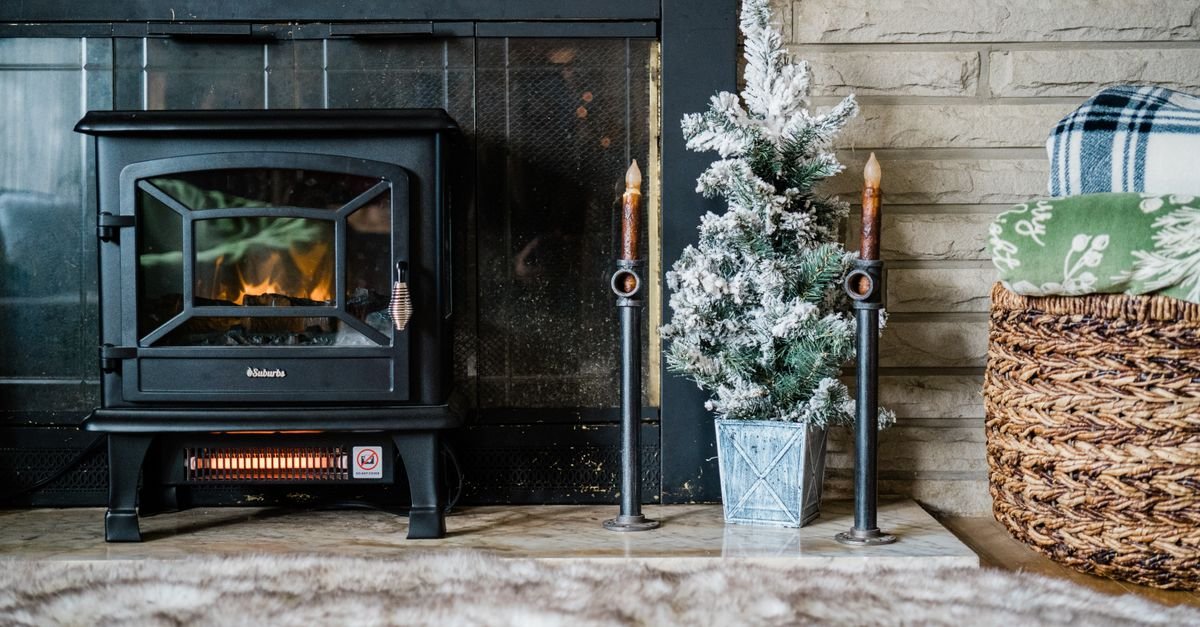
For most homes, the best space heater is a ceramic model with an adjustable thermostat plus tip-over and overheat protection – it heats a room quickly, holds a steady temperature, and is safe enough to run daily. Below are the best space heaters for 2026 by use case, followed by everything you need to size and run one safely.
Also Read


See Top-Rated Space Heaters on Amazon →
Key Takeaways
- Best all-round type: ceramic with a thermostat – fast, safe, efficient for most rooms.
- Size it right: aim for about 10 watts of power per square foot of room.
- Safety is non-negotiable: look for tip-over shutoff, overheat protection and cool-touch housing.
- Save money by “zone heating” – heat the room you’re in, turn the central heat down.
- Never use an extension cord or leave a heater running unattended.
How we picked these space heaters
We focused on the features that actually matter for warmth, safety and cost.
That means heating power matched to room size, a real thermostat (not just high/low), and modern safety certifications. We also weighed noise, portability and running cost.
Rather than chase specific model numbers that change every season, we’ve grouped picks by how you’ll use them, so you can match a heater to your space and shop with confidence.
How to choose a space heater
The right heater depends on your room, your budget and how you’ll use it.
Think about the room size first, then the type of heat you want (fast blown air vs steady radiant warmth), and finally the safety features. The short video below is a helpful primer before you buy.
Once you know your room’s square footage and where the heater will sit, the picks below make the choice simple.
The best space heaters by use case
Here are our top space heater picks for 2026, grouped by what you need.
Best overall: ceramic heater with thermostat
A ceramic space heater with a built-in thermostat is the sweet spot for most people.
It warms a room fast, then cycles to hold your set temperature instead of running full blast. Look for oscillation, multiple heat settings and cool-touch housing.
It’s the one we’d recommend to most readers heating a bedroom, living room or home office.
Check Ceramic Heaters on Amazon →
Best for large rooms: infrared or quartz heater
For big or open spaces, an infrared (quartz) heater is a smart choice.
Infrared warms objects and people directly rather than just the air, so it feels warm quickly even in a large room. Many come in furniture-style cabinets with wheels.
Choose one rated for a higher square footage if your living or family room is on the bigger side.
See Infrared Heaters on Amazon →
Best budget: compact personal ceramic heater
If you just need to take the chill off a small area, a compact ceramic heater is affordable and effective.
These little units heat quickly and are easy to move from desk to bedside. They won’t warm a whole living room, but for personal use they’re excellent value.
Look for tip-over protection even on budget models – it should be standard.
See Budget Space Heaters on Amazon →
Best for energy savings: oil-filled radiator
An oil-filled radiator is the quiet, efficient pick for longer-run heating.
It heats slowly but retains warmth for a long time, radiating heat even after cycling off, which suits rooms you occupy for hours. There’s no fan, so it’s silent.
It’s ideal for bedrooms and offices where you want steady, low-noise background warmth.
Check Oil-Filled Radiators on Amazon →
Best for bedrooms: quiet heater with eco mode
For sleeping, quietness and a good thermostat matter most.
A quiet ceramic or oil-filled heater with an eco/auto mode will maintain a comfortable temperature without loud fan noise or big swings. A timer is a nice bonus.
Prioritize low noise and a display you can dim so it doesn’t light up the room.
See Quiet Bedroom Heaters on Amazon →
Best for under the desk: personal space heater
A small under-desk heater keeps you warm at work without heating the whole house.
These low-wattage units are perfect for a home office – warm feet and hands, minimal energy use. Some double as a cooling fan in summer.
Look for a low, stable base and cool-touch surfaces since it sits near your legs.
Check Under-Desk Heaters on Amazon →
Best for bathrooms: compact heater rated for damp areas
Bathrooms need a heater specifically rated for humid conditions.
Choose a small, wall-mountable or freestanding unit designed for bathroom use, ideally plugged into a GFCI outlet for safety. Never use a standard heater near water.
Fast warm-up matters here more than large capacity.
See Bathroom Heaters on Amazon →
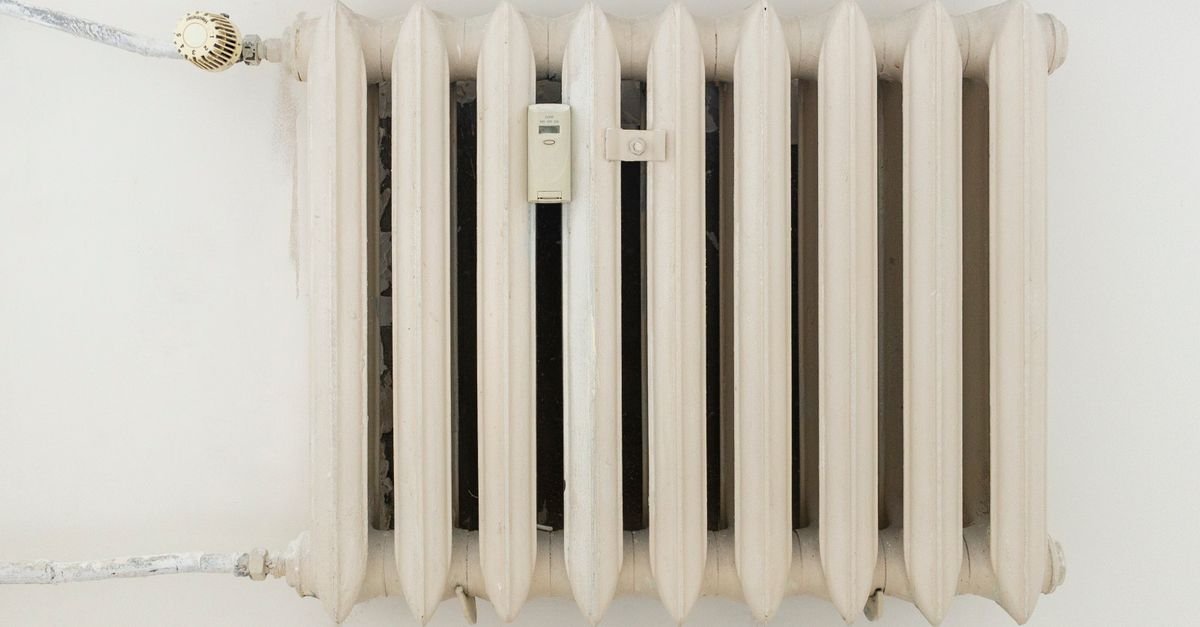
Types of space heaters explained
Understanding the main types makes choosing much easier.
- Ceramic (fan-forced): fast, even heat for a room; the most popular all-rounder.
- Infrared/quartz: instant radiant warmth on people and objects; great for large or drafty rooms.
- Oil-filled radiator: slow, silent, long-lasting heat; ideal for hours of use.
- Micathermic: slim, fast radiant panels that heat without a loud fan.
- Fan heaters: cheap and quick, but better for spot heating than whole rooms.
Match the type to how long you’ll run it and how big the space is.
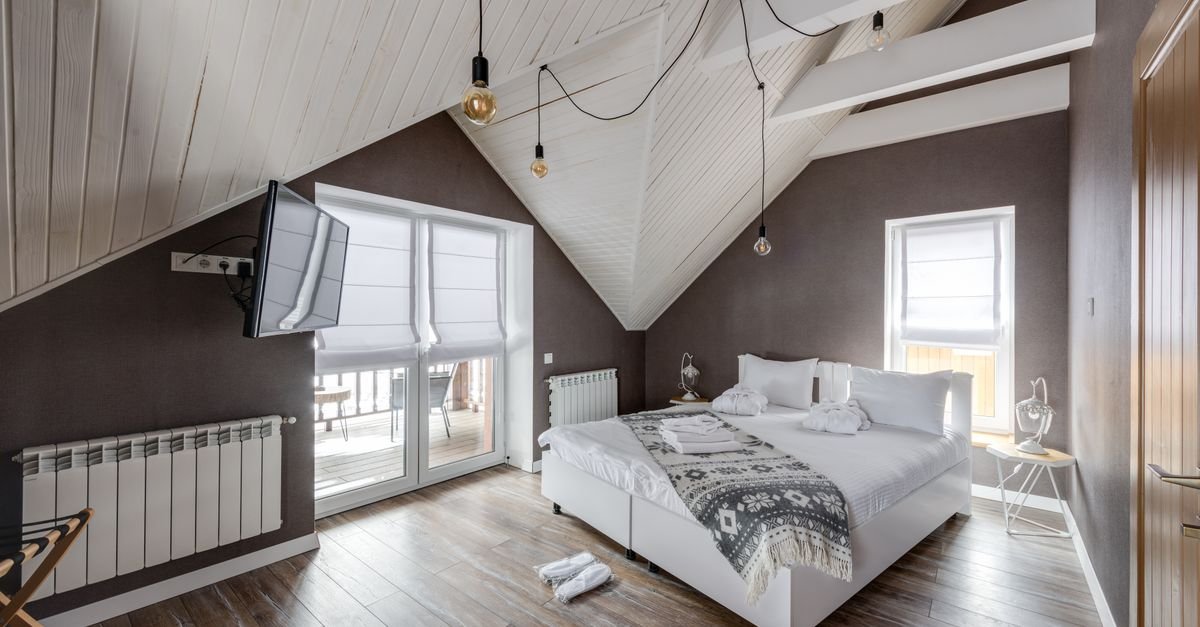
What size space heater do you need?
Sizing is the step most people skip – and it’s the key to comfort.
A simple rule of thumb is about 10 watts of heater power per square foot of room. So a 1,500-watt heater (the common maximum for a standard outlet) comfortably handles roughly 150 square feet.
For larger rooms, look for infrared models designed to spread heat further, and remember that high ceilings and poor insulation reduce effective coverage.
Key features to look for
Beyond size, a few features separate a good heater from a frustrating one.
- Adjustable thermostat to hold a set temperature and cut running costs.
- Multiple heat settings plus an eco/auto mode.
- Oscillation to spread warmth across a room.
- Timer so it shuts off automatically.
- Remote control and a clear, dimmable display.
A thermostat is the single most valuable feature for both comfort and your electric bill.
Are space heaters safe? Safety features that matter
Modern space heaters are much safer than older ones, but the features you choose matter.
Always look for tip-over shutoff (turns off if knocked over), overheat protection (cuts power if internal temperature climbs too high), and a cool-touch housing so the exterior stays safe to touch.
Check for a recognized safety certification mark, and if you have kids or pets, prioritize cool-touch and a stable, weighted base.
How to use a space heater safely
Even the safest heater needs to be used correctly.
Keep it at least three feet from anything flammable – curtains, bedding, furniture and paper. Place it on a hard, level floor, not carpet or a rug edge.
Plug it directly into a wall outlet (never an extension cord or power strip), and never leave it running while you sleep or leave the house.
Do space heaters save money on heating?
Used the right way, a space heater can lower your heating bill.
The trick is “zone heating” – turn your central thermostat down and use the heater only in the room you’re actually in. Heating one room is cheaper than heating the whole house.
If you leave a heater blasting in every room, though, costs climb fast, so zone heating is the whole point. Pair it with other energy-saving smart home devices for bigger savings.

How much does it cost to run a space heater?
Running costs are easy to estimate, and worth knowing before you buy.
A 1,500-watt heater uses 1.5 kilowatt-hours per hour. Multiply that by your electricity rate to get the hourly cost – at around 16 cents per kWh, that’s roughly 24 cents an hour at full power.
A thermostat and eco mode cut this a lot, since the heater isn’t running at full power the whole time. That’s why we weight the thermostat so heavily.
Space heater mistakes to avoid
- Using an extension cord. Heaters draw high current – plug directly into the wall.
- Buying the wrong size. Too small and it never keeps up; match wattage to the room.
- Skipping the thermostat. Without one, you overpay and overheat.
- Placing it too close to fabrics. Keep a three-foot clearance always.
- Running it unattended. Turn it off when you sleep or leave.
How much should you spend on a space heater?
You don’t need to overspend to stay warm.
Solid personal and compact ceramic heaters are inexpensive, mid-range ceramic and oil-filled models cost a bit more and add thermostats and better build, and large infrared cabinet heaters sit at the top.
For most people, a mid-range ceramic or oil-filled heater with a thermostat is the best value – enough features to be safe and efficient without paying for extras you won’t use.
Can you leave a space heater on all day?
It is better not to run a space heater unattended for long stretches.
If you need warmth for hours, choose a model with a thermostat and timer, keep it clear of furniture and fabrics, and check on it regularly. An oil-filled radiator is the safest pick for longer, steady heating.
Always turn any heater off when you leave the house or go to sleep.
Where is the best place to put a space heater?
Placement affects both safety and how well a heater warms the room.
Set it on a hard, level floor at least three feet from anything flammable, and keep it out of doorways and walkways so it cannot be knocked over. Near an interior wall often spreads heat best.
Plug it straight into a wall outlet, never an extension cord or power strip.
Do space heaters dry out the air?
Space heaters can make a room feel drier, especially fan-forced models.
Heating cold air lowers its relative humidity, which may leave skin, eyes and sinuses feeling dry. It is not the heater removing moisture so much as warming the air.
Running a small humidifier alongside it, or choosing a radiant heater, helps keep the room comfortable.
Are space heaters safe around kids and pets?
With the right model and habits, yes – but caution matters.
Choose a heater with cool-touch housing, tip-over shutoff and a stable, weighted base so a curious child or pet cannot easily tip or burn on it. Keep cords tucked away.
Never leave a running heater in a room with unsupervised kids or animals.
How long do space heaters last?
A quality space heater typically lasts several years of seasonal use.
Oil-filled radiators and well-built ceramic units tend to last longest, while cheap fan heaters wear out sooner. Keeping vents dust-free extends any heater’s life.
If a heater smells of burning, trips breakers or feels unusually hot on the outside, replace it rather than risk it.
Looking for recommendations? See our picks in Best Space Heaters for 2026: 10 Top Picks by Room & Type.
Frequently Asked Questions
What is the best type of space heater?
For most rooms, a ceramic space heater with a thermostat is the best all-round choice – it heats quickly, holds a steady temperature and includes modern safety features. For large rooms, an infrared heater spreads warmth better, and for long, quiet use an oil-filled radiator is ideal.
What size space heater do I need for my room?
A good rule is about 10 watts per square foot. A standard 1,500-watt heater comfortably warms around 150 square feet. High ceilings, drafts and poor insulation reduce that coverage, so size up or choose an infrared model for bigger or colder spaces.
Are space heaters safe to leave on overnight?
It’s not recommended. Even with safety features, heaters should be turned off when you sleep or leave the house. If you want warmth overnight, choose a model with a thermostat and timer, keep it well clear of bedding, and follow the manufacturer’s guidance.
Do space heaters use a lot of electricity?
A 1,500-watt heater uses 1.5 kWh per hour – roughly 24 cents an hour at typical rates. Using a thermostat and eco mode, and heating only the room you’re in, keeps costs down and can even lower your overall bill versus running central heat everywhere.
Can a space heater heat a whole house?
No – space heaters are designed to heat a single room or zone, not an entire home. They work best as a supplement to central heating, letting you turn the main system down and warm just the space you’re using.
Is it cheaper to use a space heater or central heating?
It can be cheaper if you use zone heating – warming one occupied room with a space heater while turning central heat down. If you run multiple space heaters throughout the house, however, central heating is usually more efficient.
Where should I place a space heater?
Put it on a hard, level floor at least three feet from anything flammable, and plug it directly into a wall outlet. Keep it out of high-traffic walkways so it can’t be knocked over, and never place it in a bathroom unless it’s rated for damp areas.
The bottom line
The best space heater is the one that matches your room and gets the safety basics right.
For most people that’s a ceramic heater with a thermostat; go infrared for large rooms and oil-filled for quiet, long-run warmth.
Size it to your space, use zone heating to save money, follow the safety rules, and you’ll stay warm all winter without a nasty electric bill. For more ways to cut costs, see our guide to smart home devices that save energy.

I'm Nasir Uddin Khan, founder of HomeNeeds24 and a senior IT consultant with 18+ years' experience in Oracle database administration, enterprise infrastructure and ERP system design. I write the buying guides here and I build every calculator on the site myself, from published engineering standards rather than opinion. My research is structured rather than lab-based: manufacturer specifications, safety and efficiency standards, and the trade-offs that repeat across large volumes of verified customer reviews. Where I have direct hands-on experience — smart home, networking, energy and anything computer-adjacent — I say so in the guide.