
Smart home technology is often sold on convenience, but its most practical benefit is quieter: it can genuinely cut your energy bills. By giving you control and automation over the things that use the most power — heating, cooling, lighting, and standby drain — the right devices reduce waste you’d never catch manually. Over a year, those savings add up, and many devices effectively pay for themselves.
Also Read

This guide covers the best smart home devices to save energy and money, how each one reduces waste, and how to use them well. The focus is on devices where the savings are real, not just the marketing.
Smart Thermostats: The Biggest Saver
Heating and cooling dominate household energy use, which is exactly why a smart thermostat is the single most effective energy-saving device for most homes. It avoids the waste of conditioning a house no one is in.
How It Saves
A smart thermostat learns your routine and adjusts temperature automatically — easing off when you’re out or asleep and returning the home to comfort before you need it. It can detect when the house is empty and respond accordingly. Because it manages the largest energy cost continuously and intelligently, the savings are often substantial. You set it up once, and it keeps trimming waste without any further effort.
Smart Lighting: Small Devices, Steady Savings
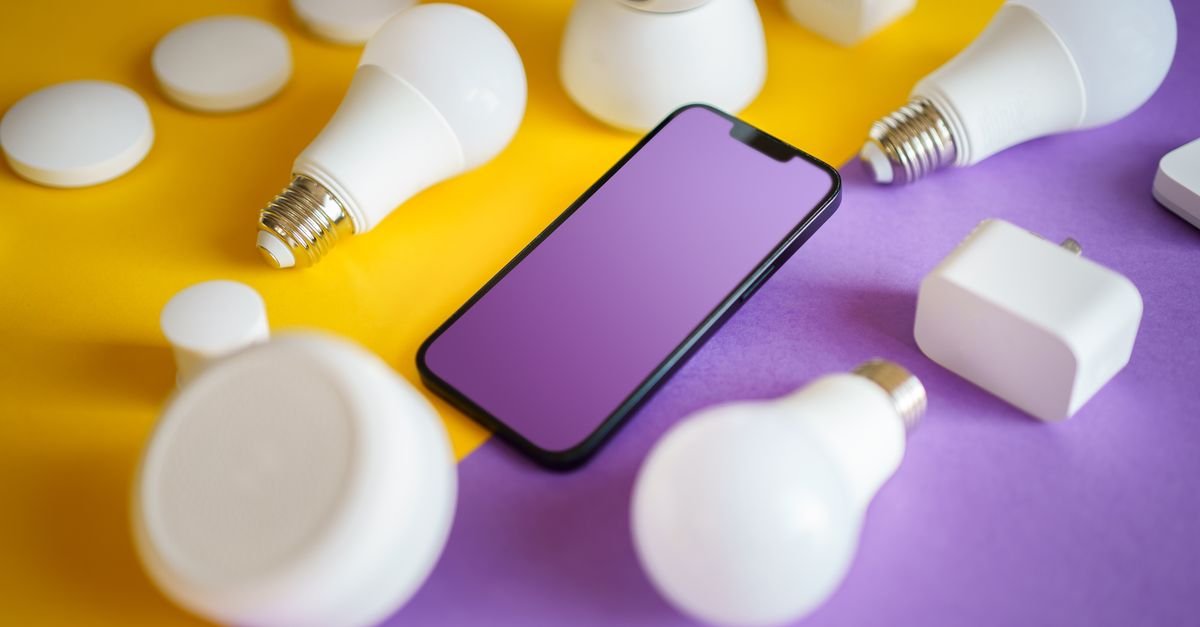
Lighting runs every day, so reducing its waste delivers steady, compounding savings. Smart bulbs use efficient LED technology and add control that prevents lights burning needlessly.
Automation That Cuts Waste
Schedule lights to turn off automatically, set them to switch off when a room is empty, or control them remotely so you never leave lights on after leaving home. Dimming reduces consumption further while setting the mood. The combination of efficient bulbs and smart control means you only use the light you actually need, which is where the savings come from.
Smart Plugs: Kill Phantom Power
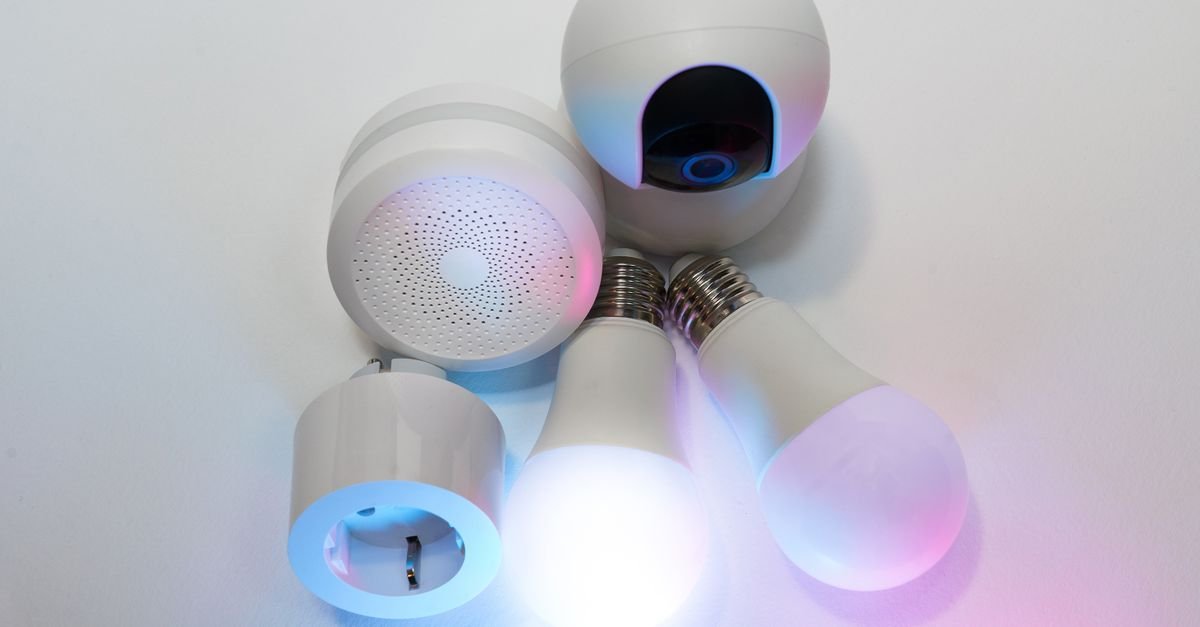
Many devices draw power around the clock even when “off” — the so-called phantom or standby load that quietly inflates bills. Smart plugs are an inexpensive fix. They let you cut power completely to devices when not in use, schedule them to switch off overnight, and monitor how much energy individual appliances draw. Plugging entertainment systems, chargers, and other standby culprits into smart plugs eliminates a hidden cost most people never notice. For the price, the return is excellent.
Smart Power Strips and Energy Monitors
Smart power strips extend the same idea to clusters of devices, cutting standby power to a whole entertainment or office setup at once, sometimes automatically when a main device turns off. Energy monitors, meanwhile, give you something powerful: visibility. By showing where your electricity actually goes, they reveal the appliances costing you most and let you target your savings. You can’t reduce what you can’t see, and a monitor turns guesswork into informed action.
Smart Blinds and Climate Helpers
Some of the best energy savings come from working with the sun rather than against it. Smart blinds or shades can close automatically during the hottest part of the day to keep a home cooler, reducing cooling demand, or open to let warmth in when it’s cold. Combined with a smart thermostat, this passive temperature management lightens the load on heating and cooling. It’s a quieter saving, but a real one, especially in homes with lots of glass.
How to Get the Most Savings
Buying smart devices is only half the equation — using them well is the other half. Set up automations and schedules rather than relying on manual control, since the savings come from consistency you don’t have to think about. Use an energy monitor to find your biggest power users and tackle those first. Combine devices — a thermostat, smart lighting, and plugs working together — for compounding effect. And review your setup occasionally to refine schedules as your routine changes. The households that save most are the ones that let automation do the work.
Start Where the Savings Are Biggest
If you’re building up gradually, follow the savings. Begin with a smart thermostat, since climate control is the largest cost. Add smart lighting next for daily, compounding savings, then smart plugs to kill phantom power cheaply. Layer in monitoring to guide further decisions, and consider blinds or power strips as refinements. Spending in this order means each purchase pays back as fast as possible, funding the next step.
Where to Buy These Energy-Saving Smart Devices
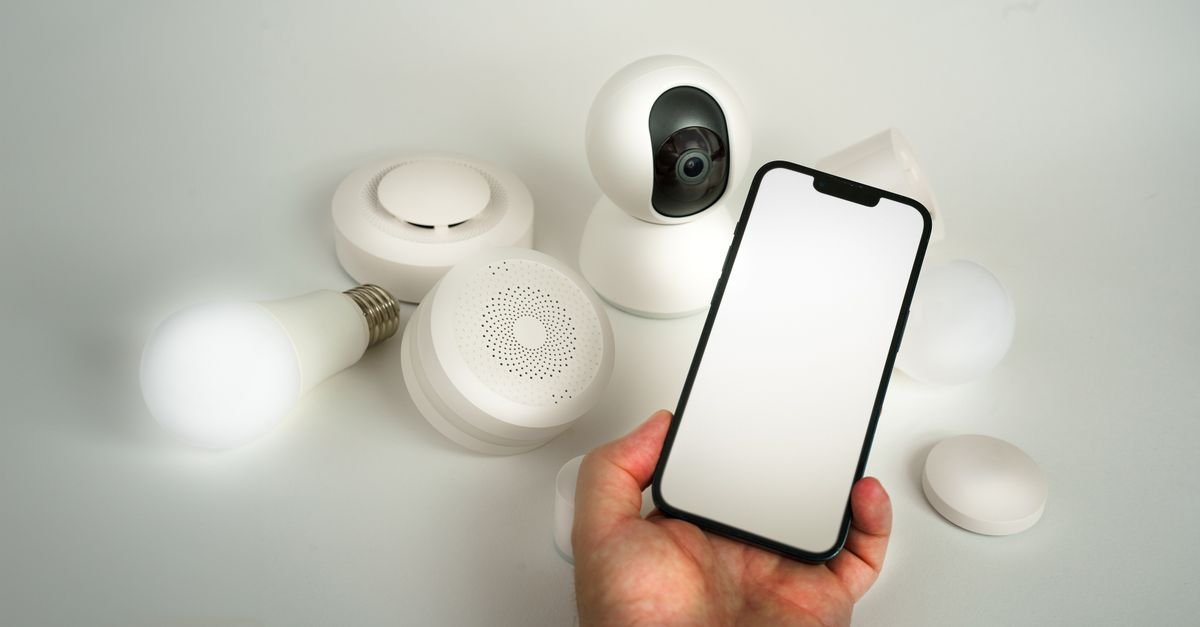
The products and categories covered above are easy to find online. Compare current options, features, and prices here:
Frequently Asked Questions
What smart home device saves the most energy?
A smart thermostat, because heating and cooling are the largest energy costs in most homes. By matching temperature to your routine and not conditioning an empty house, it delivers the biggest savings.
Do smart plugs really save money?
Yes. They eliminate phantom or standby power that many devices draw around the clock, let you schedule devices off, and show how much energy appliances use — all for a low cost.
How do smart lights reduce energy use?
They use efficient LED technology and add control — scheduling, motion-based switching, remote control, and dimming — so you only use the light you actually need.
What’s the best order to buy energy-saving smart devices?
Start with a smart thermostat for the biggest savings, then smart lighting, then smart plugs for phantom power, and add energy monitoring to guide further decisions.
Key Takeaways
- A smart thermostat is the biggest energy saver — it manages your largest cost automatically.
- Smart lighting delivers steady, compounding savings through efficiency and automation.
- Smart plugs and power strips cheaply eliminate phantom standby power.
- Energy monitors reveal where your power goes so you can target savings.
- Use automation and combine devices for the most savings, and buy in order of biggest payback.
Smart home technology pays you back when you focus on the devices that cut real energy waste. Start with a thermostat, add lighting and plugs, let automation do the work, and watch your bills fall. For more guidance, explore our home technology guides and the full Smart Home & Tech collection.

I'm Nasir Uddin Khan, founder of HomeNeeds24 and a senior IT consultant with 18+ years' experience in Oracle database administration, enterprise infrastructure and ERP system design. I write the buying guides here and I build every calculator on the site myself, from published engineering standards rather than opinion. My research is structured rather than lab-based: manufacturer specifications, safety and efficiency standards, and the trade-offs that repeat across large volumes of verified customer reviews. Where I have direct hands-on experience — smart home, networking, energy and anything computer-adjacent — I say so in the guide.