
Color is the most powerful and affordable tool in decorating. The right wall color can make a room feel bigger, calmer, cozier, or more energetic — and the wrong one can fight everything else you’ve done. Yet choosing color is where many people freeze, overwhelmed by endless options. The secret is to choose color with intention, based on how each room is used and how you want it to feel.
Also Read



This guide explains how to choose the right wall color and decor for each room, how color affects mood, and how to combine it with wall decor for a cohesive, polished home. With a few principles, the choice becomes far less daunting.
Understand How Color Affects Mood
Color isn’t just decoration — it shapes how a room feels and even how you behave in it. Before picking shades, it helps to understand the broad effects. Cool tones like blues and greens are calming and restful, suiting bedrooms and bathrooms. Warm tones like yellows, terracottas, and warm neutrals feel energizing and sociable, suiting kitchens and living areas. Neutrals are versatile and timeless, providing a calm backdrop for any room.
Match the color’s mood to the room’s purpose. A bedroom benefits from restful tones that help you wind down; a social space can carry warmer, livelier color. Choosing with the room’s function in mind almost guarantees a result that feels right.
Consider the Room’s Light
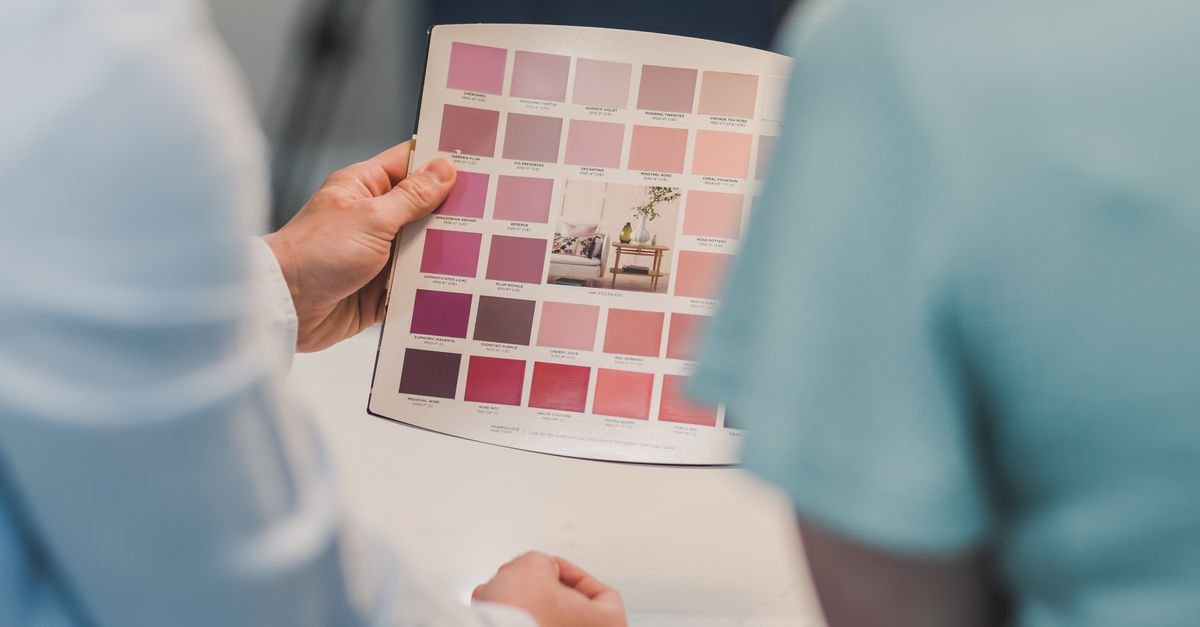
The same color looks dramatically different depending on light, which is why a shade you loved on a chip can disappoint on the wall. Natural light changes through the day, and artificial light has its own tone. North-facing rooms get cooler light that can make colors feel flat, so warmer shades often work better there. Brighter, sunnier rooms can handle cooler or bolder colors.
Always Test First
Never commit to a color without testing it in the actual room. Paint a sample patch and observe it at different times of day and under your evening lighting. This single step prevents the most common and expensive color regret. What looks perfect in a store can look entirely different at home.
Make Rooms Feel Bigger or Cozier
Color directly affects how spacious a room feels. Light, soft colors reflect light and make a room feel larger and airier — a reliable choice for small spaces. Darker, richer colors absorb light and make a large or sparse room feel cozier and more intimate. You can use this deliberately: lighten a cramped room to open it up, or deepen a cavernous one to make it inviting. An accent wall in a deeper shade adds depth and a focal point without darkening the whole room.
Build a Cohesive Color Scheme
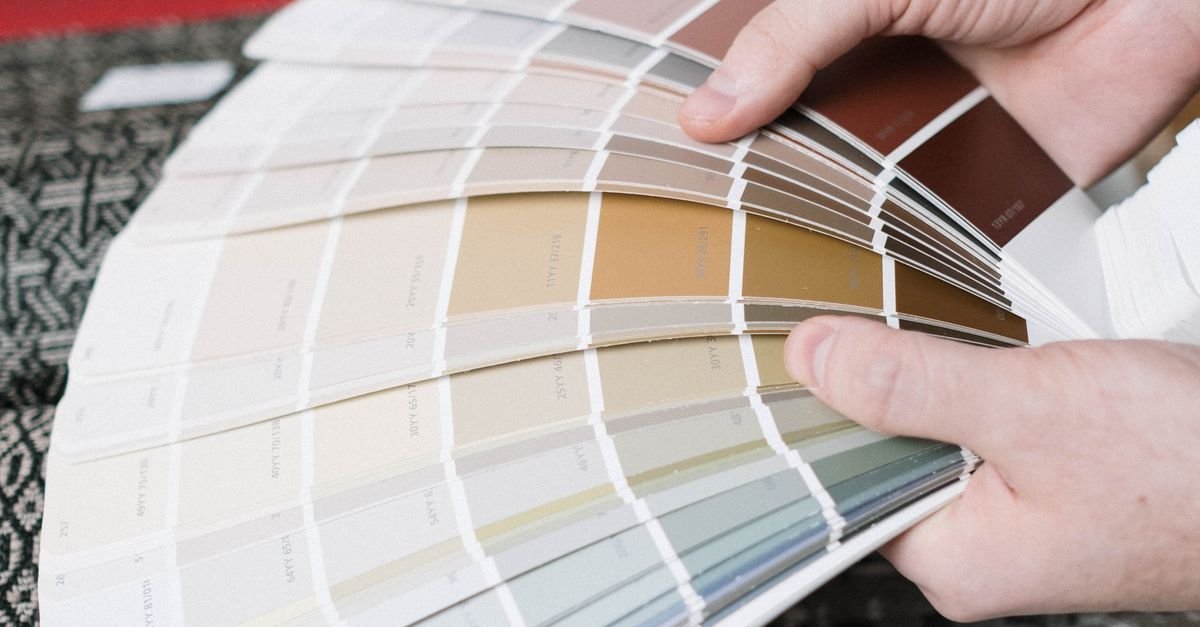
A home feels designed when its colors relate across rooms rather than changing randomly behind every door. Choose a palette of a few colors that work together and carry them through the home in different proportions. A common approach is a dominant neutral, a secondary color, and an accent, applied in varying amounts room to room. This creates flow — rooms feel connected as you move between them — while still allowing each space its own character.
Coordinate Wall Color With Decor
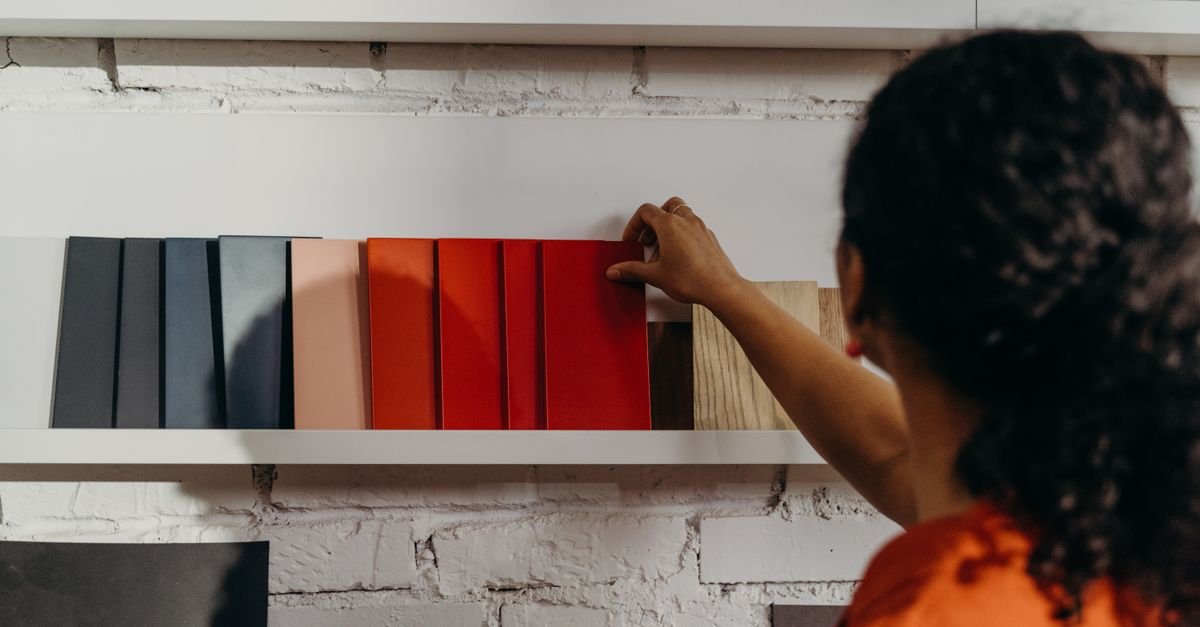
Wall color and wall decor should work as a team. A neutral wall lets bold art and colorful decor stand out, while a colored wall calls for decor that complements rather than competes. Pull your accent colors from the room into the art, cushions, and accessories so everything feels intentional. Consider contrast too: art shows best against a wall that sets it off, whether through color or simple neutrality. Thinking of the wall and its decor together produces a far more finished look than choosing each in isolation.
Room-by-Room Quick Guidance
Each room has its own ideal approach. Bedrooms benefit from calming, restful tones for better sleep. Living rooms suit warm, welcoming colors or versatile neutrals that flatter gatherings. Kitchens can take fresh, clean, or warm energizing tones. Bathrooms feel spa-like in soft, cool, or crisp shades. Home offices benefit from colors that aid focus without being dull. Use these as starting points, then adjust to your light and taste.
Frequently Asked Questions
How do I choose the right wall color for a room?
Match the color’s mood to the room’s purpose — calming tones for bedrooms, warm tones for social spaces — consider the room’s light, and always test a sample on the wall before committing.
What colors make a room look bigger?
Light, soft colors reflect light and make a room feel larger and airier, which is why they’re a reliable choice for small spaces. Darker colors make a room feel cozier and more intimate.
Why does paint look different on my wall than in the store?
Lighting changes how color appears. Natural and artificial light differ, and they shift through the day, so always test a sample patch in the actual room at different times before choosing.
How do I make my home’s colors feel cohesive?
Choose a palette of a few colors that work together and carry them through the home in different proportions — a dominant neutral, a secondary color, and an accent — so rooms feel connected.
Key Takeaways
- Match each room’s color to its mood and purpose — calming for rest, warm for social spaces.
- Consider the room’s light and always test a sample on the wall before committing.
- Use light colors to enlarge a space and darker shades to make it cozier.
- Build a cohesive palette carried through the home in varying proportions.
- Coordinate wall color with art and decor so they complement rather than compete.
Choosing wall color is far less daunting when you start with how a room is used and how you want it to feel. Consider mood and light, test before committing, and coordinate color with decor for a home that feels intentional throughout. For more ideas, browse our home styling guides and the full Wall Art & Decor collection.

I'm Nasir Uddin Khan, founder of HomeNeeds24 and a senior IT consultant with 18+ years' experience in Oracle database administration, enterprise infrastructure and ERP system design. I write the buying guides here and I build every calculator on the site myself, from published engineering standards rather than opinion. My research is structured rather than lab-based: manufacturer specifications, safety and efficiency standards, and the trade-offs that repeat across large volumes of verified customer reviews. Where I have direct hands-on experience — smart home, networking, energy and anything computer-adjacent — I say so in the guide.