
Walk into a well-designed home and it feels coherent — like every choice belongs together. That coherence almost always comes from a clear interior design style guiding the decisions. Without one, rooms become a collection of pieces that don’t quite relate. With one, even modest furnishings look intentional. Understanding the major styles is the first step to giving your home a look that feels pulled-together and personal.
Also Read

This guide explains the most popular interior design styles in plain terms, how to recognize them, and how to find the one that suits your home and how you live. You don’t have to follow any style rigidly — but knowing them gives you a compass for every decorating decision.
Why Choosing a Style Matters
A design style isn’t about rules or trends — it’s a framework that makes decisions easier. When you know your style, you can tell at a glance whether a piece fits, which stops impulse buys that clash. It gives a home consistency from room to room, which is what makes a space feel professionally designed rather than accidental. Think of a style as the thread that ties everything together.
Most homes blend two or three styles rather than following one purely, and that’s perfectly good design. The point is to choose a direction so your choices reinforce each other instead of competing.
Modern and Contemporary
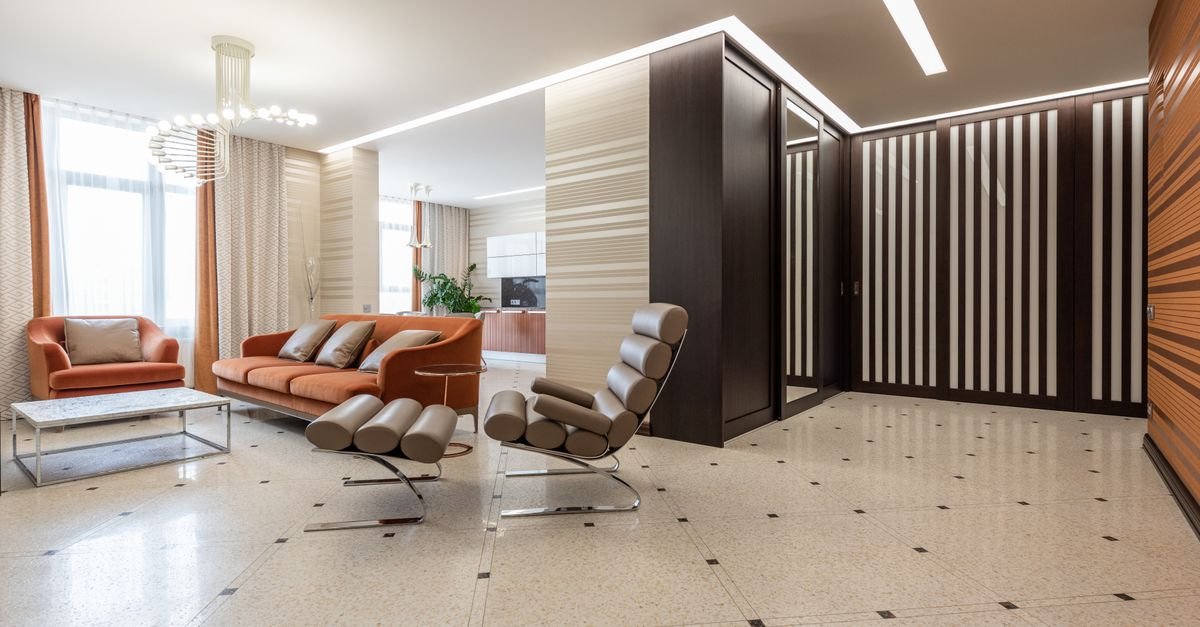
Modern style is defined by clean lines, simplicity, and a sense of calm. It favors uncluttered spaces, functional furniture, and a restrained palette, often with neutral tones and a few bold accents. Contemporary is similar but more fluid, reflecting current trends rather than a fixed era.
This look suits people who like order and a streamlined home. To achieve it, keep surfaces clear, choose furniture with simple geometric shapes, and let a few quality pieces stand out rather than filling every space. The beauty is in restraint.
Minimalist
Minimalism takes simplicity further: only what’s necessary and beautiful, nothing more. It relies on a neutral palette, plenty of empty space, and a few carefully chosen items that each earn their place. The result is serene and uncluttered.
Minimalism suits those who find calm in simplicity and don’t like visual noise. It demands discipline — every item must justify itself — but rewards you with a peaceful, easy-to-maintain home. Quality matters more than quantity here than in any other style.
Scandinavian
Scandinavian style blends minimalism with warmth and coziness. It uses light, neutral colors, natural materials like wood, soft textures, and lots of natural light to create spaces that feel both clean and inviting. Functionality is central, but so is comfort — the famous sense of hygge.
This widely loved style suits almost any home. Achieve it with light woods, soft throws and cushions, simple functional furniture, greenery, and a bright, airy feeling. It’s minimalism you can actually relax in.
Industrial
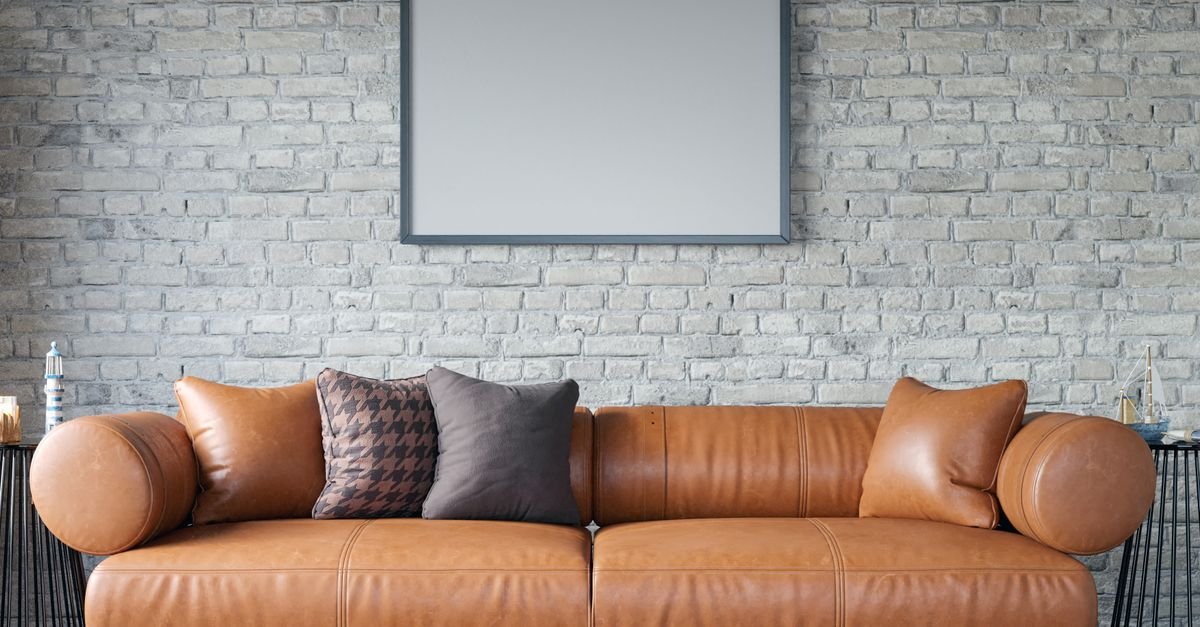
Industrial style draws on the look of warehouses and factories: exposed materials, raw textures, and a utilitarian feel. Think exposed brick, metal, weathered wood, and a darker, neutral palette with a rugged edge. It feels urban, honest, and characterful.
It suits open spaces and those who like a bold, unpolished look. You can bring in elements — metal-and-wood furniture, exposed-bulb lighting, raw textures — without a full loft conversion. A few industrial touches add edge to a softer scheme.
Traditional and Farmhouse
Traditional style is classic and timeless, with rich woods, elegant furniture, symmetry, and a sense of comfort and history. Farmhouse style is its cozier, more rustic cousin, mixing warm, lived-in comfort with practical charm — natural materials, vintage touches, and a welcoming feel.
These styles suit people who love warmth, comfort, and a homely atmosphere. Achieve them with classic furniture shapes, warm tones, natural materials, and personal, characterful touches. They feel settled and inviting rather than sleek.
Bohemian and Eclectic
Bohemian style is free-spirited and layered, mixing colors, patterns, textures, and global influences with abundant plants and personal objects. Eclectic style similarly blends pieces from different styles and eras, held together by a thoughtful eye. Both celebrate personality over uniformity.
These suit creative people who want a home full of character and story. The key to making them work — rather than look chaotic — is an underlying thread, such as a consistent color or a sense of intentional curation, that ties the mix together.
How to Find Your Style
To discover your style, notice which rooms and images you’re consistently drawn to, and look for the common threads — colors, materials, levels of simplicity or richness. Consider how you live: a busy family needs durability and easy maintenance, while a quiet household can lean more delicate or minimal. Don’t be afraid to blend styles you love; the best homes reflect their owners. Start with a direction, apply it consistently, and let your home evolve naturally over time.
Frequently Asked Questions
How do I find my interior design style?
Notice which rooms and images you’re repeatedly drawn to and look for common threads in color, materials, and simplicity. Consider how you live, then choose a direction — blending a couple of styles you love is perfectly fine.
Can I mix different design styles?
Yes — most well-designed homes blend two or three styles. The key is an underlying thread, like a consistent color palette or a sense of intentional curation, that ties the mix together.
What’s the difference between modern and contemporary?
Modern refers to a specific clean-lined, simple aesthetic, while contemporary is more fluid and reflects current trends. They overlap, but contemporary changes with the times.
Which design style is easiest to live with?
Scandinavian is widely loved because it combines clean simplicity with warmth and comfort, suits almost any home, and is easy to maintain.
Key Takeaways
- A design style is a framework that makes every decorating decision easier and gives your home coherence.
- Modern, contemporary, and minimalist emphasize clean lines, simplicity, and restraint.
- Scandinavian, traditional, and farmhouse add warmth, comfort, and natural materials.
- Industrial brings raw edge; bohemian and eclectic celebrate personality and layering.
- Find your style by noticing what you’re drawn to, consider how you live, and feel free to blend.
Knowing the design styles gives you a compass for creating a home that feels coherent and personal. Find the look that fits you, apply it consistently, and let your space evolve. For more inspiration, visit our home decor guides and the full Home Decor & Interiors collection.

I'm Nasir Uddin Khan, founder of HomeNeeds24 and a senior IT consultant with 18+ years' experience in Oracle database administration, enterprise infrastructure and ERP system design. I write the buying guides here and I build every calculator on the site myself, from published engineering standards rather than opinion. My research is structured rather than lab-based: manufacturer specifications, safety and efficiency standards, and the trade-offs that repeat across large volumes of verified customer reviews. Where I have direct hands-on experience — smart home, networking, energy and anything computer-adjacent — I say so in the guide.