
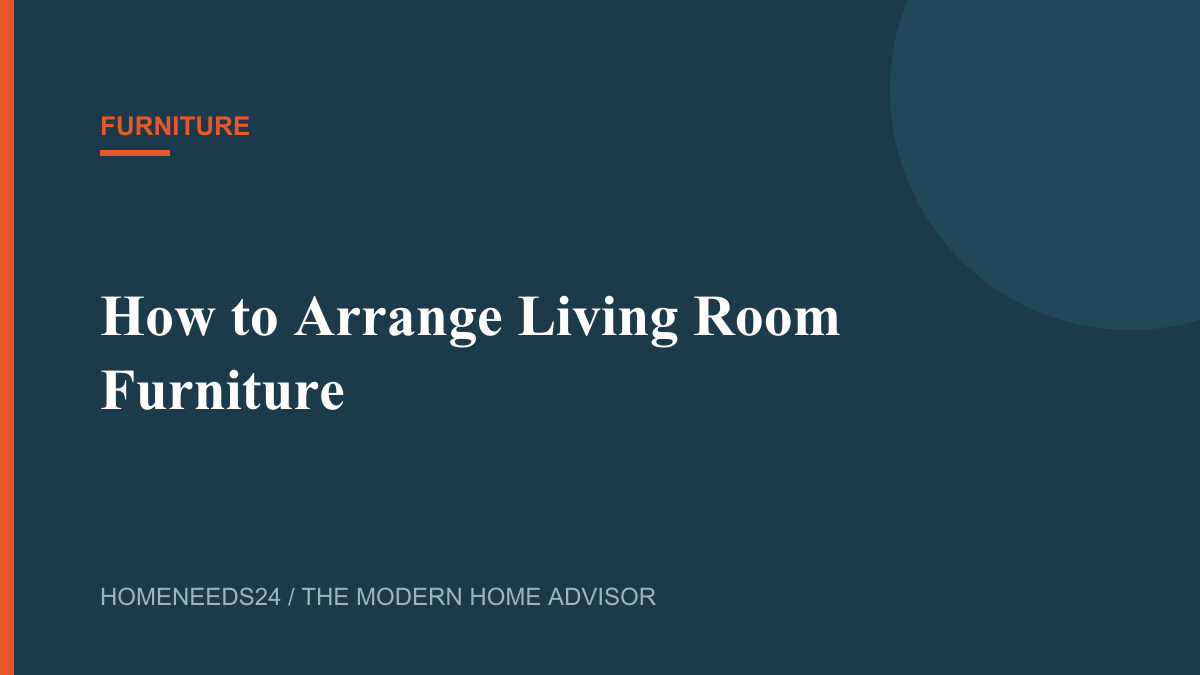
You can own beautiful furniture and still have a living room that feels awkward — cramped in some spots, empty in others, with conversations shouted across the room. The problem usually isn’t the pieces; it’s the arrangement. How furniture is positioned shapes how a room flows, feels, and functions, and getting it right transforms a space without spending a penny.
Also Read
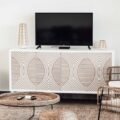
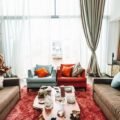
This guide covers how to arrange living room furniture for flow and comfort: finding the focal point, creating conversation areas, allowing easy movement, and avoiding the common mistakes that make rooms feel off. The principles work whether your living room is large or small.
Start With the Room’s Focal Point
Every well-arranged living room has a focal point — the natural center of attention that furniture orients around. It might be a fireplace, a large window with a view, or the television. Identifying it first gives you an anchor for everything else.
Arrange your main seating to face or angle toward the focal point so the room has a clear sense of purpose and direction. When furniture relates to a focal point, a room feels intentional; when it’s pushed randomly against walls, it feels aimless. Decide what the room is centered on, then build around it.
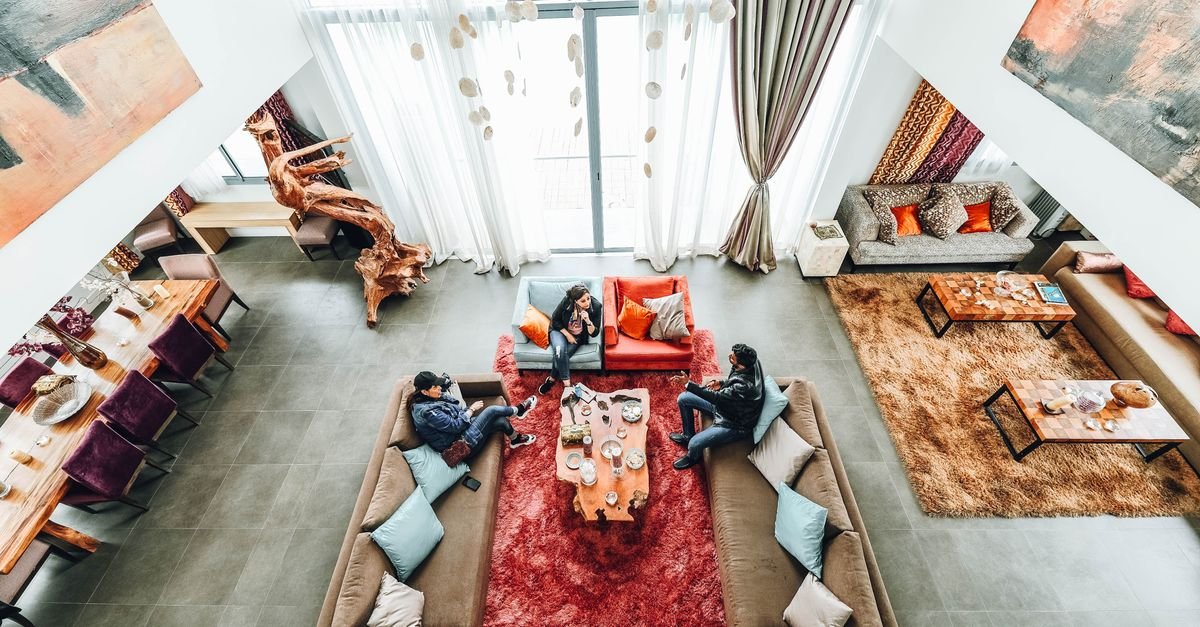
Create a Conversation Area
The heart of most living rooms is a place where people can sit and talk comfortably. The biggest arrangement mistake is pushing all the furniture against the walls, which creates a vast empty middle and forces people to converse across a gulf.
Bring Seating Closer Together
Instead, group seating so people can talk without raising their voices — chairs and sofas angled toward each other, close enough to feel connected but with room to move. A coffee table or ottoman in the center anchors the group and gives everyone a surface within reach. Pulling furniture in from the walls, even a little, makes a room feel cozier and more sociable, not smaller.
Allow for Easy Movement
Good flow means people can move through and around a room without squeezing or detouring. Leave clear pathways between major pieces — enough to walk through comfortably — and make sure the main routes through the room aren’t blocked by furniture. There should be easy access to seats, and no one should have to climb over a coffee table to sit down. A room that’s easy to move through feels relaxed; one you have to navigate carefully feels stressful, however nice the furniture.
Get the Proportions and Placement Right
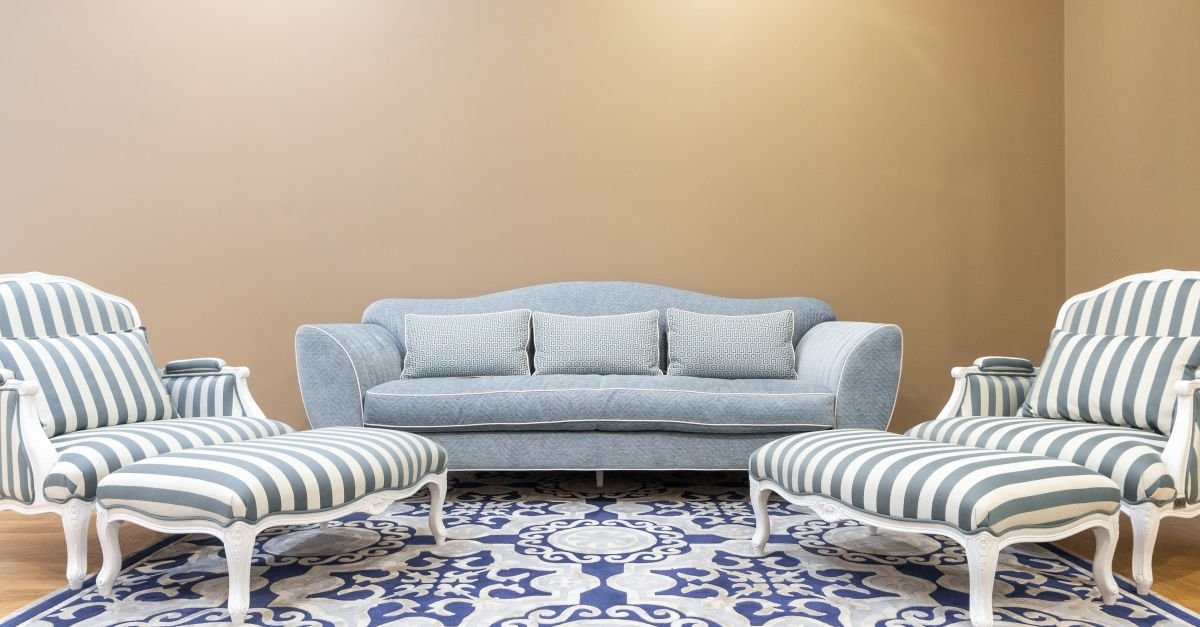
Scale and spacing make a big difference in comfort. Keep the coffee table a comfortable reach from the seating — close enough to set a drink down without leaning awkwardly. Side tables should sit near chairs and sofa ends so there’s always somewhere to place a lamp or cup. A rug that’s large enough to sit under the front legs of the main seating visually ties the grouping together; a too-small rug makes furniture feel disconnected and the room feel cheaper. Match the size of pieces to the room so nothing overwhelms or gets lost.
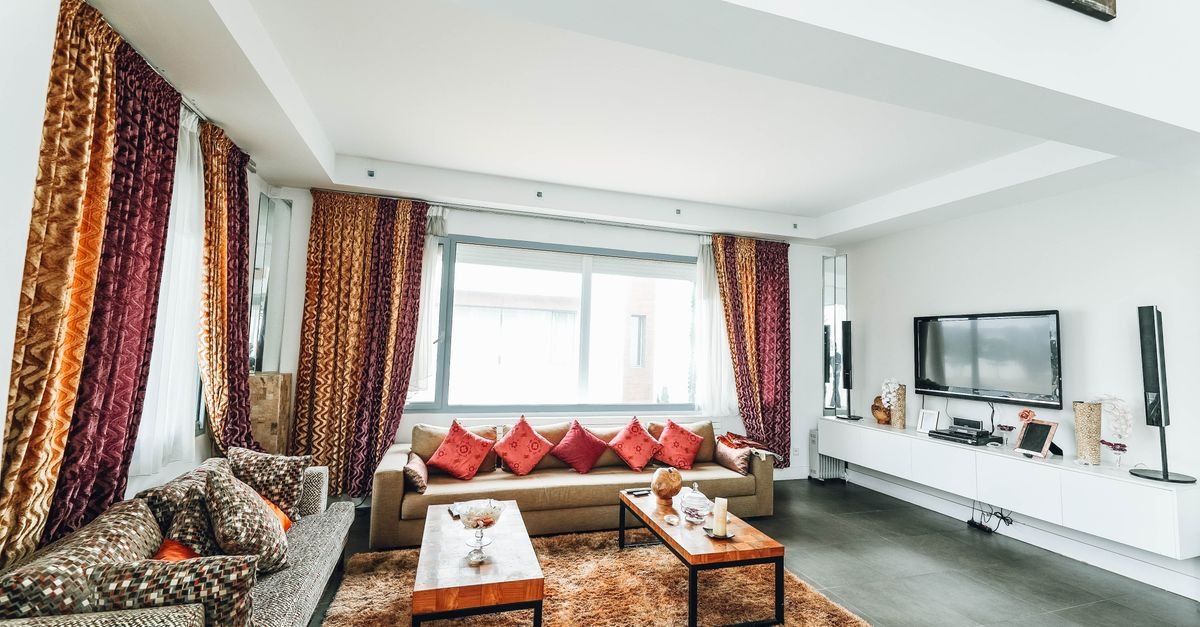
Balance the Room
A well-arranged room feels balanced, with visual weight distributed rather than crowded on one side. If a large sofa sits on one side, balance it with substantial pieces — chairs, a cabinet, or a tall plant — on the other. Vary heights too, mixing low seating with a taller bookshelf or lamp so the eye moves comfortably around the room. Balance doesn’t mean symmetry; it means no part of the room feels heavy while another feels empty.
Arrange Small Living Rooms Smartly
Small living rooms need extra thought, but the same principles apply. Choose appropriately scaled furniture — pieces with exposed legs feel lighter and make the floor seem larger. Multi-functional pieces like a storage ottoman or nesting tables add function without bulk. Float the seating slightly off the walls if you can, and keep pathways clear. Avoid overcrowding; a few well-placed pieces feel more comfortable than a room stuffed with furniture. In small spaces, restraint creates the sense of comfort.
Avoid the Common Mistakes
A few frequent errors undo good arrangements. Pushing everything against the walls kills intimacy. Blocking natural light or walkways disrupts flow. Choosing a rug that’s too small leaves the grouping feeling adrift. Ignoring the focal point leaves the room without direction. And cramming in too much furniture makes even a large room feel tight. Knowing these pitfalls lets you sidestep them and arrange with confidence.
Frequently Asked Questions
How do I arrange living room furniture for the best flow?
Identify the focal point and orient seating toward it, group furniture into a conversation area pulled in from the walls, leave clear pathways for movement, and balance visual weight across the room.
Should furniture be against the walls?
Not necessarily. Pushing everything against the walls creates an empty middle and forces conversation across a gap. Pulling seating in, even a little, makes a room cozier and more sociable.
What size rug should I use in a living room?
Large enough that at least the front legs of your main seating sit on it. A too-small rug makes furniture feel disconnected and the room feel cheaper.
How do I arrange a small living room?
Use appropriately scaled furniture with exposed legs, add multi-functional pieces, keep pathways clear, and avoid overcrowding. A few well-placed pieces feel more comfortable than a stuffed room.
Key Takeaways
- Find the focal point first and orient your main seating toward it.
- Create a conversation area by grouping seating closer together, not against the walls.
- Leave clear pathways so people can move through the room easily.
- Get proportions right — reachable tables and a rug large enough to anchor the seating.
- Balance visual weight, scale furniture to the room, and avoid overcrowding.
Arranging furniture well is one of the cheapest ways to transform a room. Anchor to a focal point, build a comfortable conversation area, keep the flow open, and balance the space, and your living room will feel as good as it looks. For more guidance, visit our home setup guides and the full Furniture collection.

I'm Nasir Uddin Khan, founder of HomeNeeds24 and a senior IT consultant with 18+ years' experience in Oracle database administration, enterprise infrastructure and ERP system design. I write the buying guides here and I build every calculator on the site myself, from published engineering standards rather than opinion. My research is structured rather than lab-based: manufacturer specifications, safety and efficiency standards, and the trade-offs that repeat across large volumes of verified customer reviews. Where I have direct hands-on experience — smart home, networking, energy and anything computer-adjacent — I say so in the guide.