
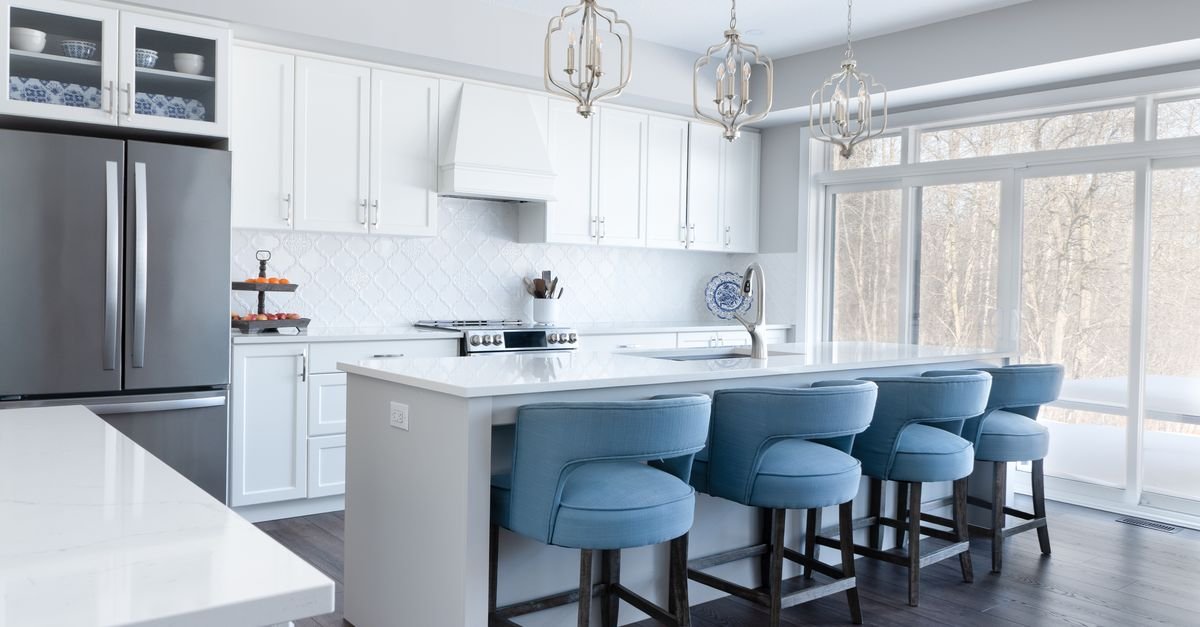
The best bar stool for your home is the one that matches your counter height first – counter stools for a 36-inch counter, bar stools for a 42-inch bar – and after that, a swivel seat with a supportive back is the most comfortable choice for most people. Here are the best bar stools for 2026 by use case, plus how to measure and choose them.
Also Read


See Top-Rated Bar Stools on Amazon →
Key Takeaways
- Height first: counter stools (~24-26 in seat) for counters, bar stools (~28-30 in) for bars.
- Leave room: allow about 26-30 inches of counter width per stool.
- Comfort: a back and a footrest make a big difference for long sits.
- Swivel seats add convenience; adjustable stools fit any counter.
- Match the style and material to your kitchen and how much you’ll use them.
How we picked these bar stools
We focused on the things that make bar stools comfortable and long-lasting.
That means correct seat height for common counters, sturdy construction, comfortable seats with footrests, and easy-clean materials. We also weighed style versatility and value.
Instead of naming products that change constantly, we’ve grouped picks by how you’ll use them so you can match stools to your kitchen or bar.
How to choose bar stools
Choosing bar stools starts with your counter, not the stool.
Measure your counter or bar height, decide how many stools fit, then pick the features and style you want. The Lamps Plus buying-guide video below covers the height basics well.
Once you know your height and count, the use-case picks below make it simple.
The best bar stools by use case
Here are our top bar stool picks for 2026, grouped by what you need.
Best overall: swivel stool with back
A swivel stool with a supportive back is the most comfortable, practical pick for most kitchens.
The swivel makes getting in and out easy, the back supports longer sits, and a footrest adds comfort. Choose the seat height to match your counter.
If you’re not sure what to buy, start here – and see our guide to swivel bar stools with backs.
Check Swivel Bar Stools on Amazon →
Best budget: simple backless stool
For a wallet-friendly option, a simple backless stool does the job.
These cost less, tuck neatly under the counter, and suit quick, casual seating. You give up back support for longer sits.
Great for occasional use and tight budgets.
See Budget Bar Stools on Amazon →
Best counter-height: 24-26 inch stools
For a standard 36-inch kitchen counter, counter-height stools are the right fit.
A seat height of roughly 24-26 inches leaves comfortable legroom under a counter. This is the most common home height.
Perfect for kitchen islands and peninsulas.
Check Counter-Height Stools on Amazon →
Best bar-height: 28-30 inch stools
For a raised bar around 42 inches tall, bar-height stools are what you need.
A seat height near 28-30 inches suits a home bar or a higher counter overhang. Don’t mix this up with counter height – it’s the most common sizing mistake.
Ideal for home bars and pub-height tables.
See Bar-Height Stools on Amazon →
Best adjustable: gas-lift height-adjustable stool
Not sure of your height, or need flexibility? An adjustable stool solves it.
A gas-lift mechanism raises and lowers the seat to fit counter or bar height, and it adapts as needs change. Great for households with different users.
The safe pick when you’re unsure of the exact height.
Check Adjustable Bar Stools on Amazon →
Best for small spaces: backless or nesting stools
In a compact kitchen, backless or low-profile stools keep things tidy.
They slide fully under the counter when not in use, freeing up walkway space. Some nest together for storage.
Ideal for apartments and small kitchens.
See Space-Saving Stools on Amazon →
Best for comfort: upholstered stool
If you linger over meals or work at the counter, an upholstered stool adds real comfort.
A padded, cushioned seat with a back is the most comfortable for long sits. Choose an easy-clean fabric or faux leather in busy kitchens.
Great for dining and working at the counter.
Check Upholstered Bar Stools on Amazon →
Best outdoor: weather-resistant stool
For a patio bar or outdoor kitchen, choose weather-resistant stools.
Look for materials like powder-coated metal, all-weather wicker or teak that stand up to sun and rain. Avoid indoor fabrics outside.
Perfect for outdoor entertaining spaces.
See Outdoor Bar Stools on Amazon →

Counter height vs bar height vs extra-tall stools
Getting the height category right is everything.
- Counter height (~24-26 in seat): for standard 36-inch counters and islands.
- Bar height (~28-30 in seat): for raised bars around 42 inches.
- Extra-tall/spectator (~33-36 in seat): for unusually high counters.
Always match the stool category to your surface height before anything else.
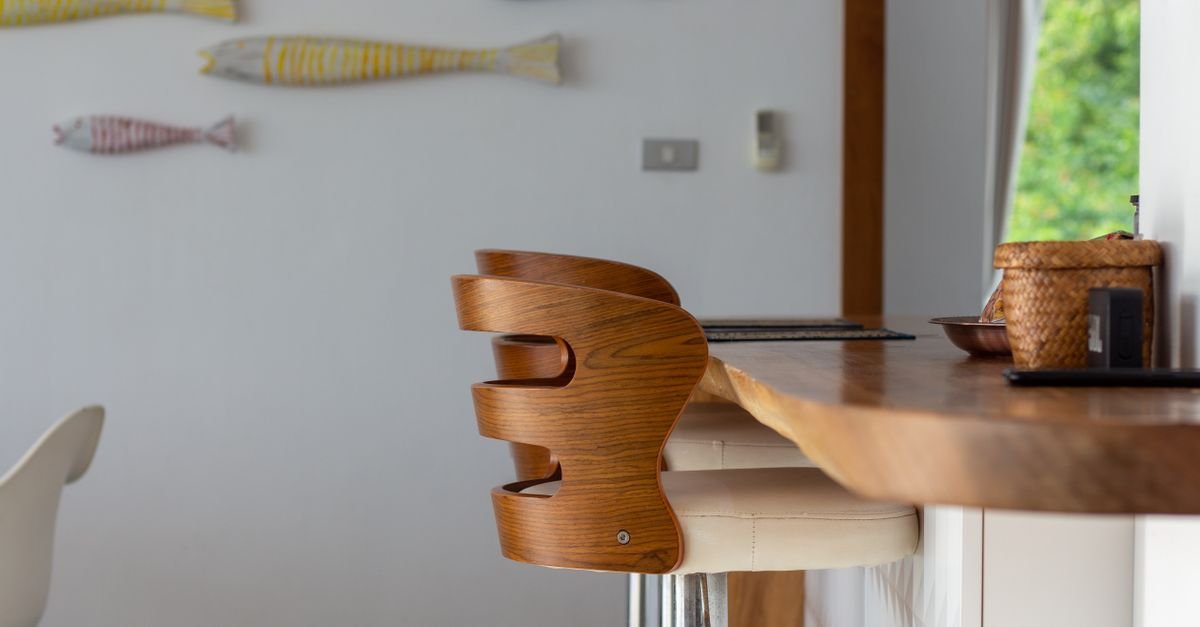
How to measure for bar stool height
Measuring correctly guarantees a comfortable fit.
Measure from the floor to the underside of your counter, then subtract about 10-12 inches for legroom – that’s your ideal seat height. For a 36-inch counter, that lands around 24-26 inches.
This clearance keeps knees comfortable and prevents a cramped, too-tall feel.
How many bar stools do you need?
Spacing keeps everyone comfortable and elbows apart.
Allow roughly 26-30 inches of counter width per stool, measured center to center, so people aren’t bumping. Divide your usable counter length by that figure to get your number.
It’s better to have one fewer stool with room to spare than to cram them in.
Backless vs stools with backs
The back question is about comfort versus space.
Stools with backs support longer sitting and are more comfortable for meals and work. Backless stools tuck away neatly, look cleaner and cost less, but suit shorter sits.
Choose backs for dining and working, backless for casual or tight spaces.
Swivel vs stationary stools
Swivel and fixed stools each have fans.
Swivel seats make it easy to turn and get in or out, which is great for social kitchens. Stationary stools are simpler, often more affordable, and don’t move around.
Swivels win on convenience; stationary wins on simplicity and price.
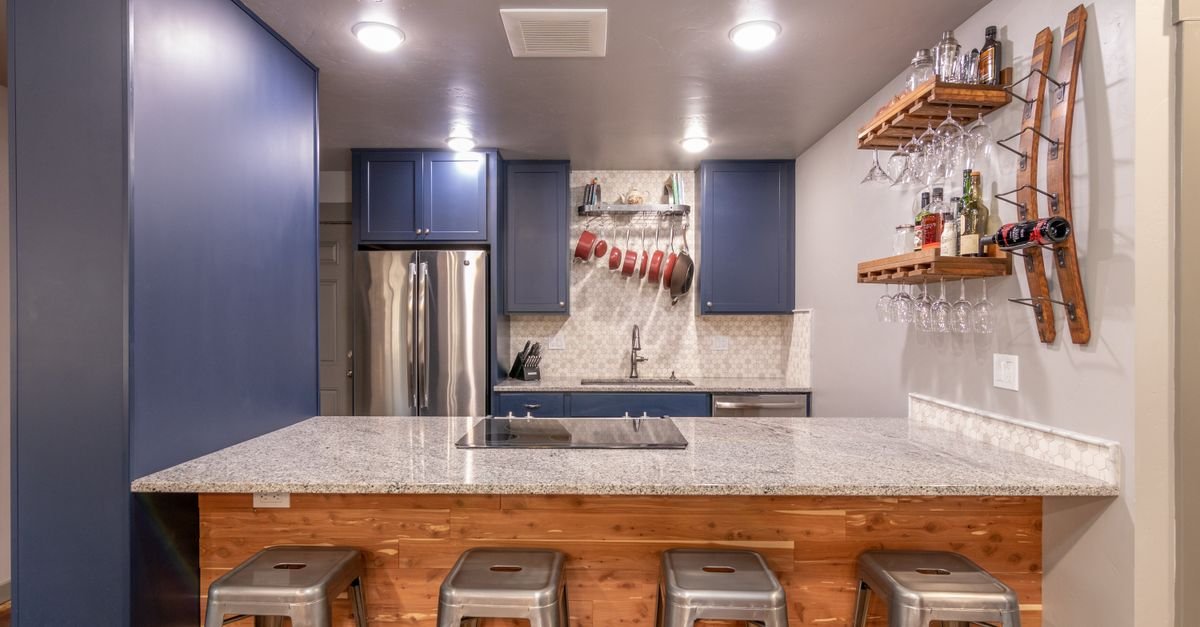
Best materials for bar stools
Material affects looks, durability and cleaning.
Metal is durable and modern, wood is warm and classic, and upholstered seats add comfort. For busy or kid-heavy kitchens, wipe-clean faux leather or metal beats delicate fabric.
Match the material to your style and how hard the stools will be used.
Key features to look for
A few features separate a great stool from a wobbly one.
- The right seat height for your counter.
- A sturdy frame and a decent weight capacity.
- A footrest for comfort.
- Floor-protecting feet to avoid scratches.
- Easy-clean seats for busy kitchens.
Stability and the correct height matter more than any single style detail.
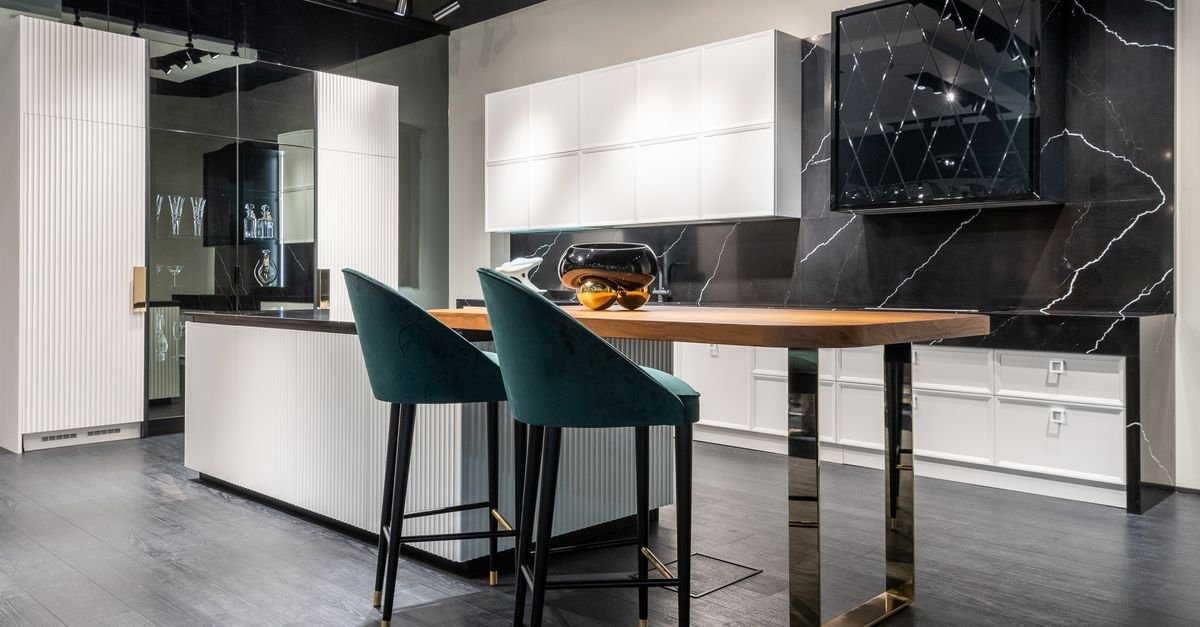
Bar stool styles to match your kitchen
Style ties the stools into your room.
Sleek metal suits modern and industrial kitchens, turned or wooden legs fit farmhouse and traditional spaces, and low-back upholstered stools feel transitional. Coordinate with your kitchen island and hardware.
Pick a style that echoes finishes already in your kitchen for a pulled-together look.
Are adjustable-height stools worth it?
Adjustable stools are a smart safety net.
If you’re unsure of your exact counter height, or different family members want different heights, a gas-lift stool adapts easily. They also work if you might change counters later.
For a fixed, known height, standard stools look a little more polished – but adjustable is the flexible choice.
Bar stools for kids and families
Family kitchens need stools that are safe and easy to clean.
Look for stable, wide bases, footrests kids can reach, and wipe-clean seats. Backless stools can be easier for little ones to climb on and off safely.
Avoid delicate fabrics and tippy designs where children will use them.
Bar stool mistakes to avoid
- Confusing counter and bar height. Measure first – it’s the top mistake.
- Cramming in too many. Allow 26-30 inches of width per stool.
- Ignoring the footrest. It’s key to real comfort.
- Choosing fragile fabric for a busy or kid-heavy kitchen.
- Forgetting floor protection. Add felt feet to prevent scratches.
How much should you spend on bar stools?
There’s a good stool at every price.
Simple backless and budget stools are inexpensive, mid-range swivel and upholstered stools offer the best balance of comfort and durability, and designer stools sit at the top.
For most people, a mid-range swivel stool with a back is the best value – comfort and durability without overspending.
How to care for and clean bar stools
A little care keeps stools looking new.
Wipe metal and wood with a damp cloth, treat upholstered seats per the fabric care code, and tighten any bolts periodically since daily use loosens them. Check and replace worn floor glides.
Regularly snugging the hardware prevents the wobble that shortens a stool’s life.
Do bar stools need a footrest?
A footrest makes a bigger comfort difference than most people expect.
Because bar stools lift your feet off the floor, a footrest supports your legs and prevents that dangling, uncomfortable feeling on longer sits. It also helps you get on and off safely.
For stools you’ll actually sit at during meals or work, a footrest is well worth prioritizing.
How much weight can bar stools hold?
Most quality bar stools support a good amount of weight, but capacity varies.
Everyday stools commonly hold around 250-300 pounds, while heavy-duty models hold more. Metal and solid-wood frames tend to be sturdier than lightweight designs.
Check the stated weight capacity before buying, especially for daily or heavy use.
Can you use bar stools at a dining table?
Usually not – standard dining tables are too low for bar stools.
A regular dining table works with chairs around 18 inches high, while bar and counter stools are much taller. Sitting a tall stool at a low table is awkward and cramped.
Match stools to raised counters and bars, and use dining chairs at standard tables.
How do you stop bar stools scratching the floor?
Floor protection is a small step that saves your flooring.
Add felt pads or rubber floor glides to the feet, especially on hardwood or tile, and check them periodically since they wear down. Swivel stools are gentler than dragging fixed ones.
For heavy use, a small rug or mat under the stools adds extra protection.
Are metal or wooden bar stools better?
Both are good – it comes down to style and use.
Metal stools are durable, easy to wipe clean and suit modern or industrial kitchens. Wooden stools feel warm and classic and fit farmhouse and traditional spaces, though they need a little more care.
For busy, messy kitchens, wipe-clean metal or sealed wood is the practical choice.
Frequently Asked Questions
What is the best bar stool to buy?
The best bar stool matches your counter height first – counter stools for a 36-inch counter, bar stools for a 42-inch bar. After that, a swivel stool with a supportive back and footrest is the most comfortable choice for most people.
What height bar stool do I need?
Measure from the floor to the underside of your counter and subtract about 10-12 inches for legroom. A standard 36-inch counter takes counter stools with a seat around 24-26 inches, while a 42-inch bar takes bar stools around 28-30 inches.
How many bar stools fit at my counter?
Allow roughly 26-30 inches of counter width per stool, measured center to center, so people have elbow room. Divide your usable counter length by that figure. It’s better to have one fewer stool than to crowd them.
What’s the difference between counter and bar stools?
Counter stools have a seat height around 24-26 inches for standard 36-inch counters, while bar stools sit higher at about 28-30 inches for 42-inch bars. Matching the stool to your surface height is the most important step.
Are swivel bar stools better?
Swivel stools make it easier to turn and get in and out, which is great for social kitchens, though they cost a little more and have more moving parts. Stationary stools are simpler and often cheaper. Choose based on convenience versus simplicity.
Should bar stools have backs?
Backs add comfort for meals, working and longer sits, while backless stools tuck away neatly, look cleaner and cost less. Choose stools with backs for dining and work, and backless for casual use or small spaces.
What material is best for bar stools?
Metal is durable and modern, wood is warm and classic, and upholstered seats are the most comfortable. For busy or kid-heavy kitchens, wipe-clean faux leather or metal is more practical than delicate fabric.
Are adjustable bar stools a good idea?
Yes, if you’re unsure of your exact counter height or different people will use them. A gas-lift stool adjusts to fit counter or bar height and adapts if you change counters later. For a fixed known height, standard stools look a bit more polished.
The bottom line
Great bar stools come down to getting the height right, then choosing comfort and style.
For most people a swivel stool with a back is the sweet spot; go adjustable if you’re unsure and backless for tight spaces.
Measure your counter, space them properly, and pick a durable, easy-clean material for years of use. For more, see our swivel bar stools guide and kitchen island ideas.

I'm Nasir Uddin Khan, founder of HomeNeeds24 and a senior IT consultant with 18+ years' experience in Oracle database administration, enterprise infrastructure and ERP system design. I write the buying guides here and I build every calculator on the site myself, from published engineering standards rather than opinion. My research is structured rather than lab-based: manufacturer specifications, safety and efficiency standards, and the trade-offs that repeat across large volumes of verified customer reviews. Where I have direct hands-on experience — smart home, networking, energy and anything computer-adjacent — I say so in the guide.