
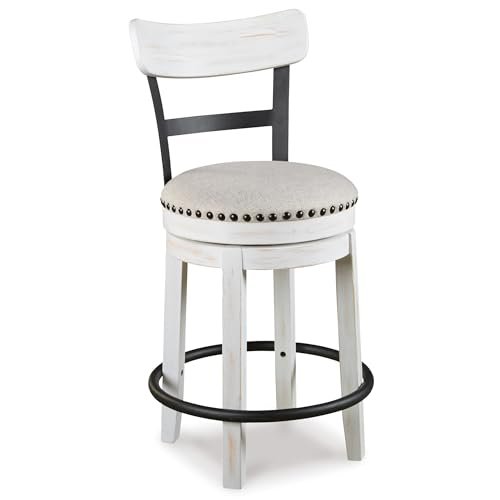
A kitchen island is the hardest-working feature in a modern kitchen. Done well, it adds prep space, storage, seating, and a natural gathering spot all at once. Done poorly, it crowds the room and disrupts the flow. The difference comes down to design — choosing the right size, layout, and features for how you actually cook and live. This guide covers the kitchen island designs worth considering and how to pick the one that fits your space.
Also Read



What a Kitchen Island Adds
An island is popular for good reason: it does several jobs at once. It gives you extra counter space for prep, room for storage below, a place to seat family or guests, and often a home for appliances like a cooktop or sink. It also anchors the kitchen socially — it’s where people naturally gather while you cook. Before choosing a design, it helps to know which of these jobs matters most to you, because the best island is the one built around your priorities.
Popular Kitchen Island Designs
1. The Classic Storage Island
The most common design centers on storage and prep. It’s a solid block of cabinetry topped with a durable worktop, packed with drawers, cupboards, or open shelving below. This is ideal if your main goal is more storage and counter space. You can tailor the storage inside — deep drawers for pots, racks for trays, a pull-out bin — making it as functional as it is good-looking.
2. The Seating / Breakfast-Bar Island
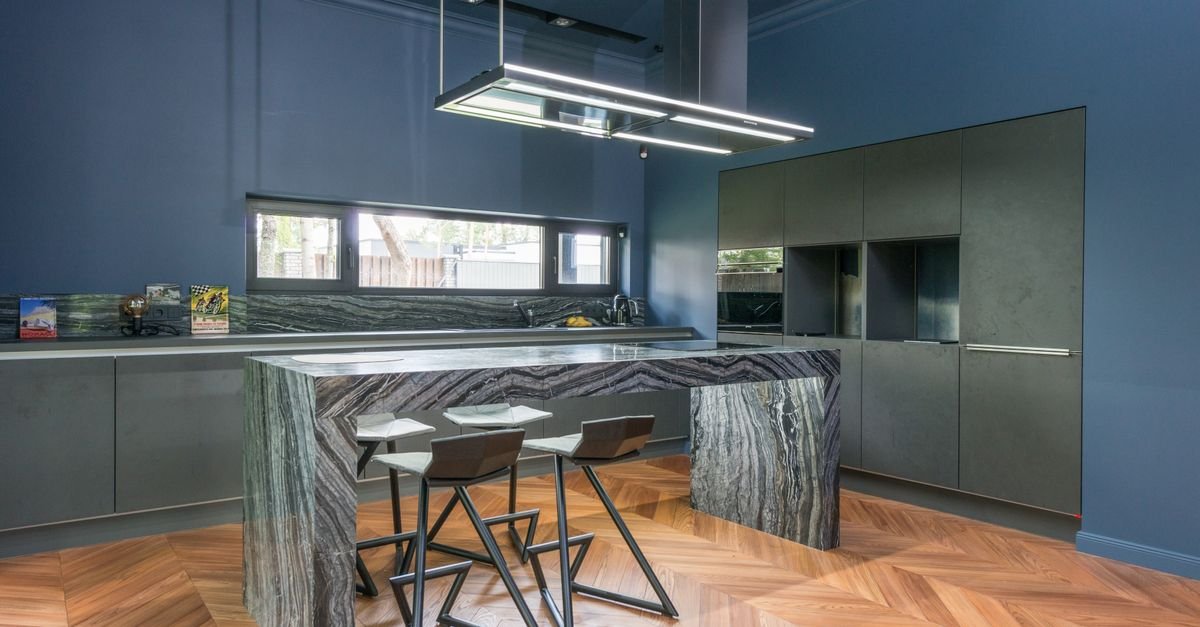
If you want the island to double as a casual eating and socializing spot, design in an overhang on one side for stools. This turns the island into a breakfast bar for quick meals, homework, or chatting while you cook. Allow enough overhang for legroom and enough width per stool so it’s genuinely comfortable. This design suits families and anyone who entertains.
3. The Cooking Island (with Cooktop)
Placing the cooktop or range in the island puts the cook at the heart of the room, facing outward toward family and guests rather than a wall. It’s sociable and practical, but it requires planning for ventilation (a downdraft or ceiling extractor) and keeps some counter space occupied by the hob. Best for open-plan kitchens where interaction matters.
4. The Prep Island (with Sink)
Adding a sink to the island creates a dedicated prep and clean-up zone, which can make a busy kitchen flow far better — especially in larger spaces where the main sink is across the room. It does require plumbing in the island, so it’s a more involved build, but it’s a favorite for serious home cooks.
5. The Double-Duty Island
In bigger kitchens, an island can combine functions — storage and seating, or a sink plus a breakfast bar. The key is not to overload it; trying to fit a cooktop, sink, seating, and storage into one island usually compromises all of them. Pick two complementary functions and execute them well.
6. The Portable or Compact Island
For smaller kitchens, a freestanding island cart or a slim compact island offers flexibility. A cart on wheels can be moved as needed and rolled aside when you need the floor; a compact fixed island fits where a full-size one won’t. These bring much of the benefit of an island to kitchens that can’t accommodate a large built-in.
Getting the Size and Spacing Right
Size is where most island plans succeed or fail. An island that’s too big chokes the kitchen; too small and it’s not worth it. The critical factor is the clearance around it — you need enough room to walk, open cabinets and appliances, and work comfortably on all sides that are used. As a general rule, leave a comfortable walkway around the island (commonly around a metre / about 36–42 inches), and more on sides with appliances or seating. Always map out your island’s footprint on the floor with tape before committing, and check that every door and drawer — on the island and the surrounding units — can open fully.
Choosing a Worktop
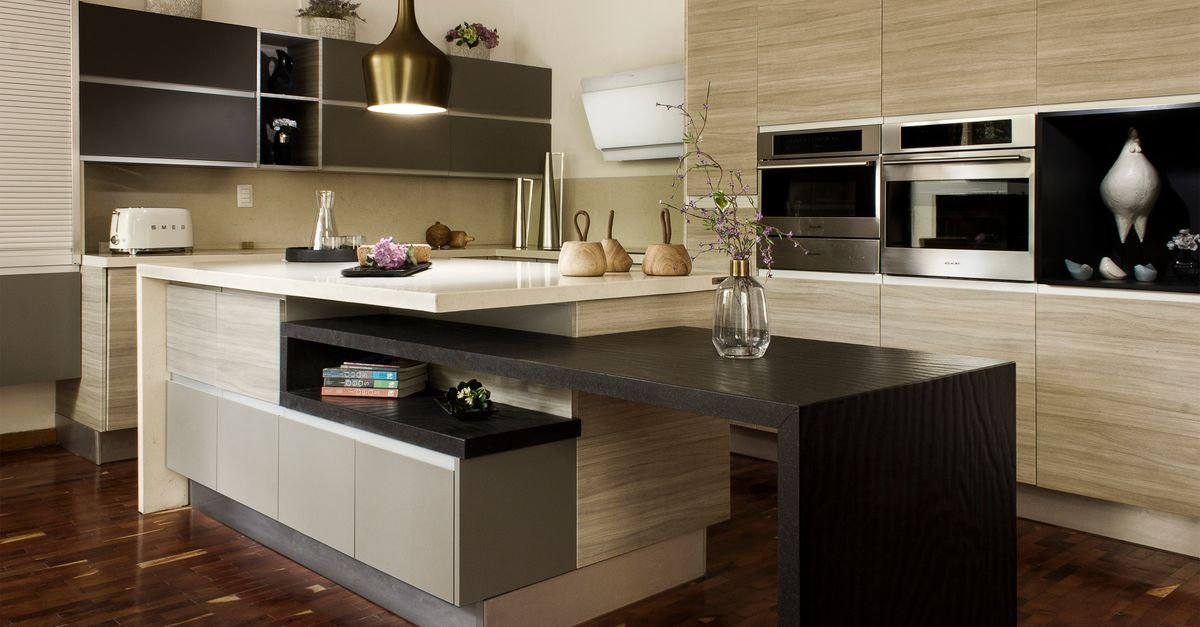
The island worktop takes heavy use and is highly visible, so it’s worth choosing well. Durable, low-maintenance surfaces like quartz are popular for their resistance to scratches and stains; natural stone offers beauty with a bit more upkeep; solid wood (butcher block) brings warmth and suits prep islands. Many people use the island as a design feature by choosing a contrasting worktop or color from the rest of the kitchen. Match the material to how you’ll use it — a hardworking prep island needs a tougher surface than a decorative one.
As an Amazon Associate, HomeNeeds24 earns from qualifying purchases.
Lighting and Finishing Touches
Lighting transforms an island. Pendant lights hung over it provide task lighting and become a design centerpiece — usually two or three evenly spaced, hung at a height that lights the surface without blocking sightlines. Beyond lighting, finishing touches like a contrasting cabinet color, statement hardware, open shelving for cookbooks, or a few stools tie the island into the room’s style. These details turn a functional block into the kitchen’s focal point.
Do You Have Room for an Island?
Not every kitchen suits an island, and forcing one into a small space backfires. As a rough guide, you need enough floor area to fit the island plus comfortable clearance on the sides you’ll use. If a full island won’t fit, consider a compact or portable one, a peninsula (attached at one end), or a slim prep table instead. An honest assessment of your space — ideally taped out on the floor — tells you quickly whether an island will help or hinder.
Frequently Asked Questions
How much space do I need around a kitchen island?
Leave a comfortable walkway on all used sides — commonly around a metre (about 36–42 inches), and more where there are appliances or seating — so doors and drawers open fully and people can move and work easily.
What’s the best kitchen island design?
The one built around your main priority — storage, seating, cooking, or prep. Choose the function that matters most to you, and avoid overloading a single island with too many jobs.
Can a small kitchen have an island?
Sometimes — with a compact fixed island, a portable island cart, or a peninsula. Tape out the footprint first to confirm you’ll keep enough clearance; if not, a slim prep table may serve better.
What worktop is best for a kitchen island?
Durable, low-maintenance surfaces like quartz are popular; natural stone is beautiful with more upkeep; butcher block suits prep islands. Match the material to how hard the island will work.
Key Takeaways
- An island adds prep space, storage, seating, and a social hub — design around your top priority.
- Popular designs: storage, breakfast-bar seating, cooking (cooktop), prep (sink), double-duty, and compact/portable.
- Clearance is critical — leave a comfortable walkway and tape out the footprint before building.
- Choose a worktop that matches the island’s workload, and use pendant lighting as a centerpiece.
- If space is tight, a compact island, portable cart, or peninsula may serve better than a full island.
A well-designed kitchen island can transform how your kitchen works and feels. Plan the size and function around how you really cook, and it becomes the heart of the home. For more ideas, visit our home setup guides and the full Furniture collection.

I'm Nasir Uddin Khan, founder of HomeNeeds24 and a senior IT consultant with 18+ years' experience in Oracle database administration, enterprise infrastructure and ERP system design. I write the buying guides here and I build every calculator on the site myself, from published engineering standards rather than opinion. My research is structured rather than lab-based: manufacturer specifications, safety and efficiency standards, and the trade-offs that repeat across large volumes of verified customer reviews. Where I have direct hands-on experience — smart home, networking, energy and anything computer-adjacent — I say so in the guide.