
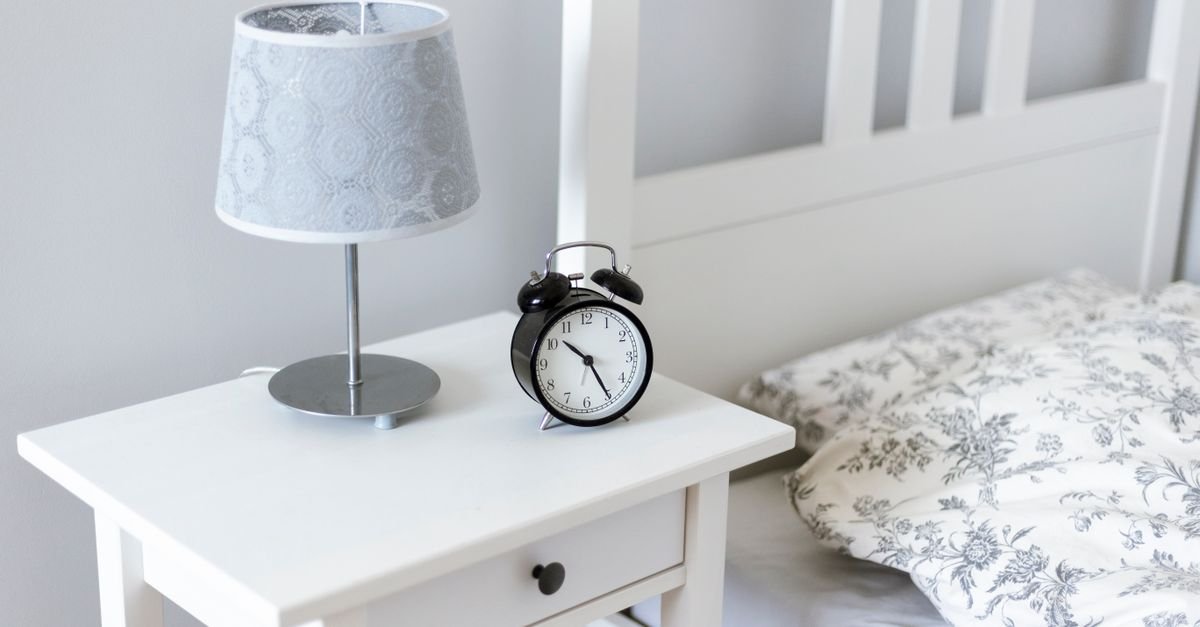
The best nightstand is one that sits within a couple of inches of your mattress top and gives you the storage you actually need – for most people that means a bedside table with at least one drawer, ideally with a spot to charge your phone. Here are the best nightstands for 2026 by use case, plus how to size and style them.
Also Read



See Top-Rated Nightstands on Amazon →
Key Takeaways
- Height: aim for a top within about 2-3 inches of your mattress height.
- Storage: at least one drawer keeps clutter and cables hidden.
- Width: scale it to your bed – bigger beds suit wider nightstands.
- Charging: built-in USB ports are a genuinely useful upgrade.
- Matching pairs look tidy, but a coordinated mismatch can look designer.
How we picked these nightstands
We focused on what makes a nightstand genuinely useful beside the bed.
That means the right height and proportions, practical storage, sturdy build, and styles that suit real bedrooms. We also weighed handy extras like charging ports and value.
Rather than name products that change constantly, we’ve grouped picks by how you’ll use them so you can match one to your bed and room.
How to choose a nightstand
Choosing a nightstand is about height, size and storage.
Match the height to your mattress, scale the width to your bed, and decide how much storage you need. The sizing and placement video below is a helpful primer.
With those three settled, the use-case picks below make the choice easy.
The best nightstands by use case
Here are our top nightstand picks for 2026, grouped by what you need.
Best overall: two-drawer nightstand
A two-drawer nightstand is the do-everything pick for most bedrooms.
It hides clutter and cables, gives you a stable surface for a lamp and phone, and suits almost any style. A top drawer plus a lower one covers most storage needs.
If you’re not sure what to buy, start here.
Check Two-Drawer Nightstands on Amazon →
Best budget: simple open nightstand
For a wallet-friendly option, a simple nightstand with an open shelf works well.
It costs less and gives you a surface plus a shelf for books, though it hides less clutter than drawers. Easy to move and assemble.
Great for guest rooms and tight budgets.
See Budget Nightstands on Amazon →
Best for small spaces: slim narrow nightstand
Short on room? A slim, narrow nightstand fits tight spots beside the bed.
A compact footprint still holds a lamp and phone without crowding a small bedroom. Look for vertical storage to make the most of the space.
Ideal for small bedrooms and apartments.
Check Slim Nightstands on Amazon →
Best storage: nightstand with drawers and shelf
Need to stash more? A nightstand with multiple drawers plus a shelf maximizes storage.
It keeps medications, chargers, books and bedtime bits organized and out of sight. Great for anyone who likes a clutter-free surface.
Pair it with our bedroom storage ideas for a tidy room.
See Storage Nightstands on Amazon →
Best with charging: nightstand with USB ports
To keep devices topped up, a nightstand with built-in charging is a smart upgrade.
Integrated USB ports (and sometimes wireless charging pads) keep your phone charged without a tangle of cables. Very handy for a bedside routine.
Great for phone-by-the-bed households.
Check Charging Nightstands on Amazon →
Best modern: sleek minimalist nightstand
For a contemporary bedroom, a sleek minimalist nightstand keeps things clean.
Think flat fronts, hidden handles and slim legs for an uncluttered look. Neutral finishes suit modern schemes.
Perfect for modern and minimalist bedrooms.
See Modern Nightstands on Amazon →
Best rustic: farmhouse wood nightstand
For a warm, cozy bedroom, a farmhouse-style wood nightstand adds character.
Natural wood tones, turned legs or barn-door details bring a relaxed, homey feel. It pairs beautifully with soft bedding.
Ideal for farmhouse, rustic and traditional rooms.
Check Farmhouse Nightstands on Amazon →
Best space-saver: floating wall-mounted nightstand
To free up floor space, a floating (wall-mounted) nightstand is a clever choice.
It keeps the floor clear for easy cleaning and gives a modern, airy look, ideal for very small rooms. Just mount it securely into studs.
Great for minimalist and tiny bedrooms.
See Floating Nightstands on Amazon →
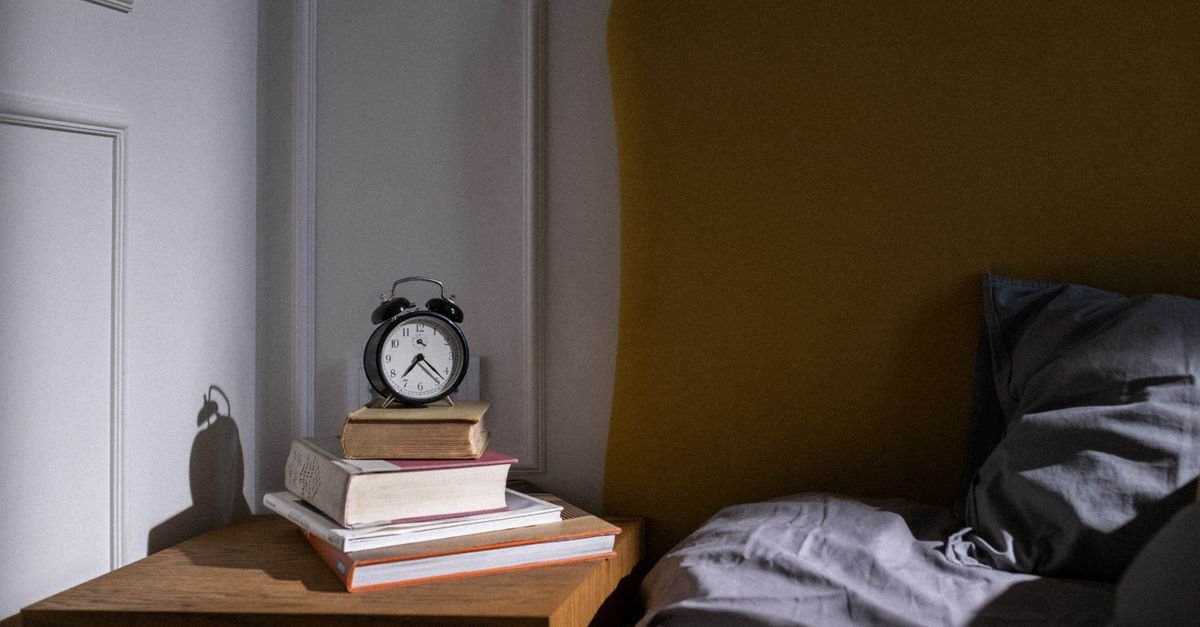
What height should a nightstand be?
Height is the detail people most often get wrong.
Aim for a nightstand whose top sits within about 2-3 inches of the top of your mattress. That keeps your lamp, water and phone within easy reach without you stretching up or down.
Taller beds need taller nightstands, so measure your mattress height before buying.
What size and width nightstand do you need?
Proportion keeps the bedroom balanced.
Scale the nightstand’s width to your bed – a small nightstand looks lost beside a king, while a bulky one overwhelms a twin. Also check it fits the gap between the bed and the wall or door.
As a rule, wider beds pair well with wider or paired nightstands.
How much storage do you need?
Storage needs vary by person and room.
Drawers hide clutter and are great for medications, chargers and small items, while open shelves suit books and easy-reach things. Think about what you actually keep by the bed.
For most people, at least one drawer plus a surface hits the sweet spot.
Do your nightstands need to match?
Matching is classic, but not a rule.
A matching pair looks tidy and symmetrical, which many people love. A coordinated mismatch – different pieces that share a color, wood tone or vibe – can look more collected and designer.
Match for a clean, balanced look; mix intentionally for character.
Nightstand materials explained
Material shapes durability, look and price.
Solid wood is durable and warm but costs more, engineered wood is affordable and common, and metal or metal-and-glass suits modern rooms. Consider how much wear the surface will get.
For daily use, a sturdy top that resists water rings and scratches pays off.
Key features to look for
A few features make a nightstand more useful.
- The right height for your mattress.
- Smooth-gliding drawers with stops.
- A sturdy, stable surface for a lamp and drink.
- Built-in charging if you keep devices by the bed.
- A finish that resists scratches and water rings.
Correct height and a drawer are the two features you’ll appreciate every day.
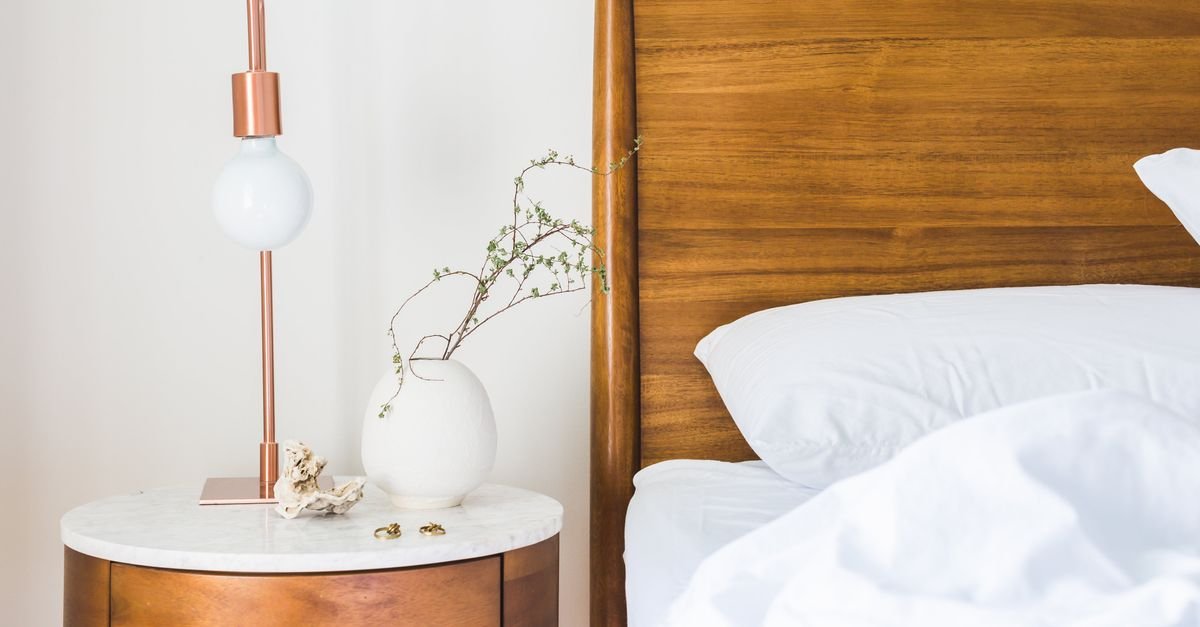
Nightstand styles to match your bedroom
Style ties the nightstand into your room.
Sleek, flat-front designs suit modern rooms, turned legs and wood tones fit farmhouse and traditional spaces, and metal-and-glass reads glam or industrial. Coordinate with your bed and dresser.
Echo a finish already in the room for a pulled-together look.
Are nightstands with charging worth it?
Built-in charging is a small feature that earns its keep.
USB ports and wireless pads keep your phone charged and cut cable clutter, which is genuinely convenient for a bedside routine. It’s especially handy if outlets are far from the bed.
If you charge devices by the bed, it’s well worth choosing.
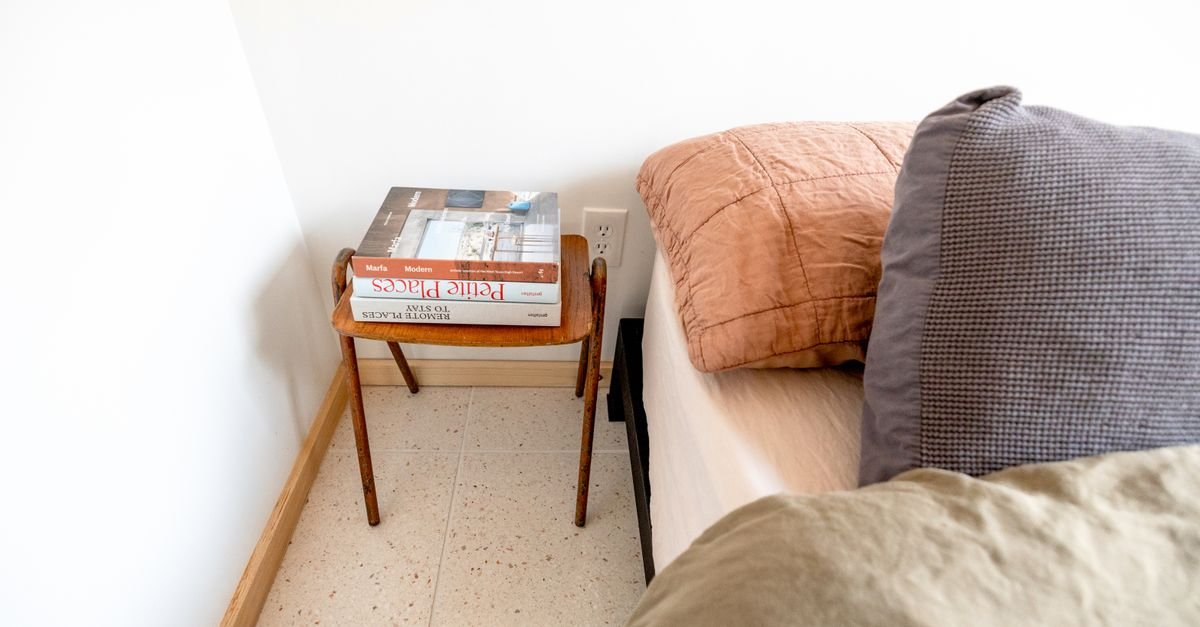
Nightstand ideas for small bedrooms
Small rooms need nightstands that work hard without crowding.
Slim, narrow or floating designs, and even a wall-mounted shelf, keep the footprint tiny. Vertical storage and light finishes help a small room feel open.
See our cozy bedroom ideas for more small-space inspiration.
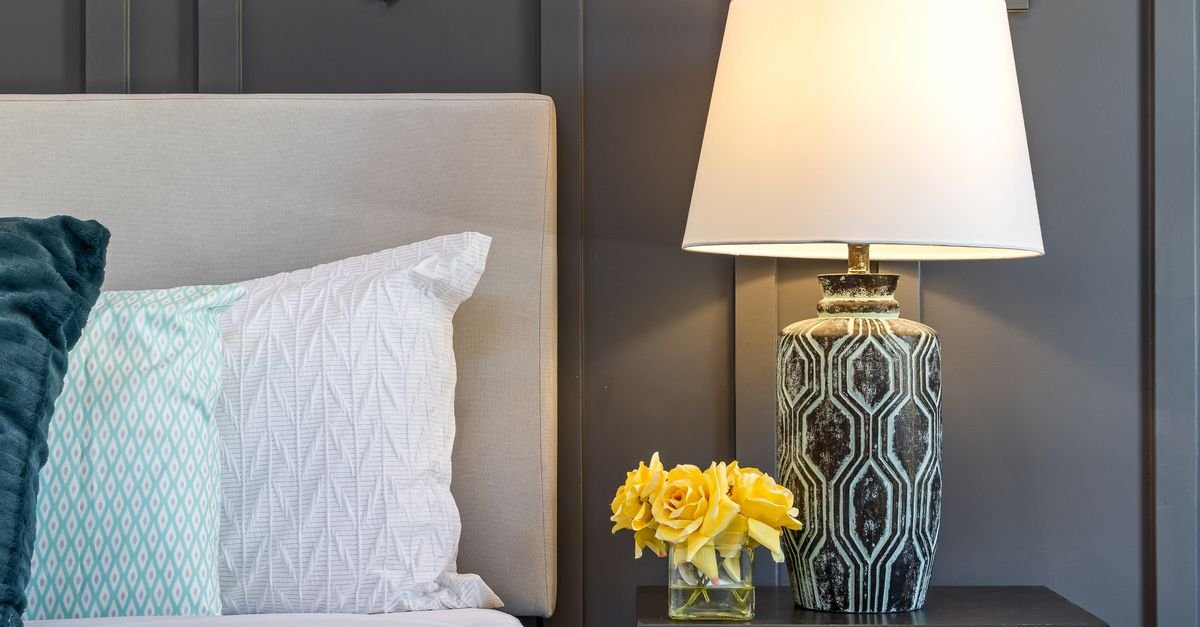
How to style a nightstand
Styling turns a nightstand into a finished-looking corner.
A classic formula is a lamp for height, a small stack of books, and one personal or decorative item – keeping the surface uncluttered. Leave room for a phone and a glass of water.
Less is more: a few intentional pieces look better than a crowded top.
Nightstand mistakes to avoid
- Wrong height. Aim within 2-3 inches of the mattress top.
- Wrong scale. Match the width to your bed size.
- Too little storage. A drawer keeps clutter and cables hidden.
- Ignoring the walkway. Make sure it fits without blocking the path.
- Overcrowding the top. Keep styling simple and functional.
How much should you spend on a nightstand?
There’s a nightstand for every budget.
Simple open and engineered-wood nightstands are affordable, mid-range drawer units with charging offer the best value, and solid-wood or designer pieces sit at the top.
For most people, a mid-range two-drawer nightstand is the smart buy – useful storage and durability without overspending.
How to care for and clean a nightstand
A little care keeps a nightstand looking good.
Dust and wipe the surface regularly, use coasters to prevent water rings, and tighten drawer hardware occasionally. Treat wood with the appropriate polish and keep it out of direct sun to avoid fading.
Protecting the top from moisture and heat is the simplest way to keep it looking new.
Should a nightstand match the bed frame?
It can, but it doesn’t have to match exactly.
A nightstand that shares a wood tone or finish with your bed looks coordinated, but a deliberate contrast can look more designer and collected. What matters is that the pieces feel like they belong together.
Aim for harmony in style and tone rather than a perfect factory match.
What can you use instead of a nightstand?
Plenty of everyday pieces make great bedside tables.
A small stool, a stack of sturdy books, a wall-mounted shelf, a compact dresser or even a chair can all hold a lamp and phone. This is handy in tight or unusually shaped rooms.
Just make sure whatever you use is stable and the right height beside the bed.
How deep should a nightstand be?
Depth affects both storage and walkway space.
A depth of around 16-20 inches suits most nightstands, giving room for a lamp and a drawer without jutting into the walkway. In tight rooms, a shallower design keeps the path clear.
Measure the space beside your bed before buying so the nightstand fits comfortably.
Do you need a nightstand on both sides of the bed?
A matching pair looks balanced, but it isn’t essential.
Two nightstands create symmetry and give both sleepers their own surface, which most couples prefer. In a small room, or where one side sits against a wall, a single nightstand is perfectly fine.
Let your room size and who uses the bed decide.
Are floating (wall-mounted) nightstands sturdy?
Yes, when they’re installed correctly.
Mounted securely into wall studs (or with proper anchors), a floating nightstand easily holds a lamp, phone and books. The key is solid mounting, not the design itself.
They’re a great space-saver, but follow the fixing instructions and don’t overload them.
What should you keep in a nightstand?
A nightstand works best when it holds your bedtime essentials.
Think a lamp and phone charger on top, and inside the drawer keep items like glasses, a book, hand cream, medications and chargers out of sight. Keeping the surface clear makes the room feel calmer.
Store only what you actually reach for at night, so it stays tidy and useful.
Frequently Asked Questions
What is the best nightstand to buy?
The best nightstand sits within about 2-3 inches of your mattress top and offers the storage you need – for most people a two-drawer bedside table, ideally with built-in charging. Scale the width to your bed and choose a style that matches your room.
How tall should a nightstand be?
Aim for a nightstand whose top is within about 2-3 inches of the top of your mattress, so your lamp, phone and water are easy to reach. Taller beds need taller nightstands, so measure your mattress height before buying.
How wide should a nightstand be?
Scale it to your bed – a small nightstand looks lost beside a king, while a bulky one overwhelms a twin. Also make sure it fits the gap between your bed and the wall or door without blocking the walkway.
Do nightstands have to match?
No. A matching pair looks tidy and symmetrical, but a coordinated mismatch that shares a color or wood tone can look more collected and designer. Match for a clean look or mix intentionally for character.
Are nightstands with USB charging worth it?
Yes, if you keep devices by the bed. Built-in USB ports and wireless pads keep your phone charged and reduce cable clutter, which is genuinely convenient – especially if outlets are far from your bed.
What’s the best nightstand for a small bedroom?
Slim, narrow or floating wall-mounted designs work best in small rooms, keeping the footprint tiny while still holding a lamp and phone. Vertical storage and light finishes help a small bedroom feel more open.
How much storage does a nightstand need?
It depends on what you keep by the bed. Drawers hide clutter like chargers and medications, while open shelves suit books. For most people, at least one drawer plus a stable surface is the sweet spot.
How do you style a nightstand?
A simple formula works well: a lamp for height, a small stack of books, and one decorative or personal item, while leaving room for your phone and water. Keep it uncluttered – a few intentional pieces look better than a crowded surface.
The bottom line
The right nightstand combines the correct height, sensible storage and a style that suits your room.
For most people a two-drawer bedside table is the sweet spot; go slim or floating for small rooms and add charging if you keep devices nearby.
Measure your mattress height, scale it to your bed, and keep the top simple. For more, see our bedroom storage ideas and cozy bedroom tips.

I'm Nasir Uddin Khan, founder of HomeNeeds24 and a senior IT consultant with 18+ years' experience in Oracle database administration, enterprise infrastructure and ERP system design. I write the buying guides here and I build every calculator on the site myself, from published engineering standards rather than opinion. My research is structured rather than lab-based: manufacturer specifications, safety and efficiency standards, and the trade-offs that repeat across large volumes of verified customer reviews. Where I have direct hands-on experience — smart home, networking, energy and anything computer-adjacent — I say so in the guide.