
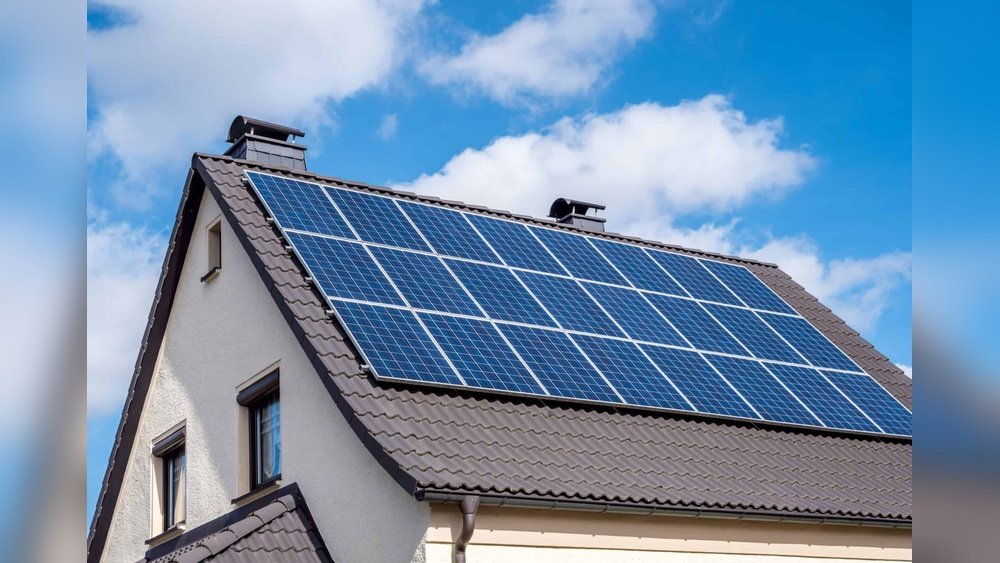
Are you looking for a smart way to cut your electricity bills and make your home more eco-friendly? Solar panels for homes might be the perfect solution for you.
Also Read


Imagine harnessing the power of the sun to generate clean energy right from your rooftop. Not only can this save you money, but it also adds value to your property and helps protect the planet. You’ll discover how solar panels work, their benefits, and what you need to know before making the switch.
Keep reading to find out how easy and rewarding going solar can be for you and your family.
Credit: www.build-review.com
Benefits Of Solar Panels
Solar panels offer many benefits for home owners. They provide a clean way to power your home. Saving money and helping the environment are top reasons to choose solar energy. Homeowners enjoy both short-term and long-term advantages from installing solar panels.
Lower Energy Bills
Solar panels reduce your monthly electricity costs. They generate power from sunlight, which is free. This means less money spent on utility bills. Over time, the savings can be significant. Solar energy helps control rising energy prices. It also protects you from sudden rate increases.
Increase Home Value
Homes with solar panels often sell for more money. Buyers see solar as a valuable feature. It means lower energy costs for the new owner. Solar panels can make your home stand out. This can speed up the selling process. Investing in solar can boost your property’s worth.
Environmental Impact
Solar power reduces harmful greenhouse gas emissions. It uses clean, renewable energy from the sun. This helps lower your carbon footprint. Solar energy does not pollute the air or water. Choosing solar means protecting nature for future generations. It is a simple step toward a healthier planet.
Types Of Solar Panels
Solar panels come in different types. Each type has unique features. Choosing the right panel depends on your needs and budget. Understanding the types helps you pick the best option for your home.
Monocrystalline Panels
Monocrystalline panels have a uniform look with black cells. They are made from a single crystal of silicon. These panels are very efficient at turning sunlight into electricity. They need less space to generate power. They last long and work well in low light.
Polycrystalline Panels
Polycrystalline panels have a blue, speckled appearance. They contain many silicon crystals melted together. These panels cost less than monocrystalline ones. Their efficiency is slightly lower but still good for most homes. They perform well in warm conditions and are durable.
Thin-film Panels
Thin-film panels look different from traditional ones. They are made by placing a thin layer of solar material on glass or metal. These panels are lightweight and flexible. They work well in low light and shade. Their efficiency is lower, so they need more space.
Choosing The Right System
Choosing the right solar panel system for your home requires careful thought. The right system meets your energy needs, fits your roof, and stays within your budget. Each factor plays a key role in making a smart choice. Understanding these points helps you pick the best solar solution.
Assessing Energy Needs
Start by checking your home’s energy use. Look at your electric bills to find how much power you use monthly. This helps decide the size of the solar system you need. A bigger system produces more energy but costs more. Balance your energy needs with system size for best results.
Roof Suitability
Your roof must support solar panels well. Check the roof’s direction, angle, and shading. South-facing roofs get the most sun in the northern hemisphere. Flat or angled roofs can work if they face the right direction. Avoid roofs with too much shade or old roofs that may need repairs first.
Budget Considerations
Solar panels cost vary by size and type. Set a budget before choosing a system. Include installation and maintenance costs. Look for local incentives or tax credits to reduce expenses. A good system fits your budget and gives you energy savings over time.
Installation Process
The installation process of solar panels for homes is straightforward yet important. It involves several key steps to ensure the system works well and lasts long. Understanding these steps helps homeowners prepare and feel confident about their solar investment.
Finding A Reliable Installer
Choosing the right installer is crucial. A good installer has experience and positive reviews. They offer clear information and answer all questions. Check for licenses and certifications. Reliable installers provide a detailed plan and cost estimate.
Permits And Regulations
Local permits are necessary before installation. These ensure the system meets safety and building codes. The installer usually handles the permit process. Rules vary by location, so requirements can differ. Approval can take a few days to weeks.
Installation Timeline
The installation usually takes one to three days. First, the roof is prepared and solar panels are mounted. Then, wiring connects the panels to your home’s electrical system. After installation, inspectors check the system. Finally, the system is activated and ready to use.
Cost Breakdown And Savings
Solar panels for homes involve some costs upfront but save money over time. Understanding the cost breakdown helps homeowners plan their budgets better. Savings come from lower electricity bills and government help. Knowing the payback period shows when savings cover the initial costs.
Initial Investment
The initial investment includes solar panels, inverter, and installation. Prices vary by system size and quality. Typical home systems cost between $10,000 and $20,000. Some choose to finance or lease to reduce upfront costs. Maintenance costs are low, usually just occasional cleaning.
Government Incentives
Many governments offer incentives to lower solar panel costs. Tax credits reduce the amount owed on taxes. Rebates provide cash back after installation. Some areas offer net metering, paying for extra energy sent to the grid. These incentives can cut costs by 30% or more.
Payback Period
The payback period is how long before savings cover the initial cost. It usually ranges from 5 to 10 years. After this, electricity savings become pure profit. Factors affecting this include energy use, local rates, and sunlight. A shorter payback period means faster savings.
Credit: www.gogreensolar.com
Maintenance Tips
Solar panels need care to work well for many years. Proper maintenance keeps them efficient and safe. It also helps avoid costly repairs later. Simple steps can protect your investment and save money. Here are some easy tips to maintain solar panels at home.
Cleaning Panels
Keep panels clean from dust, leaves, and dirt. Use a soft cloth or sponge with water. Avoid harsh chemicals or abrasive tools. Clean panels early in the morning or late afternoon. This prevents quick drying and streaks. Regular cleaning improves sunlight absorption and power output.
Regular Inspections
Check panels often for cracks or damage. Look for loose wires or mounting problems. Inspect the inverter and monitor system performance. Early detection of issues stops bigger damage. Schedule professional inspections yearly to ensure safety and efficiency.
Troubleshooting Common Issues
Low energy output may mean shading or dirt on panels. Flickering lights can show wiring problems. Noise from the inverter needs quick attention. Reset the system after power outages. Contact a technician if problems persist. Quick action keeps your solar system running smoothly.
Maximizing Solar Efficiency
Maximizing the efficiency of solar panels helps you get the most energy from the sun. It lowers electricity bills and makes your home greener. Small changes can make a big difference in how well your solar system works.
Optimal Panel Placement
Place solar panels where they get the most sunlight. South-facing roofs usually get the best sun in the northern hemisphere. Avoid shade from trees or buildings. Tilt the panels at the right angle to catch more rays. Proper placement boosts energy production every day.
Energy Storage Options
Store extra energy with batteries for use at night or on cloudy days. Home battery systems keep your power steady and reliable. They reduce dependence on the grid and save money. Choose a storage system that fits your home size and energy needs.
Smart Energy Usage
Use energy wisely to get the most from solar power. Run high-energy appliances like washers and dryers during daylight hours. Smart home devices can schedule and control energy use. This lowers waste and helps your solar panels cover more of your needs.
Common Myths Debunked
Many people hesitate to install solar panels because of common myths. These myths create wrong ideas about solar energy. Understanding the facts helps homeowners make smart choices. Let’s clear up some of the biggest myths about solar panels for homes.
Solar Panels Don’t Work In Cloudy Weather
Solar panels can generate electricity even on cloudy days. They do not need direct sunlight to work. Clouds reduce sunlight but do not block it completely. Modern solar panels capture diffused light. This means they still produce energy on overcast days. So, solar power works in many weather conditions.
High Maintenance Costs
Solar panels require very little maintenance. Most systems only need occasional cleaning. Manufacturers offer warranties that cover repairs. No regular costly checks are necessary. Proper installation keeps maintenance low. Homeowners save money on energy bills without high upkeep costs.
Long Installation Time
Installing solar panels is faster than many expect. Most home systems take a few days to set up. Planning and permits might take longer, but the actual work is quick. A professional team handles the installation efficiently. This means you can start saving on energy soon.
Credit: solutions.dominionenergy.com
Frequently Asked Questions
What Are The Benefits Of Solar Panels For Homes?
Solar panels reduce electricity bills and increase home value. They use renewable energy, lowering carbon footprint. Solar systems require low maintenance and provide energy independence. They protect against rising energy costs and offer government incentives in many areas.
How Much Do Home Solar Panels Cost?
Home solar panel systems cost between $10,000 and $25,000 on average. Prices vary based on system size, location, and installation complexity. Incentives and tax credits can significantly reduce upfront costs. Investing in solar panels often leads to long-term savings on energy bills.
How Long Do Solar Panels Last On Homes?
Solar panels typically last 25 to 30 years with proper maintenance. Efficiency may slightly decrease over time but remains effective. Most manufacturers offer 20 to 25-year warranties. Regular cleaning and inspections help maximize panel lifespan and energy production.
Can Solar Panels Power An Entire Home?
Solar panels can power entire homes depending on system size and energy use. Larger systems with battery storage ensure continuous power, even at night. Energy-efficient homes require smaller systems. Consulting a solar professional helps design the right setup for your needs.
Conclusion
Solar panels help save money on electricity bills. They use sunlight to create clean energy for homes. Installing panels can increase your home’s value. They need little maintenance and last many years. Solar energy reduces pollution and protects the environment.
Many people find solar panels easy to use. Choosing solar power supports a greener future. Start thinking about solar panels for your home today. It’s a smart choice for saving and helping the planet.
Recommended on Amazon
Browse top-rated, popular options for this topic:
As an Amazon Associate, HomeNeeds24 earns from qualifying purchases.

I'm Nasir Uddin Khan, founder of HomeNeeds24 and a senior IT consultant with 18+ years' experience in Oracle database administration, enterprise infrastructure and ERP system design. I write the buying guides here and I build every calculator on the site myself, from published engineering standards rather than opinion. My research is structured rather than lab-based: manufacturer specifications, safety and efficiency standards, and the trade-offs that repeat across large volumes of verified customer reviews. Where I have direct hands-on experience — smart home, networking, energy and anything computer-adjacent — I say so in the guide.