
The best parties are rarely the most expensive ones. Guests remember how an evening felt — the warmth, the food, the atmosphere — far more than how much it cost to put on. With a clear plan and a few smart choices, you can host a celebration people talk about for months without overspending. The trick is knowing where effort and money actually matter, and where they don’t.
Also Read


This guide walks through how to host a memorable party on a budget, from planning and decor to food and the small touches that make guests feel looked after. It works for birthdays, holidays, family gatherings, and casual get-togethers alike.
Start With a Plan, Not a Shopping List
Every great party starts with two decisions: who you’re inviting and what kind of evening you want it to be. A relaxed dinner with close friends needs a very different setup than a lively birthday with a crowd. Pin down the vibe first, because it shapes every choice that follows — food, music, decor, and budget.
Then set a realistic budget and split it into categories: food and drink, decorations, and any extras. Knowing your limits up front stops the small purchases that quietly add up. A simple checklist and a timeline — what to do the week before, the day before, and the day of — turns a stressful scramble into a calm, enjoyable host experience.

Decorate Smart, Not Expensive
Decor sets the mood, but you don’t need to spend heavily to create atmosphere. The biggest impact comes from a few well-chosen elements rather than covering every surface.
Lighting Is Everything
Nothing transforms a space more cheaply than lighting. String lights, candles, and warm lamps instantly make a room feel festive and intimate. Dimming the main lights and letting softer sources take over signals “this is special” more effectively than any banner. It’s the single highest-return decor move on any budget.
DIY and Reusable Decorations
Homemade decorations — paper garlands, simple centerpieces, hand-lettered signs — add personality that store-bought kits lack, and they cost a fraction of the price. Choose a simple color theme and repeat it; cohesion looks intentional and expensive even when the pieces are cheap. Investing in a few reusable items, like quality table linens or a set of decorations you can use again, saves money across many gatherings.
Plan Food and Drink That Impress for Less
Food is where budgets balloon, but a little strategy keeps costs down without anyone noticing. Serving a few dishes well beats an enormous spread done thinly. A focused menu — a standout main, a couple of sides, and one memorable dessert — feels generous and is far easier to execute.
Lean on Crowd-Pleasers
Build the menu around affordable, filling dishes that scale easily. Buffet or family-style serving stretches food further and creates a relaxed, social atmosphere. A “bring a dish” approach for casual gatherings shares both the cost and the effort while giving guests something to contribute.
Keep Drinks Simple
An open bar with every option is expensive and wasteful. Offer one or two signature drinks plus non-alcoholic options instead. A single well-made punch or a themed drink feels intentional, looks impressive, and costs a fraction of stocking a full bar.

Create Atmosphere With Music and Flow
Atmosphere is built from more than decor. A good playlist, set to the right volume, keeps energy up without forcing people to shout. Plan the layout so guests can move and mingle easily — clear pathways, a clear food and drink area, and enough seating for the style of party. Thinking about flow prevents awkward clustering and keeps the evening lively. These details cost nothing but make a party feel professionally hosted.
The Small Touches That Guests Remember
It’s the little things that turn a nice party into a memorable one. A warm welcome at the door, a small personal detail like name cards or a themed element, and a host who’s relaxed rather than frazzled all leave a lasting impression. Preparing as much as possible in advance — food ready, drinks set out, decor done — means you can actually enjoy your own party, which is what guests pick up on most. A present, happy host is the best decoration of all.
Seasonal and Themed Parties on a Budget
A theme gives a budget party focus and makes simple decorations feel deliberate. Lean into the season — natural elements in autumn, bright colors in summer, cozy textures in winter — using things you may already own or can gather inexpensively. A clear theme also simplifies decisions: it tells you what food, music, and decor fit, so you spend less time and money second-guessing. Constraints, in this case, make hosting easier.
The Party Timeline (T-Minus Two Weeks to Doors-Open)
Two weeks out: guest list locked, invites sent, the menu decided at ambition level honest (one showpiece dish maximum; everything else assembled or outsourced), and the playlist started as a running note. One week: the shop for everything shelf-stable, the house’s one genuinely embarrassing corner triaged (nobody audits closets — they audit bathrooms and seating), and the rental-or-borrow calls made for chairs and coolers. Two days: the full-house reset per the room checklists, drinks chilling begun (fridges need 24 hours to cool a party’s worth), and anything freezable cooked. Day-of morning: furniture into party position (seating clusters, clear traffic lanes, the food-and-drink stations SEPARATED so crowds split), bathroom staged — spare paper visible, hand towels out, candle lit. One hour: lighting dropped to warm and low, music on before the first knock (an empty-feeling room at doorbell one is a host failure with a two-button fix), and the host’s own drink poured. The list’s whole philosophy: everything that CAN happen before the day, does — the party tax people dread is really a same-day-panic tax.
Stations, Not Service (The Layout That Hosts Itself)
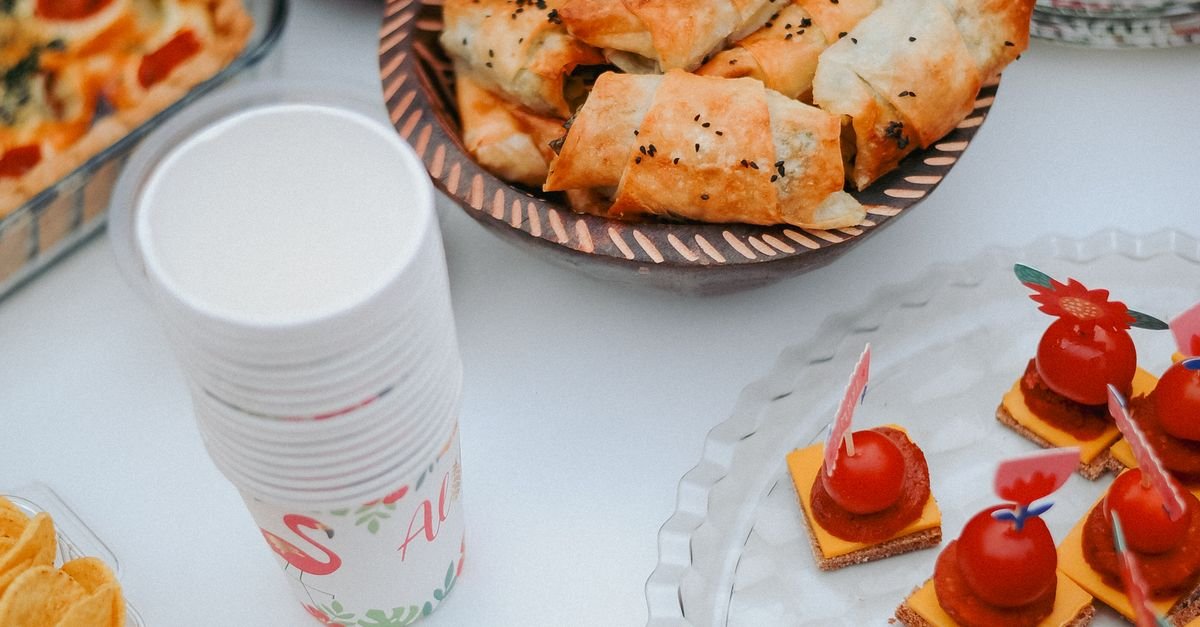
The single biggest hosting upgrade is architectural: self-serve stations that decentralize the crowd. The drink station — away from the kitchen: ice bucket or cooler, cups, openers, one signature pitcher batch-mixed ahead, and the non-alcoholic options given equal billing (the fastest-rising hosting courtesy of the decade). The food spread — grazing boards and room-temperature dishes beat hot-plated anything for all but sit-down dinners; label the allergen-relevant (a folded card saying “has nuts” is two seconds of kindness). The landing zone — where coats and bags go, announced at the door, because furniture buried in outerwear is seating lost. The music-and-lighting preset — the smart-home scene earning its keep: one “party” command for warm dim lights and the playlist. Stations mean the host circulates instead of serves — which is the entire difference between throwing a party and working one.
Budget Hosting That Reads Generous
Perceived abundance is engineering, not spending: batch one signature drink (a pitcher cocktail or punch) instead of stocking a full bar — cheaper, faster, and more memorable than six half-bottles; carbs and dips scale — the generous-looking spreads are bread, boards, and three good dips, not sixteen fussy canapés; candles and warm bulbs — the expensive-look lighting rules apply double at night, and no décor purchase beats dimming; flowers from the grocery tier, cut short into three small clusters rather than one formal vase; the potluck-with-a-spine — assigning categories (“bring a dessert”) keeps generosity organized instead of chaotic. The hosting truth every budget guide eventually admits: guests remember warmth, music, and whether they were fed enough — the line items above cover all three for the price of one catering tray.
The Sound, Light, and Neighbor Diplomacy Layer
Sound: music at conversation-plus — loud enough to fill silences, low enough that nobody shouts; the volume creeps up as the night does, which is fine until the walls are shared: warn adjacent neighbors beforehand (an invitation is the classic disarmament), set a wind-down hour, and move the late crowd inward away from shared walls. Light: overheads off, lamps and candles on — party lighting is the bedroom-and-restaurant rule at house scale; the one bright zone is the food station, staged like it deserves the attention. The outdoor annex: patios and balconies absorb overflow beautifully (the outdoor pillar’s string-light budget pays off tonight) with blankets staged for the temperature drop. The safety quiet-work: candles away from traffic, a clear path to the door, rugs’ corners flat, and the host’s eye on glasses near steps — hospitality’s least glamorous and least optional layer.
The Morning-After Protocol (And the Host’s Ledger)
The cleanup runs backward through the stations: night-of, before bed — food perishables in, dishes soaking, one trash pass; fifteen minutes that halve the morning. Morning — stations struck in order, floors last, and the borrowed-items pile assembled by the door. The ledger — a five-minute note while it’s fresh: what ran out (the ice, always the ice), what nobody touched, which room worked and which bottlenecked — because the second party inherits the first one’s data, and hosts improve by iteration exactly like rooms do. The recovery courtesy — texted thanks to the category-bringers and the neighbor who tolerated the bass. Hosting is a repeatable skill wearing a special-occasion costume; the protocol is what makes the next one cheaper, calmer, and better-attended.
Party Formats, Decoded (Match the Machine to the Occasion)
The cocktail-and-graze evening — the default adult format: stations, standing room engineered by pushing seating to the walls, and a 7-to-11 arc; scales from six guests to thirty on the same architecture. The sit-down dinner — caps at the table’s honest seats; one make-ahead main (braises and bakes forgive), courses staged so the host sits too, and the table’s real capacity respected over chair-cramming ambition. The daytime open house — the low-pressure format: a long window, rolling guests, brunch-tier food that survives hours out, and the house’s natural light doing the décor. The kids’ party — a two-hour cap, one activity anchor, sugar staged LATE, and a parents’ coffee station that quietly doubles attendance quality. The holiday hosting marathon — the formats above chained; the timeline section run twice as early, and the freezer treated as a staging warehouse. Format clarity upstream saves every downstream decision — the menu, the layout, and the shopping list all fall out of naming the machine first.
The Host’s Night (Running the Room Without Working It)
The difference between hosting and staffing is a handful of practiced moves: the door ritual — every arrival gets greeted, coat-directed, drink-pointed, and introduced to ONE person with a hook (“you two both just moved”) — thirty seconds that outsources the guest’s next half hour; the circulation loop — the host orbits every twenty minutes: ice check, music nudge, the corner conversation rescued; the introvert stations — a puzzle corner, the bookshelf, the pet: legitimate landing zones for guests who recharge quietly (design for them and they come back); the kitchen boundary — helpers welcome, hoverers redirected with a task or a drink; and the wind-down choreography — music softer, big lights up one notch, coffee offered: the polite three-signal that ends nights without a word. Hosting skill is mostly these loops run calmly — and calm is contagious in exactly the way panic is.
Small-Space Hosting (The Apartment Playbook)
Square footage caps nothing but the guest list: furniture plays Tetris — the coffee table exits to a bedroom, seating lines the walls, and the bed becomes the coat room; vertical service — the bar cart or a dresser-top station frees floor; the hallway is a room — standing parties flow into every corridor given a drink shelf; count by standing capacity (roughly one guest per 5–6 square feet of cleared floor), not seats; noise diplomacy doubles in shared buildings — the neighbor invitation, the wind-down hour, the bass kept honest; and the small-room illusions — mirrors and cleared sightlines — literally make the party feel bigger. The apartment host’s secret advantage: small rooms generate the conversation density big houses engineer for — the crowd does the work the square footage can’t.
The Hosting Kit (Owned Once, Used Forever)
The closet shelf that makes parties spontaneous: two folding chairs and a folding table (the borrow-me tier, owned instead), a drink tub that ices thirty cans, the serving stack — two big boards, three bowls, a pitcher, forty each of the sturdy-recyclable cups and plates, a spill kit (salt, soda water, clean rags — deployed within the minute, per every rug’s prayer), the lighting bin — candles, holders, one string light, and the label-and-marker pouch for cups and allergen cards. Total outlay under a modest dinner out; total return: every future gathering starts at eighty percent ready. The storage instincts apply — one labeled bin, restocked the morning after, is the whole system.
Hosting Mistakes, Autopsied
The ambitious menu — six hot dishes and a host welded to the stove; the fix is the one-showpiece rule and room-temperature confidence. The single station — drinks and food on one table creates the doorway-adjacent human traffic jam every party photo captures; split them across the room. Bright overheads all night — the fastest way to make a gathering feel like a meeting; lamps and candles were always the co-hosts. Music from a phone speaker — the fifty-dollar Bluetooth speaker is the highest-ROI hosting purchase after the drink tub. The un-staged bathroom — the one room every guest audits alone; paper visible, towel fresh, candle lit, done. No wind-down plan — parties that never signal an ending strand their hosts at 2 a.m.; the three-signal choreography exists for love of everyone’s tomorrow. Each autopsy shares the finding: the failure was a system gap, not a personality one — and systems are exactly what this pillar stocks.
The First Gathering (Start Smaller Than Pride Wants)
For the reader who hasn’t hosted since before the pandemic — or ever: six guests, one signature drink, boards-and-dips, string lights, three hours. That’s the whole first mission — small enough that no system is stress-tested, real enough that every loop (door ritual, circulation, wind-down) gets a live rehearsal. The confidence math compounds like the one-room makeover’s: each gathering funds the next size up, the hosting kit accretes a piece at a time, and by the holiday season the marathon formats read as scaling, not gambling. Homes were always meant to be shared — the checklist just makes the sharing cheap enough to repeat, and repetition is where hosts (and homes) get good.
The Party Master Checklist (One Card)
Two weeks: list, invites, honest menu, playlist seed. One week: shelf-stable shop, embarrassing-corner triage, borrow calls. Two days: house reset, drinks chilling, freezer cooking. Day-of: stations split (drinks away from food), landing zone named, bathroom staged, lights warm and low, music before the doorbell. During: door ritual, twenty-minute loops, introvert stations honored, wind-down three-signal at the hour you actually chose. After: fifteen-minute night pass, morning strike, ledger note, thank-you texts. Always in the closet: the hosting kit, restocked. Hospitality is a checklist wearing charisma’s outfit — and the checklist is the part anyone can own by Friday.
Hosting Across the Year (The Occasion Calendar)
The same machine wears every season’s costume: winter runs the cozy formats — soup-and-bread dinners, game nights under the warm-lamp doctrine, and the holiday marathon the timeline section pre-games; coats need double the landing zone and the entry rug earns its keep. Spring opens the windows and the daytime open-house format — brunch boards, the year’s first patio overflow, and lighter menus that forgive lighter planning. Summer moves the party outside entirely: the outdoor pillar’s string lights and seating do the décor, the drink tub graduates to two, and sunscreen joins the bathroom staging. Autumn is the format sampler — football afternoons, harvest dinners, the costume party’s one-night theatrics — and the hosting kit’s restock season before winter’s marathon. Rotating formats with the calendar keeps hosting novel without new systems: the checklist never changes; only the soundtrack and the centerpiece do. And the year-scale ledger mirrors the party-scale one — each season’s gathering teaches the next one, which is how houses develop reputations.
And the measure of a hosting home, a year in: friends stop waiting for occasions and start suggesting Fridays — because the kit is on its shelf, the checklist runs itself, and the door ritual made everyone feel like the guest of honor once. That reputation is built one small gathering at a time, and it starts with the six-person, one-pitcher, string-light Friday this guide keeps prescribing.
Frequently Asked Questions
How can I host a party on a small budget?
Plan the vibe and budget first, focus on lighting and a few DIY decorations, serve a small focused menu with one or two signature drinks, and put effort into atmosphere and small personal touches rather than expensive extras.
What’s the cheapest way to make a party feel special?
Lighting. String lights, candles, and warm lamps transform any space for very little and instantly create a festive, intimate mood.
How much food should I prepare?
A focused menu — a standout main, a couple of sides, and one dessert — done well beats a huge spread. Buffet or family-style serving stretches food and keeps things relaxed.
How do I keep drink costs down?
Skip the full bar. Offer one or two signature drinks plus non-alcoholic options. A single well-made punch looks impressive and costs far less than stocking everything.
Key Takeaways
- Decide the vibe and set a category budget before buying anything.
- Lighting is the cheapest, highest-impact decor — lean on string lights and candles.
- Use DIY, reusable decorations and a single cohesive color theme.
- Serve a focused menu and one or two signature drinks instead of an endless spread.
- Prepare in advance and focus on atmosphere and small personal touches — a relaxed host makes the party.
A memorable party is built on planning, atmosphere, and care — not a big budget. Focus your money where it counts, prepare ahead, and enjoy the evening alongside your guests. For more entertaining ideas, visit our home and lifestyle guides and the full Party & Celebrations collection.
More Party & Celebrations Guides & Reviews
- Cheap Party Food Ideas: Delightful Recipes for Budget-Friendly Celebrations
- Budget Cocktail Recipes: Discover Easy Mixology
- Party Entertainer Near Me: Find the Best Local Talent for Events
- Backyard Birthday Party Ideas
- Themed Party Favors: Ideas Guests Will Actually Keep
- Diy Budget Table Centerpieces
- DIY Cheap Party Ideas
- Budget Party Invitations: Dive into Summer Fun with Pool Party Invites
- Birthday Astrology Books: Content and Format Guide
- How Do Anniversaries Work? Celebrate Love’s Milestones

I'm Nasir Uddin Khan, founder of HomeNeeds24 and a senior IT consultant with 18+ years' experience in Oracle database administration, enterprise infrastructure and ERP system design. I write the buying guides here and I build every calculator on the site myself, from published engineering standards rather than opinion. My research is structured rather than lab-based: manufacturer specifications, safety and efficiency standards, and the trade-offs that repeat across large volumes of verified customer reviews. Where I have direct hands-on experience — smart home, networking, energy and anything computer-adjacent — I say so in the guide.