
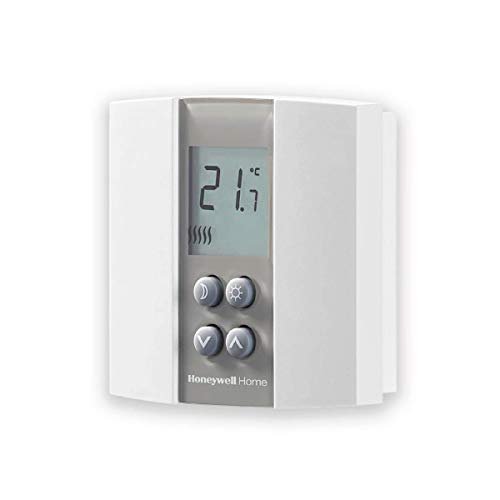
Heating and cooling is the biggest energy expense in most homes — and a programmable thermostat is one of the simplest, most affordable ways to cut that cost. Instead of heating or cooling an empty house, it matches your home’s temperature to your actual schedule automatically. This guide explains how programmable thermostats work, the types available, how much they can save, and how to choose and use one to get the most benefit.
Also Read


What Is a Programmable Thermostat?
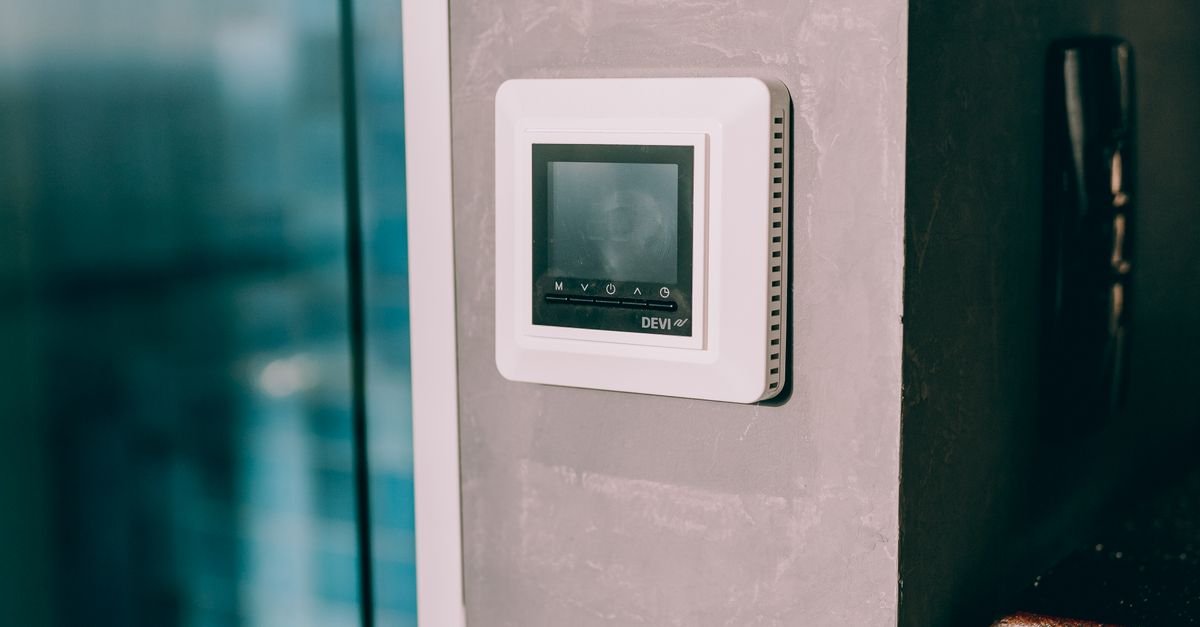
A programmable thermostat lets you set heating and cooling schedules so the temperature adjusts automatically at different times of day — warmer when you’re home and active, cooler (or off) when you’re asleep or out. Instead of manually changing the temperature or leaving the system running constantly, you “set it and forget it,” and the thermostat handles the rest. It’s a small device that quietly manages your single biggest energy cost.
How It Saves You Money
The savings come from not conditioning your home when you don’t need to. Every hour your system isn’t needlessly heating or cooling an empty or sleeping house is energy — and money — saved. By automatically easing back the temperature during the hours you’re away or in bed, and returning it to comfortable before you wake or come home, a programmable thermostat trims waste without you sacrificing comfort. Because heating and cooling dominate home energy use, even modest, consistent adjustments add up to meaningful savings over a year.
Types of Programmable Thermostats
1. Basic Programmable Thermostats
These let you set schedules manually — often with options like the same schedule every day, separate weekday/weekend schedules, or a different schedule for each day. They’re affordable and effective if you have a fairly predictable routine. The main requirement is that you actually program them; an unprogrammed programmable thermostat saves nothing.
2. Smart (Wi-Fi) Thermostats
Smart thermostats connect to your home Wi-Fi and add powerful features: control from your phone anywhere, learning your routine automatically, detecting when the house is empty, energy-use reports, and integration with smart-home systems and voice assistants. Some learn your preferences and program themselves over time. They cost more upfront but offer the greatest convenience and often the best savings, since they optimize automatically and adjust even when your routine changes.
3. Learning Thermostats
A subset of smart thermostats, learning models observe how you adjust the temperature and build an efficient schedule on their own — minimizing the setup effort. They’re ideal if you don’t want to fiddle with programming and prefer the device to handle optimization for you.
Key Features to Look For
When choosing, consider: scheduling flexibility (separate weekday/weekend or per-day schedules suit varied routines); Wi-Fi and app control for adjusting remotely and monitoring usage; learning/auto features if you want minimal effort; geofencing (using your phone’s location to adjust when you leave or approach home); energy reports to see and improve your usage; and compatibility with your existing heating/cooling system, which is essential — always check this before buying. An easy-to-read display and simple controls matter too, since a thermostat you find confusing won’t get used well.
As an Amazon Associate, HomeNeeds24 earns from qualifying purchases.
How to Use It for Maximum Savings
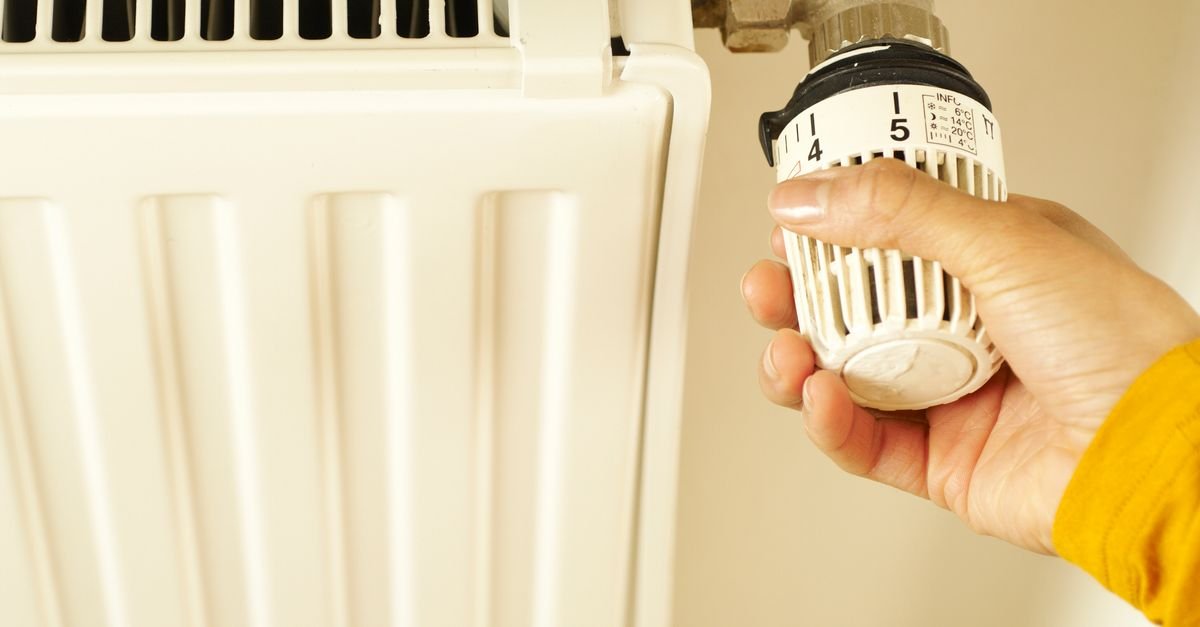
The device only saves money if you set it up well. Program meaningful setbacks for the hours you’re asleep and away — a few degrees cooler in winter and warmer in summer during those periods. Schedule the system to return to comfort shortly before you wake or arrive home, so you never feel the difference. Use app control or geofencing to handle irregular days. Resist the urge to constantly override the schedule, which undoes the savings. And review your settings seasonally, since heating and cooling needs change through the year. Set thoughtfully and left to do its job, the thermostat saves continuously and automatically.
Installation
Many programmable and smart thermostats are designed for DIY installation, replacing your existing thermostat with basic tools — but it involves your home’s wiring, so it must be done correctly. Always turn off power to the system first, follow the instructions, and confirm compatibility with your heating/cooling setup. If you’re unsure about the wiring, or have a more complex system, have a professional install it — getting it wrong can damage your system or leave it not working.
Is a Programmable Thermostat Worth It?
For almost any home with a heating and/or cooling system on a schedule, yes. It’s an inexpensive upgrade that targets your biggest energy cost, pays back over time through lower bills, and adds convenience — especially the smart versions you can control from your phone. The only homes that benefit less are those already kept at one constant temperature around the clock for a specific reason. For everyone else, it’s one of the easiest energy wins available.

Frequently Asked Questions
Do programmable thermostats really save money?
Yes — by not heating or cooling your home when you’re away or asleep, they cut waste on your largest energy cost. The savings depend on your setbacks and routine, but for most homes they pay back over time.
What’s the difference between a programmable and a smart thermostat?
A programmable thermostat follows schedules you set manually; a smart (Wi-Fi) thermostat adds phone control, learning, geofencing, energy reports, and automation — optimizing more and adjusting even when your routine changes.
Can I install a programmable thermostat myself?
Many are DIY-friendly with basic tools, but it involves wiring, so turn off power first, follow instructions, and confirm compatibility. If unsure or your system is complex, use a professional.
How do I get the most savings from a thermostat?
Program meaningful setbacks while you’re asleep and away, schedule a return to comfort before you wake or arrive, use app control or geofencing for irregular days, avoid constant overrides, and adjust seasonally.
Key Takeaways
- A programmable thermostat matches your home’s temperature to your schedule, cutting your biggest energy cost.
- Types: basic programmable, smart (Wi-Fi), and self-learning thermostats.
- Look for scheduling flexibility, app control, learning/geofencing, energy reports, and system compatibility.
- Set meaningful setbacks for away/asleep hours and avoid constant overrides to maximize savings.
- Many install DIY, but confirm compatibility and use a pro if unsure about wiring.
A programmable thermostat is a small, affordable device that quietly saves money on your largest home energy expense — while keeping you comfortable. Choose one compatible with your system, program it thoughtfully, and let it work. For more ways to cut bills, visit our home guides and the full Energy Efficiency collection.

I'm Nasir Uddin Khan, founder of HomeNeeds24 and a senior IT consultant with 18+ years' experience in Oracle database administration, enterprise infrastructure and ERP system design. I write the buying guides here and I build every calculator on the site myself, from published engineering standards rather than opinion. My research is structured rather than lab-based: manufacturer specifications, safety and efficiency standards, and the trade-offs that repeat across large volumes of verified customer reviews. Where I have direct hands-on experience — smart home, networking, energy and anything computer-adjacent — I say so in the guide.