
The laundry room is one of the hardest-working spaces in any home, yet it’s usually the least planned. A little organization and the right tools turn laundry from a dreaded chore into a quick, almost satisfying routine. You don’t need a large dedicated room either — even a closet or a corner can function brilliantly with the right setup.
Also Read



This guide covers the laundry room essentials worth having, how to choose a washer that fits your home, and the cleaning hacks that save time, money, and clothing. The goal is a laundry space that works efficiently and keeps your clothes lasting longer.
Choosing the Right Washing Machine
The washer is the heart of the laundry room, and choosing well affects everything from running costs to how your clothes hold up. The right machine depends on your household size, space, and habits.
Size and Capacity
Match the capacity to your household. A larger drum handles bigger loads and bulky items like bedding, which saves time for families. Smaller households or tight spaces benefit from compact models that fit where space is limited. Buying far more capacity than you need wastes water and energy on partial loads; too little means constant washing. Be honest about your real laundry volume.
Efficiency and Features
An efficient machine uses less water and energy, lowering bills for the life of the appliance — worth prioritizing since a washer runs for years. Useful features include a range of cycle options for different fabrics, a fast wash for lightly soiled items, and a good spin speed that extracts more water so drying is quicker. Don’t pay for dozens of cycles you’ll never touch; a handful of well-chosen programs covers nearly everything.

Essential Laundry Room Tools and Storage
Beyond the machine, a few essentials make the space function smoothly.
Sorting and Hampers
A sorting system — separate hampers or a divided bin for lights, darks, and delicates — saves time and prevents laundry mishaps. Sorting as you go means a load is ready to wash without standing over a pile dividing clothes.
Drying Solutions
Whether you use a dryer or air-dry, having a plan matters. A drying rack handles delicates and items that shouldn’t go in a dryer, saving them from damage and saving energy. A retractable line or wall-mounted rack works well where floor space is tight. Air-drying when you can is gentle on clothes and free.
Storage and Surfaces
Shelving or cabinets keep detergents, softeners, and supplies organized and out of reach of children. A folding surface — even a countertop over a front-loader — makes folding faster and keeps clean clothes off the floor. Hooks for hanging items straight from the wash prevent wrinkles and reduce ironing.
Smart Laundry Habits That Save Money and Clothes
How you do laundry matters as much as the machine. A few good habits extend the life of your clothes and cut running costs.
Wash Smarter
Wash full loads to make the most of each cycle’s water and energy, but don’t overstuff — clothes need room to clean properly. Use cooler water where possible; most everyday laundry comes clean in cooler temperatures, which saves energy and is gentler on fabrics and colors. Measure detergent correctly, since too much leaves residue and doesn’t clean better.
Protect Your Clothes
Turn delicate and printed items inside out, close zippers, and use a mesh bag for small or fragile pieces. Treat stains promptly — the sooner you address a spill, the more likely it lifts completely. Following care labels prevents shrinking and fading. These small steps keep clothes looking new far longer, which saves more money than any appliance feature.
Keep the Machine Itself Clean
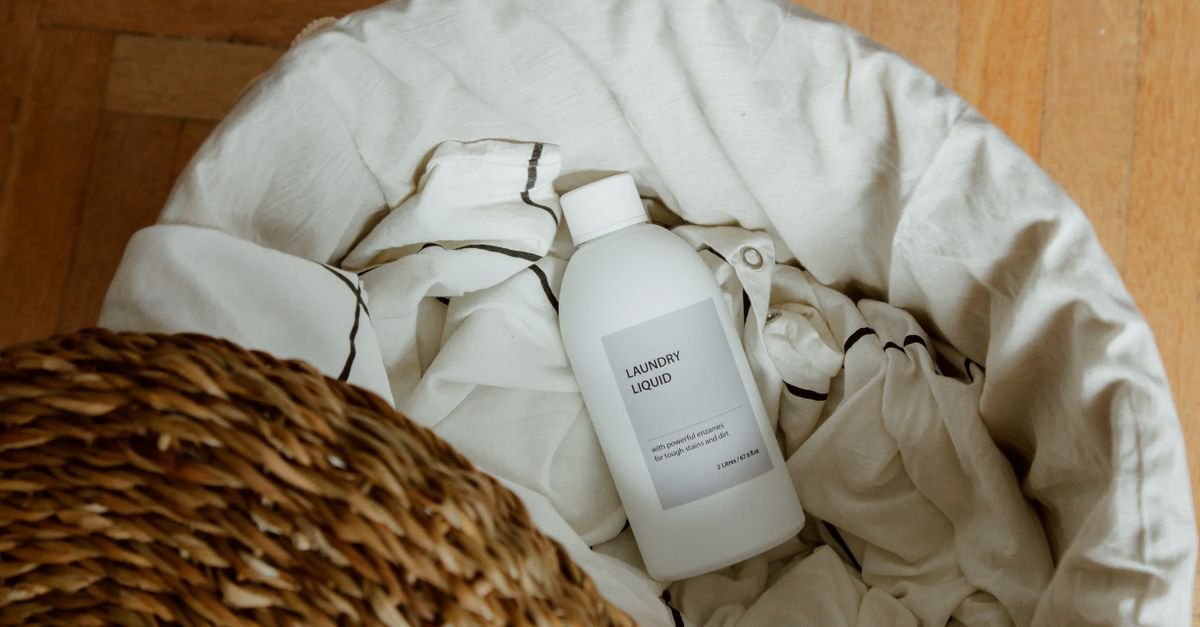
A washing machine needs cleaning too, or it starts to smell and clean less effectively. Leave the door ajar between washes so the drum dries out and mold doesn’t develop. Run an occasional empty hot cycle or cleaning cycle to clear detergent buildup, and wipe the seal and detergent drawer regularly. Clean filters as the manufacturer recommends. A well-maintained machine washes better, smells fresh, and lasts longer.
Making a Small Laundry Space Work
No dedicated laundry room? No problem. A stacked washer and dryer, or a compact all-in-one, fits into a closet or bathroom. Vertical storage — shelves above the machine — holds supplies without taking floor space. A fold-down surface and a slim rolling cart maximize a tight area. With smart use of vertical and hidden space, even the smallest laundry setup can be efficient and tidy.
The Laundry Zone Plan (Even in a Closet)
Great laundry rooms are not big — they are staged. The work has five stations, and even a bifold-door closet can host all of them: sort (a divided hamper doing the pre-work every wash day skips), wash and dry (the machines plus a strip of reachable shelf for supplies — detergent stored above a toddler’s reach, always), hang (one tension rod or wall-mount drying rack; the single most transformative upgrade in small setups), fold (any flat surface at counter height — a shelf over front-loaders, a wall-mounted drop-leaf in a closet), and the outbox (a basket for ironing, mending, and donations, so those jobs stop living on the guest bed). Map your five stations before buying a single organizer — the layout is the system; the products just serve it.
Choosing a Washer and Dryer, Honestly
Front-load washers clean better per liter of water, spin clothes drier (cutting dryer time), stack to save floor space, and cost more up front; their one real chore is leaving the door ajar and wiping the gasket so the drum never sours. Top-loaders load without bending, run cheaper to buy, and forgive neglect — at the cost of water use and rougher fabric handling. Capacity math: a 4.5-cubic-foot washer handles a king comforter and a family of four’s weekly rhythm; singles and couples thrive on less — buying capacity you never fill wastes both money and energy per cycle. Apartment dwellers: ventless condenser and heat-pump dryers really work — slower per load, dramatically easier to install, and heat-pump models sip electricity. Whatever you buy, the appliance-shopping rules from our smart-kitchen buying guide transfer wholesale: buy the reliability tier, skip the gimmick tier.
The Detergent Aisle, Decoded
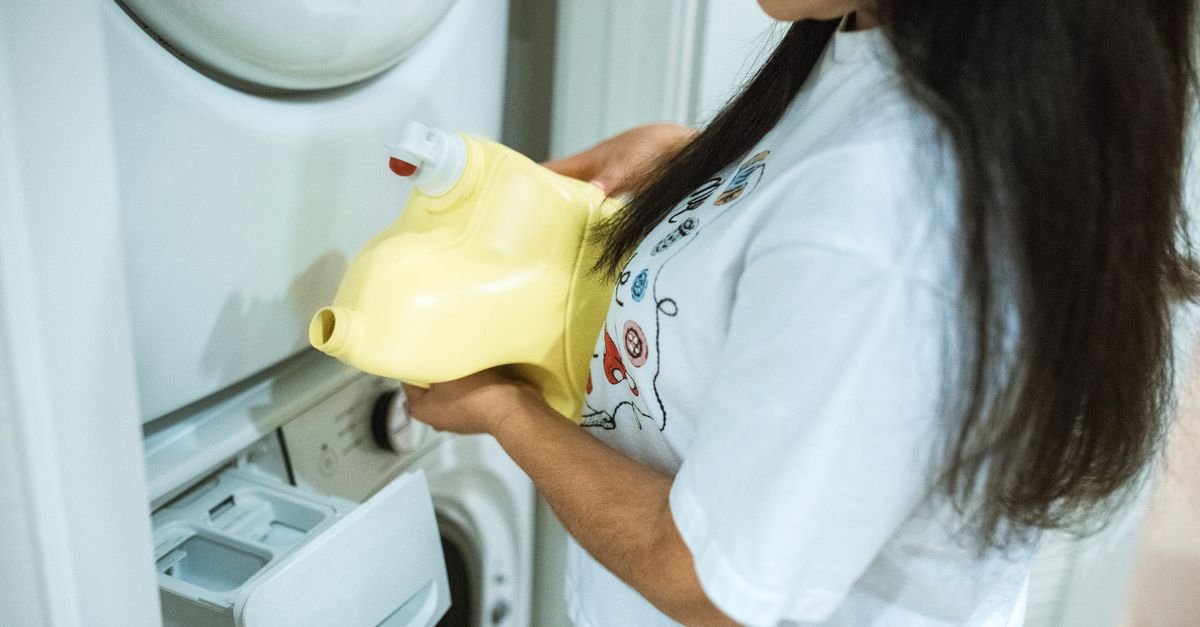
Liquid is the flexible default — pretreats stains, dissolves in any temperature, easy to dose down. Pods are convenience priced at a premium and are a genuine poisoning hazard around small children (store high, closed, always); they also cannot be dosed for small loads. Powder is the budget workhorse and shines on outdoor grime, but dissolves poorly in cold cycles. The dosing truth nobody markets: almost everyone uses two to three times too much. Excess detergent does not wash cleaner — it locks residue into fabric (that stiff, dingy feel), feeds mildew in the machine, and doubles your detergent budget. Use half the cap line for normal loads and let results argue. Softener honesty: liquid softener coats fibers — comfortable on jeans, actively bad on towels (kills absorbency) and athletic wear (blocks wicking). Wool dryer balls do 80% of the softening job with zero coating, forever, for six dollars.
The Air-Drying Program
The dryer is the most fabric-aggressive appliance in the house — lint is literally your clothes leaving. An air-dry lane saves garments and power bills at once: a wall-mounted accordion rack or ceiling pulley over the machines handles the daily delicates, a folding tower rack appears for big washes and disappears after, and always-air-dry status belongs to bras and elastics, wool and knits (dry flat), technical fabrics, and anything printed. Two practical notes: indoor drying adds moisture to the room — crack a window or run a fan in humid climates or you trade crisp shirts for musty walls; and clothes finished with a five-minute no-heat dryer tumble lose the crunchy line-dried feel that makes people hate air-drying.
Stain Triage: The Four-Family Cheat Sheet
Stain removal is chemistry sorted into four families. Protein stains (blood, sweat, dairy, grass): cold water first — always — then enzyme detergent; heat cooks protein into permanence. Oil and grease (dressing, butter, cosmetics): dish soap worked into the spot before the wash cuts grease exactly the way it does on pans. Tannin stains (coffee, tea, wine, juice): flush fast, wash warm with detergent, and never bar-soap them (it sets tannins). Dye and ink: alcohol dab for ink, speed for everything else, and low expectations plus a good attitude. Two universal rules govern all four: blot, never rub (rubbing drives stains deeper and frays fibers), and never dryer-dry a stained garment — the dryer is the kiln that fires the stain in for good. Check every treated spot post-wash, re-treat if it ghosts, and only then let heat near it.
Storage That Makes the Room Work
Laundry rooms hoard small clutter, so storage goes vertical and labeled: the over-machine shelf or cabinet holds the daily chemicals (kid-locked if cabinet, high if shelf), a slim rolling cart slips into the machine gap for stain sticks, lingerie bags, and dryer balls, a triple-sorter hamper (lights / darks / delicates-and-towels) makes the household presort its own laundry, and a wall of hooks earns more daily use than any organizer — hang the ironing board, the drying rack, the lint bin. Finish the room like a room: a runner rug rated for damp, one decent light (folding in gloom breeds wrinkle-blindness), and the same finish-the-space logic as our budget-decor playbook — because a laundry space that looks cared-for gets kept caught-up, and one that looks like a utility afterthought collects Mount Washmore by Friday.
Machine Maintenance: Ten Minutes a Month
Laundry machines die of neglect, not age. The monthly circuit: wipe the front-loader gasket and leave the door ajar between washes (the entire mildew-smell prevention program), empty the washer’s drain filter — the little hatch nobody knows exists, home of lost coins and gray sludge, run a hot empty cycle with washing-machine cleaner or two cups of white vinegar to strip detergent scum, and clear the dryer lint screen every load, no exceptions. Twice a year, go deeper: vacuum the dryer vent duct end to end — lint-packed ducts are among the most common house-fire causes, and a clogged vent also doubles drying times — and check washer hoses for bulges, replacing rubber with braided stainless once they age. Every minute here is repaid in years of machine life.
Care Labels, Finally Decoded
The tag is a five-symbol language: the bucket is washing (dots = temperature: one cold, two warm, three hot; a hand = hand-wash; an X = do not), the square is drying (circle inside = tumble dry, with the same dot code; a line inside = lay flat or hang), the iron means ironing with dots for heat, the triangle is bleach (plain = allowed, lines = non-chlorine only, X = never), and the circle alone is dry-clean territory. The honest translation for daily life: when in doubt, wash cold, dry low or hang, and nothing important dies. The tag exists for the exceptions — read it once per new garment and you know its rules forever.
The Towels and Bedding Program
The household’s biggest laundry sins are schedule sins. Bath towels want washing after three or four uses (hung to dry fully between — a damp wadded towel is a bacteria farm with fringe), warm water, no fabric softener ever, and a wool-ball fluff in the dryer. Sheets earn a weekly-to-biweekly wash — warm for most, hot during illness — and pillowcases more often for acne-prone sleepers. Comforters and duvet inserts need only a few washes a year if covered; wash big items solo so they actually agitate, and dry with wool balls plus a couple of clean tennis-ball rounds to break up clumps. Towels gone stiff and unabsorbent? That is softener-and-detergent residue — strip them: hot wash with a cup of vinegar, second hot wash plain, dry fully. They return from the dead every time.
The Cost-per-Load Reality
Laundry is one of the home’s quietest utility drains, and four settings control most of it. Cold as the default: modern detergents are engineered cold-first, and heating water is up to 90% of a wash cycle’s energy — reserve warm/hot for towels, bedding, and the genuinely grimy. Full loads, not stuffed loads: half-loads waste cycles; overstuffed drums clean nothing — a palm’s width of free space at the top is the mark. Max spin before the dryer: every extra minute of spin is three minutes of dryer heat you do not pay for. The dryer is the splurge appliance: heat-pump models and simple air-dry substitution cut the bill hardest. None of this requires sacrifice — it is the same clean laundry with the waste trimmed off, and over a year it funds the nice detergent by itself.
The Weekly Rhythm That Ends Mount Washmore
Households run one of two working systems. The load-a-day rhythm: one load start-to-put-away daily, tied to an anchor habit (start with morning coffee, fold with the evening show) — suits big families where a missed day is a small slip, not a landslide. The wash-day rhythm: two or three loads on one scheduled day, batch-folded to a podcast — suits smaller households and people who prefer one contained chore to a daily drip. Both work; the failure mode is having neither and letting the hamper decide. Two rules rescue either system: a load is not done until it is put away (the chair pile is laundry purgatory), and everyone old enough to wear clothes helps move them — sorting socks is a fine tax on being twelve.
Small-Space and No-Hookup Laundry
No laundry room does not mean no system. Portable and compact washers hook to a sink faucet and roll into a closet — genuinely viable for singles and couples who hate the laundromat, with spin-dry-plus-rack finishing. The laundromat, optimized, is honestly efficient for big households: presort at home into labeled bags, claim a row of machines, and a week’s laundry finishes in ninety minutes flat — bring the folding home where the hangers live. Closet stacking (ventless dryer over front-loader) turns 30 inches of hallway closet into a full laundry center — the apartment upgrade with the highest daily-life return. Whichever setup you run, the five-station zone logic from the top of this pillar still applies — sort, wash, hang, fold, outbox — just compressed into whatever square feet you actually have.
The Laundry Card, For the Wall
Sort: lights, darks, delicates-and-towels — at the hamper, not the machine. Dose: half the cap line; cold as default. Stains: cold water, blot, treat by family, no dryer until gone. Machines: gasket wiped, door ajar, lint every load, filter monthly, vent yearly. Fabric rules: towels never meet softener; elastics and knits never meet heat. Rhythm: load-a-day or wash-day — pick one, tie it to an anchor habit, and a load is not done until it is put away. Tape that to the cabinet and the whole household can run the room — which is the real finish line of a laundry system: it works even when it is not your turn.
How This Room Connects to the Rest of the Library
The laundry room is the home’s quiet logistics hub, and it borrows from every shelf of this library: the zone plan is the same room-logic the styling guides teach — stations, traffic, everything within reach of where it is used; the maintenance religion — gaskets, filters, vents on a calendar — is identical to the furnace-filter and gutter rhythm in the improvement pillar; the appliance-buying honesty (reliability tier over gimmick tier, capacity matched to real life) is the smart-kitchen doctrine wearing rubber gloves; and the habit architecture — anchor routines, everything-has-a-home, a load is not done until put away — is the entire organizing philosophy in miniature. Get this one room running as a system and it quietly upgrades the whole house: closets stay stocked, mornings lose a scramble, and Mount Washmore never gets planning permission again.
Start This Weekend
Saturday morning: install the triple-sorter hamper and the wall hooks, and teach the household the sort. Saturday afternoon: run the machine-maintenance circuit — gasket, filter, hot vinegar cycle, dryer vent — and halve your detergent dose starting with the next load. Sunday: mount one drying rack and strip the stiff towels back to life. Total cost: under sixty dollars. Total effect: the room stops being a pile and starts being a system — and next Saturday it runs itself.
Frequently Asked Questions
What size washing machine should I buy?
Match capacity to your household’s real laundry volume. Larger drums suit families and bulky items; compact models suit small households or tight spaces. Avoid buying far more capacity than you’ll regularly use.
Does washing in cold water really clean clothes?
Yes — most everyday laundry comes clean in cooler water, which also saves energy and is gentler on fabrics and colors. Reserve hot washes for heavily soiled items.
How do I stop my washing machine from smelling?
Leave the door ajar between washes to dry the drum, run an occasional hot or cleaning cycle, and wipe the seal and detergent drawer regularly to prevent buildup and mold.
How can I make laundry last longer?
Wash full but not overstuffed loads in cooler water, measure detergent correctly, turn delicates inside out, treat stains promptly, and follow care labels. These habits keep clothes looking new far longer.
Key Takeaways
- Choose a washer sized to your real laundry volume, prioritizing efficiency and a few useful cycles.
- Set up sorting hampers, a drying rack, and organized storage to streamline the routine.
- Wash full loads in cooler water and measure detergent correctly to save energy and money.
- Protect clothes by treating stains promptly, using mesh bags, and following care labels.
- Clean the machine regularly, and use vertical space to make even a tiny laundry area work.
A well-set-up laundry space makes one of the home’s most frequent chores faster and easier — and good habits keep your clothes lasting longer. Choose the right machine, organize smartly, and wash with care. For more practical guidance, visit our home guides and the full Laundry & Cleaning collection.
More Laundry & Cleaning Guides & Reviews
- Best Washing Machines with Silver-Ion Hygiene Technology
- How to Choose a Washing Machine: A Practical Buyer’s Guide
- Best Front-Load Washing Machines with Deep Clean Technology
- Child-Safe Magnetic Door Lock Washer: Ultimate Safety for Your Home Doors
- Best Washing Machines for Hard Water: Top Picks for Tough Water Areas
- Best Cordless Stick Vacuums 2026: Top Picks for Every Home
- Best Carbon-Brushless Motor Washing Machines for Long-Lasting Performance
- Best Washing Machines with Auto-Dispense Detergent System
- Washing Machines: Capacity and Installation Checklist
- Best Smart Washing Machines with AI Auto-Load Detection

I'm Nasir Uddin Khan, founder of HomeNeeds24 and a senior IT consultant with 18+ years' experience in Oracle database administration, enterprise infrastructure and ERP system design. I write the buying guides here and I build every calculator on the site myself, from published engineering standards rather than opinion. My research is structured rather than lab-based: manufacturer specifications, safety and efficiency standards, and the trade-offs that repeat across large volumes of verified customer reviews. Where I have direct hands-on experience — smart home, networking, energy and anything computer-adjacent — I say so in the guide.