
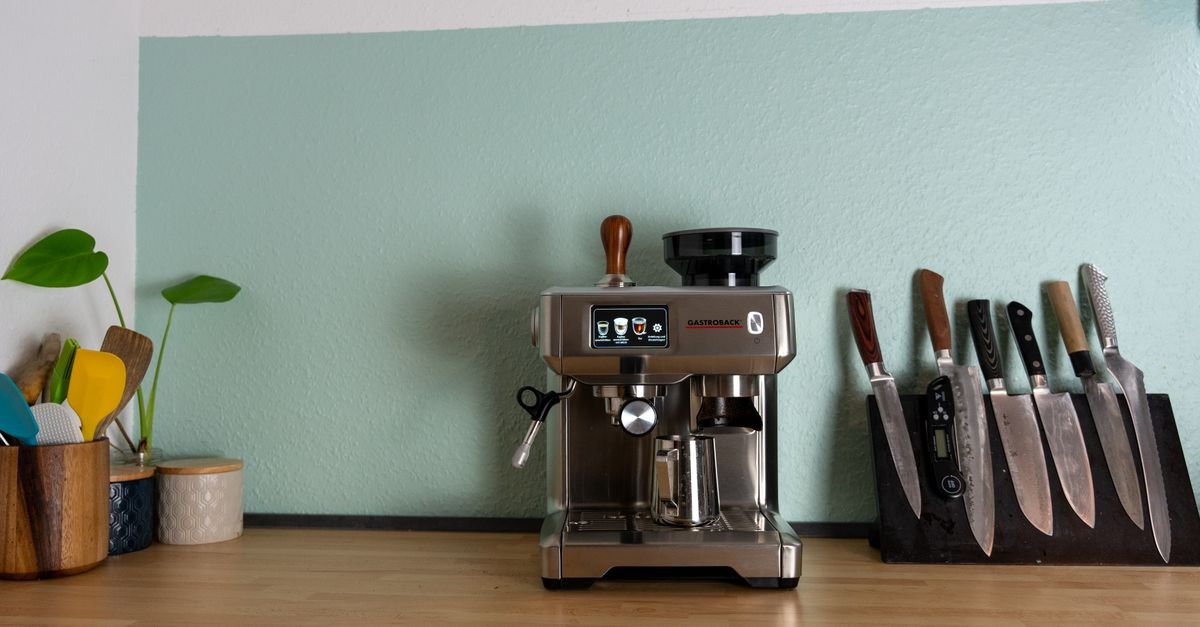
A home coffee bar is a workflow wearing decor: everything for the daily cup within one arm’s reach (machine, mugs, spoons, the good beans), a suitable dry operating area and electrical supply as specified by the machine’s manual, and a wipeable landing zone for the drips — styled to your kitchen so it reads intentional. A countertop corner, storage cart or cabinet can help organize the supplies; check the machine’s instructions separately before choosing its operating location. The aim is a convenient arrangement for your own routine, without a promised saving or result.
Also Read



This is the complete coffee bar build: the location math, the anatomy of a station that stays tidy, setups by space and budget, the styling layer, and the maintenance that keeps machine and corner guest-ready.
Key Takeaways
- Choose a location that meets the appliance manual’s surface, clearance and electrical requirements, with a convenient route for filling and rinsing and room for the cook to pass.
- Use the one-reach idea as a planning prompt: group the daily mug, supplies and spoon where they are comfortable to reach, while respecting hot surfaces and the appliance’s required clearances.
- A suitable riser, shelf or mug rack may make more use of vertical space; check its load rating, fixing instructions and clearance from the appliance.
- A tray or wipeable mat defines the zone and catches the grounds — the bar’s single most underrated component.
- A storage cart may suit a rental or a small space, but it is not automatically a suitable surface for operating a hot electrical appliance.
- Plan cleaning and descaling around the exact appliance manual, using its specified products and procedures.
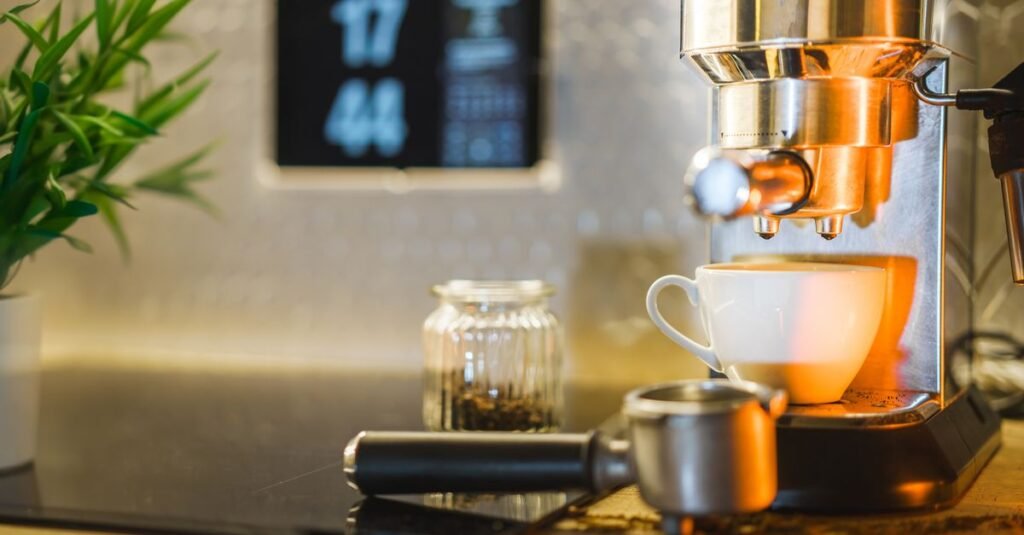
Location First (The Ten-Minute Decision)
Start with the exact machine’s requirements for a level, dry operating surface, electrical supply and clearance. Keep filling and rinsing convenient without putting the machine or its cord in a wet area, and leave room for other people using the kitchen.
As one specific example, the Breville Barista Touch BES880 manual says not to operate that appliance inside a cupboard or enclosed space. Read the manual for your own model; an attractive photograph does not establish that a proposed location is suitable.
The morning-path test decides ties: stand where you enter the kitchen half-awake and count steps to coffee — the winning location minimizes them. Households with early-shift and late-shift members add the quiet criterion: a bar AWAY from bedrooms lets the 5 a.m. grinder keep the peace (or moves the grinding to the night before).
The Anatomy (Six Parts, Any Budget)
The MACHINE layer: whatever you brew — drip, espresso, pod, or pour-over — anchored at the back, on a tray if drips are its personality.
The MUG layer: a small selection of frequently used mugs within comfortable reach (hooks, a riser shelf, or the cubby unit), the rest of the collection in the cabinet — mug sprawl is the coffee bar’s signature failure.
The SUPPLY layer: beans or pods in airtight canisters (the pantry decanting rules apply — coffee staleness is real), sweeteners and stirrers in small vessels, and the backstock in the pantry, not on the bar.
The LANDING layer: the tray or wipeable mat that defines the station, catches grounds and drips, and gives you a defined surface to clean according to its care instructions.
The COLD layer where relevant: a small pitcher spot for milk runs to the fridge — or the under-counter mini-fridge at the dedicated-station tier.
The CLEANUP layer: a cloth on a hook and a small bin for pods/filters — because the bar that requires a trip to the sink for every spill stops being wiped.
The coffee bar styling tour above shows the anatomy assembled and dressed in a real kitchen — the visual companion to this build.
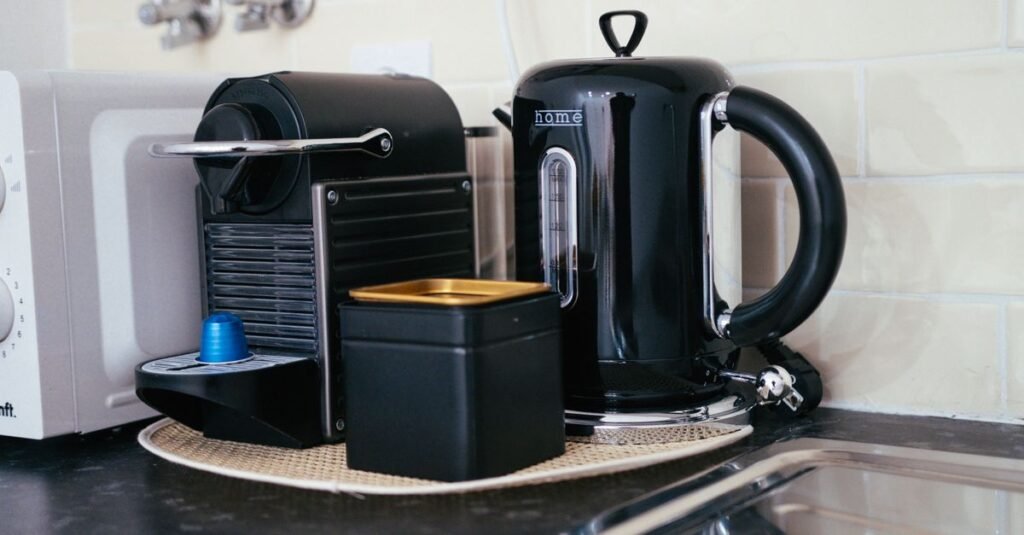
Setups by Space (Four Builds)
The Countertop Corner (Most Kitchens)
Measure the machine, the space needed to open or refill it and the clearances in its manual before allocating a counter corner. Store mugs and supplies above or beside it only where suitable fixtures and the appliance instructions allow; a fixed two-foot footprint will not suit every setup.
The Bar Cart (Renters and Small Spaces)
A three-tier cart can separate supplies: daily accessories above, mugs in the middle and backstock below. Compare the cart’s load rating and stability before choosing what to store on it.
Use a hot electrical appliance only on an operating surface permitted by its instructions; a cart is not automatically suitable. Follow the machine’s instructions for switching off, unplugging and cooling before moving or storing it.
The Cabinet Conversion (The Hidden Bar)
A hutch or cabinet can hide mugs, beans and other supplies when they are not in use. That does not make its enclosed interior a suitable place to operate a coffee machine or kettle.
Check the appliance manual before planning any built-in station, including its ventilation, clearance and electrical requirements. Have electrical or plumbing alterations assessed and carried out by appropriately qualified professionals rather than routing an improvised power supply into furniture.
The Dedicated Station (The Committed Tier)
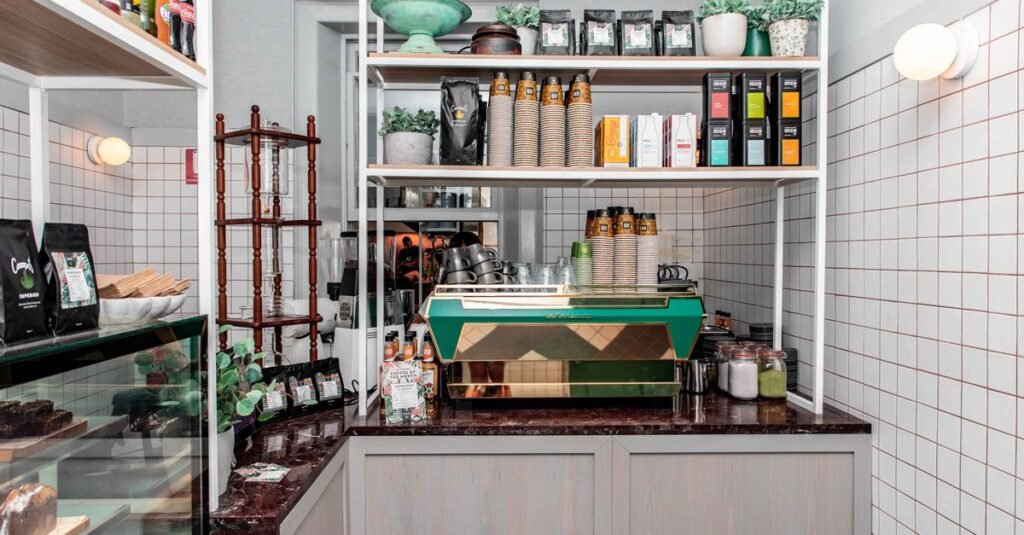
A console or built-in with the under-counter fridge, a water line if renovation allows, open shelving styled with the cup collection, and pendant light overhead — the coffee corner as a genuine room feature. This tier earns itself in households where coffee is hobby, not just fuel — and it photographs like the café it quietly is.

The Styling Layer (Function Dressed Well)
The coffee bar is one of the easiest styling wins in the house because its objects are already beautiful: matching canisters (two or three, not seven), the mug selection curated by color story, a small plant or print leaning at the back, and the tray unifying it all — the exact vignette formula from our styling playbook, running on caffeine.
The seasonal rotation keeps it alive: the autumn syrup bottles and cinnamon jar in fall, the red mugs at the holidays, the citrus-and-cold-brew summer version — one small swap per season, zero new furniture. And the restraint rule holds here doubly: the bar displays the DAILY kit; the collection lives in cabinets. A station drowning in novelty mugs reads as clutter with an espresso machine in it.
Signage honesty: the “But First, Coffee” tier of decor is beloved and optional — one small personality piece lands the charm; three make a theme park. The machine itself, kept clean, is the best-looking object on the bar.
Machine Care (The Part That Keeps It a Centerpiece)
Clean the tray, mug shelf and supply area as their materials require, and empty waste before it overflows. For the machine, drip tray, steam wand and grinder, use the model-specific cleaning steps rather than a universal ten-second or five-minute routine.
Follow the machine manual for descaling alerts, products, quantities and rinsing steps. Do not assume that a vinegar cycle or one schedule is suitable for every drip, pod or espresso machine.
For example, Nespresso’s descaling guidance advises against vinegar and other home remedies for its Original and Vertuo systems, and directs owners to model-specific instructions. Follow the separate care instructions for any grinder rather than transferring a cleaning method from another appliance.
Frequently Asked Questions
What do I need for a home coffee bar?
Start with the brewer you use, a small selection of daily mugs, your usual coffee supplies, spoons and a suitable landing tray or mat. Keep backstock separately and choose the operating location according to the appliance’s manual.
Where should a coffee bar go in the kitchen?
Choose a dry, suitable operating surface with the electrical supply and clearances specified in the appliance manual. Then compare how conveniently you can refill, rinse and reach supplies without blocking the cooking route.
How do I make a coffee bar in a small kitchen or rental?
Compare shelves, suitable racks or a cart for storing the supplies you actually use, after measuring the available space. Check installation/load instructions, and do not assume a cart or cupboard is suitable for operating a hot appliance.
How do I keep a coffee station clean?
Clean the tray and storage surfaces according to their care instructions. Follow the exact machine manual for removable parts, steam-wand care, cleaning products and descaling; the time needed depends on the task and model.
What makes a coffee bar look styled instead of cluttered?
Display only the daily kit — two or three matching canisters, a curated mug story, one personality piece — unified on a tray, with the collection stored elsewhere. One seasonal swap keeps it fresh without new furniture.
Is a coffee bar worth it?
It may be worth organizing a dedicated corner if it solves a real problem in your routine. Start with the storage you already own, compare the space and cost, and skip a purchase if the current arrangement works.
The Tea-and-Everyone-Else Expansion (The Honest Household Bar)
Most “coffee bars” serve mixed households, and the design absorbs it gracefully: the kettle joins the machine (electric, variable-temp if the tea drinker is serious), a tea drawer or tin cluster takes one supply slot (bags upright in a divided box — the sprawl species of the tea world), and the hot-chocolate tier for the kids gets its own reachable canister — keep their dry supplies separate from hot appliances and cords, with an adult handling hot drinks.
The seasonal drink rotation keeps the bar earning year-round: iced setup forward in summer (a pitcher spot, the cold-brew jar, straws in a cup), the syrup-and-spice tier for fall, cocoa command in winter — one small basket can hold the seasonal supplies, the coffee bar’s version of the two-bin decor system.
And the guest protocol that makes hosting effortless: everything a guest needs to serve themselves visible without a tour — mugs out, sweeteners labeled, spoons in the cup, the “help yourself” that actually works because the bar’s one-reach anatomy works for strangers too. A coffee bar that guests can operate unassisted is the quiet hosting upgrade of the whole kitchen.
The Machine-Choice Footnote (Matching Brewer to Bar)
The bar shapes around its engine, so one honest paragraph on the fork: pod machines keep the capsule supplies compact but still need cleaning and waste storage (the smallest bars love them; the pods claim a drawer), drip wins the multi-cup household (the carafe IS the morning), espresso machines win the ritualists (and demand the most landing zone, water access, and cleaning commitment — size the tray accordingly), and pour-over wins the minimalist counter (a kettle, a dripper, a shelf — measure the space your own equipment needs).
The two-brewer household is normal and fine — the anatomy just assigns each engine its zone and keeps the shared layers (mugs, sweeteners, tray) central. Buy the machine for the coffee you actually drink daily, not the coffee you admire in videos — the bar’s job is serving the real morning, beautifully.
The Morning-Rush Engineering (The Bar at 6:45 A.M.)
For a busy morning, set out a clean mug and closed supplies where they will be easy to find. Use a built-in programmable feature only as the appliance’s own instructions permit, and keep travel-mug lids together beside their mugs.
If two people need the station at once, agree on a sequence and leave working space for both. A second brewer is an optional purchase to assess, not a guaranteed way to remove queues or household disagreements.
And the weekend inversion: the same bar runs slow mode — the pour-over ritual, the frother’s moment, the good mugs — which is the quiet genius of the station: one corner, two speeds, every morning served at its own pace.
The Budget Ladder (Start With What You Own)
Tier one, pocket change: a tray, two canisters, mug hooks under the existing cabinet — the anatomy imposed on what you own; check whether that addresses your actual storage problem.
Tier two, modest: the riser shelf, matching canisters, a proper machine upgrade if the daily cup deserves it — the tier where the corner starts photographing.
Tier three, committed: the bar cart or cabinet conversion, the under-cabinet lighting strip (assess the lighting and installation requirements separately), and the espresso setup with its full landing zone.
Tier four, the dream: the dedicated station build — plumbed water, pot filler, under-counter fridge, open shelving styled per the playbook. The honest note across all four: coffee quality lives in beans, water, and machine maintenance — the tiers buy convenience and joy, and your own pattern of use should guide the budget.
The Bottom Line
A coffee bar is the one-reach rule dressed for company: machine anchored, mugs curated, beans sealed, tray catching the evidence — placed where its manual permits operation, with supplies arranged out of the cook’s way.
Start by grouping the daily mug and supplies, leaving backstock elsewhere, then try the arrangement in your normal routine. Buy or alter storage only when you can name the problem it will solve, and keep appliance operation and care within its manual’s instructions.

I'm Nasir Uddin Khan, founder of HomeNeeds24 and a senior IT consultant with 18+ years' experience in Oracle database administration, enterprise infrastructure and ERP system design. I write the buying guides here and I build every calculator on the site myself, from published engineering standards rather than opinion. My research is structured rather than lab-based: manufacturer specifications, safety and efficiency standards, and the trade-offs that repeat across large volumes of verified customer reviews. Where I have direct hands-on experience — smart home, networking, energy and anything computer-adjacent — I say so in the guide.