
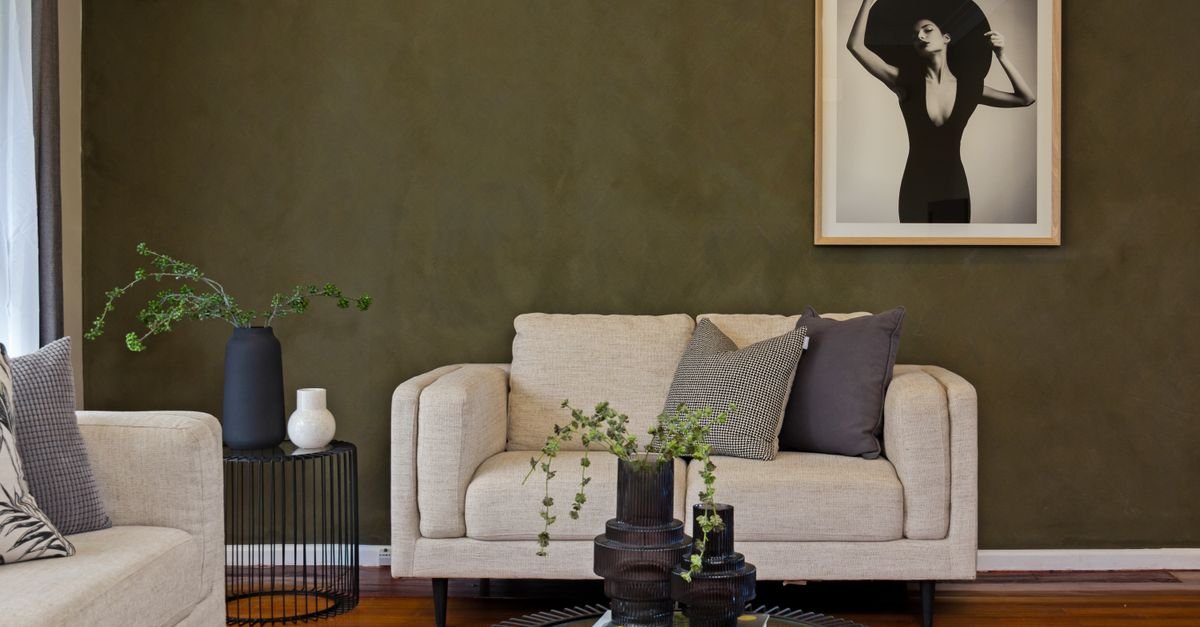
Here’s the secret hiding inside every beautifully styled home: it’s not one big talent. It’s the same five or six small rules, applied surface by surface — the coffee table, the shelves, the bed, the nightstand, the walls — until the whole house hums in tune.
Also Read


This is the master guide to those rules: the complete HomeNeeds24 styling playbook, with every deep-dive guide linked in its place. Read this page once, and you’ll see every room in your home differently by tonight.
Quick answer: Styling any home comes down to repeatable principles: the trio formula (something useful + something organic + something with character) on every surface, heights in a triangle (tall-medium-low), odd numbers over even, 30–50% empty space as part of the design, a limited palette repeated through the room, and anchors sized correctly (rugs, lamps, art). Master those once — then this hub walks you through applying them to every surface and room, one linked guide at a time.
Key Takeaways
- One skill, many surfaces: the trio + height triangle + empty space formula styles a coffee table, a shelf, a nightstand, and a mantel identically.
- Anchors first: rug size, lamp scale, and art height decide whether a room reads designed — before any decor lands.
- Repetition creates intention: every color, wood tone, and material should appear at least twice.
- Empty space is a design element — the difference between curated and cluttered is what you leave out.
- Style for the life you have: landing zones, kid-proof shelves, renter-safe methods — a styled home that fights daily life loses.
- Every section below links a full deep-dive guide — this page is the map; the guides are the territory.
How to Use This Guide
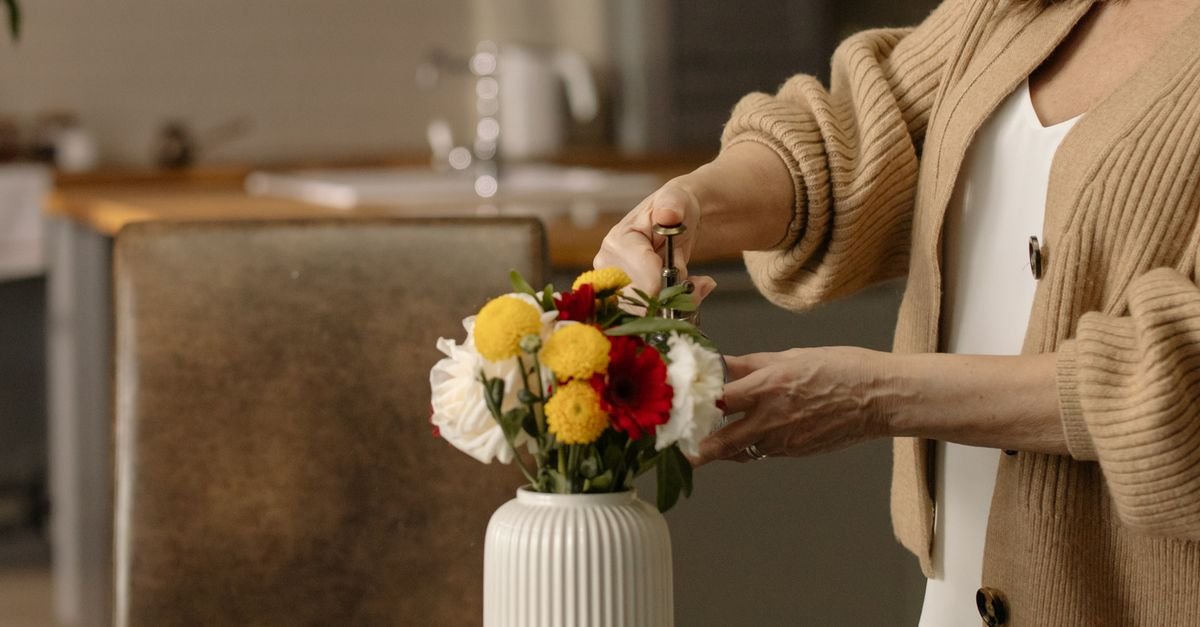
This is the hub of our entire styling library. Read the principles below first — they’re the grammar every room speaks. Then jump to whichever surface is bothering you most; each section summarizes the approach and links the complete step-by-step guide.
Recommended first project: whichever surface you look at most. For most people that’s the coffee table or the nightstand — both fifteen-minute wins that teach the formula you’ll reuse everywhere else.
The Universal Formula: Style Any Surface in Three Moves
Strip away the room-specific details and every styled surface in every design magazine runs the same recipe:
Move 1 — the trio. Something useful (books, a tray, a carafe), something organic (plant, stems, flowers), something with character (the object with a story). Three roles, endlessly recastable.
Move 2 — the height triangle. One tall element, one medium, one low. Flat arrangements disappear; triangles get photographed.
Move 3 — the edit. Leave a third to half of every surface empty, and remove one thing after you finish. When the removal stings slightly, the surface is done.
Supporting laws: odd numbers (threes and fives read as intentional), contained clutter (a tray converts debris into a vignette), and scale up, count down (three substantial objects beat ten small ones, always).
You’ll meet these moves again in every guide below — that repetition is the point. Learn once, apply forever.
The Anchors: Get These Right Before Any Styling
Decor sits on top of structure — and three structural calls decide most of a room’s fate:
The rug. Too small is the most common mistake in the entire discipline: a floating rug-island fragments the room. At minimum, front legs of all seating share the rug. Full math in the rug size guide.
The curtains. Hung high and wide — rod near the ceiling, fabric kissing the floor — windows grow and ceilings lift. The numbers live in how long should curtains be.
The light layers. One ceiling bulb creates a bright center and dead corners; a floor lamp plus table lamp expands the room to its real edges every evening.
Fix the anchors and mediocre decor looks good. Skip them and perfect decor looks off — and nobody can name why.
The Living Room: Four Surfaces, One System
The coffee table — the fifteen-minute masterclass
Tray + books + organic + object + candle, heights varied, landing zone clear. It’s the trio formula’s home turf, and our coffee table styling guide is the full recipe — including shape-by-shape layouts and the seasonal swap ritual. (Table itself past saving? The modern coffee tables roundup covers replacements.)
The walls — the gallery wall done right
Collect first, anchor with the largest piece, rehearse with paper templates, hang the group’s center at 57–60 inches with 2–3 inch spacing. The gallery wall guide walks the no-regret-holes method end to end; the broader wall story lives in styling your walls like a designer.
The shelves — the zigzag library
Empty everything, rebuild with the trio per shelf, alternate arrangements so the eye zigzags, keep 30% air, sink weight to the bottom. Full method: how to style shelves.
The wood question — stop matching, start mixing
One dominant tone, undertones in family, every tone repeated twice, rugs and textiles as peacekeepers. The wood tone mixing guide retires the matching anxiety for good.
The Bedroom: Where Styling Meets Sleep
The bed — the room’s biggest canvas
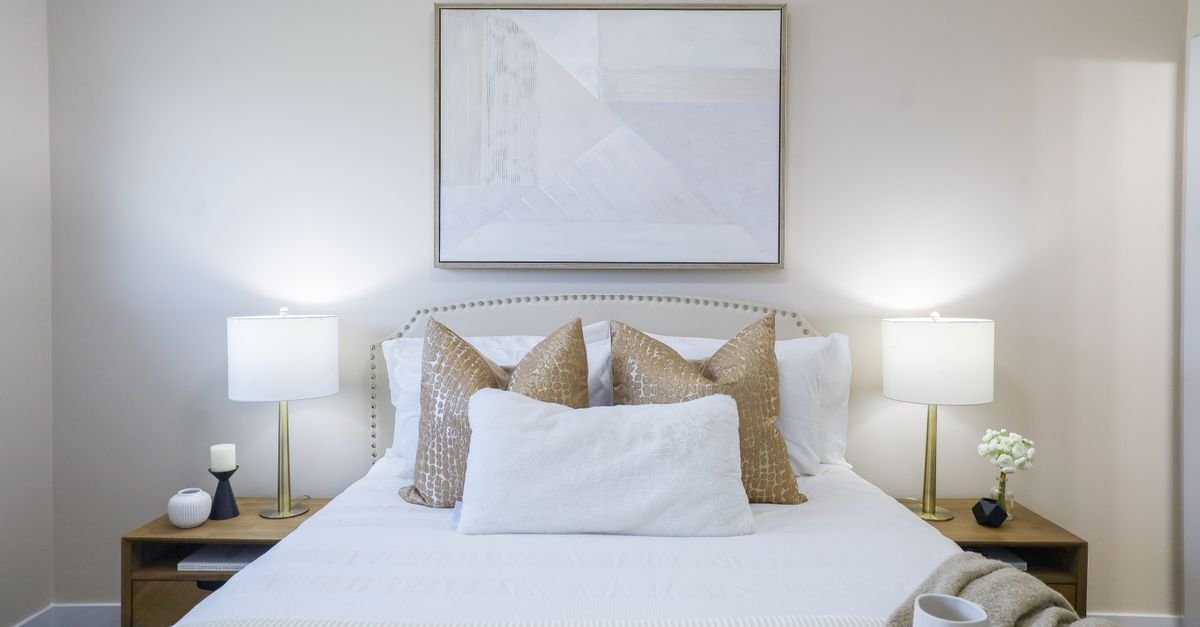
Fitted sheet, flat sheet pattern-down, duvet folded back a third, quilt at the foot, pillows in three rows, one throw tossed with intent. The bed layering guide delivers the hotel look in one laundry cycle — and the deeper comfort stack lives in the mattress and bedding guide.
The nightstand — one light, one useful, one lovely
The trio formula’s smallest stage: lamp scaled right, a genuine function, one piece of life — cables invisible, front edge clear. Fifteen minutes via the nightstand guide; hardware upgrades in the nightstands roundup.
The windows and the walls
Bedroom curtains carry double duty — style and sleep; bedroom curtain ideas balances both. And the space above the headboard is prime gallery-wall or single-statement territory — same 57-inch rule, measured from the floor, not the bed.
The Whole-Home Layer: Space, Scent, and Renting
Making small rooms live large
Light hung high, one big mirror opposite the window, leggy furniture, one properly sized rug, storage sent up the walls, half of every surface clear. The complete illusion kit: how to make a small room look bigger.
The invisible styling: scent
Half of “this home feels wonderful” enters through the nose. Layered, room-matched scent — and the buildup-clearing that precedes it — lives in how to make your house smell good.
Styling on a lease
Every technique above has a deposit-safe version: peel-and-stick walls, adhesive gallery hanging, lamp-based lighting, hardware swaps with the sacred move-out box. The renter’s complete arsenal: renter-friendly decor upgrades.
The Palette Rules That Tie Rooms Together
Individual surfaces styled, the room-level glue is color discipline:
60-30-10: a dominant neutral (walls, big furniture), a secondary color (textiles, curtains), and one accent in small, repeated doses. It’s the ratio behind almost every room you’ve ever saved.
Repeat across surfaces: the accent on the coffee table tray should echo in a shelf object and a cushion — triangulated color pulls a room together the way repeated wood tones do.
Metals count too: pick one or two (brass + black is the modern classic) and let them recur in lamps, frames, and hardware.
The test: stand at the room’s entrance and squint. If your eye bounces smoothly between three landing points of the same accent, the room is singing. If it snags on an orphan color, you’ve found this weekend’s two-dollar fix.
Seasonal Styling: The Ten-Minute Quarterly Ritual
Styled homes stay interesting through rotation, not accumulation — keep every base, swap only accents:
Spring: fresh stems everywhere the trio allows, lighter throws, citrus and linen scents.
Summer: bowls of fruit and shells, sheer layers, the duvet retired for a coverlet.
Fall: dried grasses, amber glass, spiced candles, the chunky knits promoted.
Winter: evergreen sprigs, metallics, maximum candlelight, the warmest textures front and center.
One labeled box per season in storage makes the swap a ritual instead of a shopping trip — and each surface guide above includes its own seasonal notes.
The Ten Styling Mistakes This Library Exists to Fix
1. The too-small rug — the number-one room-shrinker. 2. Curtains at the window frame — free ceiling height, refused. 3. Everything the same height — flatline arrangements. 4. Even-numbered groupings — staged, not styled. 5. Every surface full — clutter wearing decor’s clothes. 6. Ten tiny objects where three substantial ones belong. 7. Matching wood everything — the dated-showroom effect. 8. Art hung too high — trust the 57-inch rule. 9. Visible cable spaghetti — undoing every vignette it touches. 10. Styling against your real life — the beautiful surface that daily routine demolishes by Thursday. Style the household you actually run.
Your 30-Day Home Styling Plan
The whole library as one gentle month — one project per weekend, formula compounding as you go:
Weekend 1 — the fifteen-minute wins: coffee table and nightstand. Learn the trio and triangle where mistakes cost nothing.
Weekend 2 — the anchors: audit rug size, rehang curtains high and wide, add the missing lamp. Structural payoff, whole-room effect.
Weekend 3 — the vertical projects: shelves restyled with the zigzag, gallery wall rehearsed on paper and hung through it.
Weekend 4 — the finishing layer: bed layered hotel-style, wood tones audited and echoed, scent layered, one seasonal box packed.
Total budget: mostly zero — the formula runs on editing and rearranging before it ever runs on shopping. Where it does shop, each linked guide carries its honest picks.
The Forgotten Surfaces: Entryway, Dining Table, and Mantel
Three high-visibility zones the guides above imply but deserve their own minute:
The entryway console is the home’s handshake — and a pure trio exercise: a lamp or mirror (tall), a bowl or tray for keys (useful, low), one piece of life (organic). Add a hook or basket for the daily launch gear and the “where are my keys” era ends as a side effect of styling.
The dining table between meals wants one confident centerpiece, not a museum: a low bowl, a runner, a vase sized so conversation clears it — the coffee-table height rule wearing dinner clothes. Style it to be moved: everything lifts off in one trip when plates arrive.
The mantel (or media console) is a shelf at ceremony height: anchor one end with the tallest piece, step down across, lean art behind, and let asymmetry win — perfectly mirrored mantels read like hotel lobbies.
Style What You’ve Lived: The Personal-First Rule
Every formula in this playbook has one quiet superpower: it makes your things look intentional — which is the entire difference between a styled home and a staged one.
The travel bowl, the inherited candlesticks, the dog-eared paperbacks, the kid’s framed masterpiece — these outperform store-bought decor precisely because guests can feel the story. The trio formula’s “character” slot exists for them.
The working rule: for every purely decorative purchase, promote one personal object into a vignette. Rooms styled entirely from a store look like the store; rooms styled from a life look like wealth of a better kind.
The Camera Trick: Finding Flaws Your Eyes Skip
Your brain edits rooms you live in; a photo doesn’t. The designer’s cheapest tool:
Stand at the room’s entrance and photograph it. On the screen — not in the room — the too-small rug announces itself, the orphan color pops, the cable spaghetti glows, the crooked frame leans. Squinting at the photo compresses it further to pure masses and lines.
Fix the top one or two offenders the photo reveals, reshoot, repeat. Three rounds of this loop routinely does what an afternoon of shopping can’t — and it’s the exact process behind every “before/after” that looks like a budget miracle.
The Budget Ladder: Styling at $0, $100, and $500
Every tier of this playbook has a price tier — and the $0 rung does the most work:
At $0: shop your own house. Pull every candidate object onto the dining table, clear each surface to bare, and restyle with the trio formula from your own inventory. Books stack, jars become vases, a scarf becomes a table runner. Most homes own three rooms’ worth of decor distributed wrongly.
At $100: buy the multipliers, not the objects — a larger lamp shade, two oversized frames for art you print yourself, one big vase, fresh pillow covers (not pillows), and a can of paint for the boldest wall. Each purchase upgrades a whole vignette, not a single spot.
At $500: fix one anchor properly. A correctly sized rug or full-height curtain rods will out-transform $500 of small decor every single time — this is the tier where the rug size guide and curtain height rules pay for themselves.
The order matters: exhaust the free rung before spending, and spend on anchors before accents.
Texture: The Layer You Feel Before You See
Two rooms with identical layouts and colors can read completely differently — the difference is almost always texture count.
A room needs at least five distinct textures to feel finished: something woven (baskets, rattan), something soft (wool, bouclé, velvet), something smooth (ceramic, glass), something aged (wood grain, patina’d metal), and something alive (plants, flowers, even good branches).
All-smooth rooms read cold and rental-like; all-soft rooms read cluttered. The audit is thirty seconds: stand in the doorway and count textures you can name. Under four, add; the fix is usually a throw, a basket, and a plant — not furniture.
Texture is also the budget stylist’s secret: a $15 woven basket adds more finish than a $150 print, because texture reads as depth in person and in photos alike.
The Maintenance Loop: Keeping a Styled Home Styled
Styling decays — mail lands on the console, the coffee table grows remotes, the shelf gains a charging cable. The system that survives real life:
Give clutter a home inside the vignette. Every styled surface gets one working vessel — the tray, the lidded box, the bowl — so daily-life objects have a landing zone that is part of the design instead of a violation of it.
The ten-minute weekly reset: once a week, return each surface to its photo state. Because every vignette was built as a deliberate composition, reset is pattern-matching, not decision-making — which is why it takes minutes.
Rotate seasonally, not constantly. Swap the accent layer (pillow covers, vase contents, one shelf object) four times a year and the whole home feels refreshed for pocket change — the anchors never move.
A styled home is not a home that never gets messy; it is a home that resets in ten minutes because every object has a decided place.
Your First Week With the Playbook
Reading styles nothing; a schedule does. Day one, photograph every room from its doorway — that photo set is your before, your flaw-finder, and your motivation. Day two, fix the worst anchor the photos revealed (usually a rug or bare windows). Days three through five, one surface per day with the trio formula: coffee table, shelves, nightstand. Day six, the entryway. Day seven, reshoot every room from the same doorways and compare.
One week, mostly zero dollars, and the difference will be visible in every frame — because styling was never about owning better things. It was about placing the things you own like you meant it.
Frequently Asked Questions
How do I style my home like a designer?
Apply the universal formula to every surface: a trio of useful + organic + character objects, heights in a tall-medium-low triangle, odd numbers, and 30–50% of each surface left empty — on top of correctly sized anchors (rug, curtains, lighting). Each surface has a dedicated guide in this hub with the full method.
Where should a beginner start styling?
The coffee table or nightstand — both are fifteen-minute projects that teach the reusable formula with zero risk. Then fix the anchors (rug size, curtain height, lamp layers), which upgrade the whole room at once.
How do I make my home look styled without buying anything?
Edit and rearrange: clear every surface, rebuild with trios from objects you already own (books, bowls, plants, framed photos), leave a third empty, and repeat colors you already have across three points in the room. Most homes contain a styled home, scattered in the wrong places.
What makes a home look cluttered even when it’s clean?
Too many small objects, every surface filled, no height variation, and unrepeated one-off colors — visual noise, not dirt. The fixes: scale up and count down, enforce the 30% empty rule, and corral small items on trays.
How often should I restyle my home?
Structure once, then a ten-minute accent swap per season — stems, throws, candles, and bowls rotating while bases stay. Daily maintenance is sixty seconds of returning strays to their zones.
Do these styling rules work in small homes and rentals?
Especially there — small rooms reward the empty-space and scale rules most (see the small-room guide), and every technique in this library has a damage-free renter’s version (see the renter guide). The formula is size- and lease-agnostic.
What’s the single highest-impact styling change?
Almost always the rug: sizing it correctly unifies the floor, the furniture, and the room’s entire perceived size in one purchase. Curtains hung high are the close second — and both are covered by dedicated guides in this hub.
The bottom line
Styling isn’t a talent lottery — it’s a small grammar spoken fluently: trios, triangles, odd numbers, breathing room, and anchors sized right. This hub holds the whole language; the seven guides hold the deep practice. Pick tonight’s surface, set a fifteen-minute timer, and start speaking it — room by room, your home is about to become the one in your saved photos.

I'm Nasir Uddin Khan, founder of HomeNeeds24 and a senior IT consultant with 18+ years' experience in Oracle database administration, enterprise infrastructure and ERP system design. I write the buying guides here and I build every calculator on the site myself, from published engineering standards rather than opinion. My research is structured rather than lab-based: manufacturer specifications, safety and efficiency standards, and the trade-offs that repeat across large volumes of verified customer reviews. Where I have direct hands-on experience — smart home, networking, energy and anything computer-adjacent — I say so in the guide.