

A stain doesn’t have to mean the end of a favorite shirt or a good tablecloth. Most stains, even stubborn ones, can be removed if you act correctly — and the key word is correctly. The wrong approach can set a stain permanently, while the right one lifts it cleanly. Knowing how to treat the common stains life throws at your laundry saves money, frustration, and a lot of ruined clothing.
Also Read



This complete laundry stain guide covers the principles of stain removal and how to tackle the most common offenders. With a little knowledge, you’ll rescue far more items than you lose.
The Golden Rules of Stain Removal
Before specific stains, a few principles apply to almost all of them. Follow these and you’ll handle most stains successfully.
Act Fast
The single most important rule is to treat a stain as soon as possible. Fresh stains lift far more easily than ones that have dried and set. The longer a stain sits, the deeper it bonds with the fabric. Quick action is the difference between an easy rescue and a permanent mark.
Blot, Don’t Rub
Rubbing a stain spreads it and pushes it deeper into the fibers. Instead, blot gently from the outside of the stain inward to lift it without spreading. This protects both the fabric and your chances of full removal.
Cold Water First, and Test
For most stains, start with cold water — hot water can cook certain stains, especially protein-based ones, and set them permanently. Always check the garment’s care label, and test any stain treatment on a hidden area first to make sure it won’t damage the fabric or color.
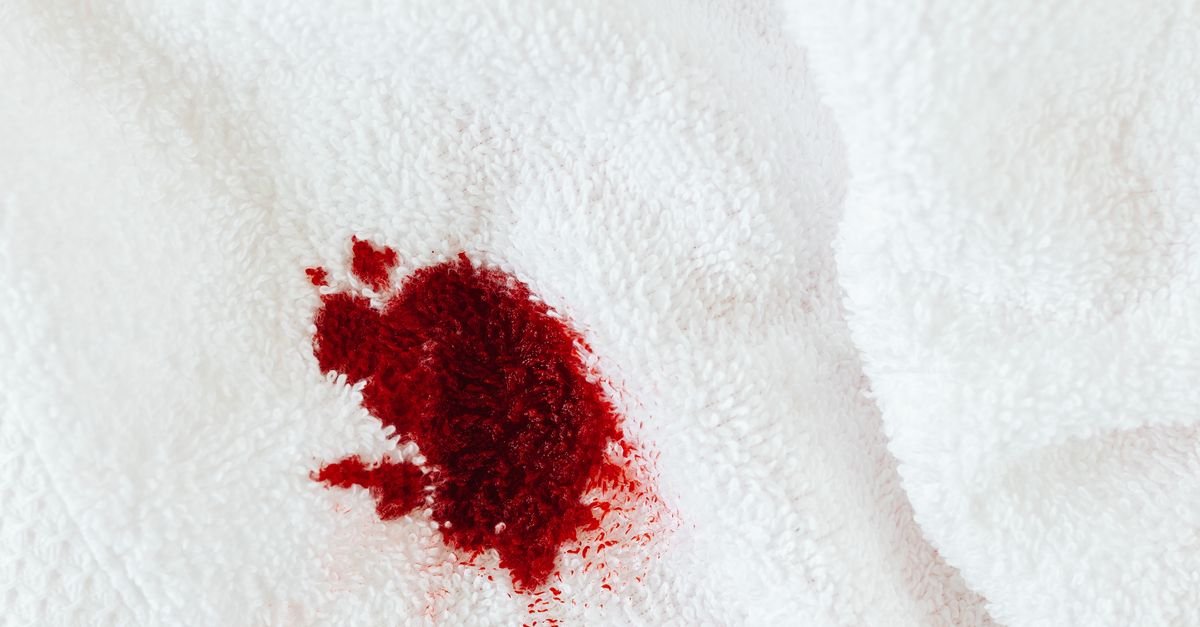
Food and Drink Stains
These are the most common household stains, and most respond well to prompt treatment. For coffee, tea, and juice, rinse with cold water from the back of the stain and treat before washing. Greasy food stains benefit from a little dish soap, which is designed to cut grease, worked gently into the spot. Tomato-based and other pigmented stains should be rinsed cold and treated promptly, as they can be stubborn if left. The common thread is acting fast and rinsing with cold water before the stain sets.
Grease and Oil Stains
Oil-based stains — cooking oil, butter, cosmetics — need a different approach because water alone won’t shift grease. Apply a grease-cutting agent like dish soap directly to the stain and work it in gently before washing. For fresh grease, sprinkling an absorbent powder first can draw out some of the oil. Avoid hot water until the grease is gone, and check the stain is fully removed before drying, since heat will lock in any remaining oil. Patience and a grease-cutter are the keys here.
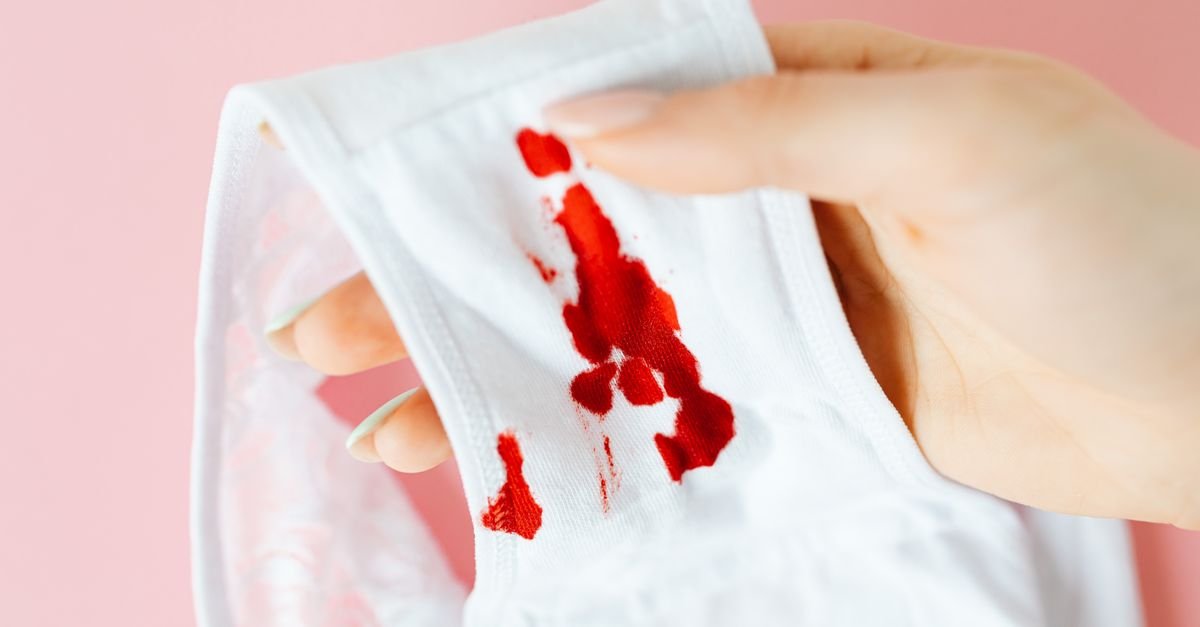
Protein-Based Stains
Protein stains — blood, egg, dairy, sweat — have one critical rule: never use hot water, which cooks the protein and sets the stain for good. Always treat these with cold water. Rinse fresh stains under cold running water from the back, then treat before washing. For dried protein stains, soaking in cold water helps loosen them before treatment. Getting the temperature right is what makes protein stains removable rather than permanent.
Tough and Set-In Stains
Some stains — ink, grass, stubborn old marks — need extra effort. The principles still apply: act as fast as you can, blot don’t rub, and test treatments first. Set-in stains that have already been through a dryer are the hardest, because heat bonds them to the fabric, which is exactly why you should never dry an item until you’re sure the stain is gone. For tough stains, treating and soaking, then checking before drying, gives the best chance. Repeat treatment if needed rather than resorting to heat too early.
Protect Your Clothes From Stains
The easiest stain to remove is the one that never sets. Keep a few habits to minimize damage: deal with spills immediately rather than waiting until laundry day, keep a stain-treatment option handy for quick action, and always check items for stains before washing and again before drying. Never tumble-dry a stained item, since the heat can make the mark permanent. These simple habits dramatically improve how many garments you save.
Frequently Asked Questions
What’s the most important rule for removing stains?
Act fast. Fresh stains lift far more easily than dried, set ones. The longer a stain sits, the harder it is to remove, so treat it as soon as possible.
Should I use hot or cold water on stains?
Start with cold water for most stains, and always use cold for protein stains like blood and egg — hot water can set them permanently. Check the care label too.
Why shouldn’t I rub a stain?
Rubbing spreads the stain and pushes it deeper into the fibers. Blot gently from the outside inward instead to lift it without spreading.
Can I remove a stain after it’s been dried?
It’s much harder, because the dryer’s heat bonds the stain to the fabric. That’s why you should always check that a stain is gone before drying. Set-in stains may still respond to repeated treatment and soaking.
Key Takeaways
- Act fast — fresh stains are far easier to remove than set-in ones.
- Blot gently from the outside in; never rub, which spreads the stain.
- Start with cold water, and always use cold for protein stains like blood and egg.
- Use a grease-cutter like dish soap for oil-based stains, and test treatments first.
- Never dry a stained item until the mark is gone, and treat spills immediately to prevent setting.
Most stains are beatable when you act fast and use the right method. Remember the golden rules — quick action, blot don’t rub, cold water, and no heat until it’s gone — and you’ll rescue far more clothes than you ruin. For more practical guidance, visit our home guides and the full Laundry & Cleaning collection.

I'm Nasir Uddin Khan, founder of HomeNeeds24 and a senior IT consultant with 18+ years' experience in Oracle database administration, enterprise infrastructure and ERP system design. I write the buying guides here and I build every calculator on the site myself, from published engineering standards rather than opinion. My research is structured rather than lab-based: manufacturer specifications, safety and efficiency standards, and the trade-offs that repeat across large volumes of verified customer reviews. Where I have direct hands-on experience — smart home, networking, energy and anything computer-adjacent — I say so in the guide.