
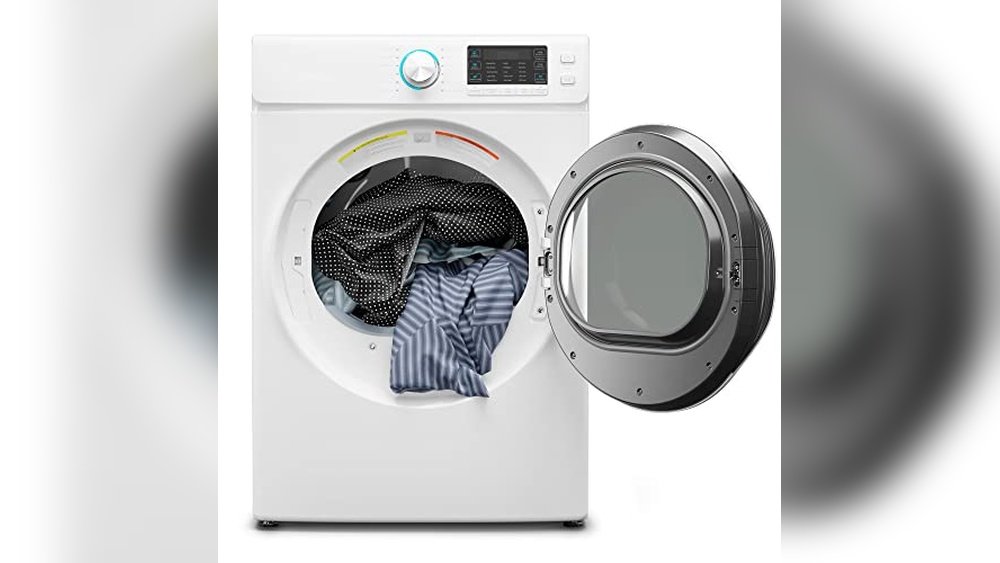
A washing machine is one of the hardest-working appliances in your home, and a good one quietly saves you time, money, and laundry headaches for a decade. But with so many types, sizes, and features — front-load vs top-load, inverter motors, steam cycles, smart connectivity — choosing can be confusing. This guide cuts through it: how to choose the right washing machine, the features that genuinely matter, and which to skip.
Also Read



How to Choose: Start With the Basics
Before features, nail down four things: the capacity you need (based on household size), the type (front-load or top-load), the space you have (measure the spot, including door clearance and ventilation), and your budget — remembering that an efficient machine costs less to run over its life. Get these right and the rest is choosing features that suit how you do laundry.
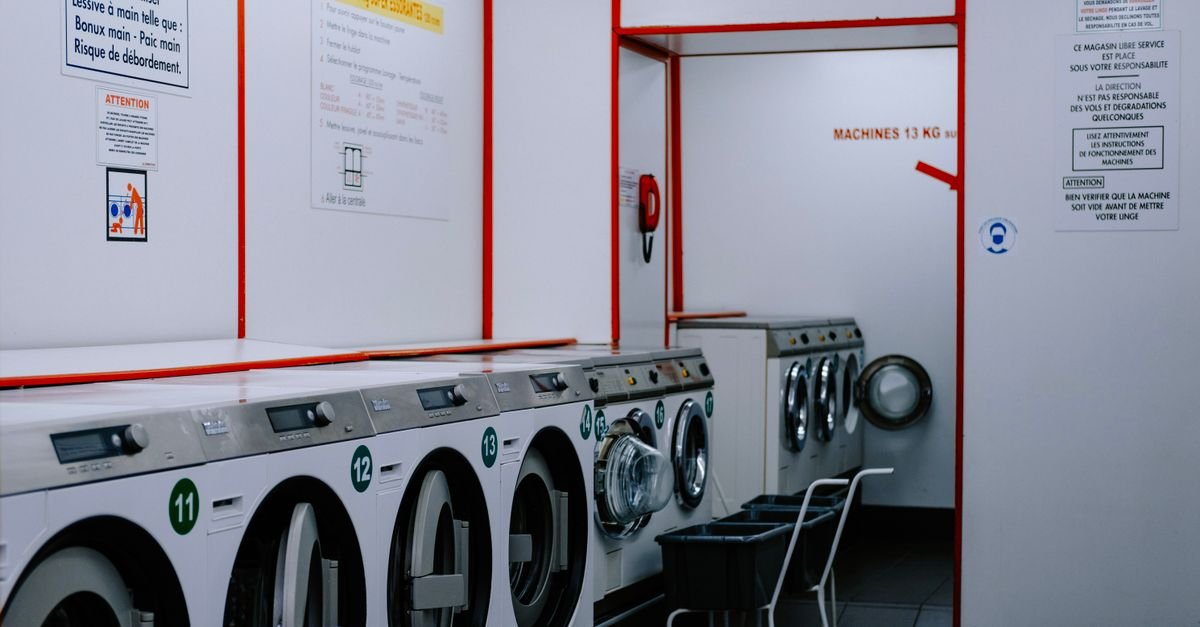
Front-Load vs. Top-Load
Front-Load Washers
Front-loaders are generally more water- and energy-efficient, clean very effectively, are gentler on clothes, and spin faster (extracting more water so drying is quicker). They can also be stacked with a dryer to save space. The trade-offs: they often cost more upfront, cycles can run longer, and the door seal needs occasional wiping to prevent odor. For most households prioritizing efficiency and cleaning performance, front-load is the popular choice.
Top-Load Washers
Top-loaders are often more affordable, have shorter cycles, are easier to load without bending, and you can add a forgotten item mid-cycle (on many models). High-efficiency top-loaders without a center agitator offer more capacity and gentler washing. The trade-offs can be higher water/energy use (especially agitator models) and slightly less gentle handling. A solid, budget-friendly choice, especially if you value speed and easy loading.
Key Features That Actually Matter
- Energy & water efficiency: the feature that saves you money every wash for years — prioritize a high-efficiency rating.
- Inverter motor: quieter, more efficient, more durable, and often comes with a longer warranty — genuinely worth having.
- Spin speed: higher spin extracts more water, so clothes dry faster (saving dryer time/energy).
- Capacity: match to your household — too small means constant washing; far too big wastes water on small loads.
- Useful cycle options: a good everyday cycle, a quick wash for light loads, and a delicate cycle cover most needs. Steam cycles help with stains and allergens.
- Noise level: important if the machine is near living spaces; inverter models are quieter.

Features You Can Usually Skip
Don’t pay for dozens of specialty cycles you’ll never touch — most people use just two or three. Smart Wi-Fi connectivity (start/monitor from your phone) is a nice-to-have, not essential, unless you genuinely want it. Flashy presets and gimmicks add cost without much real benefit. Spend instead on efficiency, a good motor, the right capacity, and build quality — the things that affect every wash.
As an Amazon Associate, HomeNeeds24 earns from qualifying purchases.
Sizing & Capacity Guide
Match capacity to your household: a small machine suits singles or couples; a mid-size handles a small family; a large-capacity machine suits big families or anyone washing bulky items like bedding and comforters. Buying a bit larger than your current need can mean fewer loads, but a machine that’s too large wastes water and energy on the small loads you run most. Also measure your space carefully — width, depth, height, door swing, and clearance for hookups and ventilation — before you buy.
Keeping Your Washer Running Well
A washing machine lasts longer and cleans better with a little care. Leave the door ajar between washes (especially front-loaders) so the drum dries and odor doesn’t build; run an occasional cleaning cycle or hot empty wash to clear detergent buildup; wipe the door seal and detergent drawer; use the correct amount of detergent (too much leaves residue); and don’t overload it — clothes need room to clean. These simple habits keep the machine fresh and extend its life.
Frequently Asked Questions
Is a front-load or top-load washer better?
Front-loaders are generally more efficient, clean very well, are gentler on clothes, and spin faster, but cost more and run longer. Top-loaders are often cheaper, faster, and easier to load. Choose based on your priorities: efficiency (front) vs price and convenience (top).
What is an inverter washing machine?
One with an inverter motor — quieter, more energy-efficient, and more durable than conventional motors, often with a longer warranty. It’s a genuinely worthwhile feature.
What size washing machine do I need?
Match capacity to your household — smaller for singles/couples, larger for families or bulky items. Avoid going far bigger than you need, which wastes water and energy on small loads.
What washing machine features are worth paying for?
Energy/water efficiency, an inverter motor, the right capacity, good spin speed, and a few useful cycles. Skip dozens of specialty cycles and gimmicks you won’t use; smart Wi-Fi is optional.
Key Takeaways
- Decide capacity, type, space, and budget first — efficiency saves money for years.
- Front-load = efficient, gentle, fast spin (costs more); top-load = affordable, fast, easy to load.
- Prioritize efficiency, an inverter motor, the right capacity, and spin speed.
- Skip excess specialty cycles and gimmicks; smart Wi-Fi is optional.
- Maintain it (dry the drum, clean cycles, right detergent, don’t overload) to extend its life.
The right washing machine quietly saves you time, money, and hassle for a decade. Focus on efficiency, a good motor, and the right size for your home rather than gimmicks, and maintain it well. For more, visit our home guides and the full Laundry & Cleaning collection.

I'm Nasir Uddin Khan, founder of HomeNeeds24 and a senior IT consultant with 18+ years' experience in Oracle database administration, enterprise infrastructure and ERP system design. I write the buying guides here and I build every calculator on the site myself, from published engineering standards rather than opinion. My research is structured rather than lab-based: manufacturer specifications, safety and efficiency standards, and the trade-offs that repeat across large volumes of verified customer reviews. Where I have direct hands-on experience — smart home, networking, energy and anything computer-adjacent — I say so in the guide.