
The moment a baby starts to crawl, your home transforms from a familiar space into a landscape of potential hazards. Outlets, stairs, cords, sharp corners, and countless small objects suddenly demand attention. Childproofing isn’t about wrapping your home in bubble wrap — it’s about thoughtfully removing the real risks so your child can explore safely and you can relax a little. Done room by room, it’s entirely manageable.
Also Read



This guide is a room-by-room childproofing checklist covering the hazards that matter most and how to address them. Tackling it systematically ensures nothing important is missed, giving you genuine peace of mind as your child grows and becomes more mobile.
Start by Seeing Your Home From Their Level
The best first step in childproofing costs nothing: get down on the floor and look at each room from a child’s height. From down there, you’ll spot the dangling cords, the reachable outlets, the wobbly furniture, and the small objects that an adult standing up never notices. This simple shift in perspective reveals the real hazards and guides everything else. Do it in every room before you start fixing things.
Living Room
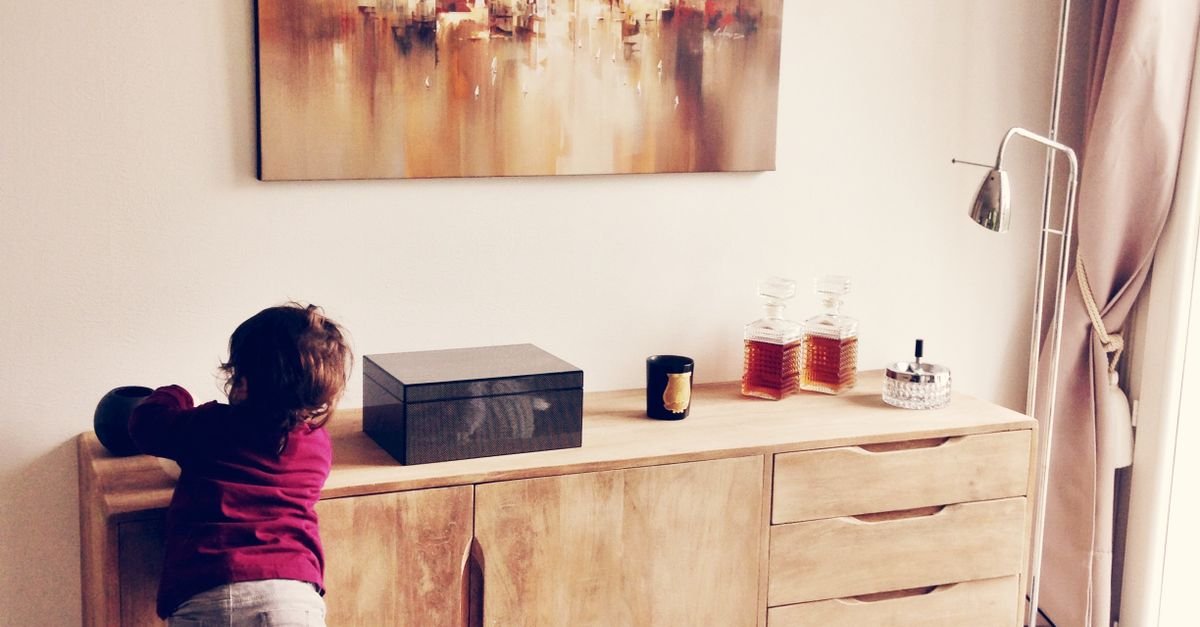
The living room is where families spend the most time, so it deserves careful attention. Secure heavy furniture — bookshelves, TV units, and dressers — to the wall so they can’t tip over if a child pulls or climbs on them, one of the most important safety steps in any home. Cover electrical outlets and secure or hide trailing cords, which are tempting and dangerous. Add corner protectors to sharp edges on coffee tables and units. Keep small objects, remote batteries, and breakables up out of reach, and ensure any cords from blinds are tied up and inaccessible.
Kitchen
The kitchen holds some of the home’s biggest hazards, so it needs real care. Use locks on cabinets and drawers containing cleaning products, chemicals, sharp tools, and anything dangerous — or relocate these items high up. Turn pot handles inward on the stove so they can’t be grabbed, and consider a guard for the cooktop. Keep hot drinks and appliances away from edges. A gate keeping young children out of the kitchen during cooking is often the simplest solution of all. Treat the kitchen as a supervised zone rather than a play area.
Stairs and Hallways
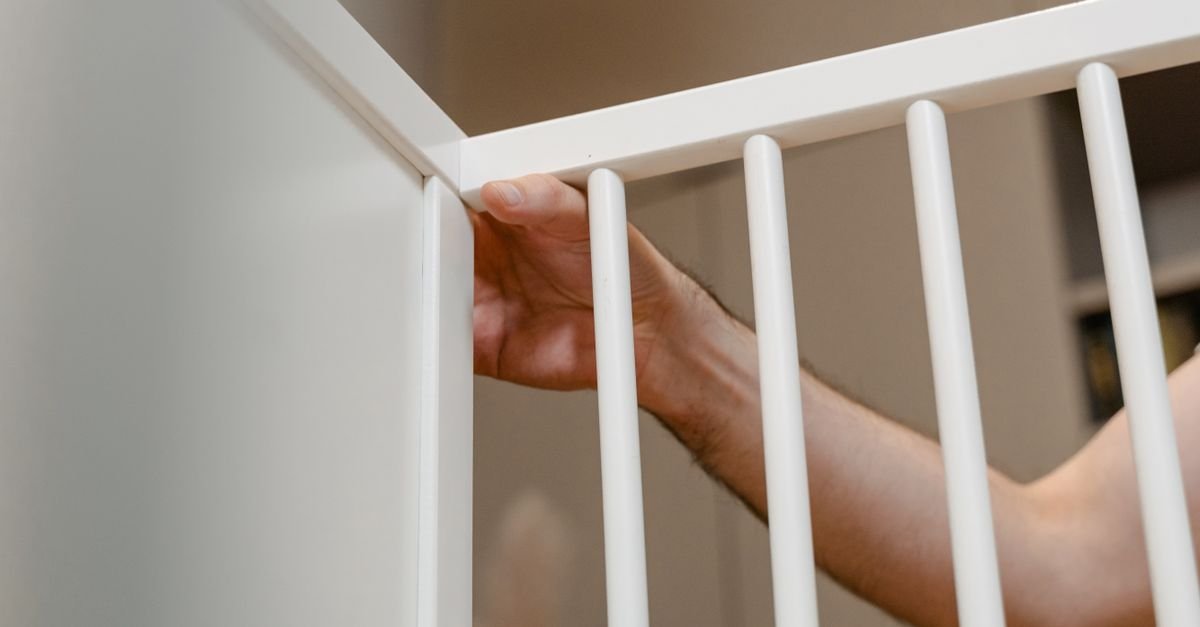
Stairs are a leading cause of falls for young children, so they’re a priority. Install safety gates at both the top and bottom of staircases, choosing sturdy ones appropriate for the location. Make sure banisters and railings are secure and that gaps aren’t wide enough for a child to slip through. Keep stairs and hallways clear of clutter and well-lit. As your child learns to climb stairs, teach them to do so safely with supervision, but keep the gates until you’re confident.

Bathroom
Bathrooms combine water, chemicals, and hard surfaces, making them hazardous. Never leave a young child unattended near water, even shallow amounts, as drowning can happen quickly and silently. Store medicines, cleaning products, and toiletries locked away or high up. Set the water heater to a safe temperature to prevent scalding, and test bath water before use. A non-slip mat reduces fall risk, and a toilet lock prevents curious exploration. Keeping the bathroom door closed when not in use adds another layer of protection.
Bedrooms and Nursery
The nursery and bedrooms should be among the safest rooms. Follow safe-sleep practices in the crib, keeping it clear of loose bedding, pillows, and soft toys. Secure dressers and shelves to the wall, since climbing furniture is a serious tipping risk. Keep the cot away from windows, blinds cords, and anything a child could reach from it. Cover outlets, and as your child grows and starts climbing out of the crib, reassess the room for new hazards. A safe sleep space is the foundation of nursery safety.
Throughout the Home
Some safety measures apply everywhere. Keep small objects, button batteries, magnets, and anything that could be a choking hazard well out of reach — these are among the most serious dangers for small children. Ensure windows are secure and can’t be opened wide enough for a child to fall, and keep furniture away from windows. Maintain working smoke and carbon monoxide alarms throughout the home. Keep emergency numbers accessible. These whole-home basics underpin all the room-specific steps.
Childproof as They Grow
Childproofing isn’t a one-time task — it evolves with your child. A newborn’s needs differ from a crawler’s, which differ again from a climbing toddler’s. Reassess your home as your child reaches each new stage and gains new abilities, because they’ll reach things and attempt things you didn’t expect. Staying a step ahead of their development keeps your home safe through every phase, letting your child explore and learn with the freedom that healthy development needs.
Frequently Asked Questions
When should I start childproofing my home?
Before your baby becomes mobile — ideally well before they start crawling, which often happens sooner than expected. Getting ahead means you’re prepared when they’re suddenly on the move.
What’s the most important childproofing step?
Securing heavy furniture to the wall to prevent tipping, along with keeping small choking hazards out of reach and gating stairs. These address the most serious risks.
How do I childproof a kitchen?
Lock cabinets with chemicals and sharp tools or move them up high, turn pot handles inward, keep hot items from edges, and consider a gate to keep young children out during cooking.
Do I need to keep childproofing as my child grows?
Yes. Childproofing evolves with each stage — a crawler, a climber, and a toddler each face different risks. Reassess your home as your child gains new abilities.
Key Takeaways
- Start by viewing each room from your child’s height to spot the real hazards.
- Secure heavy furniture to the wall — one of the most important safety steps.
- Lock away chemicals and sharp items, gate stairs, and cover outlets.
- Never leave young children unattended near water, and keep choking hazards out of reach.
- Maintain working alarms throughout, and re-childproof as your child grows.
Childproofing room by room makes a big task manageable and gives you genuine peace of mind. Remove the real hazards, stay a step ahead of each stage, and your child can explore safely as they grow. For more practical guidance, visit our home guides and the full Home Safety & Security collection.

I'm Nasir Uddin Khan, founder of HomeNeeds24 and a senior IT consultant with 18+ years' experience in Oracle database administration, enterprise infrastructure and ERP system design. I write the buying guides here and I build every calculator on the site myself, from published engineering standards rather than opinion. My research is structured rather than lab-based: manufacturer specifications, safety and efficiency standards, and the trade-offs that repeat across large volumes of verified customer reviews. Where I have direct hands-on experience — smart home, networking, energy and anything computer-adjacent — I say so in the guide.