
Bringing a pet into your home changes how that home needs to work. A space set up with your dog or cat in mind keeps them safe and happy, protects your furniture and floors, and makes day-to-day life with an animal far smoother. A little planning before — or shortly after — a pet arrives prevents most of the common frustrations of shared living.
Also Read



This guide covers how to set up a pet-friendly home: the essentials every pet needs, how to protect your home from wear, safety considerations, and the touches that make life comfortable for both you and your animal. The aim is a home that works for everyone in it, four legs included.
Create Dedicated Spaces for Your Pet
Pets feel more settled when they have spaces of their own. A defined area for sleeping, eating, and relaxing gives an animal security and helps establish good routines.
A Comfortable Bed and Resting Spot
A proper bed in a quiet, draft-free spot gives your pet somewhere to retreat and rest. Cats often appreciate a raised or enclosed spot where they feel safe; dogs usually like to be near the family. Having a designated resting place also helps keep pet hair contained to areas you can easily clean.
A Feeding Station
A consistent spot for food and water bowls keeps mess in one place and helps with routine. Choose an easy-to-clean area, ideally on a wipeable surface or a mat that catches spills and stray kibble. Elevated bowls suit some pets and ages. Keeping the feeding zone tidy and consistent makes mealtimes calmer.

Protect Your Home From Everyday Wear
Living with pets means accepting some wear, but smart choices minimize it. Durable, easy-to-clean flooring stands up to claws and accidents far better than delicate surfaces. Washable covers and throws protect sofas and beds and can be cleaned regularly. Performance fabrics resist stains and hair. For cats, providing scratching posts and pads gives them an acceptable outlet and saves your furniture — the trick is making the right surface more appealing than the wrong one. A few preventive choices spare you a lot of repair and frustration.
Pet-Proof for Safety
A pet-friendly home is, above all, a safe one. Animals are curious and can reach trouble quickly, so removing hazards matters.
Remove and Secure Hazards
Keep toxic foods, plants, medicines, and chemicals well out of reach, since many common household items are dangerous to animals. Secure loose electrical cords, which tempt chewers, and tuck away small objects that could be swallowed. Make sure bins are secure, as pets often investigate them. Think at your pet’s height, just as you would child-proof a home.
Safe Boundaries
Gates can keep pets out of unsafe areas like stairs or kitchens during cooking. Ensure windows and balconies are secure, particularly for cats. Giving a new pet a smaller, safe area at first and expanding their access as they settle helps them adjust calmly and stay out of trouble.

Keep Pets Stimulated and Comfortable
A happy pet is one with enough to do. Toys, scratching surfaces, and things to climb or explore prevent boredom, which is the root of much destructive behavior. Dogs need exercise and engagement; cats need vertical space and play. Interactive toys and puzzle feeders keep clever animals occupied. Comfort matters too — a spot by a window, a cozy bed, and a predictable routine all help a pet feel secure. A stimulated, comfortable pet is calmer and easier to live with.
Manage Hair, Odor, and Cleaning
Staying on top of cleaning keeps a pet home pleasant. Regular grooming reduces shedding and the hair that ends up on everything. A good vacuum suited to pet hair makes upkeep manageable. Washable bedding and covers let you keep things fresh easily. Addressing accidents promptly and thoroughly prevents lingering odors and discourages repeat marking. A consistent, light cleaning routine is far easier than occasional big clean-ups, and it keeps the home comfortable for guests and family alike.
Plan for Storage of Pet Supplies
Pets come with gear — food, toys, grooming tools, leashes, and more. A dedicated storage spot keeps it organized and accessible rather than scattered around the house. A bin for food, a basket for toys, and hooks for leashes near the door keep everything in its place. Organized supplies make daily care quicker and the home tidier.
The Pet Zone Plan (Five Stations, Any Size Home)
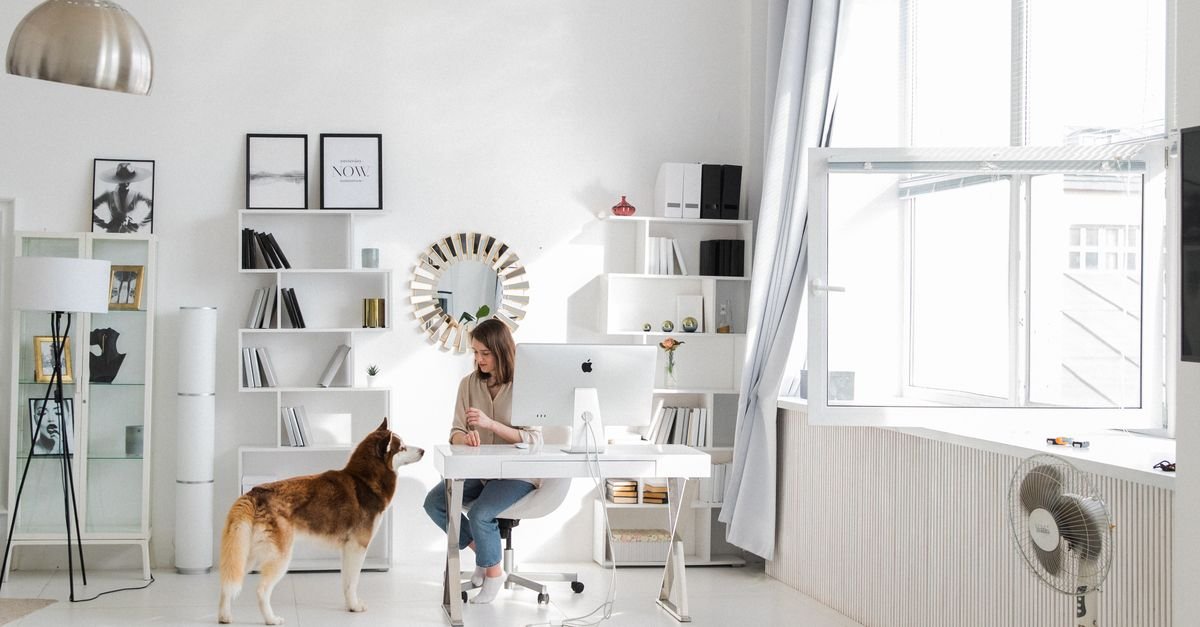
Pet chaos is almost always missing infrastructure, and the fix is the same zone thinking as every room plan: the feeding station — bowls, mat, and food storage in one splash-tolerant spot away from foot traffic; the sleep spots — a primary bed plus the sunny-corner secondary every pet appoints themselves; the play zone — a toy basket the pet can reach (rotation lives elsewhere) and floor space where zoomies do not meet side tables; the hygiene zone — litter or pads with privacy and ventilation, or the towel-and-leash landing strip by the door for dogs; the gear locker — leashes, carriers, meds, and grooming kit in one grab-and-go cabinet. Name the five zones for your actual animal and the house stops arguing with the pet — most “behavior problems” at home are storage problems wearing fur.
Materials That Survive Claws, Fur, and Accidents
Buy for the animal you have, not the showroom: sofas in performance weaves (the tight synthetics marketed for kids and pets genuinely resist claws and wipe clean) or top-grain leather (scratches show but wipe; fur does not embed) — avoid loose weaves, bouclé, and velvet unless you enjoy renaming them “scratching posts”; rugs that are machine-washable (the category built for this decade) or low-pile indoor-outdoor — high-pile shag plus one digestive incident equals landfill; floors — luxury vinyl and tile shrug at claws and accidents; hardwood survives with rugs on runways and trimmed nails; throws as armor — the washable blanket on the pet’s favorite sofa corner is the cheapest upholstery insurance ever invented. Every fabric decision routes through one question: can it go in the machine? (Our laundry pillar handles the other half of pet ownership.)
The Feeding Station, Done Properly
The mat is not optional — a silicone-lipped tray catches the splash zone every pet manufactures and wipes clean in seconds. Bowls: stainless or ceramic beat plastic (which scratches and harbors bacteria linked to chin acne in cats); elevated feeders are a genuine comfort upgrade for tall and senior dogs but not the universal health cure the marketing implies — ask your vet for large deep-chested breeds, where advice is specific. Water: pet fountains genuinely increase drinking for many cats (moving water reads as fresh) at the price of weekly pump cleaning — a skipped-maintenance fountain is worse than a bowl. Food storage: kibble lives in a true airtight container in a cool spot — not the torn bag in the garage where humidity, pests, and one determined labrador all know the address. Placement: away from the litter zone (cats file formal complaints), out of hallway traffic, and on hard flooring rather than the good rug.
Sleep Architecture (Theirs, So They Skip Yours — Or Share Politely)
Pets sleep 12–18 hours a day; where is infrastructure, not sentiment. The primary bed goes where the household actually lives — pets sleep near their people, and a bed exiled to the laundry room becomes decor; washable covers are the entire specification — whatever the filling, if the cover cannot be laundered weekly-ish, keep shopping; size and style by sleeper: curlers want bolstered donuts, sprawlers want flat mats, seniors want orthopedic foam that is easy to step onto (watch an older dog circle a too-soft bed and the case makes itself); cats get altitude: a window perch or cat-tree platform in the sunny sightline is the feline equivalent of the good armchair — and the crate, introduced properly for dogs, is a den and a calm-down room, never a punishment box. Multi-pet homes: one sleep spot per animal plus one spare prevents the musical-chairs diplomacy incidents.
Safety-Proofing, Room by Room
Walk the house at pet-eye level once — it reads differently down there. Living areas: houseplants checked against toxicity lists (lilies are genuinely dangerous to cats — not a maybe; pothos, philodendron, and sago palm also rank high — verify anything chewable), cords bundled or sleeved for teething species, breakables promoted above tail height. Kitchen: a lidded or cabinet-locked trash can (one successful raid trains a lifetime habit), and the toxic-food shortlist — chocolate, grapes and raisins, xylitol gum, onions, alcohol — stored decisively out of counter-surfing range. Bathroom and laundry: cleaning chemicals cabinet-locked, toilet lids down for small drinkers, dryer doors closed (cats audit warm drums). Windows and balconies: screens secured, balcony gaps netted for cats and small dogs — “high-rise syndrome” is an actual veterinary category. When in doubt about any plant, food, or chemical: the vet, not the forum.
Fur, Odor, and the Cleaning System
Pet homes stay fresh on systems, not scent-cover: the fur arsenal — a vacuum with a real brush roll run on a schedule (robot vacuums earn their keep in fur homes but need their own weekly emptying-and-detangling ritual), rubber brooms for rug-embedded hair, lint rollers stationed at the door and the sofa; the odor doctrine — enzyme cleaners are the only correct answer to accidents (they digest the compounds; regular cleaners just perfume them, and ammonia-based products read as a competing pet to some animals) — blot fresh, saturate with enzyme, walk away patient; the air layer — a HEPA purifier sized to the pet room measurably cuts dander and smell for the allergy-adjacent; the litter protocol — scooped daily, fully changed on schedule, box count = cats + 1, placed for privacy with ventilation; the grooming dividend — every brushing session outside is a week of fur not deposited on the sofa. None of it is glamorous; all of it is why some pet homes smell like homes.
The Multi-Pet Household (Diplomacy by Layout)
Two-plus animals turn zoning into peacekeeping: feed separately — parallel feeding stations with visual separation end resource-guarding standoffs before they start, and the slow-eater’s bowl goes behind a barrier the food-vacuum cannot breach; litter math is non-negotiable — boxes equal cats plus one, in different locations, because a hallway ambush at the only box is how litter avoidance begins; vertical territory for cats — shelves, trees, and perch layers let felines resolve rank without contact; separate retreat spots per animal, honored by the humans (the crate, the under-desk bed, and the high perch are embassies — no extraditions); and scent-neutral introductions for any newcomer, with gear washed rather than handed down between animals. Most multi-pet friction maps to shared bottlenecks, and furniture moves fix what discipline never will.
The Renter’s Pet-Proofing Kit
Deposit-safe versions of every defense: washable rugs over the rental carpet in the high-traffic pet lanes — protecting the landlord’s beige from the animal’s opinions; furniture protectors and fitted throws instead of reupholstering; tension-mounted gates rather than drilled ones; static or vinyl window film at nose height where a dog’s daily patrol fogs and scratches the glass; cord sleeves and cable boxes that unplug and move out with you; and enzyme cleaner plus a small carpet spot-extractor — the two-item kit that has saved more pet deposits than any lease clause. Photograph the floors and walls at move-in, keep nails trimmed, and the pet tax at move-out rounds to zero.
Budget Builds: Three Pet Setups
The $100 starter: stainless bowls on a silicone mat, an airtight food bin, a washable-cover bed, a door-side towel station, and an enzyme spray bottle — the complete infrastructure for a first pet. The $300 comfort tier: add the water fountain, a second bed for the sunny room, a proper cat tree or dog crate den, a rubber broom and lint arsenal, and a couch throw upgrade. The $700+ integrated home: robot vacuum, HEPA purifier for the pet room, a grooming station in the laundry area, and built-in feeding drawers or a litter cabinet that hides the box without trapping odors (ventilation holes are the difference between furniture and a mistake). As always: the $100 tier done consistently beats the $700 tier done aspirationally — animals thrive on systems, not on spend.
Aging Pets: The Home Adjusts Again
Senior animals need the house to meet them halfway: ramps or steps to the sofa and bed that arthritic joints already own in their hearts, rugs as runways across slippery floors where old hips lose confidence, orthopedic bedding in the warm spots (heat is joint comfort), raised bowls that spare a stiff neck, night lighting for cloudy-eyed navigation, and litter boxes with one low side for cats whose leap has retired. Watch where the old animal hesitates — that hesitation is a renovation request, and honoring it is some of the cheapest kindness in this entire library.
The Pet-Home Card, In One Paragraph
Zones: feed, sleep, play, hygiene, gear — named and stocked. Materials: machine-washable or wipeable, always. Safety: toxic plants and foods audited, cords sleeved, trash locked, windows secured — vet for every “is this dangerous?” Cleaning: enzyme for accidents, schedule for fur, boxes scooped daily. Diplomacy: separate resources, one retreat per animal. Seniors: ramps, rugs, warmth, low thresholds. The pattern under all of it: change the house, not the animal — the house is the one that listens.
Common Pet-Home Mistakes
Buying the deluxe bed before the washable one — the $90 orthopedic sofa-look bed with a non-removable cover meets its first accident within a month; washability outranks aesthetics forever. Punishing accidents instead of enzyme-cleaning them — residual scent invites repeats, and the animal cannot connect a scolding to a puddle from an hour ago; clean the chemistry, adjust the schedule. The lone litter box in the laundry room — convenient for humans, a gauntlet for cats sharing space with a startling appliance; box placement is retention strategy. Free-feeding from the torn bag — portion creep and pantry moths arrive together. Skipping the pet-eye-level walk — the dangling cord and the reachable chocolate stash are invisible from human height. Treating the vet as the last resort — the toxic-plant question, the raised-bowl question, and every “is this normal?” cost nothing at the next checkup and everything as an emergency.
Start This Weekend
Saturday morning: the pet-eye-level walk with a notepad — cords, plants, trash, gaps; fix the top three findings same-day. Saturday afternoon: build the feeding station properly (mat, stainless bowls, airtight bin) and stage the door-side landing strip. Sunday: wash every pet textile in the house, set the fur-schedule reminders, and station the enzyme bottle where accidents actually happen. Total cost under $60, total time one weekend — and the house quietly stops fighting the animal from Monday onward.
How This Pillar Connects to the Rest of the Library
A pet-friendly home is the whole library stress-tested by an occupant who sheds: the washable-materials doctrine extends the budget-decor playbook’s performance-fabric advice to its logical conclusion; the zone plan is the same station thinking as the laundry and kitchen guides, translated to four legs; the enzyme-and-schedule cleaning system plugs directly into the home-maintenance calendar; and the safety audit is the security pillar’s walk-the-perimeter habit, performed at ankle height. Homes that absorb an animal gracefully were almost always well-systematized homes first — and homes that systematize for the animal discover the humans benefit just as much.
A Note on What the Effort Buys
Every system in this pillar — the zones, the washable everything, the enzyme bottle, the pet-eye audit — converges on one outcome: a home where the animal is a resident instead of a recurring emergency. That is worth naming, because pet-home friction is a quiet reason animals get rehomed, and almost all of it is infrastructure-shaped. Sixty dollars and one honest weekend is cheap insurance on a fifteen-year friendship.
The One-Sentence Test
Walk in the door tomorrow and ask: does the animal have its own place to eat, sleep, retreat, and relieve — and do I know where the enzyme bottle is? Full yes, and the home is genuinely pet-friendly regardless of budget; any hesitation names your next weekend project. Homes pass this test on systems, never on square footage — a studio with five zones beats a house with none.
One final tip from the trenches: keep a small “pet go-bag” in the gear locker — vaccination records copy, three days of food, a spare leash, and the vet’s number — because the one home system nobody regrets building is the one for the day plans change fast.
Frequently Asked Questions
How do I make my home pet-friendly?
Create dedicated spaces for sleeping and eating, choose durable and washable materials, remove hazards, provide stimulation, and set up easy cleaning and supply storage. The goal is a home that’s safe and comfortable for both pet and people.
How can I protect my furniture from pets?
Use washable covers and throws, choose performance fabrics, and provide cats with scratching posts and pads so they have an acceptable alternative to your sofa.
What household hazards are dangerous to pets?
Toxic foods, certain plants, medicines, cleaning chemicals, loose cords, small swallowable objects, and unsecured bins. Keep these out of reach and think at your pet’s height.
How do I keep a pet home clean and odor-free?
Groom regularly, use a vacuum suited to pet hair, wash bedding and covers often, and address accidents promptly and thoroughly to prevent lingering odors.
Key Takeaways
- Give your pet dedicated spaces for sleeping and eating to build routine and contain mess.
- Choose durable, washable materials and provide scratching options to protect your home.
- Pet-proof by removing hazards and creating safe boundaries, thinking at your pet’s height.
- Keep pets stimulated and comfortable to prevent boredom-driven behavior.
- Stay on top of hair, odor, and supply storage with a light, consistent routine.
A pet-friendly home keeps your animal safe and happy while making shared life easy and clean. With dedicated spaces, smart materials, good safety habits, and a simple cleaning routine, your home works beautifully for every member of the family. For more guidance, visit our home guides and the full Pets collection.
More Pets Guides & Reviews
- Safety Tips for Pets at Home: Keeping Safe and Secure
- How to Get Rid of Pet Hair: The Three-Front System That Actually Works
- How to Remove Pet Odors: Find the Reservoirs, Fix the Chemistry
- Choosing a Family Dog: Lifestyle and Reference Guide
- Pet Feeding Station Ideas: One Corner That Ends the Mealtime Mess
- Litter Box Area Ideas: Cat-Approved First, Beautiful Second
- Best Pet Products for a Clean & Happy Home
- Dog Food for Active Dogs: Label and Veterinary Questions

I'm Nasir Uddin Khan, founder of HomeNeeds24 and a senior IT consultant with 18+ years' experience in Oracle database administration, enterprise infrastructure and ERP system design. I write the buying guides here and I build every calculator on the site myself, from published engineering standards rather than opinion. My research is structured rather than lab-based: manufacturer specifications, safety and efficiency standards, and the trade-offs that repeat across large volumes of verified customer reviews. Where I have direct hands-on experience — smart home, networking, energy and anything computer-adjacent — I say so in the guide.