

A dedicated vanity and beauty station does more than look pretty — it makes your daily routine faster, keeps your products organized, and turns getting ready into something you enjoy rather than rush through. You don’t need a glamorous dressing room either. With the right setup, even a small corner can become a functional, flattering beauty space.
Also Read

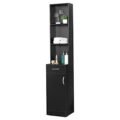
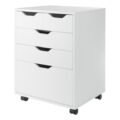
This guide covers how to build a vanity and beauty station at home: choosing the right spot and furniture, getting the lighting right, organizing products so everything’s at hand, and the finishing touches that make it work. The focus is on function first, because a beautiful vanity you can’t actually use well is just decoration.
Choose the Right Location and Surface
The best vanity spot balances good natural light, enough space, and proximity to a power outlet for tools like hair dryers and lighted mirrors. A spot near a window is ideal, since natural light is the most accurate for applying makeup. If that’s not possible, the right artificial lighting can make up for it.
For the surface itself, a proper dressing table is ideal, but a desk, a console, or even a wall-mounted shelf can work. What matters is enough surface area for your essentials, comfortable height for sitting, and storage nearby. Choose a size that fits your space without crowding the room.
Get the Lighting Right — It’s Everything
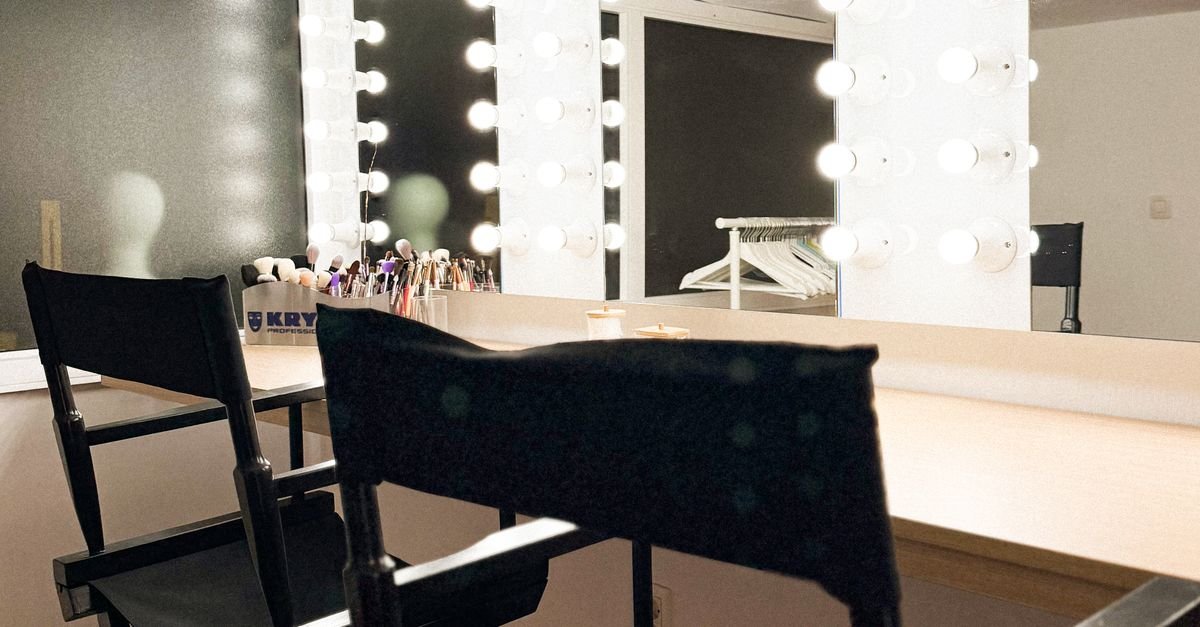
Lighting can make or break a beauty station. Poor lighting leads to uneven makeup and frustration; good lighting makes application easy and accurate.
Aim for Even, Front-Facing Light
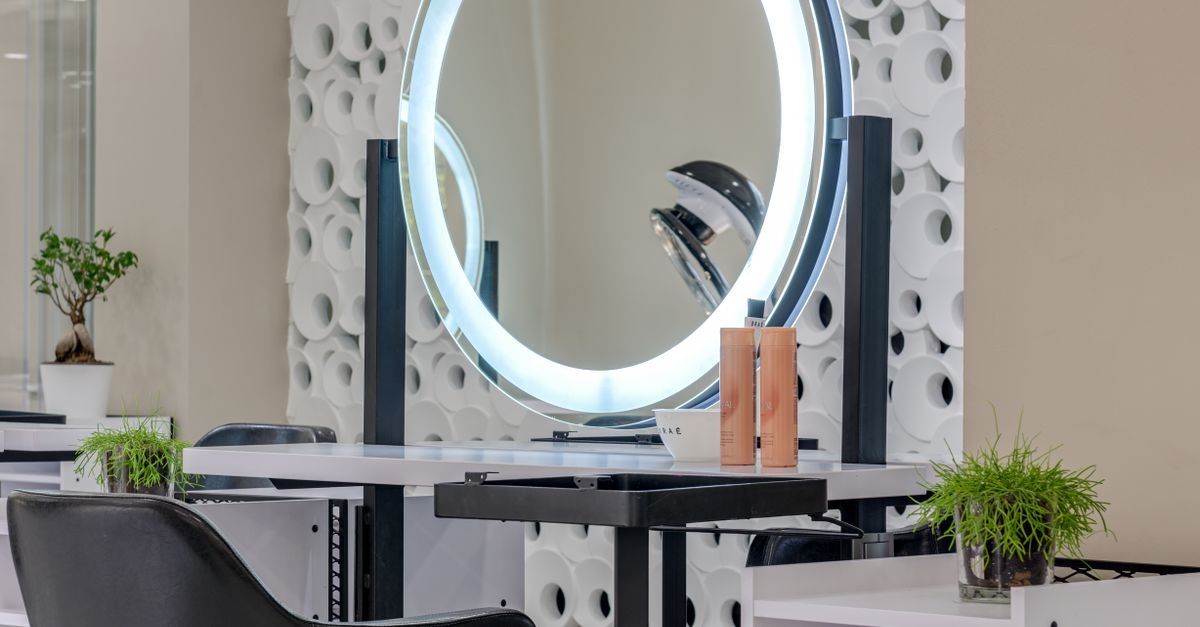
The goal is bright, even light that hits your face from the front, not from above or behind, which casts shadows. A lighted mirror with bulbs around the frame provides this beautifully and is a worthwhile centerpiece. If you use a separate mirror, position lighting on either side of your face at roughly eye level for shadow-free results.
Choose the Right Bulb Tone
Neutral, daylight-toned light shows your makeup as it will actually appear outside. Warm light can make application look different from reality, leading to over- or under-application. Daylight-balanced bulbs are the safest choice for accurate results in any conditions.
Organize Products for Daily Use
An organized vanity saves time every single morning and helps you actually use what you own instead of forgetting it at the back of a drawer.
Sort and Declutter First
Start by clearing everything out and sorting it. Discard expired products — makeup and skincare don’t last forever — and set aside what you rarely use. Keeping only what you reach for regularly is the foundation of an organized station.
Smart Storage Solutions
Clear acrylic organizers, drawer dividers, and small containers keep products visible and sorted by type. Standing brushes in a cup or holder keeps them clean and accessible. A small tray for daily essentials keeps the surface tidy. Drawer organizers turn a messy drawer into neat, dedicated zones. The aim is everything having a home so the surface stays clear and tools are quick to find.
Add a Comfortable Seat and a Great Mirror
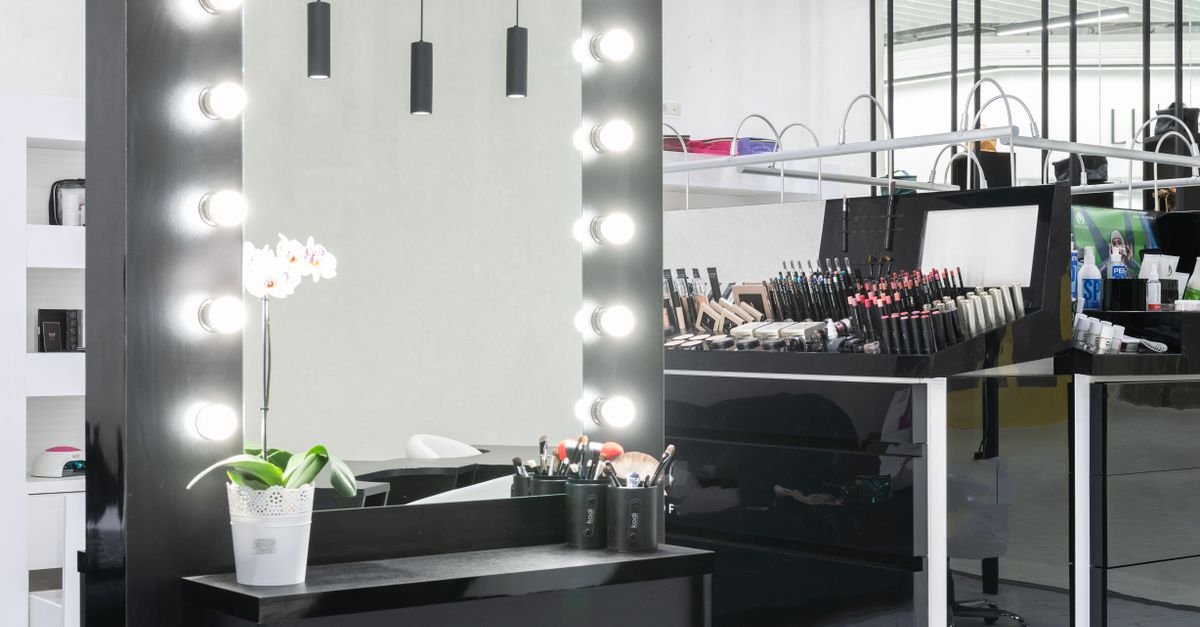
A comfortable stool or chair at the right height makes the difference between a vanity you use and one you ignore. It should let you sit with your face at a comfortable distance from the mirror. The mirror itself deserves attention — a good-sized one, ideally with a magnifying section for detailed work like brows and lashes, transforms the experience. A lighted mirror combines both lighting and reflection in one and is often the best single investment for a beauty station.
Finishing Touches and Personal Style
Once function is sorted, a few personal touches make the space yours. A small plant, a scented candle, a piece of art, or a tray that matches your style adds warmth without clutter. Keep decoration minimal so it doesn’t compete with workspace — the vanity should still be practical. The best beauty stations feel calm and personal, a small pocket of the home that’s entirely yours.
Making a Beauty Station in a Small Space
Limited space is no barrier. A slim wall-mounted shelf or a compact dressing table fits into a bedroom corner. A portable, well-organized makeup case can serve as a movable station where a permanent one won’t fit. Mirrors with built-in lighting remove the need for separate fixtures. Vertical storage and a few smart organizers let even the smallest setup function like a full vanity. The principles — good light, organization, and comfort — scale to any size.
The Five Elements Every Vanity Needs (Size Optional)
A working beauty station is five elements arranged within arm’s reach, and the square footage barely matters: a surface at the right height for seated work (more on ergonomics below), a mirror positioned at eye level when seated, light that hits the face from the front — the make-or-break element most setups get wrong, a seat that slides fully under the surface so the station never blocks the room, and storage sorted by frequency — dailies at fingertip distance, everything else in tiers behind them. Audit any frustrating vanity against those five and the culprit announces itself — it is almost always the light or the storage, and both are fixable without buying furniture.
Lighting the Face Right (The Element That Decides Everything)
Makeup applied in bad light gets judged in good light — usually in the car mirror at a red light. The rules: light comes from in front of the face, never above — overhead bulbs carve shadows under eyes and chin, the exact zones detail work happens; flank the mirror with sconces or LED strips at face height on both sides, or use a quality ring light behind the mirror line; choose neutral-to-daylight bulbs (4000–5000K) — warm bulbs flatter the room but lie about foundation match, and cool-blue clinical bulbs make everything look worse than reality; brightness matters more than fixture pedigree — two cheap high-CRI LED strips beat one designer pendant every time. Renters: plug-in sconces and stick-on LED strips deliver the full setup with zero wiring — the same no-drill logic as the rest of our budget-decor playbook.
The Mirror Decision
The main mirror should show the whole face at natural distance — tabletop tilting mirrors and wall-mounted framed mirrors both work; what matters is eye-level positioning when seated, so you never crane. Magnification, honestly: a 5x panel earns its place for brows, liner, and tweezing; 10x is for lash-level precision and existential dread — nobody needs to see pores at that scale daily, and over-magnified plucking is how brows get over-plucked. Lighted mirrors conveniently bundle the front-light rule into the mirror itself — check for adjustable color temperature and a real brightness range; the $30–60 tier does this well. Tri-fold mirrors add the profile view that catches blending crimes the front view forgives — a genuinely useful upgrade for anyone serious about technique.
Storage by Frequency (The Daily-Kit Principle)
Vanity chaos is a sorting failure, not a space failure. Tier one — the daily kit: the eight-to-twelve products of an ordinary morning live in one tray or top drawer, grab-distance from the seat; when the kit is one reach wide, mornings accelerate. Tier two — the rotation: occasion products, seasonal shades, and backups go in drawers or labeled bins one motion further. Tier three — the archive: rarely-used kits and gifted sets go up high or elsewhere entirely. The enforcement rules: drawer dividers so categories cannot migrate, clear acrylic only where dust can be managed (open organizers photograph better than they live), brushes upright in a cup, hot tools in a heat-safe holster — and a twice-yearly expiry purge, because mascara and sunscreen have real shelf lives and the vanity is where they go to overstay them.
Small-Space and Renter Vanities
No spare room required: the wall-mounted drop-leaf (a fold-down shelf with a mirror above) turns 60 cm of bedroom wall into a full station that disappears after use; the desk conversion — any narrow desk plus a tabletop mirror and two plug-in sconces is 90% of a built-in for 20% of the cost; the rolling cart vanity holds the entire operation on three tiers and wheels into a closet — the renter’s champion; the closet vanity converts one wardrobe section into a lit station with a battery LED strip and a stick-on mirror. The bathroom counter remains the worst option — humidity degrades powders and steams mirrors exactly when you need them — but a caddy system (everything in, everything out) makes even that workable in studio life.
Ergonomics, Power, and the Boring Safety Bits
Height math: standard desk height (73–76 cm) suits most seated makeup work with a 45–50 cm seat — if your shoulders climb toward your ears while blending, the surface is too high or the seat too low. The seat itself: backless stools tuck away beautifully; anyone spending twenty-plus minutes seated deserves a low-back chair — posture shows up in hand steadiness. Power planning: hot tools, lighted mirrors, and phone chargers want a surge-protected strip mounted under the surface, cords routed with adhesive clips — cable spaghetti is the fastest way to make a pretty vanity read as clutter. Heat safety, non-negotiable: a silicone heat-proof mat for irons and wands, tools always unplugged after use (an outlet timer or smart plug adds cheap insurance), and hot tools never stored until fully cool. Five minutes of setup; years of not melting the one surface you look at daily.
Three Vanity Builds, Priced Honestly
The $120 corner: a narrow secondhand desk, a $35 lighted tabletop mirror, two acrylic drawer organizers, and a tucked stool — a complete, correctly-lit station that outperforms most $800 built-ins because the light and the sorting are right. The $350 dedicated setup: a purpose-built vanity table with drawers, plug-in sconces flanking a wall mirror, a real cushioned stool, and a rolling cart for overflow — the sweet spot for daily-makeup households. The $900+ dream station: Hollywood-bulb or backlit mirror, custom drawer inserts, a comfortable low-back chair, and dedicated circuits for tools — lovely, and worth it only after the five elements are proven in a cheaper draft. The order of spend never changes: light first, sorting second, seating third, furniture last — the exact reverse of how showrooms sell it.
Keeping It Clean (The Weekly Two-Minute Rule)
Vanities collect powder fallout the way garages collect boxes. The maintenance rhythm: a microfiber wipe of the surface and mirror weekly (two minutes, keeps the light honest — a film of powder measurably dims and warms your mirror lighting), brush and sponge laundering on a schedule because tools full of old product sabotage both hygiene and application, the monthly drawer skim — anything that migrated into the daily tray without earning it goes back to tier two, and the biannual expiry purge with a bin bag and no sentimentality. A vanity that stays functional is one where resetting to zero takes less than five minutes — if it takes longer, the storage tiers need re-drawing, not more organizers.
The Vanity as a Room Citizen
A beauty station has to live politely inside a bedroom or hallway: match or deliberately contrast the room’s existing wood tones and metals rather than introducing a third finish family; contain the visual noise — makeup is colorful clutter by nature, so opaque drawers beat open acrylic anywhere the vanity faces the bed; mind the mirror’s reflection — a vanity mirror doubles whatever sits opposite it, so aim it at a calm wall, not the laundry chair; and light discipline — put the face lights on their own switch or smart plug so the station’s daylight bulbs never sabotage the bedroom’s evening warmth. Done right, the station reads as furniture by day and a workspace only when lit — the same dual-life trick every good home office learned.
The Shared-Bathroom Exit Strategy
Most vanity projects begin as an escape from a contested bathroom counter, so plan the migration: move the getting-ready function (makeup, hair, skincare application) to the new station and leave the plumbing functions (cleansing, brushing) at the sink — the split is natural and ends the morning queue; duplicate the two or three products used in both places rather than ferrying them; and give hot hair tools their permanent home at the vanity, where the heat mat and outlet strategy live, rather than the bathroom’s splash zone. The household peace dividend of this one migration is, for many homes, the entire justification for the project.
The Vanity Card, In One Paragraph
Five elements: surface, eye-level mirror, front-facing light, tuck-away seat, frequency-tiered storage. Light law: 4000–5000K, face-height, both sides — never overhead-only. Storage law: daily kit one reach wide; rotation one motion further; archive elsewhere; purge twice yearly. Safety law: heat mat, unplugged tools, managed cords. Budget law: light and sorting before furniture. Run those five laws in any corner of any rental and you own a better beauty station than most walk-in closets ever become.
Common Vanity Mistakes (Cheap to Avoid, Expensive to Live With)
Buying the table first — the furniture is the least important element, and the pretty desk with no drawer plan becomes a $400 clutter shelf. Overhead-only lighting — the single most common setup and the single biggest quality ceiling on every application done there. The 10x mirror as the main mirror — over-magnification breeds over-plucking, over-concealing, and a distorted sense of what faces actually look like at conversation distance. Open storage for everything — acrylic towers photograph beautifully on day one and dust-and-fallout terribly by month two; opaque drawers age better. No heat plan — one curling-iron scorch ring converts a vanity top into a reminder forever. Chasing influencer setups — the ring-light-and-marble aesthetic is built for cameras, not for finding your mascara at 7:40 a.m.; build for the morning you actually have.
Start This Weekend (The $0 Version First)
Before spending anything: pick the wall or corner, drag a table you own to it, and set a mirror at seated eye level. Move a lamp to face height beside it — even a desk lamp bounced off the wall beats the ceiling bulb. Sort your products into the three tiers using any trays in the house, and run one full morning routine there. That free prototype teaches you your real surface needs, light gaps, and storage volume — and turns the eventual purchases from guesses into a spec sheet. Most people discover the $0 version, plus one lighted mirror and two organizers, was the whole project.
How This Pillar Connects to the Rest of the Library
The vanity is a small room inside a room, and it obeys every doctrine on these shelves: the zone logic is the kitchen-workflow triangle shrunk to arm’s length — everything used together stored together; the front-light law is the same three-layer lighting philosophy the living-room guides preach, specialized for one demanding task; the frequency-tier storage is the pantry’s first-in-first-out system wearing lipstick; and the weekly reset ritual is the same five-minute discipline that keeps every other surface in this library from silting up. Build the station once with those transfers in mind and it becomes what good home design always becomes — invisible infrastructure for a faster, calmer morning.
A Note on the Daily Payoff
The vanity is one of the rare home projects whose dividend pays every single day: five saved minutes each morning is thirty hours a year, and doing a detailed task in correct light, seated, with tools at reach, upgrades the result as much as any product upgrade ever will. Few furniture-sized purchases return that reliably — which is why the beauty station, done modestly and correctly, keeps outranking flashier projects in owner satisfaction long after the novelty fades.
The One-Sentence Test
Sit at your station tomorrow morning and ask: can I see my actual face, reach my daily kit without standing, and finish without moving to another room? Three yeses and the vanity is done, whatever it cost; any no, and the fix is in one of the five elements above — almost certainly the light or the sorting, almost never the furniture. That test, repeated whenever the setup drifts, keeps a beauty station honest for a decade.
One final tip from the pros: photograph your finished setup once in daylight and once under the vanity lights — if your foundation reads differently between the two photos, nudge the bulbs toward daylight before blaming the makeup. The station should tell you the same truth the sun will.
Frequently Asked Questions
What’s the most important part of a vanity setup?
Lighting. Bright, even, front-facing light with a daylight-balanced tone is essential for accurate makeup application. A lighted mirror is often the best single investment.
How should I light a makeup vanity?
Aim for even light hitting your face from the front, not above or behind. A lighted mirror or lights on either side of the face at eye level prevents shadows. Use daylight-toned bulbs for accuracy.
How do I organize my beauty products?
Declutter and discard expired items first, then use clear organizers, drawer dividers, brush holders, and a tray for daily essentials so everything is visible and has a home.
Can I create a vanity in a small space?
Yes. A slim wall-mounted shelf, a compact dressing table, a lighted mirror, and vertical storage turn even a small corner into a functional beauty station.
Key Takeaways
- Pick a spot with good light, enough surface, and a nearby outlet; any sturdy surface can work.
- Prioritize lighting — even, front-facing, daylight-toned light is the key to accurate makeup.
- Declutter expired products, then organize with clear containers, dividers, and brush holders.
- Add a comfortable seat and a good mirror, ideally a lighted or magnifying one.
- Finish with minimal personal touches, and scale the same principles to fit any small space.
A well-designed vanity makes getting ready faster, easier, and more enjoyable. Get the location, lighting, and organization right, add comfort and a few personal touches, and you’ll have a beauty station you love using every day. For more ideas, visit our home setup guides and the full Vanity & Beauty collection.
More Vanity & Beauty Guides & Reviews
- Skin Care Products: Comparing Purpose, Labels and Claims
- Minimalist Beauty Studio Furniture Designs for Sleek, Functional Salon Spaces
- Skincare & Beauty Storage Ideas to Organize Your Routine
- Personal Care Products: Label and Routine Checklist
- Makeup Cases and Vanity Mirrors: Storage and Setup Guide
- Face Cleansers: Labels, Claims and Safety Checks
- Shoe Polish Brushes: Bristles, Handles and Use
- Green Long-Sleeve Dresses: Sizing and Fabric Guide
- Best Ladies Bathing Suits for Summer
- Fashion Beauty Studio Furniture Setups for Stylish and Functional Workspaces

I'm Nasir Uddin Khan, founder of HomeNeeds24 and a senior IT consultant with 18+ years' experience in Oracle database administration, enterprise infrastructure and ERP system design. I write the buying guides here and I build every calculator on the site myself, from published engineering standards rather than opinion. My research is structured rather than lab-based: manufacturer specifications, safety and efficiency standards, and the trade-offs that repeat across large volumes of verified customer reviews. Where I have direct hands-on experience — smart home, networking, energy and anything computer-adjacent — I say so in the guide.