
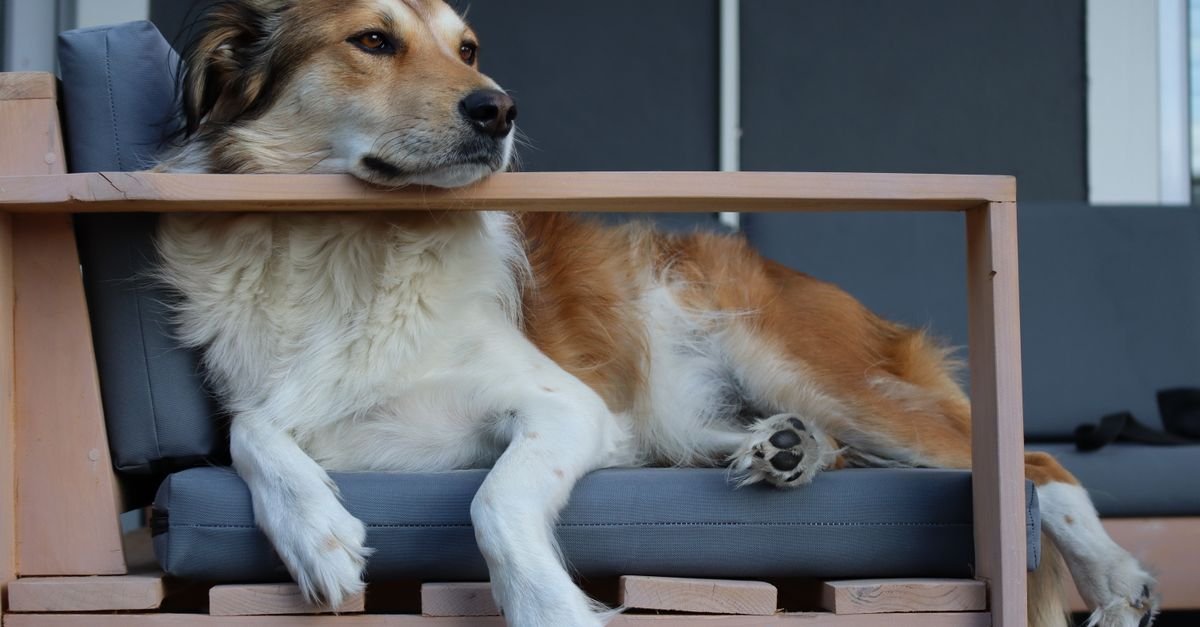
Winning against pet hair is a system, not a chore: reduce what sheds (regular brushing), catch what falls (washable throws where your pet actually sleeps), and remove what remains on a schedule (the right vacuum plus five cheap tools that outperform most gadgets). Run all three fronts and a fur-coated home turns civilized in about two weeks — skip any one and the other two fight forever.
Also Read



This is the complete pet hair battle plan: why it collects where it does, the tools ranked honestly, the room-by-room routine, and the shedding-season survival schedule.
Key Takeaways
- The cheapest pet-hair tool is a brushing routine — hair captured on a brush never reaches the sofa.
- Rubber beats rollers on upholstery: a damp rubber glove or squeegee lifts embedded hair that lint rollers skate over.
- Washable throws on favorite sleeping spots intercept most of the daily fall — and take two minutes to launder.
- For carpets, vacuums with a motorized brush roll matter more than suction numbers; robot vacuums excel at daily maintenance, not deep recovery.
- Static is your enemy on hard floors — a slightly damp microfiber mop collects; a dry broom redistributes.
- Sudden extreme shedding, bald patches, or skin changes are a vet conversation, not a cleaning problem.

Why Pet Hair Ends Up Everywhere (Knowing the Enemy)
Pet hair travels on three vehicles: gravity (the sleeping-spot drifts), static (the hard-floor tumbleweeds that flee the broom), and fabric grip (the woven upholstery and clothes that hold fibers like Velcro). Each vehicle has its own counter-tool, which is why no single gadget ever solves the whole house — and why the aisle of miracle hair-removers keeps growing.
Shedding itself runs on biology: double-coated breeds blow their undercoats in spring and fall (the fur snowstorms), short-haired breeds shed steadily year-round (deceptively — the short quills weave INTO fabric), and indoor living plus artificial light smears the seasonal cycle into a constant drizzle for many pets.
The strategic takeaway: you cannot stop shedding — you can only decide where the hair ends up. The whole system below is about making that decision on purpose.
Front One: Reduce at the Source
Every stroke of a brush is hair that never lands on furniture. The routine that changes everything: five minutes of brushing, three times a week (daily during coat-blow season), ideally outdoors or over a hard floor.
Match the brush to the coat: slicker brushes for long and fluffy coats, rubber curry brushes for short-haired shedders (they love the massage), undercoat rakes for double-coated breeds during seasonal blows. A deshedding tool used weekly during heavy season removes startling quantities — follow the tool’s guidance to avoid over-stripping.
Two force multipliers: bathing during coat-blow (a warm bath plus thorough blow-dry releases the loose undercoat in one controlled event — bathroom cleanup beats fourteen days of sofa cleanup), and nutrition (a quality diet with omega fatty acids measurably improves coat retention; ask your vet before supplementing).
Front Two: Intercept Before It Spreads
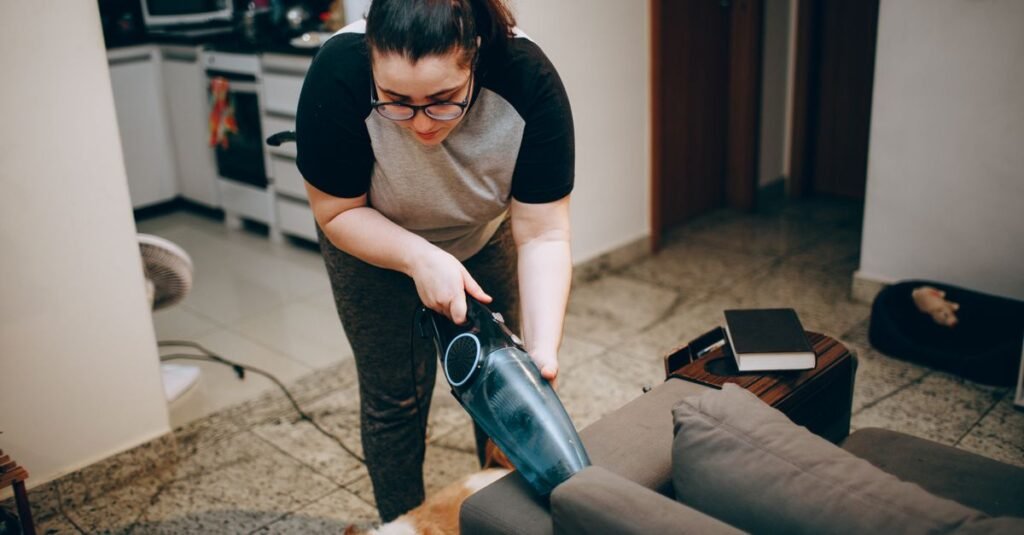
Pets are creatures of habit — most hair lands on three or four favorite spots. Claim them: a washable throw or blanket on each favorite sofa cushion, bed corner, and window perch. Twice a week, shake outside and launder. You have just intercepted the majority of the house’s loose hair with zero scrubbing.
The same interception logic scales: a washable cover under the food station, a mat inside the door for wet-season paws, and — the pro move — an irresistible pet bed placed exactly where you want the shedding to happen. Make the best spot in the house one you can throw in the washer, as our pet-friendly home guide preaches throughout.
Fabric choices quietly matter too: leather, microfiber, and tight weaves release hair easily; loose weaves, velvet, and bouclé hold it hostage. When the next sofa purchase comes, the pet-hair question deserves a vote.
Front Three: Remove What Remains (The Tools, Ranked Honestly)
Upholstery: Rubber Wins
The champion costs almost nothing: a slightly damp rubber glove (or rubber squeegee) dragged across fabric rolls embedded hair into easy ropes. Lint rollers finish the surface pass and live by every door for clothes; reusable silicone rollers do the same job sustainably. For woven fabrics that hold quills, a dedicated hair-removal brush with rubber fins earns its few dollars.
Carpets: The Brush Roll Is Everything
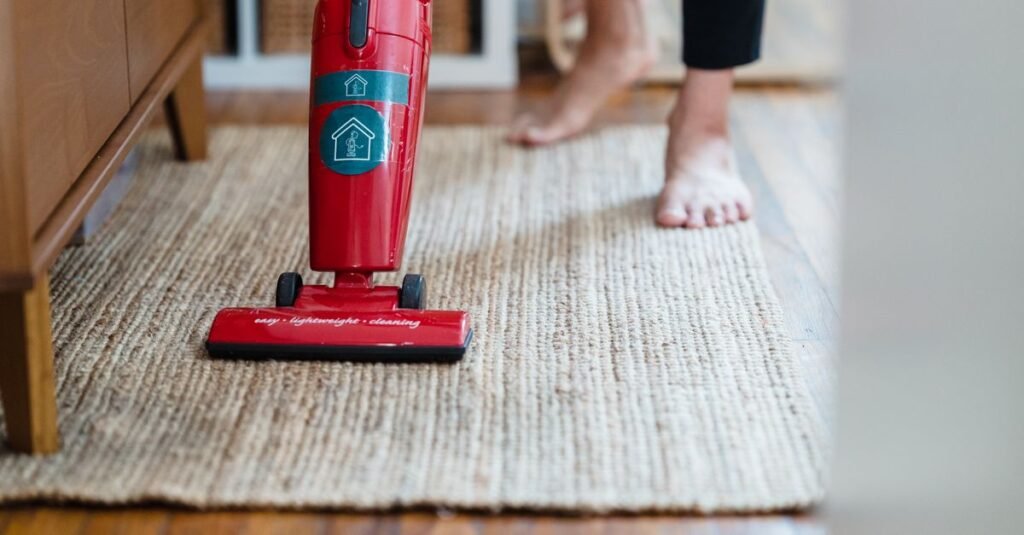
Carpet holds hair in its pile, and only agitation releases it — which is why a mid-range vacuum with a strong motorized brush roll outperforms an expensive canister with none. Vacuum high-traffic pet zones twice weekly, slowly (one pass per second per foot — speed is the most common vacuum mistake), in two directions.
Robot vacuums deserve their honest frame: brilliant at DAILY maintenance that stops accumulation, weak at deep recovery of a long-neglected carpet. Run one daily and the weekly manual pass gets easy — our robot vacuum-mop roundup and cordless stick picks cover the models that handle hair without tangling.
Hard Floors: Dampness Defeats Static
Dry sweeping launches hair into orbit; it lands behind you, smug. A barely-damp microfiber flat mop (or a vacuum with a soft-roller hard-floor head) captures instead of redistributing. Corners and under-furniture collect the tumbleweeds — hit them first, before foot traffic scatters the deposits.
Clothes and Laundry
Before the wash: a ten-minute tumble in the dryer on air-only with a dryer sheet releases most hair into the lint trap. In the wash: less detergent, an extra rinse, and washer/dryer lint filters cleaned every cycle. Keep one lint roller in the car and one at the office — the departure-check habit that ends the black-trousers standoff.
Cleaning expert Melissa Maker’s pet-hair masterclass above demonstrates the rubber-glove trick and the routine in real time — the perfect visual companion to this plan.
The Weekly Routine (Fifteen Minutes, Divided)
Daily (two minutes): robot vacuum runs, lint roller at the door, shake the door mat.
Twice weekly (five minutes): throws shaken outside and rotated, rubber-glove pass on the main sofa, quick mop of the tumbleweed corners.
Weekly (eight minutes): proper vacuum of pet zones both directions, pet bed cover into the wash, brush-out session for the pet (which makes next week’s version of this list shorter).
Seasonal (coat-blow weeks): daily brushing, the bath-and-blow-dry event, and temporary acceptance that perfection is a fall goal. The system holds; the volume just spikes.
The Air and Vent Chapter (The Hair You Don’t See)
Fine hair and dander go airborne and settle on every horizontal surface — and into your HVAC. The invisible-front checklist: HVAC filters upgraded to a decent MERV rating and changed on schedule (pet homes run through filters faster), an air purifier with a HEPA filter in the pet’s main room (allergy households especially), and vents vacuumed when the dust bunnies start waving back.
Allergy note: dander, not hair, triggers most allergies — the purifier, weekly washing, and keeping the bedroom pet-free do more for sneezing than any amount of sofa rolling.

The Multi-Pet Multiplier (Two Coats, One System)
Two shedders don’t double the work if the system scales correctly: brushing sessions run back-to-back (the second pet queues up anyway — jealousy is a grooming aid), each pet gets its own intercept throw at its own favorite spot, and the robot vacuum’s daily run becomes genuinely non-negotiable rather than nice-to-have.
Mixed-species notes: dog hair and cat hair behave differently — dog hair mostly falls, cat hair mostly floats, so multi-species homes feel the air-filter chapter hardest; upgrade the HVAC filter schedule first. And the shedding calendars rarely sync: track each pet’s blow season separately, and only one crisis happens at a time. Usually.
When Shedding Is a Symptom
Normal shedding is diffuse and seasonal. See the vet promptly for: sudden dramatic increases outside season, bald patches or thinning areas, skin redness, flaking, or sores under the coat, or obsessive scratching and licking driving the hair loss. Stress, parasites, allergies, and thyroid issues all speak through the coat first — and every one of them is more treatable than a lifetime of extra vacuuming. Our pet home-safety guide covers the broader watch-list.
Frequently Asked Questions
What removes pet hair from a couch best?
A slightly damp rubber glove or rubber squeegee dragged across the fabric — it rolls embedded hair into easy-to-grab ropes that lint rollers miss. Finish with a roller pass, and put a washable throw on the favorite cushion going forward.
How do I keep my house hair-free with a dog that sheds a lot?
Run the three-front system: brush three times weekly (daily in shedding season), put washable throws on favorite spots, and pair a daily robot vacuum with a proper twice-weekly brush-roll vacuum pass. Reduction plus interception beats removal alone.
Do robot vacuums really handle pet hair?
For daily maintenance, yes — they prevent accumulation brilliantly and keep hard floors civilized. They do not deep-clean carpet pile; keep a real vacuum for the weekly pass, and choose robot models with tangle-resistant brush rolls.
Why does my short-haired pet seem to shed more than fluffy ones?
Short, stiff hairs shed steadily year-round and weave INTO fabric like little quills, making them more visible and harder to remove than long fluff that sits on top. A rubber curry brush twice weekly captures them at the source.
What dissolves pet hair in the washing machine?
Nothing dissolves it — but a pre-wash air-only dryer tumble releases most hair into the lint trap, and an extra rinse flushes the rest. Clean the washer filter regularly; hair plus detergent residue is the classic drainage clog.
When is shedding a sign something is wrong?
Sudden off-season increases, bald patches, irritated skin, or obsessive scratching all warrant a vet visit — parasites, allergies, stress, and thyroid issues announce themselves through the coat. Normal shedding is even and skin-deep only.
Buying the Right Vacuum for a Pet Home (The Five-Minute Spec Guide)
The pet-hair vacuum decision comes down to four honest specs. The brush roll: tangle-resistant designs (rubber fins or self-cleaning combs) end the weekly scissors-and-brushroll surgery long-haired homes know too well. The filtration: a sealed system with HEPA-class filtration keeps dander IN the vacuum — leaky machines exhaust allergens back into the air, which is why some vacuums make allergy homes sneeze harder mid-clean.
The format question: uprights and canisters for deep weekly carpet work, cordless sticks for the daily-response tier, robots for maintenance-while-you-work — most pet homes end happiest with a two-machine treaty (one deep, one fast) rather than a single compromise.
The capacity reality: pet homes fill bins fast, and a too-small bin turns one room into three empty-trips. Check the bin size against your square footage, empty OUTSIDE or into a bag (the dust plume is dander), and wash filters on the schedule the manual pretends you’ll keep.
And the maintenance loop nobody mentions: hair wrapped around the brush roll cuts pickup dramatically long before the machine complains — a monthly two-minute roll-check keeps a mid-range machine outperforming a neglected premium one.
Seasonal Shedding Survival (The Coat-Blow Calendar)
Twice a year, double-coated dogs and many cats schedule a fur event that overwhelms normal systems — and preparation converts crisis to routine. The two-week protocol: brushing goes DAILY (outdoors, undercoat rake in hand), the bath-and-blow-dry event lands mid-blow (releasing a garbage bag’s worth in one controlled session — many owners book the groomer’s de-shed service for exactly this week and call it money well spent), the robot vacuum runs twice daily, and the throws rotate through the wash every other day.
The calendar tells: spring blows start as days lengthen (the winter coat resigns), fall blows precede the winter coat’s arrival, and indoor-living pets smear both events across extra weeks. Mark YOUR pet’s pattern in a phone note the first year — every year after, you see the storm coming and the house never knows it happened.
The mindset that survives it: during coat-blow, perfect is cancelled — the goal is containment, and containment is throws, daily brushing, and patience measured in lint-roller sheets.
The One-Week Test
Skeptical that a system beats scrubbing harder? Run the audit week: brush three times, throw on the favorite spot, one slow two-direction vacuum pass, damp-mop the corners — then compare Sunday’s lint-roller consumption to last week’s. Most households halve it on the first cycle, which is the moment the system stops being advice and becomes the house rules.
The Bottom Line
Pet hair surrenders to a system: capture it on the brush before it falls, on the throw where it lands, and with rubber, brush rolls, and damp microfiber where it hides — on a fifteen-minute weekly rhythm that costs less than one miracle gadget.
The fur was never the price of loving them. The system is — and it is a bargain.

I'm Nasir Uddin Khan, founder of HomeNeeds24 and a senior IT consultant with 18+ years' experience in Oracle database administration, enterprise infrastructure and ERP system design. I write the buying guides here and I build every calculator on the site myself, from published engineering standards rather than opinion. My research is structured rather than lab-based: manufacturer specifications, safety and efficiency standards, and the trade-offs that repeat across large volumes of verified customer reviews. Where I have direct hands-on experience — smart home, networking, energy and anything computer-adjacent — I say so in the guide.