

A good space heater takes the chill off one room without you cranking the whole-house furnace — which is exactly how it saves you money. The trick is matching the type and size to your room, and buying one with the safety features that matter. Our top pick for most people in 2026 is the Lasko 1500W Ceramic Tower — quiet, oscillating, remote-controlled and genuinely good value.
Also Read



Below are ten heaters worth buying this year, sorted by how you’ll actually use them — best overall, best for bedrooms, best for large rooms, best for a garage, and more. First, a quick guide so you buy the right kind once.
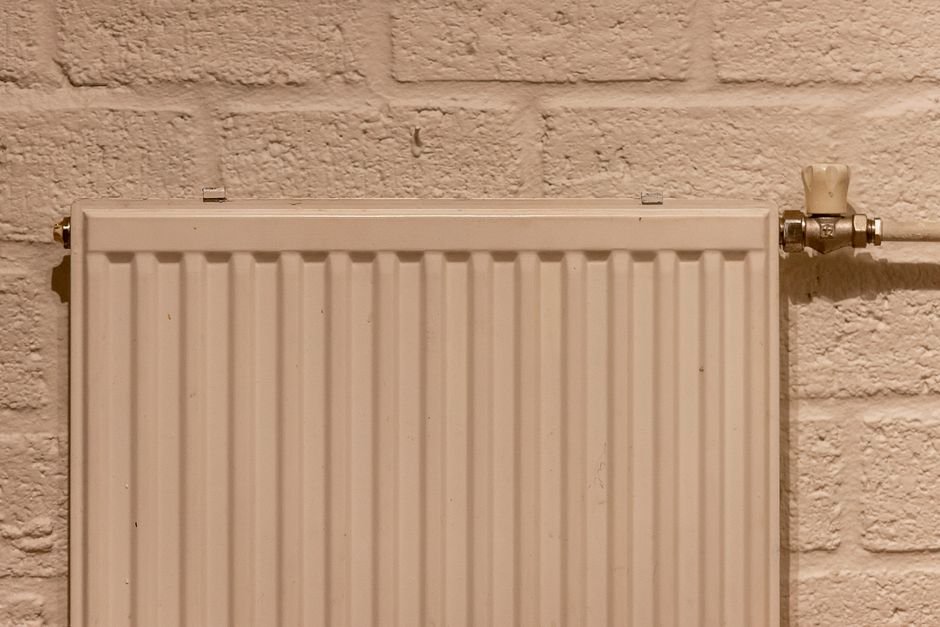
How to choose a space heater
Size it to your room first
A heater that’s too small will run flat-out and never catch up; too big wastes power. The rule of thumb is about 10 watts per square foot for a room with average insulation.
So a 150 sq ft room needs roughly 1,500 watts — which is where most portable heaters top out. Bigger or draftier rooms need more, and that’s a job for an infrared or oil-filled model.
Get the exact wattage for your room with our free Space Heater Size Calculator before you shop — it factors in your room size and insulation.
Know the four heater types
The type decides how a heater feels and where it works best:
- Ceramic (fan-forced) — heats up fast and blows warm air around; great for quick warmth in living rooms and offices.
- Infrared / radiant — warms objects and people directly (like sunshine), doesn’t dry the air, and reaches across big rooms. Kind to allergies.
- Oil-filled radiator — slow to warm up but holds heat for ages and runs silently; the top choice for bedrooms.
- Propane / gas — for garages, workshops and spots without power; powerful, but needs ventilation.
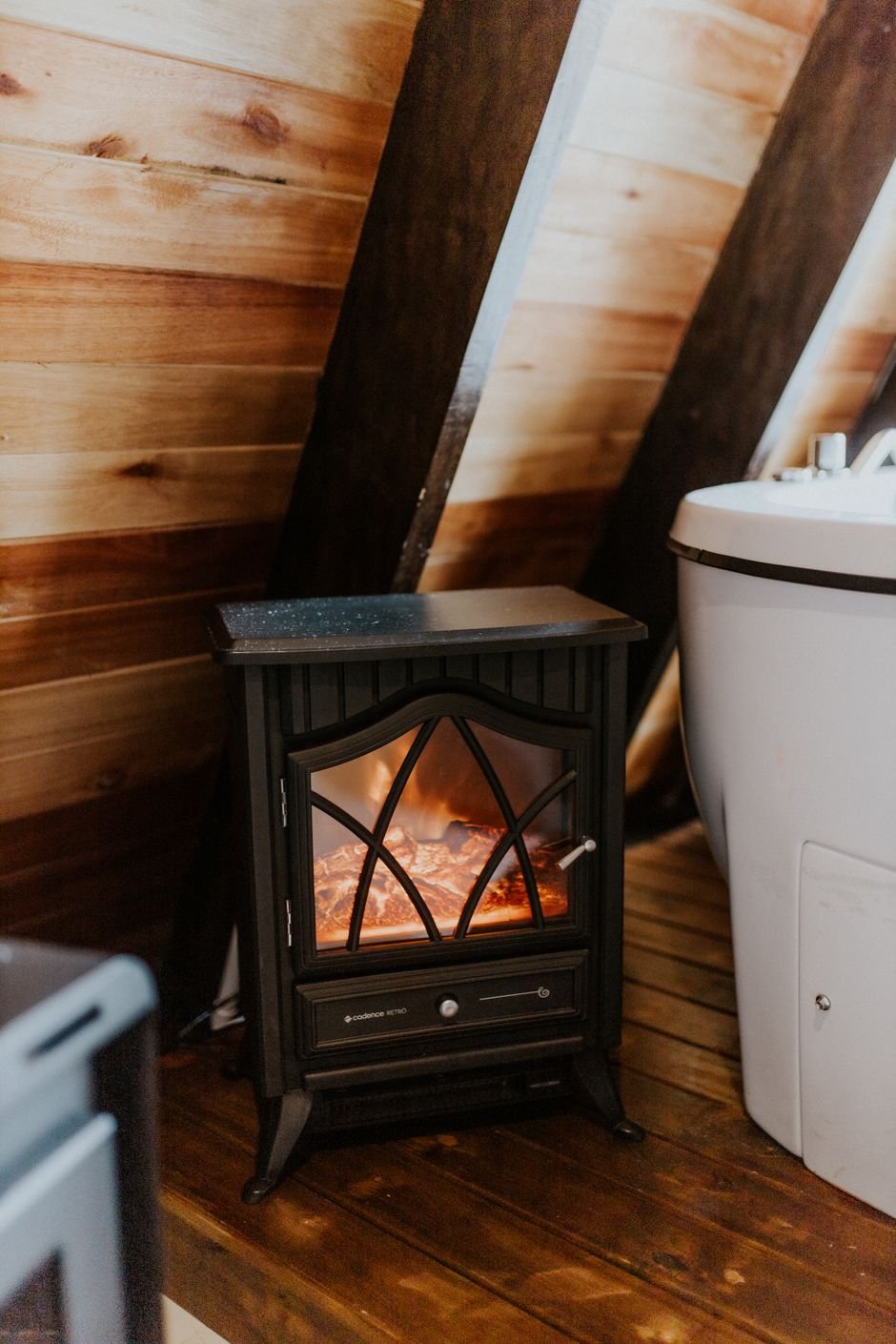
Safety features are non-negotiable
Space heaters are a leading cause of home heating fires, so treat safety as a must-have, not a bonus. Only buy models with:
- Tip-over shut-off — cuts power instantly if the heater is knocked over.
- Overheat protection — shuts down before the unit gets dangerously hot.
- A cool-touch housing — safer around kids and pets.
Then use it right: plug it straight into a wall outlet (never a power strip or extension lead), keep 3 feet of clear space around it, sit it on a hard flat floor, and switch it off when you leave the room or go to sleep.
What it costs to run
A 1,500-watt heater costs real money over a winter, so wattage and a good thermostat matter. A model that cycles off once the room is warm uses far less than one running full-blast all day.
Check the running cost of any heater with our Electricity Cost Calculator — enter the watts and your rate to see the daily and monthly cost.
The best space heaters for 2026
1. Lasko 1500W Ceramic Tower — Best overall
Best for: most living rooms and bedrooms wanting quick, quiet, reliable warmth.
The Lasko tower oscillates to spread heat, runs quietly, and comes with a thermostat, timer and remote. It’s slim, safe (overheat protection built in) and a long-time favorite for good reason.
Skip it if you need to heat a large open space — an infrared model reaches further.
2. Dreo Solaris — Best value
Best for: shoppers who want smart features without a big price.
Dreo has become the value champ: fast ceramic heat, a precise digital thermostat, oscillation and a remote, often for well under premium prices. Some models add app and voice control.
3. De’Longhi Oil-Filled Radiator — Best for bedrooms
Best for: bedrooms and anywhere you want silent, steady warmth overnight.
An oil-filled radiator makes no noise and keeps radiating heat even after it cycles off, so a room stays evenly warm without a fan’s whir. It’s the comfort king for sleeping.
Skip it if you want instant heat the second you switch on — these take a while to warm up.
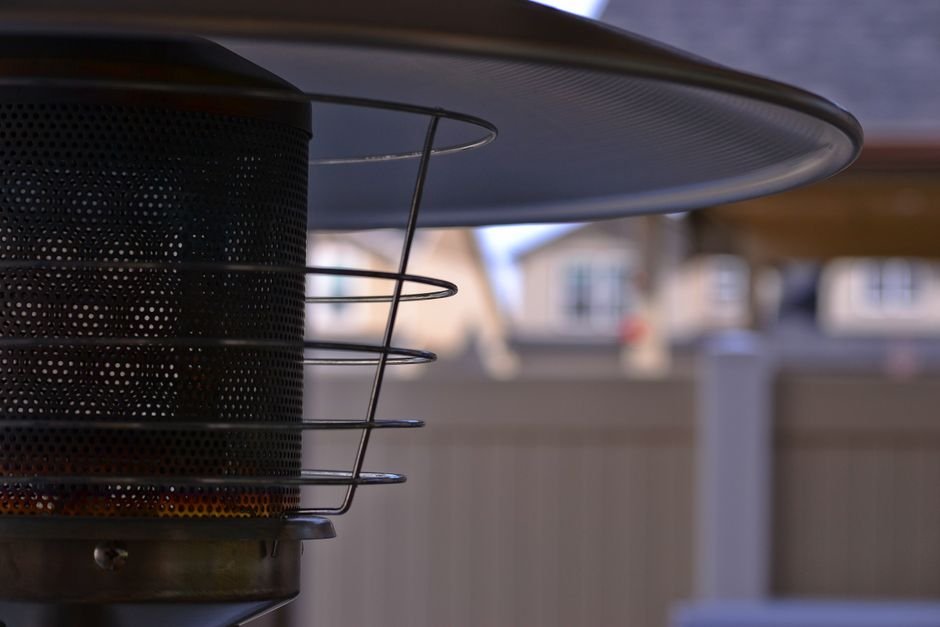
4. Dr Infrared Heater Portable — Best for large rooms
Best for: big living rooms and open-plan spaces a small heater can’t touch.
This infrared model warms objects and people directly, so it heats a large room evenly without drying the air. A built-in fan and thermostat help it cover more ground than a basic ceramic unit.
5. Vornado AVH10 — Best whole-room circulation
Best for: people who want the whole room warm, not just the spot in front of the heater.
Vornado’s vortex airflow circulates heat around the entire room rather than blowing a narrow stream. It’s quiet, well built, and typically backed by a long warranty.
6. GiveBest Portable Ceramic — Best budget
Best for: a cheap, cheerful personal heater for a desk or small room.
For around the price of lunch, the GiveBest gives you fast ceramic heat, two heat settings and tip-over plus overheat protection. It won’t warm a great room, but for one person it’s plenty.
7. Heat Storm Infrared Wall Heater — Best space-saving
Best for: small rooms where floor space is tight, or homes with curious kids and pets.
This infrared unit mounts on the wall, freeing the floor and keeping the hot element out of reach. The cool-touch face and thermostat make it a tidy, family-friendly option.
8. Mr. Heater Buddy — Best for garages & workshops
Best for: garages, workshops, sheds and anywhere without a handy outlet.
The Buddy runs on propane, so it heats spaces power-only heaters can’t reach, and it packs serious output. Use it only in ventilated areas — it has low-oxygen and tip-over shut-offs for safety.
9. PELONIS Oscillating Ceramic Tower — Best for offices
Best for: home offices and bedrooms that want set-and-forget warmth.
The PELONIS tower oscillates, holds a temperature well with its thermostat and eco mode, and includes a timer and remote. A quiet, dependable all-rounder at a fair price.
10. De’Longhi Mica Panel (HMP1500) — Best slim panel
Best for: quick spot heat in a small room, without a bulky box.
This slim mica panel warms up fast, runs quietly with no fan, and tucks against a wall or stands on feet. A neat, low-profile choice for bathrooms, offices and small bedrooms.
At-a-glance comparison
| Heater | Best for | Type | Stand-out |
|---|---|---|---|
| Lasko Ceramic Tower | Overall | Ceramic | Oscillation, remote, quiet |
| Dreo Solaris | Value | Ceramic | Smart features, low price |
| De’Longhi Oil-Filled | Bedrooms | Oil radiator | Silent, holds heat |
| Dr Infrared | Large rooms | Infrared | Even heat, doesn’t dry air |
| Vornado AVH10 | Whole-room | Ceramic + vortex | Circulates heat everywhere |
| GiveBest Ceramic | Budget | Ceramic | Cheap, safe, personal |
| Heat Storm Wall | Space-saving | Infrared | Wall-mounted, cool-touch |
| Mr. Heater Buddy | Garage / no power | Propane | Cordless, high output |
| PELONIS Tower | Office | Ceramic | Eco mode, timer, remote |
| De’Longhi Mica Panel | Small rooms | Panel | Slim, fanless, quick |
What size space heater do I need?
Match wattage to your room: about 10 watts per square foot for average insulation, a bit more for drafty or poorly insulated spaces.
That means roughly 750 watts for a small 75 sq ft room, 1,500 watts for a 150 sq ft room, and a larger infrared or oil-filled model beyond that.
For a number tailored to your exact room and insulation, use our free Space Heater Size Calculator. You’ll find more free tools on our home calculators page.
How a space heater actually saves you money
The trick is zone heating: instead of heating your whole home to a cozy temperature, you turn the central thermostat down and warm only the room you’re actually in.
Because a space heater draws far less power than a furnace or central AC’s heat mode, warming one room can cost noticeably less than warming eight.
It works best when you spend long stretches in one place — a home office by day, the living room in the evening, the bedroom at night. Move the heater with you, drop the house thermostat a few degrees, and the savings add up over a winter.
It stops making sense if you’re trying to keep the whole house warm at once — at that point central heating is cheaper and safer.
Common space-heater mistakes to avoid
These are the errors that cost people money — or worse, cause a fire. Avoid all five.
- Plugging into a power strip or extension cord. Heaters draw too much current for these — always use a wall outlet directly.
- Leaving it running unattended. Switch it off when you leave the room or fall asleep.
- Placing it too close to things. Keep 3 feet clear of bedding, curtains, furniture and paper.
- Buying the wrong type. A fan heater in a bedroom is noisy; an oil-filled radiator in a big cold garage is too slow.
- Skipping safety certifications. Look for tip-over and overheat protection and a recognized safety mark.
Key takeaways
- Best overall: the Lasko 1500W Ceramic Tower — quiet, oscillating and great value.
- Best for bedrooms: a De’Longhi oil-filled radiator for silent, steady overnight warmth.
- Best for large rooms: an infrared model like the Dr Infrared heats evenly without drying the air.
- Size it right: aim for ~10 watts per sq ft — check yours with our Space Heater Size Calculator.
- Safety first: tip-over and overheat protection, a wall outlet only, and 3 feet of clearance.
- Mind the bill: a thermostat that cycles off saves money — check costs with our Electricity Cost Calculator.
Frequently asked questions
What size space heater do I need for my room?
Use about 10 watts per square foot for average insulation — so roughly 1,500 watts for a 150 sq ft room. Drafty or poorly insulated rooms need more. Our Space Heater Size Calculator gives you the exact wattage from your room size and insulation.
Which type of space heater is most efficient?
All electric heaters turn nearly all their power into heat, so “efficiency” is really about matching type to room. Infrared heaters feel efficient because they warm you directly; oil-filled radiators hold heat well for steady rooms; ceramic heaters give the fastest burst of warmth.
Are space heaters safe to leave on overnight?
It’s safest to turn heaters off when you sleep. If you must run one overnight, choose an oil-filled radiator or a model with a thermostat, tip-over and overheat protection, keep it clear of bedding, and plug it straight into a wall outlet.
Do space heaters use a lot of electricity?
A 1,500-watt heater run for hours does add up, though it’s cheaper than heating the whole house if you only need one room. A good thermostat cuts the cost by cycling off once warm. Check the exact figure with our Electricity Cost Calculator.
What’s the best space heater for a bedroom?
An oil-filled radiator, because it’s silent and keeps the room evenly warm without a fan’s noise or drying the air. Pick one with a digital thermostat and a timer so it holds your ideal temperature through the night.
Can a space heater heat a whole house?
No — space heaters are designed for one room at a time. Trying to heat a whole house with them is expensive and unsafe; that’s a job for a central heating system sized by a professional.
Why shouldn’t I use an extension cord with a space heater?
Heaters draw a lot of current, and extension cords and power strips can overheat and start a fire. Always plug a space heater directly into a wall outlet on its own.
Ceramic vs infrared — which should I buy?
Choose ceramic for fast, blow-around warmth in small-to-medium rooms and offices. Choose infrared for large or drafty rooms, or if you want gentle heat that doesn’t dry the air and is kind to allergies.
What safety features should a space heater have?
At minimum: automatic tip-over shut-off, overheat protection, and ideally a cool-touch housing. These are standard on the models above and are the features that prevent most heater accidents.
Do space heaters dry out the air?
Fan-forced ceramic heaters can make a room feel drier by moving warm air around, though they don’t actually remove moisture. Infrared and oil-filled heaters feel gentler because they don’t blow air. If dryness bothers you, run a small humidifier alongside, or pick an oil-filled radiator.
Where’s the best place to put a space heater?
On a hard, level floor, against an internal wall, near where you sit — with at least 3 feet of clear space on all sides and nothing flammable nearby. Keep it off rugs and out of doorways, and never in a bathroom unless it’s rated for damp areas.

I'm Nasir Uddin Khan, founder of HomeNeeds24 and a senior IT consultant with 18+ years' experience in Oracle database administration, enterprise infrastructure and ERP system design. I write the buying guides here and I build every calculator on the site myself, from published engineering standards rather than opinion. My research is structured rather than lab-based: manufacturer specifications, safety and efficiency standards, and the trade-offs that repeat across large volumes of verified customer reviews. Where I have direct hands-on experience — smart home, networking, energy and anything computer-adjacent — I say so in the guide.