
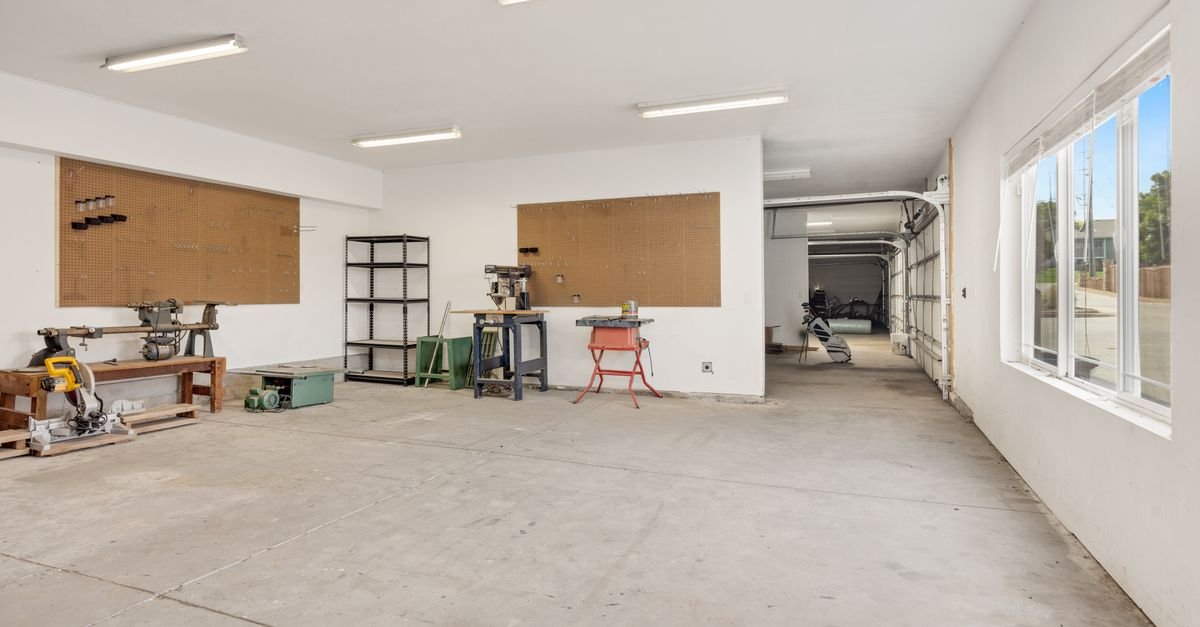
A garage is often the most underused room in the house — a place where cars rarely park and clutter quietly multiplies. Converting it into usable living space is one of the smartest ways to add real square footage to your home without the cost and disruption of building an extension. Whether you want a home office, a guest suite, a gym, or a playroom, your garage is a blank canvas waiting to be reclaimed.
Also Read



This guide walks through the best garage conversion ideas, what each one involves, the practical considerations that make or break a conversion, and how to plan it so the finished space is comfortable, legal, and genuinely useful.
Why Convert a Garage?
A garage conversion gives you more living space using a structure that already exists — walls, roof, and foundation are already there, so you skip the most expensive parts of building new. It’s usually faster, cheaper, and less disruptive than an extension or a move. For many homes it also adds value, turning dead storage into a functional, finished room. And because the footprint doesn’t change, you often avoid the bigger planning hurdles that come with extending outward.

The Best Garage Conversion Ideas
1. Home Office
With remote and hybrid work now normal, a dedicated home office is one of the most popular — and practical — conversions. A garage office is separate from the noise of the house, giving you quiet and focus. You’ll want good insulation, plenty of power outlets, strong lighting, and reliable internet. A converted garage office can comfortably fit a desk, storage, a meeting nook, and even a small lounge area, creating a proper work environment that protects your work-life boundary.
2. Guest Suite or Bedroom
Converting a garage into a bedroom or self-contained guest suite adds genuinely valuable space, especially for growing families or those who host often. With an en-suite bathroom and a small kitchenette, it can even become an independent living area for a relative or a rental. This conversion requires the most attention to insulation, heating, ventilation, and meeting building regulations for a habitable room — but it delivers the biggest functional and resale payoff.
3. Home Gym
A garage makes an excellent home gym. The open floor plan suits equipment, and you won’t worry about noise or dropped weights the way you would inside the house. Prioritize durable, supportive flooring, good ventilation (gyms get warm and humid), mirrors, and strong lighting. Because a gym doesn’t always need the same finish level as a bedroom, it can be one of the more budget-friendly, satisfying conversions.
4. Playroom or Family Room
Turning the garage into a playroom or relaxed family room gives kids their own space and keeps toys out of the main living areas. A family room can become a second lounge, a media room, or a hobby space. Focus on warm flooring, safe finishes, good heating, and plenty of storage. This is a flexible conversion that evolves with your family’s needs over the years.
5. Kitchen Extension or Dining Space
If your garage sits next to the kitchen, knocking through can dramatically enlarge it — creating room for an island, a dining area, or an open-plan kitchen-diner. This is a more involved conversion that usually needs professional structural input, but expanding the kitchen is consistently one of the most valued home improvements.
6. Studio, Hobby, or Utility Space
A garage can become an art studio, music room, workshop, or a generous utility and laundry room. These conversions suit people who need a dedicated space for a specific activity and often require less finishing than a full habitable room, making them practical and affordable.
Key Things to Consider Before You Start
Insulation, Heating & Damp
Garages are typically cold, poorly insulated, and prone to damp. To make the space comfortable year-round, you’ll need to insulate the walls, floor, and ceiling, add proper heating, and address any moisture issues. This is the single most important step — skip it and you’ll end up with a cold, unusable room no matter how nicely it’s finished.
The Garage Door Opening
Most conversions involve removing the garage door and building a new wall, often with a window or French doors to bring in light. How you handle this opening affects both the look and the natural light of the finished room, so plan it carefully to match the rest of the house.
Flooring
Garage floors are usually bare concrete and often sit lower than the rest of the house. You’ll likely need to raise, level, insulate, and finish the floor so it’s warm and flush with adjoining rooms.
Permissions & Building Regulations
Even when a conversion doesn’t need full planning permission, it almost always must meet building regulations — covering structure, insulation, ventilation, fire safety, and electrics. Always check the rules in your area before starting, and use qualified professionals for structural, electrical, and plumbing work. Getting this right protects your safety and your home’s value.
Parking & Storage
Remember that converting the garage removes a parking and storage space. Make sure you have somewhere else for the car if needed, and plan replacement storage so the clutter doesn’t simply migrate into your new room.
As an Amazon Associate, HomeNeeds24 earns from qualifying purchases.

How to Plan Your Garage Conversion
Start by defining the room’s single main purpose — that decision drives everything else. Set a realistic budget that includes insulation, heating, electrics, flooring, finishing, and a contingency for surprises. Measure the space carefully and sketch a layout, thinking about where windows, power, and (if needed) plumbing will go. Decide which work you can do yourself and which needs professionals — structural changes, electrics, and plumbing should always be done by qualified trades. Finally, sequence the work logically: structural and weatherproofing first, then insulation and services, then finishing. A clear plan keeps the project on budget and on schedule.
Budget-Friendly vs. Premium Conversions
Garage conversions scale to almost any budget. A simple gym, hobby room, or storage-utility space needs less finishing and can be done relatively affordably. A fully habitable bedroom, guest suite, or kitchen extension costs more because of the insulation, heating, plumbing, and regulatory standards required. Be honest about which end you’re aiming for, and don’t cut corners on the fundamentals — insulation, damp-proofing, and electrics — because those are what make the space genuinely livable and protect its value.
Frequently Asked Questions
Is converting a garage worth it?
For most homes, yes — it adds usable living space using an existing structure, which is cheaper and faster than an extension, and it often increases your home’s value. Just weigh the loss of parking and storage.
Do I need planning permission to convert a garage?
Often a conversion falls under permitted development, but it almost always must meet building regulations for insulation, ventilation, fire safety, and electrics. Always check the rules in your area before starting.
What’s the most important part of a garage conversion?
Insulation, heating, and damp-proofing. Garages are cold and moisture-prone, so getting these right is what turns the space from an unusable cold room into a comfortable, year-round living area.
What can I convert my garage into?
Popular options include a home office, guest bedroom or suite, home gym, playroom or family room, kitchen extension, or a studio/hobby/utility space. Choose based on your home’s needs and the room’s proximity to existing services.
Key Takeaways
- A garage conversion adds living space using an existing structure — cheaper and faster than extending.
- Popular conversions: home office, guest suite, gym, playroom, kitchen extension, or studio/utility room.
- Insulation, heating, and damp-proofing are the make-or-break essentials.
- Check building regulations, and use professionals for structural, electrical, and plumbing work.
- Plan around one main purpose, budget with a contingency, and replace lost parking/storage.
Your garage is far more valuable as a room than as a place to stack boxes. Define its purpose, get the fundamentals right, and you can add genuinely useful living space to your home. For more ideas, visit our home improvement guides and the full Home Improvement & Planning collection.

I'm Nasir Uddin Khan, founder of HomeNeeds24 and a senior IT consultant with 18+ years' experience in Oracle database administration, enterprise infrastructure and ERP system design. I write the buying guides here and I build every calculator on the site myself, from published engineering standards rather than opinion. My research is structured rather than lab-based: manufacturer specifications, safety and efficiency standards, and the trade-offs that repeat across large volumes of verified customer reviews. Where I have direct hands-on experience — smart home, networking, energy and anything computer-adjacent — I say so in the guide.