
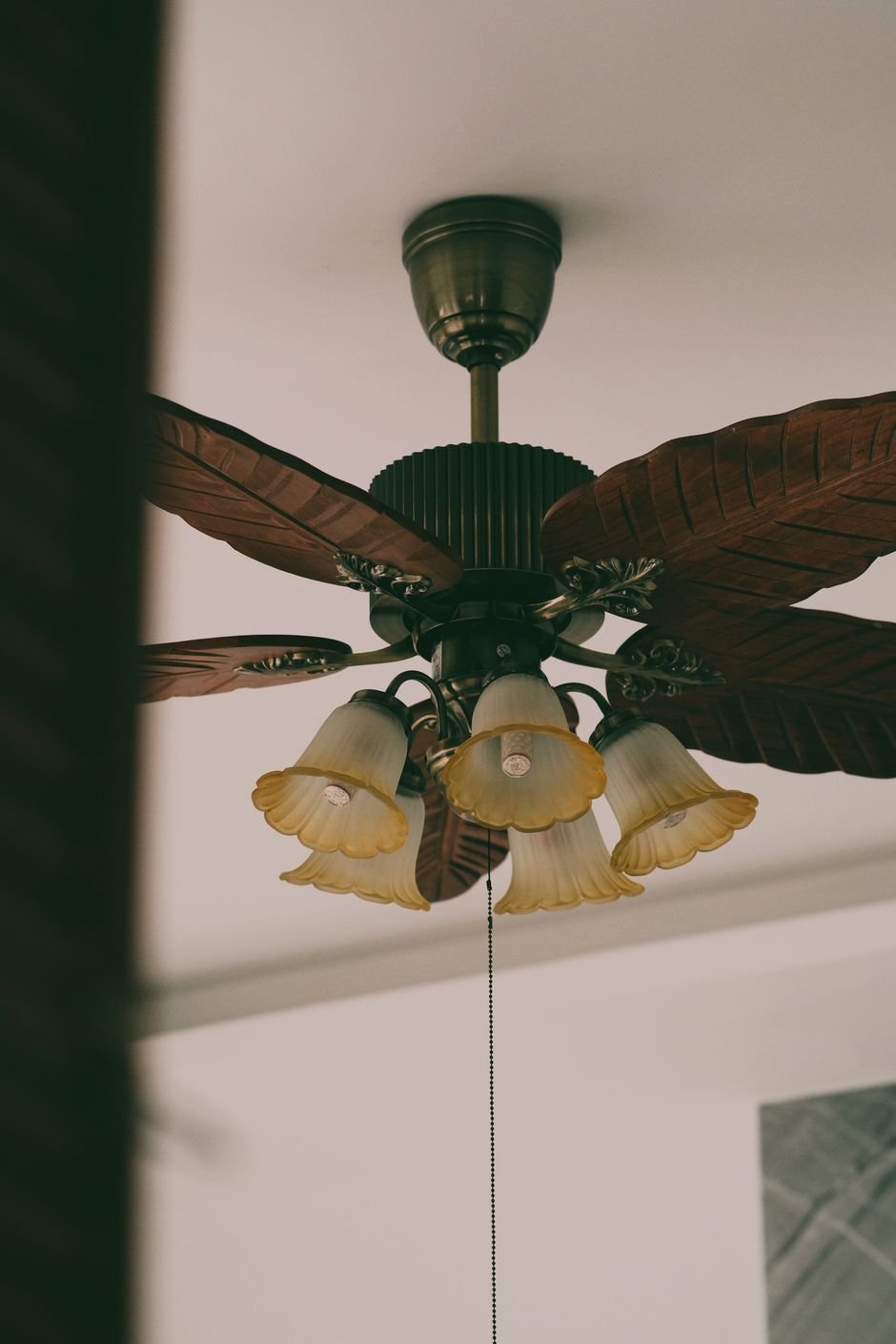
The right ceiling fan does two quiet jobs at once: it keeps a room comfortable for pennies an hour, and it either finishes a room’s look or spoils it. Get the size or motor wrong and you’re left with a wobbling, humming fan that barely moves the air. Our pick for most homes in 2026 is the Hunter Aerodyne — a quiet DC fan with a built-in LED and app control that suits the widest range of rooms.
Also Read



Below you’ll find ten fans worth buying this year, sorted by what you actually need — best overall, best budget, best for big rooms, best for low ceilings, best for a covered patio, and more. First, a short buyer’s guide so you can match a fan to your room with confidence.
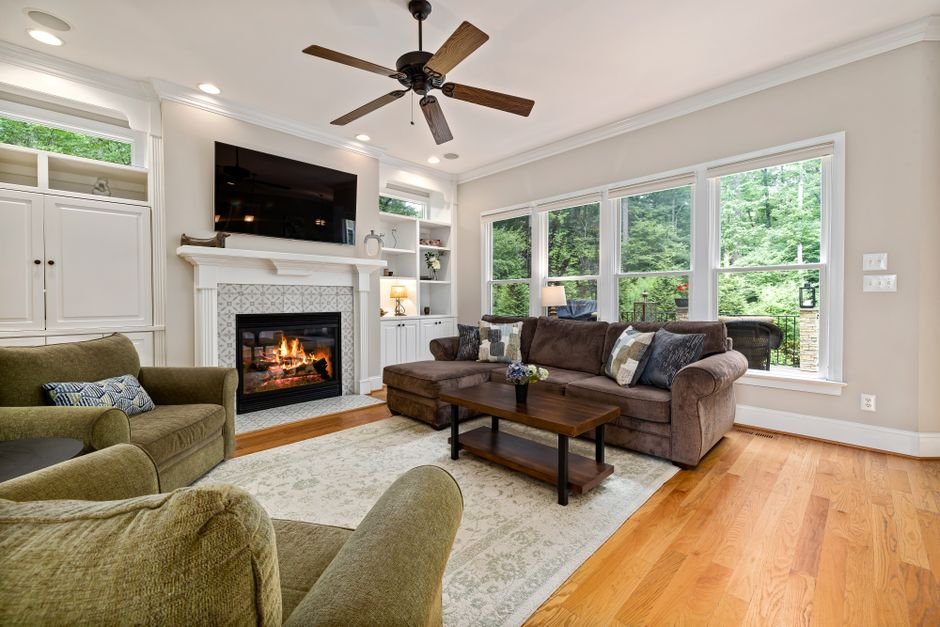
How to choose a ceiling fan
Start with the room size
Fan size is the single biggest decision, and it’s set by your floor area. Too small and you’ll never feel the breeze; too large and it overwhelms the room and can’t hang at the right height.
As a quick guide: rooms up to 75 sq ft suit a 29–36 inch fan, 76–144 sq ft want 36–44 inches, 145–225 sq ft want 44–50 inches, and larger rooms need 52 inches or more.
Don’t eyeball it — measure your room and get the exact blade span with our free Ceiling Fan Size Calculator before you shop. It takes ten seconds and saves an expensive return.
AC or DC motor?
AC motors are cheaper up front and perfectly fine. DC motors cost a little more but run noticeably quieter, use up to 70% less energy, and usually add more speed settings and a better remote.
If the fan will run for hours a day, a DC motor pays you back in quieter nights and a smaller power bill.
Downrod or flush mount?
Ceiling height decides this. For 9-foot ceilings and up, a downrod drops the fan to the ideal 8–9 feet above the floor for the best airflow.
For ceilings under 8 feet, choose a low-profile “hugger” (flush-mount) fan so nobody taller than average has a close call.
Indoor, damp or wet rated?
This matters more than people expect. A standard indoor fan will corrode fast on a porch.
- Dry-rated — indoor rooms only.
- Damp-rated — covered porches, patios and sunrooms (no direct rain).
- Wet-rated — fully exposed spots that can take direct rain and hose-downs.
Light, remote and smart control
If the fan replaces your only ceiling light, get one with an integrated LED — modern kits are bright, dimmable and last for years. Skip incandescent kits, which add heat and can cause hums.
A remote is standard now; app and voice control (Alexa, Google) are worth it if the fan is hard to reach or you like schedules.
What “good airflow” means (CFM)
Airflow is measured in CFM (cubic feet per minute). Around 4,000–5,000 CFM is fine for a bedroom, while great-room fans push 6,000–9,000+.
Blade count barely matters for airflow — motor quality and blade pitch do. Pick the look you like and judge the fan on its CFM and noise rating instead.
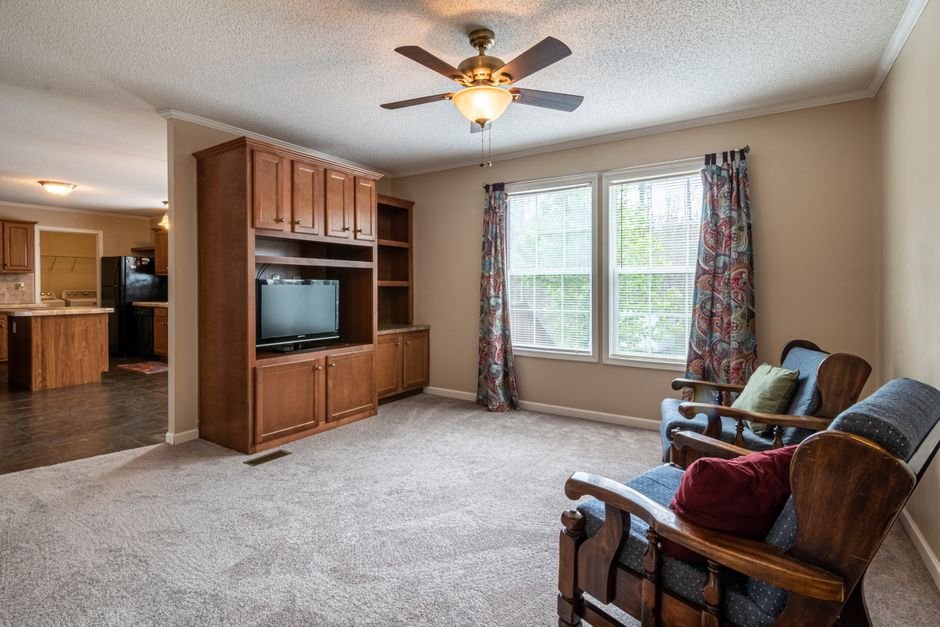
The best ceiling fans for 2026
1. Hunter Aerodyne — Best overall
Best for: most living rooms and bedrooms that want one fan to do everything well.
The Aerodyne pairs a quiet DC motor with a dimmable integrated LED, a handheld remote and app/voice control. It moves serious air on high yet whispers on low, and Hunter’s balanced build means no wobble.
It isn’t the cheapest fan here, but it’s the one we’d recommend to a friend without asking many questions first.
Skip it if you only need a fan for a spare room used now and then — a budget pick will do that job for far less.
2. Minka-Aire Light Wave — Best design statement
Best for: modern rooms where the fan should look like art.
The Light Wave’s sculptural, gently curved blades are a genuine design piece, and it backs the looks with smooth, quiet performance and a bright LED.
You pay for the styling, but in a contemporary space it earns its keep.
3. Prominence Home Alvina — Best budget with a light
Best for: bedrooms and offices on a tight budget that still want a light and remote.
For roughly the price of a nice dinner out, the Alvina gives you a 52-inch fan, a dimmable LED and a remote. It’s not fancy, but it’s a huge upgrade over a bare bulb.
4. Honeywell Carmel — Best value indoor fan
Best for: everyday living rooms that want a step up from budget without a premium price.
The Carmel is a long-running favorite: a 48–52 inch fan with reversible dual-finish blades, a frosted LED light and a remote. It’s the safe, sensible pick that suits most decor.
5. Hunter Dempsey — Best low-profile for low ceilings
Best for: rooms with ceilings under 8 feet, or anywhere a downrod feels too close.
The Dempsey’s flush “hugger” mount keeps the blades tucked close to the ceiling while still moving good air. It comes in low-profile and standard versions, with a clean, modern cap.
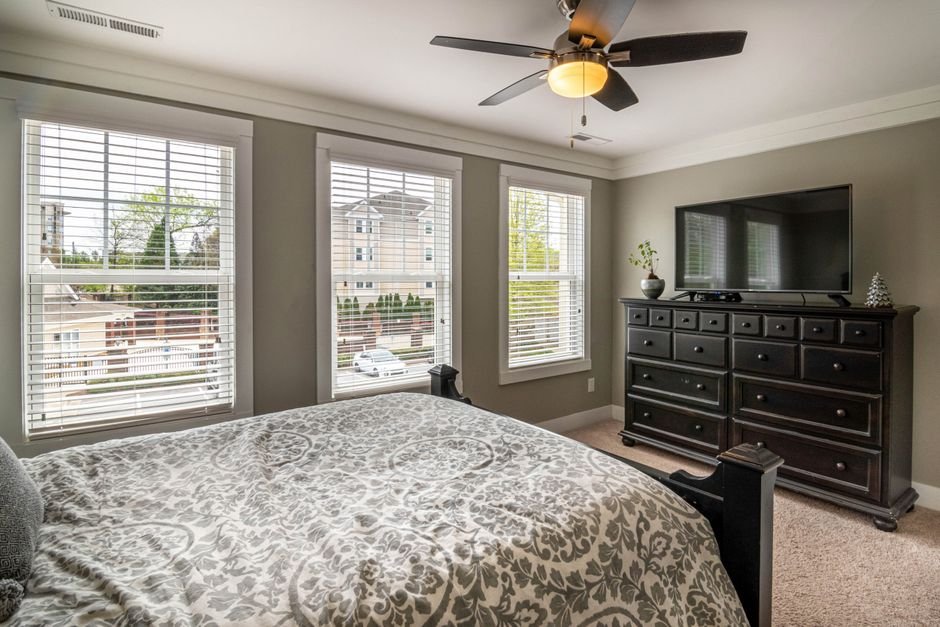
6. Westinghouse Techno II (72″) — Best for very large rooms
Best for: great rooms, open-plan spaces and anything over 400 sq ft.
At 72 inches, the Techno II is built to move air across a big room a smaller fan simply can’t reach. In a large space, one properly sized fan like this beats two undersized ones.
7. Minka-Aire Xtreme H2O — Best for covered patios & outdoors
Best for: porches, patios and sunrooms — it’s wet-rated for direct exposure.
The Xtreme H2O comes in sizes up to 84 inches and pushes huge airflow, and its sealed, wet-rated build shrugs off humidity and rain where an indoor fan would rust.
8. Big Ass Fans Haiku L — Best premium smart fan
Best for: buyers who want the quietest, smartest fan and will pay for it.
The Haiku is famously silent, beautifully made and packed with smarts — sensors, scheduling and app/voice control. It’s a splurge, but it’s the fan people notice for how little they notice it.
Skip it if the budget’s tight — the reiga DC fan below gets you most of the quiet efficiency for a fraction of the price.

9. Portage Bay Hugger — Best compact for small rooms
Best for: small bedrooms, laundry rooms and hallways that need a neat, quiet fan.
This compact flush-mount fan fits tight spaces without dominating them, runs quietly, and includes a simple light. An easy, affordable win for the rooms bigger fans overwhelm.
10. reiga 52″ DC Smart Fan — Best value DC & smart
Best for: shoppers who want quiet DC efficiency and app control without a premium badge.
reiga has become a go-to for affordable DC fans: six speeds, a reversible quiet motor, a dimmable LED and app/voice support, usually well under the big brands’ prices.
At-a-glance comparison
| Fan | Best for | Motor | Stand-out |
|---|---|---|---|
| Hunter Aerodyne | Overall | DC | Quiet, smart, well-balanced |
| Minka-Aire Light Wave | Design | DC | Sculptural modern look |
| Prominence Home Alvina | Budget | AC | Light + remote, low price |
| Honeywell Carmel | Value | AC | Reversible blades, LED |
| Hunter Dempsey | Low ceilings | AC/DC | Flush hugger mount |
| Westinghouse Techno II 72″ | Very large rooms | AC | 72-inch span |
| Minka-Aire Xtreme H2O | Patios / outdoor | DC | Wet-rated, up to 84″ |
| Big Ass Fans Haiku L | Premium smart | DC | Near-silent, sensors |
| Portage Bay Hugger | Small rooms | AC | Compact flush mount |
| reiga 52″ DC | Value DC/smart | DC | App control, 6 speeds |
What size ceiling fan do I need?
Match the blade span to your floor area, then hang the fan 8–9 feet above the floor and at least 18 inches from any wall.
Here’s the short version: 44 inches suits a 12×12 bedroom, 52 inches suits a typical living room, and rooms over 400 sq ft want 60 inches or more (or two fans).
For an exact recommendation based on your room’s real measurements, run our free Ceiling Fan Size Calculator — it turns your room dimensions into the right blade span in seconds. You’ll also find more free tools on our home calculators page.
Common ceiling-fan mistakes to avoid
A few small errors trip up most first-time buyers. Dodge these and you’ll be happy with your fan for years.
- Buying by looks alone. A gorgeous fan that’s the wrong size for the room will always underwhelm — size first, style second.
- Ignoring ceiling height. A downrod fan on a low ceiling is a head-height hazard; measure before you buy.
- Putting an indoor fan outside. Non-rated fans rust and fail fast on a porch — match the damp or wet rating to the spot.
- Chasing blade count. More blades doesn’t mean more air; motor quality and pitch do the work.
- Skipping the light plan. If it’s the room’s only fixture, get an integrated LED rather than discovering the room is dark at night.
Key takeaways
- Best overall: the Hunter Aerodyne — quiet DC motor, integrated LED and app control that suit most rooms.
- Best budget: the Prominence Home Alvina gives you a light and remote for very little.
- Size it right first: blade span is set by floor area — check yours with our Ceiling Fan Size Calculator.
- Choose DC if the fan runs for hours — quieter and up to 70% less energy.
- Match the rating to the spot: damp-rated for covered patios, wet-rated for open exposure.
- Low ceiling? Pick a flush-mount hugger like the Hunter Dempsey for safe clearance.
Looking for recommendations? See our picks in Best Ceiling Fans 2026: Top Picks & Sizing Buying Guide.
Frequently asked questions
What size ceiling fan do I need for my room?
Match the blade span to the floor area: 29–36 inches for rooms under 75 sq ft, 36–44 inches for 76–144 sq ft, 44–50 inches for 145–225 sq ft, and 52 inches or more for larger rooms. Our Ceiling Fan Size Calculator gives you the exact number from your room’s measurements.
Are DC ceiling fans worth the extra money?
If the fan runs for hours most days, yes. DC motors are markedly quieter and use up to 70% less energy, so they pay back the higher price in quieter rooms and lower bills. For a fan used occasionally, a good AC fan is fine.
How many blades is best on a ceiling fan?
Blade count is mostly about looks. Airflow depends far more on motor quality and blade pitch than on whether a fan has three, four or five blades. Pick the style you like and compare CFM and noise ratings instead.
What’s the difference between damp-rated and wet-rated fans?
Damp-rated fans handle humidity and are made for covered porches and sunrooms out of direct rain. Wet-rated fans are sealed to take direct rain and hose-downs, so they suit fully exposed spots. Never use a dry-rated indoor fan outdoors.
How high should a ceiling fan hang?
Aim for the blades 8–9 feet above the floor and at least 7 feet minimum for safety, with 18+ inches of clearance from walls. On high ceilings, add a downrod; on ceilings under 8 feet, use a low-profile flush-mount fan.
Do ceiling fans actually lower the temperature?
Not the air temperature — a fan cools you by moving air across your skin (the wind-chill effect). Because you feel cooler, you can raise the thermostat a few degrees and cut air-conditioning costs. Turn fans off in empty rooms.
Which way should a ceiling fan turn in summer and winter?
In summer, run it counter-clockwise to push a cooling breeze down. In winter, run it clockwise on low to pull cool air up and gently push warm air down off the ceiling. Most fans have a small reverse switch or a remote button.
Can one ceiling fan cool a large open-plan room?
Only if it’s big enough. Rooms over about 400 sq ft usually need a 60-inch-plus fan or two properly spaced fans for even airflow — one undersized fan just stirs the middle. Size it with our calculator before buying.
Are expensive ceiling fans worth it over budget ones?
Premium fans buy you quieter DC motors, better balance (no wobble), nicer materials and smarter controls. For a hard-working main room those are worth it; for a spare bedroom used now and then, a budget fan like the Prominence Home Alvina does the job well.
Do ceiling fans use a lot of electricity?
Very little — most run on 15–75 watts, far less than an air conditioner, and DC models use up to 70% less again. Running one so you can nudge the thermostat up usually saves money overall. You can check the exact cost with our Electricity Cost Calculator.

I'm Nasir Uddin Khan, founder of HomeNeeds24 and a senior IT consultant with 18+ years' experience in Oracle database administration, enterprise infrastructure and ERP system design. I write the buying guides here and I build every calculator on the site myself, from published engineering standards rather than opinion. My research is structured rather than lab-based: manufacturer specifications, safety and efficiency standards, and the trade-offs that repeat across large volumes of verified customer reviews. Where I have direct hands-on experience — smart home, networking, energy and anything computer-adjacent — I say so in the guide.