
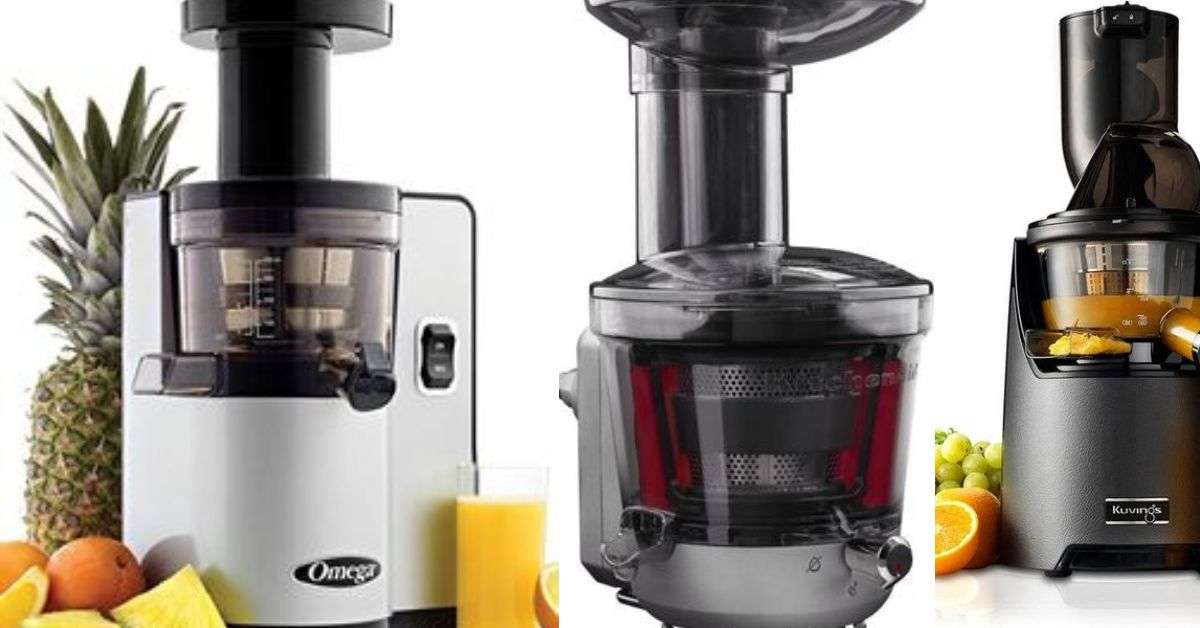
Choose a juicer around the produce you expect to use and the cleanup routine you will tolerate. A machine that suits occasional citrus drinks may not fit daily leafy-green preparation. Counter space includes room to remove the lid and collection containers, not just the base footprint.
Also Read



Review scope: This is a selection guide, not a hands-on product test. The linked products are unranked references, not verified performance recommendations. Check current model details, availability and terms with the seller and manufacturer.
Start with these checks
- List typical fruit and vegetable ingredients.
- Measure the assembled height and footprint.
- Count parts that need washing.
- Check replacement filters and strainers.
Put the comparison into practice
Write down the preparation sequence for one usual drink: washing, cutting, feeding, collecting and washing the machine. A larger feed opening may reduce one step but does not eliminate cleaning. Check whether the juice and pulp containers can be removed without moving the whole appliance.
Further buying considerations
Types of Juicers
There are several types of juicers available, each with its own benefits and drawbacks. The most common types of juicers are:
- Centrifugal Juicers: These juicers use a spinning blade to chop up fruits and vegetables and separate the juice from the pulp. They are fast and efficient but can be quite loud and may not extract as much juice as other types of juicers.
- Masticating Juicers: These juicers use a slow, grinding motion to extract juice from produce. They are quieter than centrifugal juicers and can extract more juice, but are typically more expensive.
- Citrus Juicers: These juicers are designed specifically for citrus fruits like oranges and lemons. They are typically the most affordable option and are easy to use, but can only be used for citrus fruits.
Features to Consider
When selecting a juicer, there are several features to consider:
- Motor Power: The power of the juicer’s motor will impact its performance. Look for a juicer with a motor that is powerful enough to handle the types of produce you plan to juice.
- Feeding Tube Size: A larger feeding tube will allow you to juice larger fruits and vegetables without having to chop them up first.
- Juice Yield: Look for a juicer that is efficient at extracting juice from produce. A higher juice yield means you’ll get more juice from the same amount of produce.
- Ease of Cleaning: Juicers can be difficult to clean, so look for one that is easy to disassemble and clean.
- Noise Level: Centrifugal juicers can be quite loud, so if noise is a concern, consider a masticating juicer.
- Price: Juicers can range in price from under $50 to over $500. Consider your budget and the features you need when selecting a juicer.
Conclusion
When selecting a juicer, it’s important to consider the types of produce you plan to juice, as well as the features that are most important to you.
By taking the time to research and compare different models, you can find a juicer that meets your needs and fits your budget.
Before deciding
Record the exact item, the requirements it must meet and the source of each answer. Leave missing details marked unknown and ask the seller to clarify them. Check the complete delivered cost and the return conditions for that specific item; neither a similar model nor a listing photo resolves unanswered questions.
Unranked product references
These links identify options mentioned in the original article. They are not a tested shortlist, and a listing title is not an independently checked specification. Use them only after applying the criteria above.
- Breville Juice Fountain Cold Juicer
- Hamilton Beach Juicer Machine
- Elite Gourmet EJX600 Compact Small Space-Saving Masticating Slow Juicer
- Breville Juice Fountain Cold Plus Juicer
- Breville Juice Fountain Plus Juicer
Affiliate disclosure: As an Amazon Associate, HomeNeeds24 earns from qualifying purchases. See the affiliate disclosure for details.

I'm Nasir Uddin Khan, founder of HomeNeeds24 and a senior IT consultant with 18+ years' experience in Oracle database administration, enterprise infrastructure and ERP system design. I write the buying guides here and I build every calculator on the site myself, from published engineering standards rather than opinion. My research is structured rather than lab-based: manufacturer specifications, safety and efficiency standards, and the trade-offs that repeat across large volumes of verified customer reviews. Where I have direct hands-on experience — smart home, networking, energy and anything computer-adjacent — I say so in the guide.