
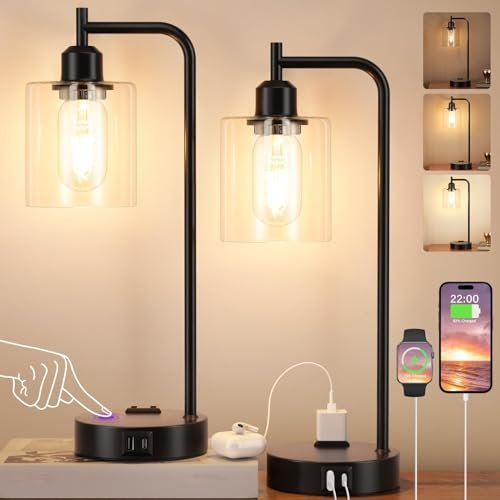
Industrial style has stayed popular for years because it’s honest, durable, and full of character. Born from converted warehouses and factories, it celebrates raw materials — metal, wood, exposed hardware — in a way that feels grounded and timeless rather than fussy. Industrial-style furniture brings that rugged, urban-loft character into any home. This guide covers what defines the style, the key pieces, and how to use it without your home feeling like a cold factory.
Also Read



What Defines Industrial Style Furniture
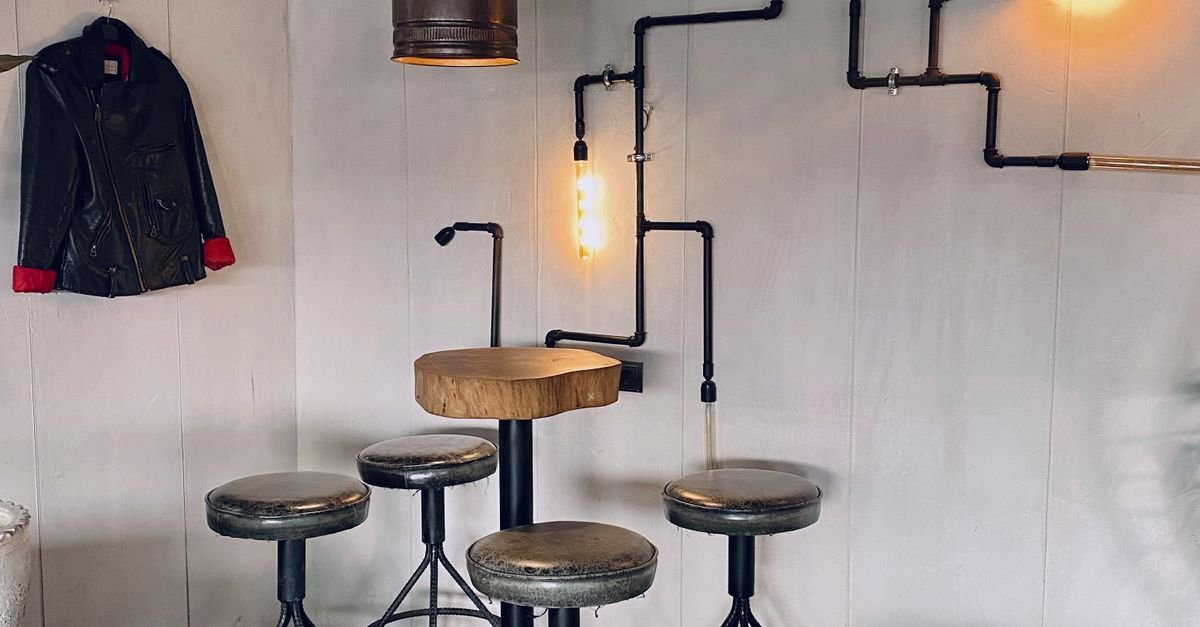
Industrial furniture is built around raw, utilitarian materials and visible construction. The hallmarks are a mix of metal and reclaimed or distressed wood, exposed hardware (bolts, brackets, rivets), dark and neutral tones (black, grey, brown, gunmetal), and simple, sturdy, functional forms. Think metal-framed tables with thick wood tops, pipe-style shelving, and pieces that look honest about how they’re made. The beauty is in the materials and craftsmanship, not ornamentation.
Key Industrial Furniture Pieces
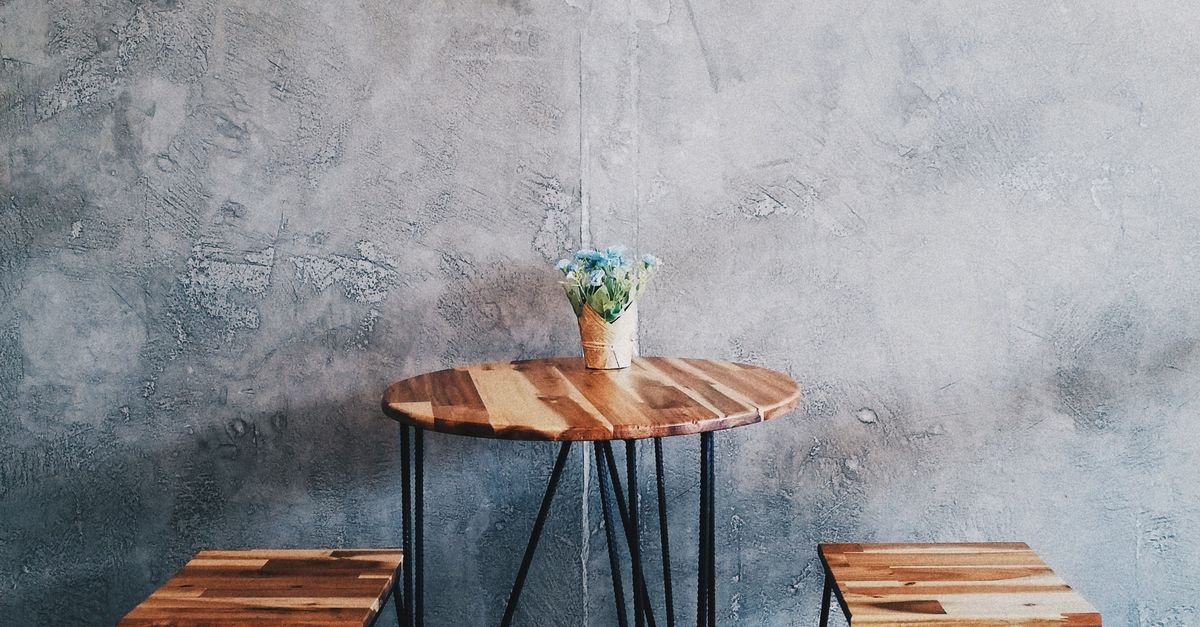
- Metal-and-wood dining or coffee tables — a thick wooden top on a black metal frame is the quintessential industrial piece.
- Pipe and metal shelving — open shelving with metal brackets or pipe supports, ideal for display and storage with that workshop look.
- Metal-frame chairs and stools — bar stools and dining chairs in metal (sometimes with wood or leather seats) are an easy way to add the style.
- Storage with a utilitarian look — metal lockers, cabinets, and consoles that feel pulled from a workshop or factory.
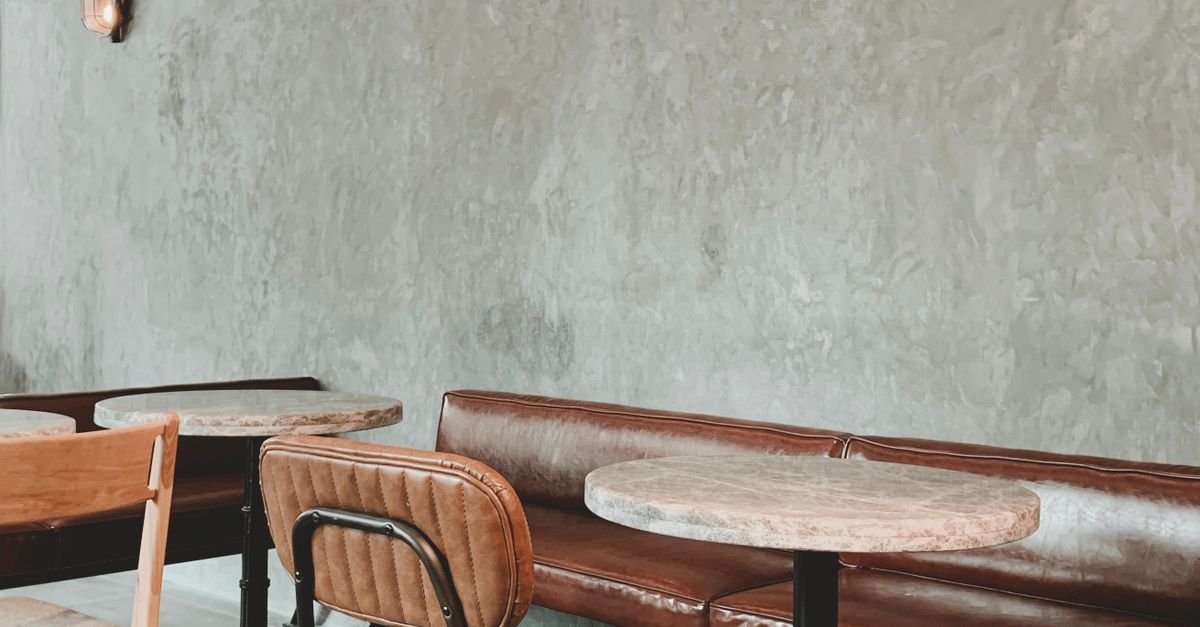
- Leather seating — aged or distressed leather sofas and armchairs pair beautifully with industrial materials and add warmth.
- Exposed-bulb and metal lighting — not furniture exactly, but Edison-bulb fixtures and metal pendants complete the look.
Materials That Make the Style
The materials are the whole point. Reclaimed or distressed wood brings warmth, history, and texture — the imperfections are a feature. Metal (steel, iron, gunmetal) provides the rugged, structural backbone. Leather, especially aged, softens the hardness and adds richness. Concrete accents (table tops, planters) reinforce the raw aesthetic. Mixing these textures — rough wood, cold metal, soft leather — is what gives industrial spaces their depth and appeal.
How to Use Industrial Style Without It Feeling Cold
The biggest risk with industrial style is a space that feels hard, dark, and unwelcoming — like an actual factory. The fix is balance:
- Add warmth with wood and leather rather than going all-metal.
- Layer in soft textures — rugs, cushions, throws, and curtains — to counter the hard surfaces.
- Bring in greenery — plants soften the look and add life against raw materials.
- Use warm lighting — warm-toned bulbs and lamps keep the space inviting.
- Mix in a few warmer or refined pieces so it reads “curated loft,” not “unfinished warehouse.”
Industrial style works best as a balanced blend, not a literal recreation of a factory floor.
As an Amazon Associate, HomeNeeds24 earns from qualifying purchases.
Industrial Style Room by Room
The style adapts across the home. In the living room, anchor with a metal-and-wood coffee table, leather seating, and pipe shelving. In the kitchen or dining area, metal bar stools, a reclaimed-wood table, and open metal shelving shine. A home office suits a metal-frame desk and locker-style storage. Even a bedroom can take a touch — a metal bed frame or industrial nightstands — softened with cozy bedding. You don’t have to commit the whole house; a few well-chosen industrial pieces add character to any room.
Mixing Industrial With Other Styles
Industrial blends well with other looks, which is part of its appeal. Industrial + modern gives a sleek, minimal-but-warm result; industrial + rustic (farmhouse) doubles down on wood and warmth; industrial + Scandinavian balances the rawness with light, clean simplicity. Using industrial as an accent within another style — a metal-and-wood console in an otherwise modern room, say — is an easy, low-commitment way to get the character without going full warehouse.
Is Industrial Style Right for Your Home?
Industrial style suits you if you love raw, honest materials, durable furniture, and a grounded, characterful look with a bit of urban edge. It’s especially at home in open-plan spaces, lofts, and rooms with exposed brick or beams — but works anywhere with the right balance. If you prefer soft, ornate, or very light-and-airy interiors, you might use it only as an accent. The key is to embrace the materials while balancing them with warmth, so the result feels like a stylish, lived-in loft rather than a cold factory.
Frequently Asked Questions
What is industrial style furniture?
Furniture built from raw, utilitarian materials — metal and reclaimed/distressed wood with exposed hardware, in dark neutral tones and simple sturdy forms — inspired by warehouses and factories.
How do I keep an industrial room from feeling cold?
Balance the hard materials: add wood and leather for warmth, layer in rugs, cushions and throws, bring in plants, and use warm lighting. Aim for “curated loft,” not literal factory.
What materials define industrial style?
Metal (steel, iron), reclaimed or distressed wood, aged leather, and concrete accents. Mixing these textures gives industrial spaces their signature depth.
Can I mix industrial with other styles?
Yes — it blends well with modern (sleek and warm), rustic/farmhouse (cozy), and Scandinavian (light and clean). Using a few industrial pieces as accents is an easy way to add the look.
Key Takeaways
- Industrial style centers on raw materials — metal, reclaimed wood, exposed hardware, dark neutrals.
- Key pieces: metal-and-wood tables, pipe shelving, metal chairs/stools, utilitarian storage, and leather seating.
- Balance the hardness with wood, leather, soft textures, plants, and warm lighting.
- It works room by room and as an accent — you don’t have to commit the whole home.
- It blends well with modern, rustic, and Scandinavian styles.
Industrial style brings honest materials, durability, and timeless character into the home — as long as you balance the raw with the warm. Choose a few strong pieces, mix your textures, and keep it inviting. For more ideas, visit our home decor guides and the full Furniture collection.

I'm Nasir Uddin Khan, founder of HomeNeeds24 and a senior IT consultant with 18+ years' experience in Oracle database administration, enterprise infrastructure and ERP system design. I write the buying guides here and I build every calculator on the site myself, from published engineering standards rather than opinion. My research is structured rather than lab-based: manufacturer specifications, safety and efficiency standards, and the trade-offs that repeat across large volumes of verified customer reviews. Where I have direct hands-on experience — smart home, networking, energy and anything computer-adjacent — I say so in the guide.