
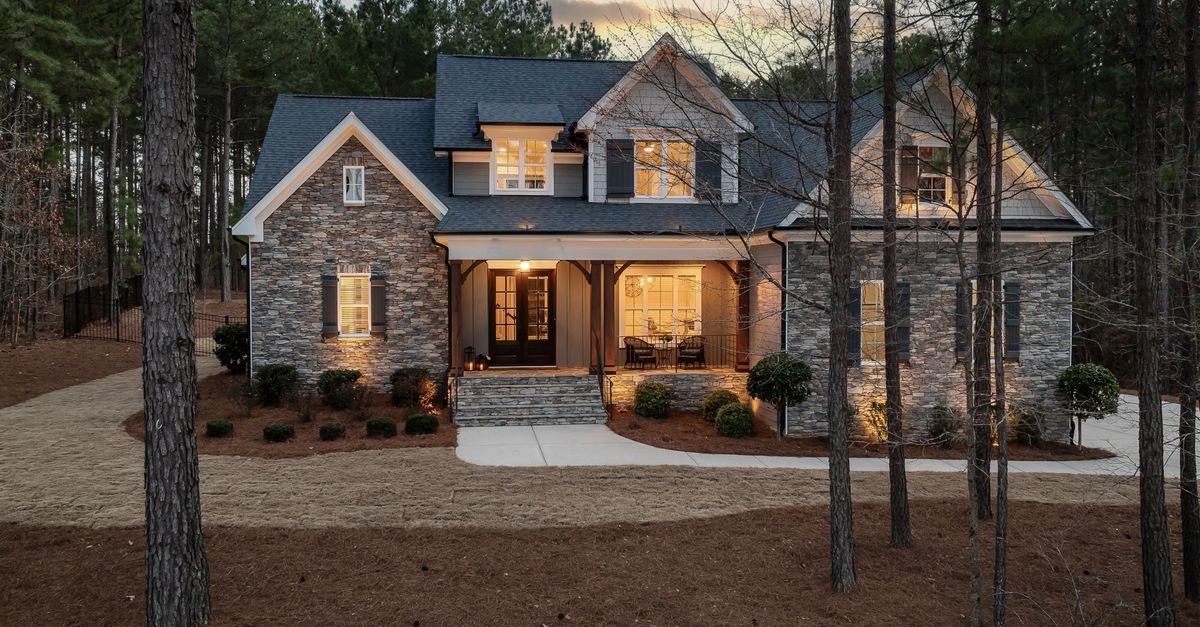
Outdoor security lighting works by killing the two things burglars need — darkness to approach in and confidence nobody’s watching — and it does both with a simple recipe: motion-activated lights at every entry and dark corner (mounted 8–10 feet up, aimed across paths rather than at them), steady ambient light where people legitimately walk, and dark-sky manners so the security doesn’t blind the neighbors or wash out your own cameras.
Also Read
This is the complete security lighting guide: the placement map, motion vs. dusk-to-dawn vs. smart decided honestly, wiring vs. solar by location, the camera-lighting relationship nobody explains, and the install tiers from plug-in to hardwired.
Key Takeaways
- Motion lights are psychological weapons: the sudden spotlight says “you’ve been noticed” — and burglars overwhelmingly avoid noticed.
- The placement map: every entry door, the garage face, dark side-yards and gates, and the path between street and door.
- Mount 8–10 feet high, sensor aimed ACROSS the approach path and slightly down — side-crossing motion triggers best, and height defeats tampering.
- Warm-white moderate brightness beats blinding floods: glare creates shadows to hide in and angry neighbors; even light beats bright light.
- Solar works where sun does: south-facing, unshaded mounts — and hardwired or plug-in everywhere reliability actually matters.
- Lights and cameras are a system: constant dim plus motion-boost gives cameras a lit subject instead of a lens-flare ghost.
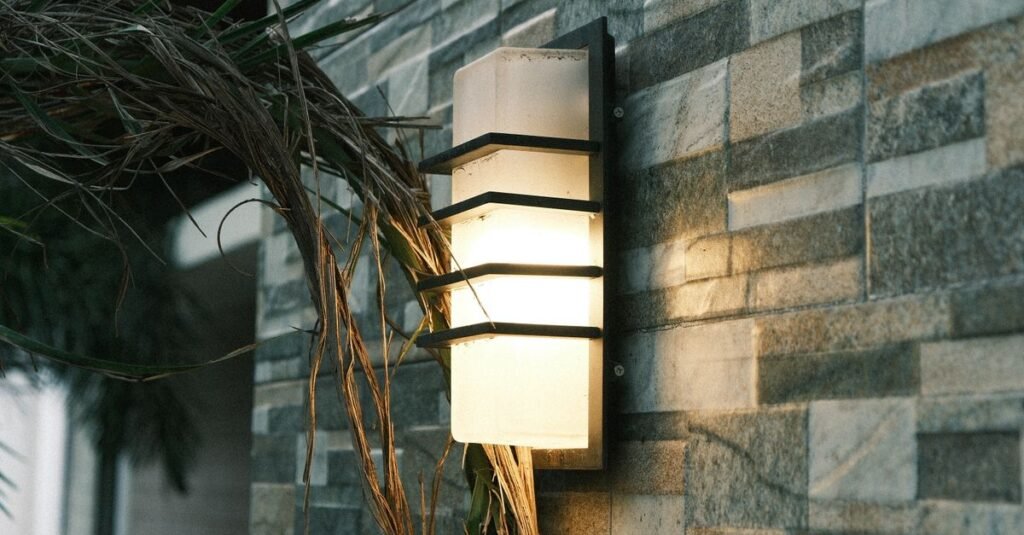
Why Lighting Deters (The Honest Mechanism)
Burglars interview like anyone else, and the research consensus from those interviews is consistent: they avoid houses where approach means exposure. Lighting doesn’t physically stop anyone — it removes the anonymity that makes the attempt worth it, especially the sudden, targeted exposure of a motion flood snapping on mid-approach.
The corollary that shapes this whole guide: light only deters where being SEEN is plausible — a floodlit yard no neighbor or camera can observe just helps the burglar work accurately. Lighting works as part of a noticing system: sightlines, cameras, neighbors — the same layered logic as our break-in prevention guide.
The Placement Map (Where Light Actually Earns)
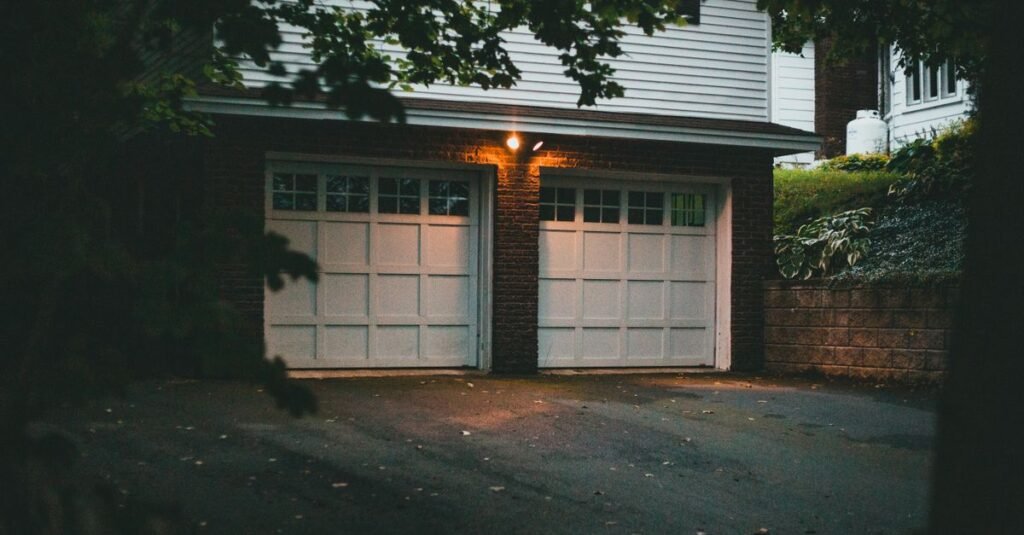
Priority one — entries: front door, back door, patio slider. A person at any door after dark should be lit well enough to describe. Priority two — the garage face and driveway: the widest approach and the most valuable contents; one well-aimed motion flood covers both. Priority three — the dark circuit: side yards, gates, basement window zones, the shadowed strip between houses — the routes burglars actually use precisely BECAUSE nobody lights them. Priority four — the legitimate paths: steady, warm, lower-level light from street to door (path lights, porch sconce) so family and guests never walk in darkness — safety lighting that doubles as occupancy signaling.
The aiming craft, straight from the This Old House install below: mount 8–10 feet high (above tamper reach, wide coverage), point sensors ACROSS the likely approach rather than head-on (PIR sensors detect side-crossing heat best), angle slightly downward, and keep sensors away from the street, HVAC exhaust, and big shrubs — the three classic false-trigger factories.
Fixture Types, Decided Honestly
Motion floods: the security workhorse — dark until triggered, dramatic when lit. Modern LED versions sip power and last years; look for adjustable sensitivity, timeout duration, and lux (darkness) threshold, the three dials that end false-alarm season.
Dusk-to-dawn fixtures: steady all-night light for entries and the garage face — consistent, camera-friendly, zero drama. LED running costs make all-night affordable; warm color keeps it neighborly.
The hybrid — the quiet best-of-both: fixtures (and smart bulbs) that hold a low ambient glow all night and surge to full on motion. Paths stay walkable, cameras stay fed, and the surge still startles — the configuration this guide recommends for entries and driveways.
Smart lighting: everything above plus schedules, phone alerts, camera integration (“light on = clip recorded”), vacation randomization, and scene ties to the rest of the security stack. Worth it when you’ll actually use the app; unnecessary for a sensor light doing its one job well.
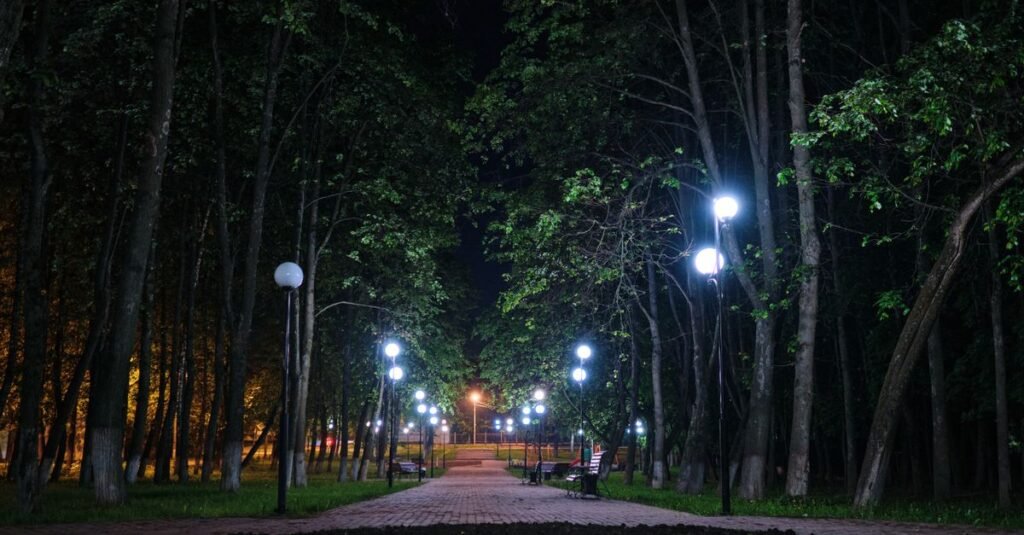
Decorative path and landscape lights: real contributors when warm and even — they eliminate the shadow pools burglars cross between — and pure ambiance when scattered as glare spots. Even, modest, continuous beats bright, patchy, dramatic.
Power: Hardwired, Plug-In, Solar, Battery
Hardwired: the reliability tier for the priority-one map — replacing an existing porch or flood fixture is approachable DIY territory (breaker OFF, per the video), while new circuits and switch legs earn an electrician. Plug-in: underrated — a motion flood on an exterior GFCI outlet delivers hardwired reliability with renter-grade installation.
Solar: honest where sun is honest — south-facing, unshaded mounts charge fully and perform; under eaves and north walls they fade by 2 a.m. exactly when it matters. Use solar for the dark-circuit corners and paths where wiring is impractical; buy units with replaceable batteries and clean the panels seasonally.
Battery motion lights: the gap-fillers — sheds, gates, interior closets — brilliant for coverage, dependent on your recharge discipline. Put battery checks on the same seasonal calendar as the smoke detectors and the whole map stays lit.
Lights and Cameras (The System Nobody Explains)
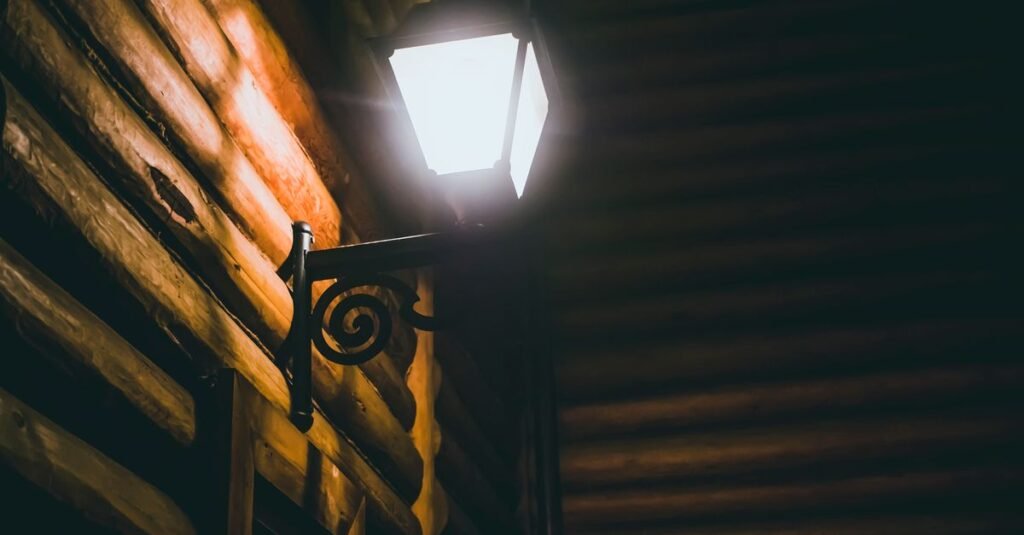
Cameras and lighting are one purchase decision wearing two boxes. Night-vision-only cameras see grainy infrared ghosts; a camera with modest constant lighting sees faces and colors. But a flood aimed AT a camera blinds it with flare, and total darkness between motion events leaves gaps.
The working recipe: low ambient light in the camera’s view all night (the hybrid fixtures, a dimmed porch light), motion floods positioned OFF-AXIS from the lens (lighting the subject, not the sensor), and triggers coordinated so the light fires before or with the recording — which integrated floodlight-cameras and smart ecosystems handle natively, and which manual setups approximate with overlapping sensor zones.
The doorbell corollary: the porch fixture’s steady warm light is half your doorbell camera’s image quality — and the reason porch lights on timers remain the oldest good advice in this genre.
Good-Neighbor Lighting (Bright Isn’t the Goal)
The over-lighting trap: blinding floods create hard shadows (hiding spots with better contrast), glare that defeats your own and neighbors’ cameras, light-trespass disputes, and washed-out sky. The better spec: moderate lumens, warm color temperature (3000K-ish reads neighborly and renders faces on camera better than blue-white), shields or aim keeping beams on YOUR property, and motion timeouts of a few minutes rather than all-night blaze.
Even, layered, warm light across the property reads “occupied and attentive” from the street — which is the exact message this entire category exists to send. Bright is a spec; noticed is the strategy.
The Weekend Install Plan (From Box to Lit in One Day)
Morning — the audit walk: at dusk the evening before, circle the property noting every shadow pool and unlit approach; that map IS the shopping list. Mid-morning — the priority installs: replace the existing porch and garage fixtures with hybrid motion units (breaker off, wires matched, per the This Old House sequence above — genuinely a first-timer job on existing boxes), and stake solar units along the dark circuit while the wiring settles.
Afternoon — the tuning hour, which decides everything: walk every approach as an intruder would and adjust sensor aim until YOU trigger reliably at the right distance; set timeouts to a few minutes; dial sensitivity down until the neighbor’s cat stops running the light show; and check every camera view after dark for flare and dead zones.
The seasonal maintenance that keeps the map lit: lenses and solar panels wiped each season, sensor aim re-checked after storms, batteries on the smoke-detector calendar, and the dusk walk repeated once a year — landscaping grows, and last year’s coverage quietly develops this year’s shadows.
Frequently Asked Questions
Do security lights actually deter burglars?
As part of a noticing system, yes — sudden motion lighting removes the anonymity burglars rely on, and interviews consistently show they avoid exposure. Pair lights with sightlines, cameras, or neighbors who can see; light nobody observes helps no one.
Where should motion sensor lights be placed?
Every entry door, the garage/driveway face, and the dark side-yard routes — mounted 8–10 feet high, sensors aimed across the approach path and slightly down, away from streets, vents, and shrubs that false-trigger.
Are solar security lights any good?
Where their panels get real sun, genuinely — ideal for gates, paths, and corners where wiring is impractical. Under eaves and on north walls they fade overnight; keep hardwired or plug-in fixtures on the doors and driveway.
Should security lights stay on all night or use motion sensors?
Both, in layers: low steady warm light on entries and paths (walkable, camera-friendly, occupied-looking) with motion surge for the startle effect. Hybrid fixtures do exactly this in one unit.
What color and brightness should outdoor security lights be?
Warm white around 3000K at moderate brightness — even coverage without glare beats blinding floods, which create shadows, blind cameras, and start neighbor wars. Aim and shield beams onto your own property.
Do security lights help cameras see better?
Dramatically — constant low light turns grainy infrared into usable color footage. Position floods off-axis so they light the subject rather than flaring the lens, or buy integrated floodlight-cameras that coordinate natively.
Renter and HOA Editions (Lighting Within the Rules)
No wiring rights? The renter’s lighting kit mirrors the security one: plug-in motion floods on exterior GFCI outlets (hardwired performance, zero holes), battery and solar motion units on adhesive or clamp mounts for doors and dark corners, smart bulbs in EXISTING porch fixtures (motion-ish behavior via schedules and camera triggers, installed by screwing in a bulb), and stake path lights that move out when you do. The landlord letter still matters most: dead building lights and dark stairwells are habitability issues — documented requests get bulbs replaced at someone else’s cost.
HOA territory inverts the problem: rules govern fixture style, color temperature, and light trespass rather than holes. The compliance kit: warm-white only (most codes specify), shielded full-cutoff fixtures (light down, not out), motion timeouts under a few minutes, and the pre-purchase architectural-request email that turns enforcement committees into allies. Dark-sky-friendly fixtures — shielded, warm, aimed — usually sail through AND out-deter the glare bombs they replace, because even light beats bright light everywhere it matters.
Both editions share the golden constraint: you can always add NOTICING without adding CONSTRUCTION — and noticing was the product all along.
The Fixture-Buying Checklist (Five Minutes at the Shelf)
Lumens matched to job — moderate for entries and paths, higher only for driveway floods; color temperature stated and warm (around 3000K); motion specs adjustable on all three dials (sensitivity, timeout, lux threshold); weather rating real (wet-rated for exposed mounts, damp-rated under eaves); LED lifespan claims paired with an actual warranty; and — for the smart tier — integration named explicitly for YOUR ecosystem, not “works with everything” vagueness.
The install-kit additions that save a second trip: exterior-rated wire nuts, silicone sealant for the mount plate, a voltage tester (the five-dollar tool that makes breaker-off verifiable), and bulbs or units bought in pairs — matched fixtures age together and swap instantly.
The spend map: hardwired hybrid units at the entries earn the mid-premium; solar economy models serve the dark circuit where failure costs little; and the savings skip the designer-fixture tax entirely at the garage face, where nobody admires the hardware and everybody benefits from the beam. Buy the map, not the catalog — the audit walk already wrote the list.
The One-Evening Version
Everything on this page compresses to a single dusk hour if that is the budget: walk the property at dark, note the three worst shadows, put a plug-in motion flood on the main approach and solar units on the other two, and set the porch light on a warm dusk-to-dawn bulb. Under a hundred dollars, no wiring, and the house graduates from unlit to noticed in one evening — the full map can follow whenever the weekend does.
The closing measurement: stand at the street after installation and look at your home as a stranger — if every approach is visible, every entry lit warm, and nothing glares, the map is done; what a burglar reads from that same sidewalk is exactly what you just built: a house where arrival gets noticed.
The Bottom Line
Security lighting is a map, not a wattage: entries and driveway lit steady-warm, dark routes booby-trapped with motion, sensors mounted high and aimed across, cameras fed instead of blinded — all at brightness the neighbors bless.
The message it broadcasts is the entire product: someone here notices. Deliver that from every approach, and the people this page is about quietly choose a different street.

I'm Nasir Uddin Khan, founder of HomeNeeds24 and a senior IT consultant with 18+ years' experience in Oracle database administration, enterprise infrastructure and ERP system design. I write the buying guides here and I build every calculator on the site myself, from published engineering standards rather than opinion. My research is structured rather than lab-based: manufacturer specifications, safety and efficiency standards, and the trade-offs that repeat across large volumes of verified customer reviews. Where I have direct hands-on experience — smart home, networking, energy and anything computer-adjacent — I say so in the guide.