
Have you ever wondered how much your daily choices affect the planet? Reducing your carbon footprint at home isn’t just a smart idea—it’s a powerful way to make a real difference.
Also Read



Imagine saving money on bills while helping the environment at the same time. You’ll discover simple, practical steps you can take right now to shrink your impact. Ready to transform your home into a greener, cleaner space? Let’s get started.
Energy Efficient Living
Energy efficient living helps reduce your home’s carbon footprint. Saving energy means using less fuel and cutting pollution. Simple changes can make a big difference in your daily life. These steps save money and protect the environment.
Switching To Led Lighting
LED bulbs use much less energy than traditional bulbs. They last longer, so you buy fewer replacements. LED lights produce less heat, which lowers cooling costs. Changing to LED lighting is easy and saves money fast.
Using Smart Thermostats
Smart thermostats adjust the temperature automatically. They learn your schedule and save energy when you are away. You can control them from your phone anytime. This reduces wasted heating and cooling, cutting carbon emissions.
Unplugging Idle Electronics
Many devices use power even when off. Unplugging chargers, TVs, and computers stops this “phantom” energy use. This small action lowers electricity bills and reduces pollution. It takes just seconds but saves energy daily.
Credit: renouvo.net
Sustainable Transportation Choices
Choosing better transportation helps cut your home’s carbon footprint. Small changes in how you travel reduce pollution and save energy. These choices also improve air quality and promote health.
Carpooling And Public Transit
Sharing rides with others lowers the number of cars on the road. Carpooling saves fuel and cuts emissions. Public transit like buses and trains moves many people efficiently. Using these options reduces traffic and pollution. It also saves money on gas and parking.
Biking And Walking More
Biking and walking produce zero emissions. They keep you active and healthy. These choices work well for short trips. They reduce noise and help protect the environment. Choosing these methods lowers your carbon footprint quickly.
Electric And Hybrid Vehicles
Electric cars run on clean energy and emit no exhaust. Hybrid cars use less fuel by combining gas and electric power. Both types reduce greenhouse gases. Charging electric vehicles from renewable sources makes them even cleaner. Switching to these cars supports a greener future.
Waste Reduction Tactics
Reducing waste at home lowers your carbon footprint. Less waste means less trash in landfills and less pollution. Simple changes in how you manage waste can make a big difference. Focus on ways to cut waste, reuse items, and recycle right.
Composting Organic Waste
Composting turns food scraps and yard waste into rich soil. It stops organic waste from rotting in landfills and releasing methane gas. You can compost fruit peels, vegetable scraps, coffee grounds, and leaves. Use a compost bin or a small pile in your garden. Compost helps your plants grow and reduces the need for chemical fertilizers.
Reducing Single-use Plastics
Single-use plastics add up quickly and harm the environment. Avoid plastic bags, straws, and bottles that you use once and throw away. Choose reusable bags, metal straws, and refillable water bottles. Carry your own containers for takeout food. These small actions cut plastic waste and lower pollution.
Recycling Properly
Recycling saves resources and energy. Sort your recyclables carefully to avoid contamination. Clean containers and remove lids before recycling. Check local rules to know what materials are accepted. Proper recycling keeps valuable materials in use and reduces landfill waste.
Credit: www.hiveenergy.co.uk
Water Conservation Methods
Saving water at home helps reduce your carbon footprint. Water treatment and heating use energy. Using less water lowers energy use and pollution. Simple actions can make a big difference in water conservation.
Fixing Leaks Promptly
Leaky faucets waste gallons of water daily. Even small drips add up over time. Fix leaks quickly to stop water loss. Check pipes, taps, and toilets regularly. Repairing leaks saves water and lowers bills.
Installing Low-flow Fixtures
Low-flow showerheads and faucets use less water. They keep water pressure good but reduce water use. Installing these fixtures cuts water waste. They are affordable and easy to fit. A small change that saves lots of water.
Collecting Rainwater
Rainwater is free and clean for many uses. Collect it with barrels or tanks outside. Use rainwater to water plants and gardens. This reduces demand on tap water. Rainwater harvesting helps save both water and energy.
Eco-friendly Home Improvements
Making your home eco-friendly helps cut carbon emissions. Simple changes save energy and money. These improvements create a healthier living space. Small steps add up to big impacts.
Insulating For Efficiency
Good insulation keeps heat inside during winter. It blocks heat out in summer. This reduces the need for heating and cooling. Walls, attics, and floors need proper insulation. Sealing gaps around windows and doors stops drafts. Insulation lowers energy bills and carbon footprint.
Using Renewable Energy Sources
Solar panels capture sunlight to make electricity. They reduce reliance on fossil fuels. Installing solar panels cuts energy costs over time. Wind turbines work well in windy areas. Renewable energy is clean and sustainable. It helps homes run on green power.
Choosing Sustainable Materials
Use materials that come from natural sources. Bamboo, reclaimed wood, and recycled metal are good choices. These materials reduce waste and pollution. Avoid plastics and products with harmful chemicals. Sustainable materials last longer and support the planet. They make your home greener and safer.
Smart Food Choices
Smart food choices help lower your home’s carbon footprint. Food production creates a lot of emissions. Changing what you eat can make a big difference.
Choosing foods that need less energy and resources saves the planet. Small changes add up over time. Your meals can protect the earth and improve health too.
Eating More Plant-based Meals
Plant-based meals use less water and land. They produce fewer greenhouse gases than meat. Eating vegetables, fruits, grains, and beans reduces carbon emissions.
Try having a few meat-free days each week. Experiment with tasty plant dishes. This cuts your carbon footprint and supports sustainable farming.
Buying Local And Seasonal
Local food travels shorter distances. This lowers pollution from transport. Seasonal foods grow naturally at certain times. They need less energy to grow and store.
Visit farmers markets or local stores. Choose fruits and vegetables in season. This helps local farmers and reduces waste from long shipments.
Reducing Food Waste
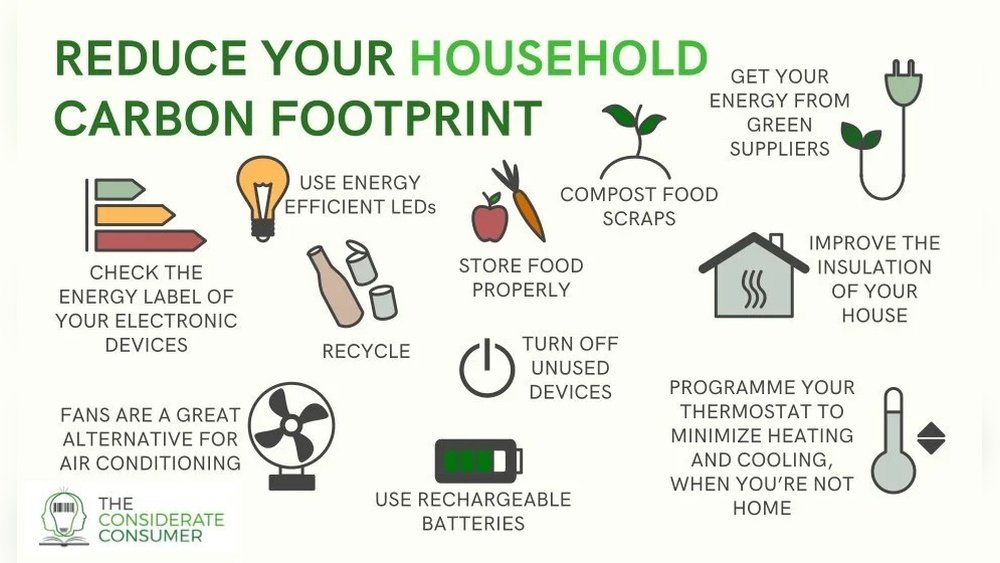
Wasting food wastes resources like water and energy. Plan your meals and shop with a list. Store food properly to keep it fresh longer.
Use leftovers creatively or freeze extra portions. Compost scraps to return nutrients to the soil. Less food waste means fewer emissions and saves money.
Credit: www.considerate-consumer.com
Frequently Asked Questions
What Are Simple Ways To Reduce Home Carbon Footprint?
Start by using energy-efficient appliances and LED bulbs. Reduce water heating temperature and unplug devices when not in use. Compost organic waste and recycle regularly. Use public transport or carpool to cut emissions from commuting.
How Does Home Insulation Lower Carbon Emissions?
Proper insulation reduces heating and cooling needs. This cuts energy consumption and greenhouse gas emissions. It keeps your home comfortable year-round and lowers utility bills. Insulate walls, roofs, and windows for best results.
Can Renewable Energy Reduce Home Carbon Footprint?
Yes, installing solar panels or wind turbines cuts reliance on fossil fuels. Renewable energy produces clean power and lowers carbon emissions. It also saves money on electricity bills over time. Consider government incentives for installation.
Why Should I Reduce Water Usage At Home?
Lower water use means less energy to pump, heat, and treat water. This reduces your home’s carbon footprint. Fix leaks, use water-efficient fixtures, and collect rainwater for gardening. Small changes add up to significant savings.
Conclusion
Reducing your carbon footprint at home helps protect the planet. Small changes add up and make a difference. Save energy by turning off lights and using efficient appliances. Choose reusable items to cut down waste. Plant trees or grow a small garden for cleaner air.
These actions lower pollution and save money too. Everyone can take steps to live greener. Start today and see the positive impact grow. Your home can become part of the solution. Simple habits create a healthier future for all.
Recommended on Amazon
Browse top-rated, popular options for this topic:
As an Amazon Associate, HomeNeeds24 earns from qualifying purchases.

I'm Nasir Uddin Khan, founder of HomeNeeds24 and a senior IT consultant with 18+ years' experience in Oracle database administration, enterprise infrastructure and ERP system design. I write the buying guides here and I build every calculator on the site myself, from published engineering standards rather than opinion. My research is structured rather than lab-based: manufacturer specifications, safety and efficiency standards, and the trade-offs that repeat across large volumes of verified customer reviews. Where I have direct hands-on experience — smart home, networking, energy and anything computer-adjacent — I say so in the guide.