
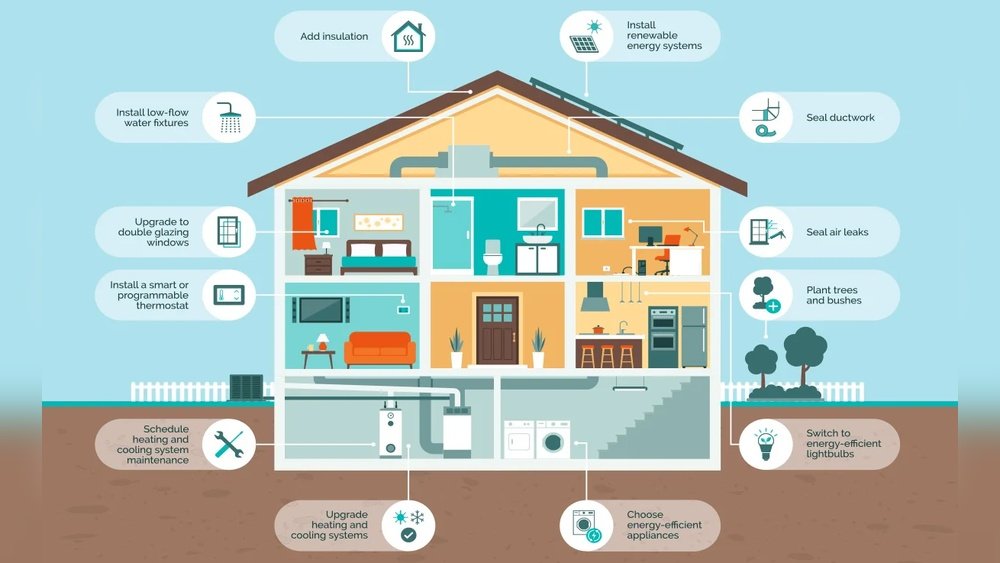
Are you ready to make your home healthier, save money, and protect the planet—all at the same time? Eco-friendly home improvements let you do just that.
Also Read



By making smart changes, you can reduce energy bills, create a cozy living space, and feel good about your impact on the environment. Imagine your home becoming a place where comfort meets sustainability. Keep reading to discover simple, effective ways you can transform your home into an eco-friendly haven without stress or big costs.
Your journey to a greener, smarter home starts here.
Credit: about.oceanstatejoblot.com
Benefits Of Eco-friendly Homes
Eco-friendly homes offer many advantages beyond helping the planet. They improve daily life and save money. Choosing green upgrades makes a home better for everyone living in it.
These homes use less energy and reduce waste. They create a cleaner, safer space inside. Homeowners often see a rise in their property’s worth too.
Lower Energy Bills
Eco-friendly homes use energy-efficient appliances and insulation. This cuts down the need for heating and cooling. Less energy use means smaller monthly bills. Saving money on utilities frees up cash for other needs.
Healthier Living Environment
Green homes use non-toxic materials and better air filters. This lowers indoor pollution and allergens. Clean air helps reduce allergies and breathing problems. Natural light and good ventilation improve mood and sleep.
Increased Property Value
Eco-friendly features attract buyers looking for savings and comfort. Energy-efficient homes often sell faster and at higher prices. Upgrades like solar panels and smart thermostats add value. Investing in green improvements benefits homeowners long term.
Sustainable Materials For Renovation
Choosing sustainable materials for home renovation helps protect the environment. These materials reduce waste and use fewer natural resources. They also create healthier living spaces by lowering harmful chemicals. Sustainable materials often last longer and save money over time. Here are some popular eco-friendly options for your next renovation.
Recycled And Reclaimed Wood
Recycled and reclaimed wood comes from old buildings and furniture. Using this wood prevents deforestation and reduces landfill waste. Each piece has unique character and history. It offers a warm, natural look that new wood can’t match. This wood is perfect for flooring, furniture, and beams.
Low-voc Paints
Low-VOC paints release fewer harmful chemicals into the air. They improve indoor air quality and reduce health risks. These paints come in many colors and finishes. They dry quickly and cover well. Choosing low-VOC paint helps protect your family and the planet.
Bamboo And Cork Flooring
Bamboo and cork are fast-growing, renewable flooring options. Bamboo is strong and looks like hardwood. Cork is soft, comfortable, and naturally resistant to mold. Both materials are easy to install and maintain. They provide eco-friendly alternatives for stylish floors.
Energy-efficient Upgrades
Energy-efficient upgrades help lower your home’s power use. They reduce bills and create a greener space. Simple changes bring big benefits. These upgrades improve comfort and add value to your home.
Solar Panels Installation
Solar panels capture sunlight and turn it into electricity. They cut down on electricity costs and pollution. Installing panels increases your home’s energy independence. Many homes benefit from solar energy every day.
Led Lighting Solutions
LED lights use much less energy than regular bulbs. They last longer and save money on power bills. LEDs come in many styles and colors. Switching to LED lighting is a quick way to save energy.
High-performance Windows
High-performance windows keep heat inside during winter and out in summer. They reduce the need for heating and cooling. These windows block drafts and improve home comfort. Upgrading windows helps save energy year-round.
Water Conservation Techniques
Saving water at home helps protect the environment and lowers bills. Water conservation techniques use simple tools and habits to reduce water waste. These methods fit any home and make a big difference over time.
Low-flow Fixtures
Low-flow fixtures use less water without losing pressure. Faucets, showerheads, and toilets can save up to 50% water. These fixtures help reduce water use daily. They are easy to install and cost less in the long run.
Rainwater Harvesting Systems
Rainwater harvesting collects rain from roofs and stores it. This water can water plants or clean outdoor spaces. It lowers the demand for tap water. Systems range from simple barrels to larger tanks.
Smart Irrigation
Smart irrigation uses technology to water plants only when needed. Sensors check soil moisture and weather to avoid overwatering. These systems save water and keep gardens healthy. They adjust watering times automatically for best results.
Eco-friendly Heating And Cooling
Eco-friendly heating and cooling help reduce energy use and lower bills. They protect the environment by cutting down on harmful emissions. These methods keep homes comfortable all year while saving money.
Geothermal Systems
Geothermal systems use the earth’s steady temperature to heat and cool homes. Pipes run underground to move heat in or out. This system uses less electricity than traditional heaters or air conditioners. It lasts long and needs little maintenance.
Programmable Thermostats
Programmable thermostats let you set temperatures for different times. They lower heating or cooling when you are away. This saves energy without losing comfort. Many models are easy to use and affordable.
Natural Ventilation
Natural ventilation uses windows, vents, and fans to move air inside. It cools the home without machines. Good air flow removes heat and brings fresh air. It works best in mild climates and during cool nights.
Waste Reduction Strategies
Reducing waste at home helps the environment and cuts costs. Small changes in daily habits can lower the amount of trash produced. Waste reduction is a smart and simple way to support eco-friendly living. It keeps landfills smaller and saves natural resources.
Composting At Home
Composting turns food scraps into rich soil for plants. It reduces organic waste that fills landfills and creates methane gas. Kitchen waste like vegetable peels, coffee grounds, and eggshells can all be composted. Composting bins are easy to use and fit in small spaces. This method helps gardens grow without chemical fertilizers.
Recycling Programs
Recycling programs help sort and reuse materials like paper, plastic, and metal. Check local rules to know what can be recycled in your area. Clean and dry items before placing them in recycling bins. Recycling reduces the need to make new products from raw materials. It saves energy and lowers pollution from factories.
Minimalist Design Choices
Minimalism means using fewer items and choosing quality over quantity. It reduces waste by cutting down on unnecessary purchases. Select durable furniture and decor that last longer and need less replacement. Simple designs often use fewer materials and create less trash. Minimalist homes are easier to clean and organize, promoting less clutter.
Smart Home Technology For Sustainability
Smart home technology helps save energy and supports a green lifestyle. It makes homes more efficient and easier to manage. Small changes in technology can lower energy use and reduce bills. This technology fits well into eco-friendly home improvements.
Energy Monitoring Devices
Energy monitoring devices track electricity use in real time. They show which appliances use the most power. This helps homeowners make smarter energy choices. With clear data, people can cut waste and save money. These devices also spot unusual power use, helping prevent energy loss.
Automated Lighting Controls
Automated lighting controls turn lights on and off based on need. Sensors detect when rooms are empty and switch off lights. Timers can set lights to match daily routines. This reduces wasted energy from lights left on. Smart lighting also adjusts brightness to save power.
Smart Appliances
Smart appliances use less energy than traditional ones. They operate efficiently by adjusting settings to save power. Some can run during off-peak hours, lowering energy costs. These appliances often have energy-saving modes. They make daily tasks easier and greener.
Credit: www.tvwindows.com
Landscaping With Native Plants
Landscaping with native plants helps create a garden that fits the local environment. These plants need less water and care. They support local wildlife and improve soil health. Native plants make your yard beautiful and eco-friendly.
Drought-tolerant Species
Choose plants that survive with little water. Drought-tolerant species save water and reduce garden maintenance. They thrive in dry seasons without extra watering. These plants keep your garden green and healthy all year.
Pollinator Gardens
Plant flowers that attract bees, butterflies, and birds. Pollinator gardens help these insects find food and shelter. They improve the health of your garden and nearby farms. Bright flowers and herbs work well in pollinator gardens.
Organic Mulching
Use natural materials like leaves, straw, or wood chips to cover soil. Organic mulch keeps moisture in the soil and stops weeds. It breaks down over time, adding nutrients to the earth. Mulching helps plants grow stronger and saves water.
Credit: www.realhomes.com
Frequently Asked Questions
What Are The Best Eco-friendly Home Improvement Ideas?
The best ideas include solar panels, energy-efficient windows, and LED lighting. Use sustainable materials like bamboo and recycled wood. Install water-saving fixtures and improve insulation for energy savings.
How Do Solar Panels Improve Home Energy Efficiency?
Solar panels convert sunlight into electricity, reducing reliance on fossil fuels. They lower energy bills and decrease carbon footprint. Proper installation maximizes energy production and savings over time.
Can Eco-friendly Insulation Reduce Heating Costs?
Yes, eco-friendly insulation like cellulose or sheep’s wool improves thermal efficiency. It keeps homes warmer in winter and cooler in summer. This reduces heating and cooling energy consumption significantly.
What Are The Benefits Of Using Sustainable Building Materials?
Sustainable materials reduce environmental impact and waste. They are often durable, non-toxic, and recyclable. Using them promotes healthier indoor air quality and supports green building practices.
Conclusion
Eco-friendly home improvements save energy and reduce bills. They help protect the environment for future generations. Simple changes like better insulation or LED lights make a big difference. Choosing sustainable materials also supports a healthier home. Small steps add up to a greener lifestyle.
Everyone can contribute to a cleaner planet. Start with easy upgrades today and enjoy lasting benefits. Your home can be both comfortable and eco-friendly. Living green feels good and makes sense.
Recommended on Amazon
Browse top-rated, popular options for this topic:
As an Amazon Associate, HomeNeeds24 earns from qualifying purchases.

I'm Nasir Uddin Khan, founder of HomeNeeds24 and a senior IT consultant with 18+ years' experience in Oracle database administration, enterprise infrastructure and ERP system design. I write the buying guides here and I build every calculator on the site myself, from published engineering standards rather than opinion. My research is structured rather than lab-based: manufacturer specifications, safety and efficiency standards, and the trade-offs that repeat across large volumes of verified customer reviews. Where I have direct hands-on experience — smart home, networking, energy and anything computer-adjacent — I say so in the guide.