
Peel-and-stick wallpaper turned a scary, paste-and-pray job into a rainy-afternoon project — no water tray, no ruined walls, and (on the good brands) no residue when you take it down. That last part is why it’s a renter’s dream. Our top pick for 2026 is Tempaper, which pairs genuinely beautiful designs with an adhesive that behaves.
Also Read



Below are ten wallpapers worth buying this year, sorted by how you’ll use them — best overall, best for renters, best budget, best faux texture, and more. First, a quick guide so you buy the right type and the right amount.
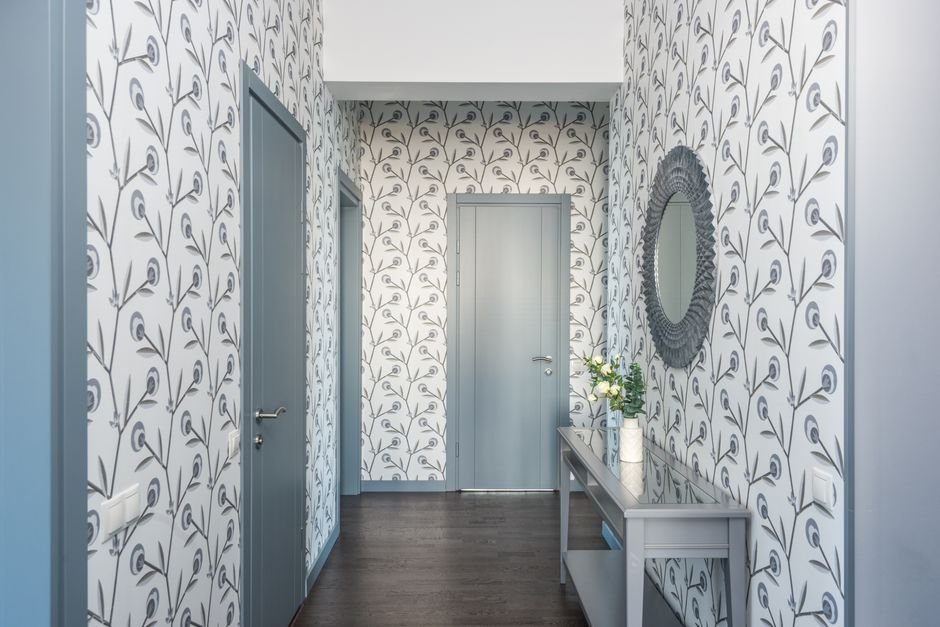
How to choose wallpaper
Peel-and-stick or traditional paste?
The right choice mostly comes down to whether you own or rent.
Peel-and-stick is self-adhesive, repositionable, and removable without residue on good brands — perfect for renters, first-timers and accent walls.
Traditional paste-the-wall is more durable and hides wall flaws better, so it’s the pick for a forever home or a high-traffic room — but it’s a bigger, messier job to hang and remove.
How many rolls do you need?
This is where most people over- or under-buy. Wallpaper is hung in vertical strips, and a pattern repeat adds waste because each strip has to line up with its neighbour.
Don’t guess — measure your wall and work it out with our free Wallpaper Calculator. Enter your wall size, the roll’s dimensions and the pattern repeat, and it tells you exactly how many rolls to order.
Then add one extra roll from the same batch — dye lots vary, and you’ll want spare for mistakes and future repairs.
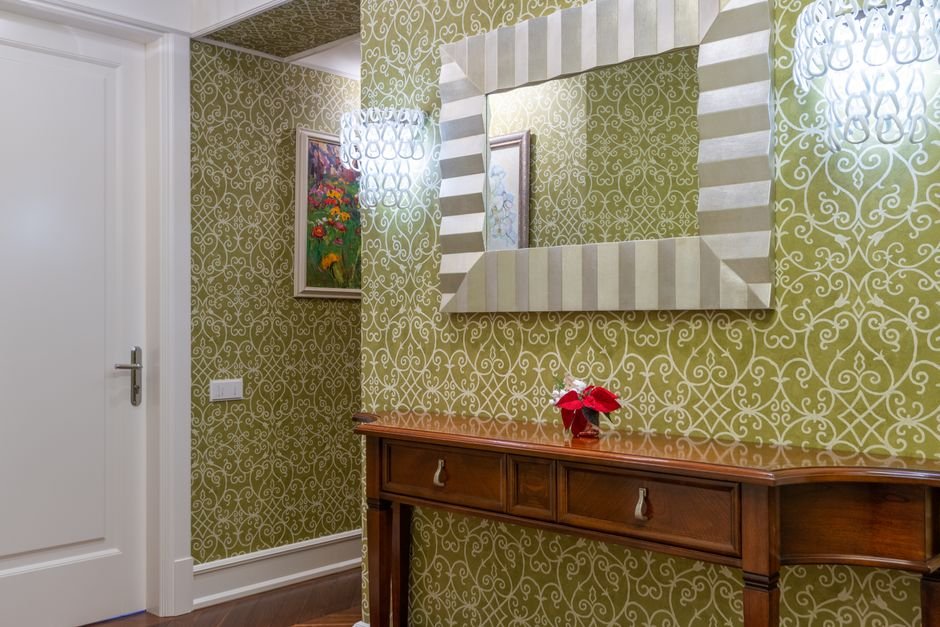
Mind the pattern repeat
A “random match” paper (like some textures and stripes) has almost no waste — you can hang strips anywhere. A large “straight” or “drop match” floral wastes more, because you trim each strip to align the design.
Bigger repeat = more rolls. The calculator above accounts for it so your order is right.
Check your walls first
Peel-and-stick loves a smooth, clean, fully-cured surface. It struggles on heavily textured (orange-peel or knockdown) walls, fresh paint (wait 3–4 weeks), and dusty or glossy surfaces.
Wipe walls down, let them dry, and test a small piece first if you’re unsure.
Budget vs premium — what changes?
The price gap is mostly about adhesive quality, thickness and design.
Premium brands use thicker material that hides seams and wall imperfections, a cleaner-removing adhesive, and licensed or in-house designs you won’t see everywhere. Budget rolls are thinner, can show seams more, and the adhesive is less forgiving on tricky walls.
For a bedroom feature wall you’ll keep for years, premium pays off. For a quick rental refresh or a child’s room you’ll redo soon, a budget roll is perfectly sensible.
Which style suits which room?
A little pattern strategy goes a long way.
Small rooms & hallways feel bigger with light backgrounds and small or vertical patterns. Bedrooms suit soft, calming florals or textures behind the bed. Bathrooms and kitchens want wipe-clean vinyl in moisture-friendly spots.
Bold, large-scale patterns shine on a single accent wall in a living or dining room, where they make a statement without overwhelming the whole space.
How to hang peel-and-stick wallpaper
It’s genuinely a one-person, one-afternoon job on a smooth wall. Here’s the short version:
- Prep the wall. Wipe it clean, let it dry, and make sure any fresh paint has cured for 3–4 weeks.
- Measure and mark. Use a level to draw a faint vertical guide line for your first strip — walls are rarely truly straight.
- Peel a little, stick, and align. Unpeel the top 12 inches, line the strip to your guide, then smooth downward as you peel the backing away.
- Smooth from the centre out. Use a smoothing tool or clean cloth to push bubbles to the edges. Lift and reposition while the adhesive’s fresh if needed.
- Overlap the pattern. Match each new strip’s design to the last, with a slight overlap, then trim top and bottom with a sharp blade against a straightedge.
Take your time on the first strip — every strip after lines up to it.
The best wallpapers for 2026
1. Tempaper — Best overall
Best for: anyone who wants designer looks with a foolproof, safe adhesive.
Tempaper helped invent the category and still leads it — gorgeous patterns, standout textures like faux grasscloth, and an adhesive that’s child-toy-safety certified. It removes cleanly, which is why it’s a renter favourite.
Skip it if you’re on a tight budget — it sits at the premium end.
2. RoomMates — Best for renters
Best for: renters and first-timers who want zero risk to the wall.
RoomMates is easy to apply, easy to reposition, and famously comes off without sticky residue — testers peeled it back cleanly even after a week. A huge range of patterns, widely stocked.
3. NuWallpaper — Best budget
Best for: an affordable accent wall without cheap looks.
NuWallpaper is the most accessible pick — sold at Target and Amazon at friendly prices, with designer collaborations that punch well above their cost. Ideal for a first project.
4. Haokhome — Best pattern selection
Best for: finding a very specific look, from boho to modern geometric.
Haokhome’s enormous catalogue covers nearly every style, usually at a low price. Quality varies a little by design, so read reviews on the exact pattern — but the choice is unbeatable.
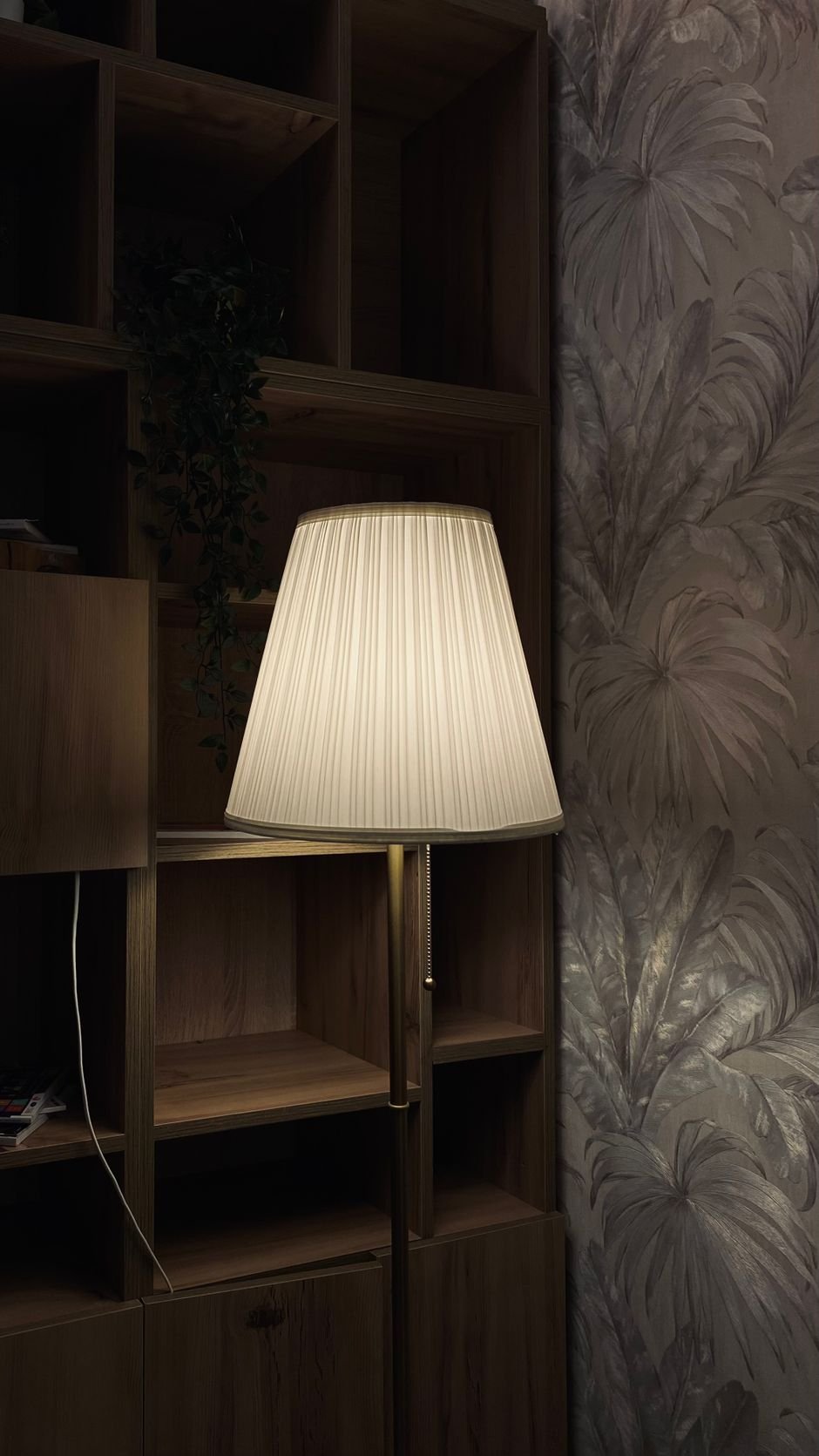
5. RoomMates Faux Texture — Best faux texture
Best for: the look of shiplap, brick or grasscloth without the weight or cost.
These faux-texture designs read convincingly as the real material from a few feet away, and go up in minutes. Great for a farmhouse or coastal feature wall.
6. Wallpops — Best for a quick refresh
Best for: small projects — a nook, a shelf back, a half-wall.
Wallpops focuses on easy, bold, small-format designs that are perfect for a fast, low-commitment refresh. Cheap enough to change with your mood.
7. Rifle Paper Co. — Best designer florals
Best for: statement florals and a boutique look.
Rifle Paper Co.’s lush, painterly florals (offered as peel-and-stick through Tempaper) are a designer favourite. You pay for the artistry, but a single accent wall makes the room.
8. Livelynine — Best for furniture & kitchens
Best for: countertops, shelves, drawer fronts and splash-free kitchen walls.
Livelynine’s waterproof vinyl wraps furniture and surfaces as well as walls, and wipes clean — handy for renters upgrading a tired kitchen or desk cheaply.
9. Graham & Brown — Best traditional (paste-the-wall)
Best for: homeowners wanting premium, durable, hang-it-for-years wallpaper.
Graham & Brown is a heritage brand with beautiful, hard-wearing paste-the-wall designs. It’s more work to hang than peel-and-stick, but the finish and longevity are a step up.
10. Yancorp — Best textured budget rolls
Best for: covering a large area in a plain texture or solid on a budget.
Yancorp’s textured and solid-colour self-adhesive rolls are cheap and come in generous lengths — a practical way to redo a whole feature wall without a premium price.
At-a-glance comparison
| Wallpaper | Best for | Type | Stand-out |
|---|---|---|---|
| Tempaper | Overall | Peel-and-stick | Designer looks, safe adhesive |
| RoomMates | Renters | Peel-and-stick | Residue-free removal |
| NuWallpaper | Budget | Peel-and-stick | Cheap, designer collabs |
| Haokhome | Pattern choice | Peel-and-stick | Huge catalogue |
| RoomMates Faux Texture | Faux texture | Peel-and-stick | Shiplap/brick/grasscloth look |
| Wallpops | Quick refresh | Peel-and-stick | Small, bold, cheap |
| Rifle Paper Co. | Designer florals | Peel-and-stick | Boutique artwork |
| Livelynine | Furniture / kitchen | Waterproof vinyl | Wipe-clean, wraps surfaces |
| Graham & Brown | Homeowners | Paste-the-wall | Premium & durable |
| Yancorp | Budget texture | Self-adhesive | Long rolls, low price |
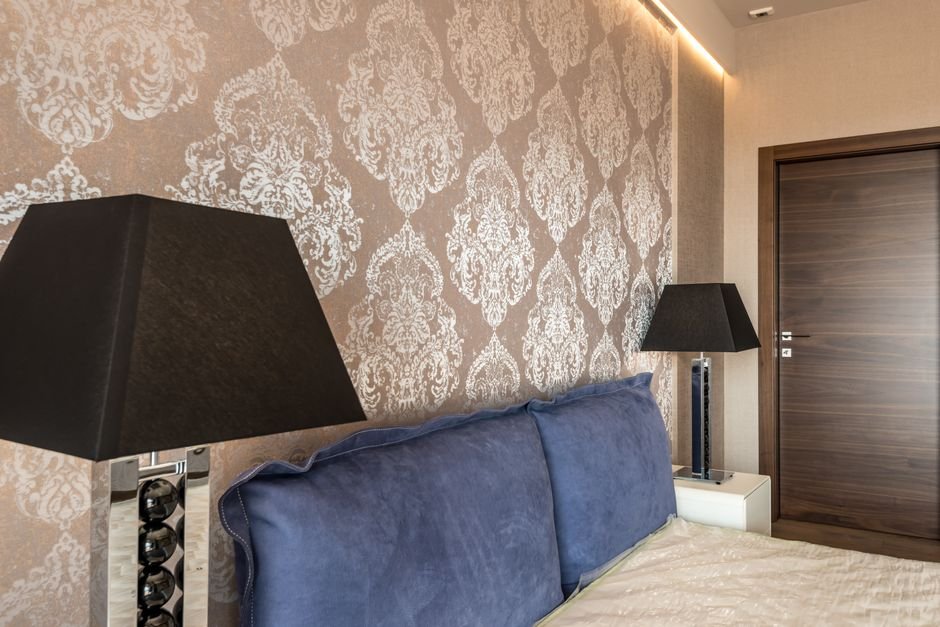
How much wallpaper do I need?
Measure the total width of wall you’re covering and its height, then check your roll’s width, length and pattern repeat.
As a rough guide, one standard “double roll” (about 20.5 in wide × 33 ft long) covers roughly 56 square feet before pattern waste — but the repeat can change that a lot.
For an exact roll count for your wall, use our free Wallpaper Calculator, and browse more free tools on our home calculators page.
Common wallpaper mistakes to avoid
Dodge these and your walls will look pro, not patchy.
- Under-ordering. Running short mid-wall risks a mismatched dye lot — always buy one spare roll.
- Skipping wall prep. Dust, grease or fresh paint stops peel-and-stick from gripping; clean and let new paint cure first.
- Ignoring the pattern repeat. Big repeats need more rolls; the calculator accounts for it.
- Papering textured walls. Peel-and-stick struggles on heavy texture — sand smooth or choose a liner.
- Not smoothing as you go. Use a smoothing tool from the centre out to banish bubbles.
Renter tips: decorate without losing your deposit
Peel-and-stick is a renter’s best friend, but a little care keeps your landlord happy too.
- Stick to quality brands. RoomMates and Tempaper are known for clean removal; cheap adhesives are likelier to grab paint.
- Test an offcut first. Apply a small piece in a corner for a week, then peel it — if paint lifts, don’t cover a whole wall.
- Avoid freshly painted walls. Give new paint 3–4 weeks to cure so the adhesive doesn’t bond to uncured paint.
- Remove slowly and low. Peel gently at a shallow angle; a hair dryer softens stubborn adhesive without damage.
- Keep a spare strip in case you need to touch up a lifted edge before moving out.
Key takeaways
- Best overall: Tempaper — designer patterns and a clean-removing adhesive.
- Best for renters: RoomMates, which comes off without residue.
- Best budget: NuWallpaper — accessible and affordable.
- Owners wanting durability: Graham & Brown paste-the-wall.
- Buy the right amount: size it with our Wallpaper Calculator, then add one spare roll.
- Prep the wall — smooth, clean and cured — for a finish that lasts.
Frequently asked questions
Is peel-and-stick wallpaper any good?
Yes — the better brands look great, apply in minutes and remove cleanly. It’s ideal for renters, accent walls and first-timers. For a forever home or high-traffic hallway, traditional paste-the-wall is more durable.
How many rolls of wallpaper do I need?
It depends on your wall size, the roll dimensions and the pattern repeat. Measure the wall and use our Wallpaper Calculator for an exact count, then add one extra roll from the same batch.
Does peel-and-stick wallpaper damage walls?
On quality brands like RoomMates and Tempaper, it removes without residue or paint damage on smooth, well-cured walls. On freshly painted or textured walls, results vary — always test a small piece first.
Can I use peel-and-stick wallpaper in a bathroom or kitchen?
In low-moisture spots, yes, and waterproof vinyl options (like Livelynine) handle splashes well. Avoid direct shower spray and very steamy areas, where edges can lift.
What is a pattern repeat and why does it matter?
It’s the vertical distance before a design starts over. To line up the pattern across strips you trim some off each one, so a bigger repeat means more waste — and more rolls. Our calculator factors it in.
How do I apply wallpaper without bubbles?
Start at the top, line up the edge with a level, and smooth from the centre outward with a smoothing tool or a clean cloth as you unpeel. Small bubbles can be lifted and re-smoothed while the adhesive is fresh.
Should I do one wall or the whole room?
A single accent wall — often behind the bed or sofa — gives the biggest impact for the least cost and effort, and is the easiest to get right. Whole rooms look stunning but need careful measuring and more rolls.
How long does peel-and-stick wallpaper last?
Several years on a well-prepped wall, and you can take it down whenever you want a change. Traditional paste-the-wall wallpaper lasts longer still, which is why it suits permanent installs.
Can I put peel-and-stick wallpaper over textured walls?
Not reliably. Heavy orange-peel or knockdown texture stops the adhesive from making full contact, so edges lift and the pattern looks bumpy. Lightly textured walls can work; for heavy texture, sand it smooth or hang a liner first.
Can I reuse peel-and-stick wallpaper after removing it?
Usually not — once removed, the adhesive rarely re-sticks well, and strips can stretch. If you might move it, peel gently and store flat, but plan on buying fresh for the new spot.
Is it cheaper to paint or wallpaper a wall?
Paint is usually cheaper for a plain colour, while wallpaper wins for pattern and texture that paint can’t match. For a single accent wall, peel-and-stick is an affordable middle ground — and far easier to undo than a bold paint colour.

I'm Nasir Uddin Khan, founder of HomeNeeds24 and a senior IT consultant with 18+ years' experience in Oracle database administration, enterprise infrastructure and ERP system design. I write the buying guides here and I build every calculator on the site myself, from published engineering standards rather than opinion. My research is structured rather than lab-based: manufacturer specifications, safety and efficiency standards, and the trade-offs that repeat across large volumes of verified customer reviews. Where I have direct hands-on experience — smart home, networking, energy and anything computer-adjacent — I say so in the guide.