
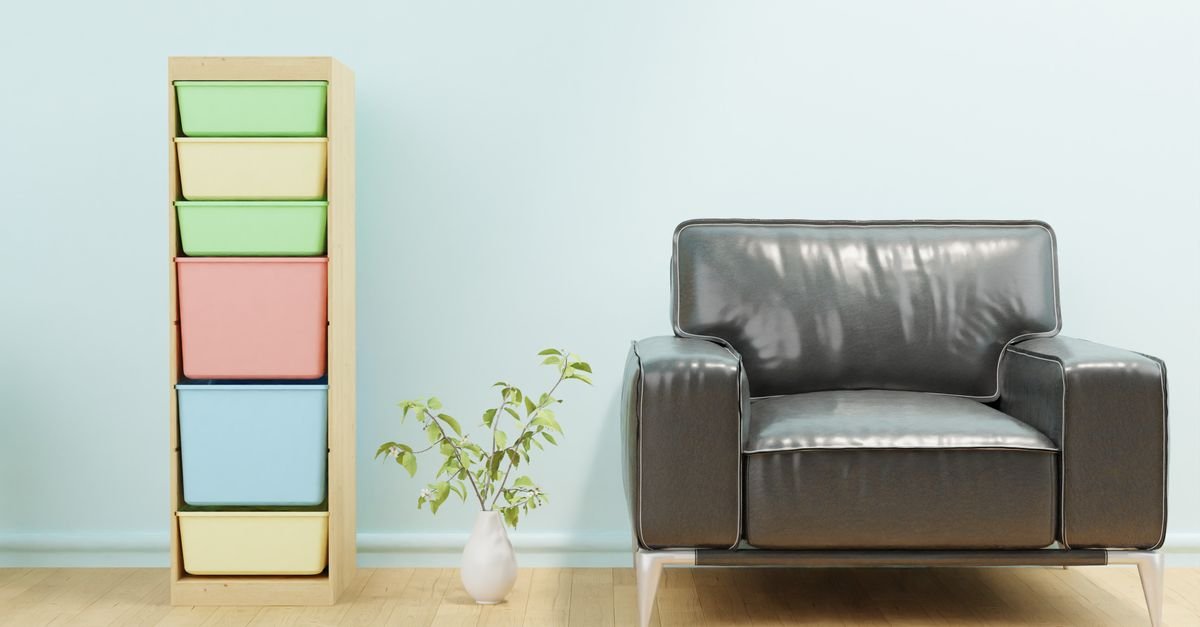
Toy storage that actually stays organized runs on four rules the container aisle never mentions: fewer toys in circulation (rotation bins hide the rest), shallow open bins a child can use alone (deep chests are where toys go to be excavated), a picture-or-word label on everything, and a home the CHILD can reach — because storage kids can’t operate becomes storage parents operate forever.
Also Read


This is the complete toy organization system: the rotation method that halves the mess while making toys more played-with, the storage pieces ranked, the category map by toy type, and the ten-minute nightly reset that keeps the floor visible for good.
Key Takeaways
- The toy problem is a volume problem first: rotation (a quarter out, the rest stored) reduces mess AND increases engagement — kids play deeper with less.
- Shallow bins on low shelves beat every toy chest ever made — visibility plus reachability equals independent cleanup.
- Label with pictures before kids read: photo labels turn “clean up” from a parent task into a matching game.
- Sort by category, loosely: blocks, vehicles, pretend, art, books — five to eight broad bins, never a taxonomy only you understand.
- The one-in-one-out rule at birthdays and holidays is the only known cure for toy inflation.
- Cube-shelf systems grow with the child — the same unit stores board books at two and homework supplies at ten.
Start With Less: The Rotation Method (The Real Secret)
Every professional organizer’s toy advice begins the same way, because it works: children play longer and more creatively with fewer visible options — a floor of forty toys produces grazing; a shelf of ten produces play.
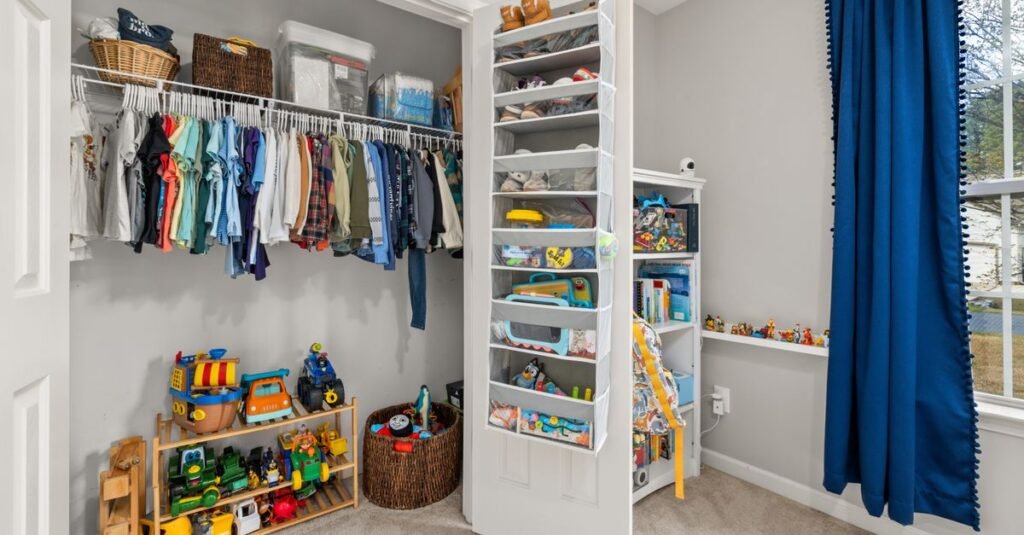
The system: sort everything into keep-out (about a quarter — the current favorites plus a balanced mix), rotation bins (lidded, labeled, stored in a closet, garage, or under a bed), and the exit pile (broken to the bin, outgrown to donation — with the child’s help at donation age; generosity is teachable at the toy bin).
Swap every few weeks, or when boredom announces itself. The swap day is the system’s magic trick: returning toys are greeted like new — a free Christmas every month, and the storage requirement for the visible collection just dropped 75%.
Toy inflation control completes the method: one-in-one-out at every birthday and holiday, a family wish-list steering relatives toward consumables and experiences, and the pre-holiday purge as standing tradition.
The Storage Pieces, Ranked Honestly
The Champion: Low Cube Shelves With Bins
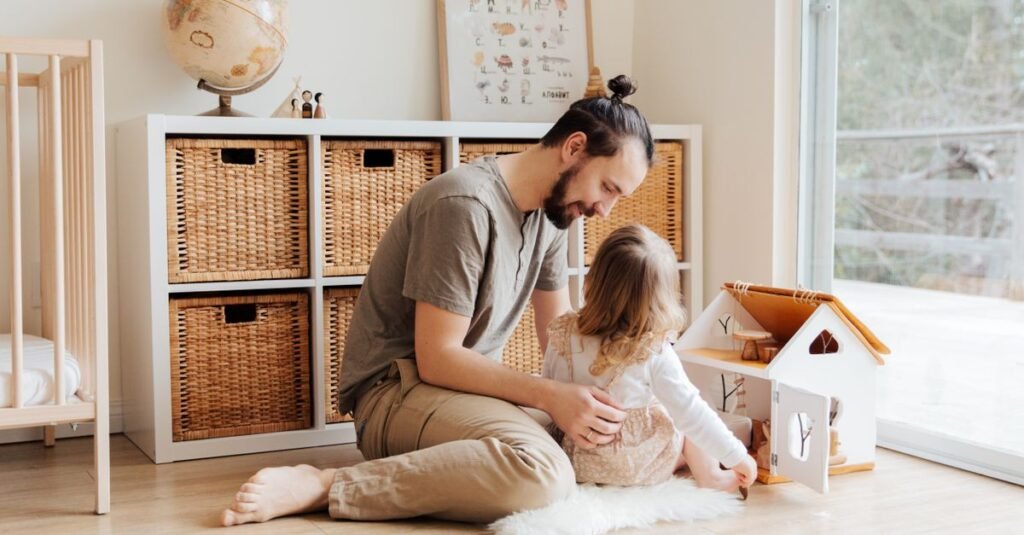
The cube unit (and its tilted-bin cousins) wins childhood: toy bins at two, book cubes at five, game storage at eight, homework at ten. Buy it once, anchor it to the wall (non-negotiable — every climbing-age child tests furniture, per our childproofing guide), and keep the bottom row for the heaviest, most-used bins.
The Workhorses
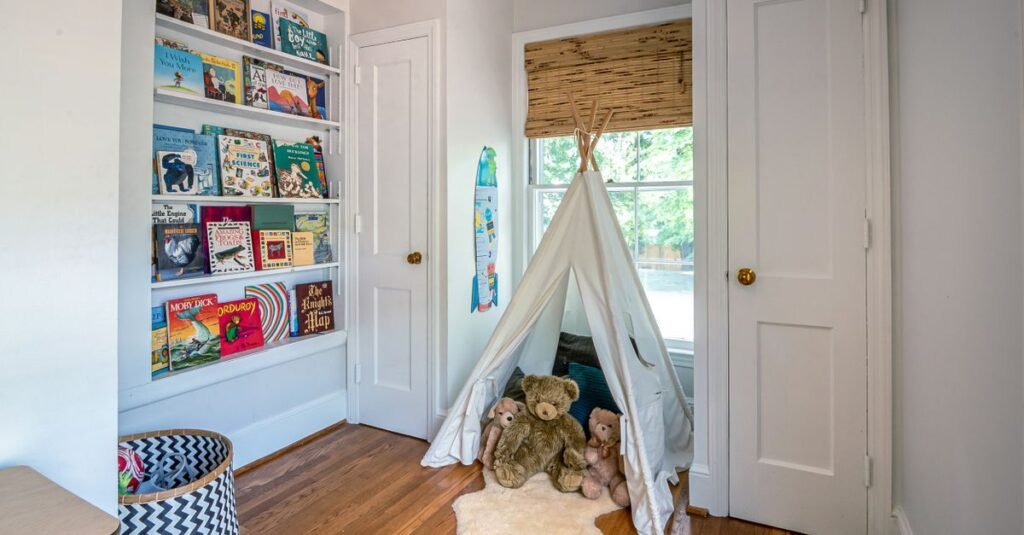
Shallow open bins and baskets (the child-operable unit of all toy storage), clear shoebox bins for small-part sets (visible = played with; sealed = preserved), rolling carts for art supplies (wheels move the mess to supervision), book ledges at child height (covers-out display doubles reading — the librarian trick), and big floor baskets for the stuffed-animal population (or a corner hammock when the population exceeds civic capacity).
The Honest Skips
The classic deep toy chest (everything below the top layer effectively ceases to exist — and lids pinch), bins too heavy for the child to slide back, storage requiring adult-height reaches for daily-use toys, and any system with more categories than a five-year-old can remember. Complexity is where toy systems die.
The playroom storage tour above demonstrates cube systems, labeling, and small-part wrangling — including the IKEA hacks this category runs on.
The Category Map (Five to Eight Bins, No More)
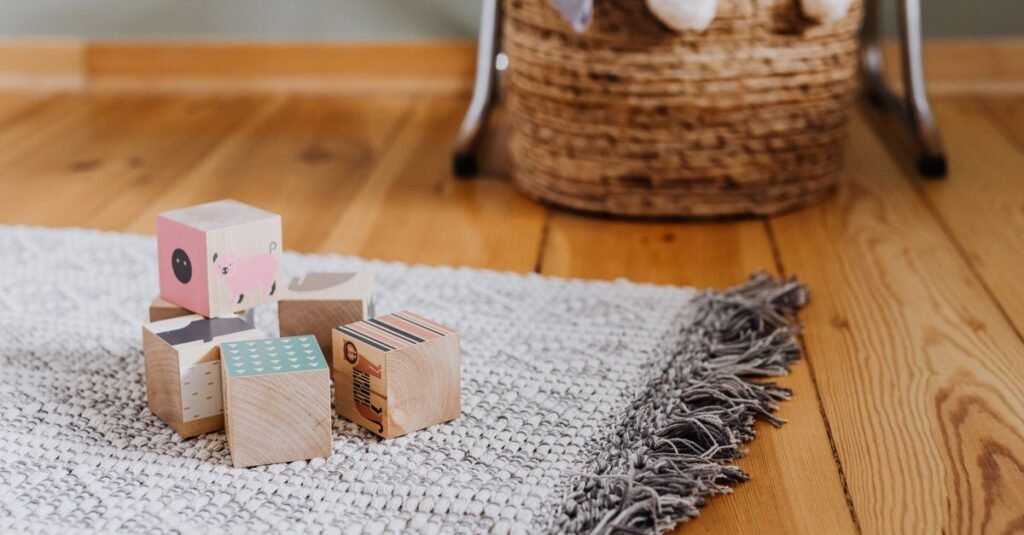
Sort broad, not deep: BLOCKS AND BUILDING (one bin — sets that must stay separate get their own clear shoeboxes inside a “sets” zone), VEHICLES, PRETEND PLAY (food, tools, dress-up — dress-up earns hooks or a basket of its own; costumes on hooks get worn), DOLLS AND FIGURES plus their tiny ecosystems, ART (rolling cart, supervised heights for the scissors-and-markers tier), BOOKS (ledges plus one cube), PUZZLES AND GAMES (vertically, wide-shelf, rubber-banded or zip-pouched once boxes crumble), and the ACTIVE bin (balls, ride-on accessories) parked by the door it exits through.
The label layer makes it run: photo-plus-word labels on every bin — a phone photo of the contents, printed small, taped on. Pre-readers match pictures; new babysitters and grandparents navigate without a tour; and “clean up” becomes a sorting game with a right answer.
The micro-part protocol, because small pieces are the genre’s villain: a “tiny treasures” jar for the orphaned bits that surface daily — sorted back to their sets weekly rather than mid-discovery — and building-brick populations managed by color or set only if YOUR CHILD cares; otherwise one big bin and a scoop-mat that bags the pile in one motion.
Storage by Room (The Whole-House Treaty)
The playroom or bedroom holds the main collection and the cube system. The living room — where play actually happens — gets ONE closing unit (an ottoman with storage, a bench, one handsome basket family) so the evening reset returns the adult room in ninety seconds; this is the treaty that lets a styled home and a real childhood share an address.
Bedrooms of sleep-resistant kids keep stimulating toys OUT of arm’s reach of the bed (books excepted — books by the bed are a feature). Bath toys drain in a mesh net, not a mildew bucket. And the car gets one zip pouch, refreshed monthly, which is the entire car toy system.
Shared sibling rooms split by shelf rows rather than by bin wars: each child owns a row plus a personal “precious things” box that no sibling may open — the box resolves more disputes than any referee.
The Routines That Keep It Working
The nightly ten-minute reset: timer on, music on, everyone sorts to the labels — parents participating, not directing, until the habit stands alone. Kids who can empty a bin can fill one; the skill is expectation plus labels plus bins they can lift.
The weekly orbit: tiny-treasures jar sorted, puzzle pieces reunited, broken toys quietly retired (the bin, not the debate).
The seasonal reset: rotation swap, donation pass with the kids, and label updates as categories evolve — twenty minutes that reboots the whole system. The full nursery-age version of these rhythms lives in our nursery organization guide, and the whole-home setup in the baby and kids essentials pillar.
The Art-and-Paper Problem (Its Own Small Government)
Children’s art output outpaces every storage system ever built, so it gets its own three-tier policy: the DISPLAY tier (one wire with clips or a frame per child — new masterpiece in, previous one out), the ARCHIVE tier (one flat under-bed box per child per year; when it fills, the curator — you — edits), and the GRACEFUL EXIT tier (photograph the bulky and the duplicate, then recycle after a respectful interval; a digital album holds infinite macaroni art at zero square feet).
Supplies run the rolling-cart system by supervision level: top shelf for anytime supplies (crayons, paper), lower or higher-stored tiers for the markers-glitter-scissors class. The cart rolls to the kitchen table and rolls away — which is the entire discipline.
The Grandparents’ Kit (Solving the Second Front)
Toy sprawl’s satellite campus: the grandparents’ house. The fix that delights everyone: a single dedicated bin THERE — a dozen rotating toys, some hand-me-down classics — so visits don’t require luggage and the grandparent house develops its own beloved inventory. Refresh it from your rotation bins twice a year; it doubles as the pressure valve for toys too good to donate but over the home quota.
Frequently Asked Questions
How do I organize toys so kids actually clean up?
Shallow labeled bins on shelves the child can reach, five to eight broad categories, and a nightly ten-minute timer reset done together. Kids clean up systems they can operate; photo labels turn sorting into a matching game.
How does toy rotation work?
Keep about a quarter of toys out; store the rest in lidded, labeled bins; swap every few weeks. Fewer visible toys produce deeper play, cleanup shrinks, and returning toys feel new — the closest thing to free toys that exists.
Are toy chests a good idea?
Generally no — deep chests bury everything below the top layer and invite full-dump excavation. Shallow bins on low shelves keep every toy visible, reachable, and returnable. If you love a chest, use it for stuffed animals or blankets.
How do I deal with toys taking over the living room?
One closing storage piece in the room — ottoman, bench, or basket set — holding the living-room ration, plus the nightly reset returning the room to adults. The main collection lives in the play space; the treaty keeps both rooms functional.
What do I do with all the tiny toy pieces?
Clear shoebox bins per set, a “tiny treasures” jar for daily strays (sorted weekly), and a scoop-mat for brick collections. Sets a child has outgrown seal into rotation or donation before their pieces disperse forever.
How many toys should be out at once?
Roughly what one shelf unit displays — a balanced mix of eight to twelve options for young kids. If cleanup takes more than ten minutes, the answer is fewer; rotation absorbs the rest without a single goodbye.
Storage by Age (The System Grows Up)
The same bones serve every stage; only the calibration moves. Babies (0–1): storage is really parent-storage — a few baskets, high rotation, everything washable; the cube unit starts as blanket-and-gear housing.
Toddlers (1–3): the golden era of this article — low shelves, picture labels, big-piece toys in shallow bins, small parts embargoed, and the nightly reset taught as a game.
Preschool (3–5): categories multiply (art, sets, pretend), the tiny-treasures jar earns its keep, and children start owning the sorting — let them re-label; ownership beats optimization.
School age (5–8): sets with instructions, collections, and games move up-shelf; a display shelf for built creations prevents the never-disassemble standoff; and the rotation bins quietly become the halfway house to donation.
Tweens: the cube unit’s final form — books, hobbies, tech — and the toy chapter closes with one last full-system purge, at which point the family has run a decade on one furniture purchase and a labeling habit.
The through-line at every age: the child’s reach defines the layout, and the visible collection stays small enough to clean up in ten minutes. Ages change the contents; the two rules never move.
The Declutter Scripts (For the Conversations Kids Make Hard)
The system’s tenderest moment is the letting-go, and scripts help. For the pre-schooler: sort WITH them into “play, share, broken” — the share basket framed as gifts for kids who need toys (children donate more generously than adults expect when the frame is giving, not losing). For the collector-age child: the museum rule — treasures they cannot part with but never touch get a labeled memory box in deep storage; the shelf is for the living collection.
For the meltdown-prone: never purge in front of them what they helped choose to keep — trust in the system is the asset; one discovered garbage-bag betrayal costs a year of cooperation. Sort quietly in their absence ONLY for true junk; involve them for everything with a face.
For the sentimental parent (the actual biggest hoarder in most toy rooms): one memory bin per child, period — the first shoes, the favorite bear, the art that made you cry. Photograph the rest; the album carries the memories at one-hundredth the volume.
And the pace rule: little-and-often beats the annual excavation — ten minutes at each rotation swap keeps the collection honest without a single dramatic Saturday.
One Closing Reframe
The goal was never a catalog playroom — it is a child who plays deeply, cleans up without a standoff, and learns that things have homes. Shallow bins, small rotations, photo labels, and the nightly ten minutes buy exactly that, at any budget, in any square footage. The organized floor is just the visible receipt.
Start tonight, start small: one shelf, five labeled bins, half the toys quietly into a rotation box in the closet — twenty minutes while they sleep. Tomorrow’s deeper play and shorter cleanup will argue the rest of this article for you, in the only language households actually change to: it worked.
The Bottom Line
Toy storage is volume control wearing bins: rotate most of the collection out of sight, shelve the rest shallow and labeled at child height, hold the nightly reset, and tax every birthday with one-in-one-out.
The floor stays visible, the toys get played with harder, and the kids run the system themselves — which was always the actual finish line.

I'm Nasir Uddin Khan, founder of HomeNeeds24 and a senior IT consultant with 18+ years' experience in Oracle database administration, enterprise infrastructure and ERP system design. I write the buying guides here and I build every calculator on the site myself, from published engineering standards rather than opinion. My research is structured rather than lab-based: manufacturer specifications, safety and efficiency standards, and the trade-offs that repeat across large volumes of verified customer reviews. Where I have direct hands-on experience — smart home, networking, energy and anything computer-adjacent — I say so in the guide.