
Designing a nursery is one of the most exciting parts of preparing for a baby — and one where it’s easy to get swept up in cute themes and lose sight of what actually matters. The best nurseries balance three things: safety, function, and a calm, welcoming atmosphere. Get those right and you’ll have a room that works beautifully for both your baby and you, through the exhausting early months and beyond.
Also Read



This nursery setup guide walks through how to design a safe and functional baby room, from the essential zones to safety and soothing touches. The aim is a practical, peaceful space, not a showroom — a room that genuinely supports caring for a newborn.
Plan the Essential Zones
A functional nursery is organized around the things you’ll do in it: sleeping, feeding, and changing. Planning these zones first ensures the room works in practice, not just in pictures.
The Sleep Zone
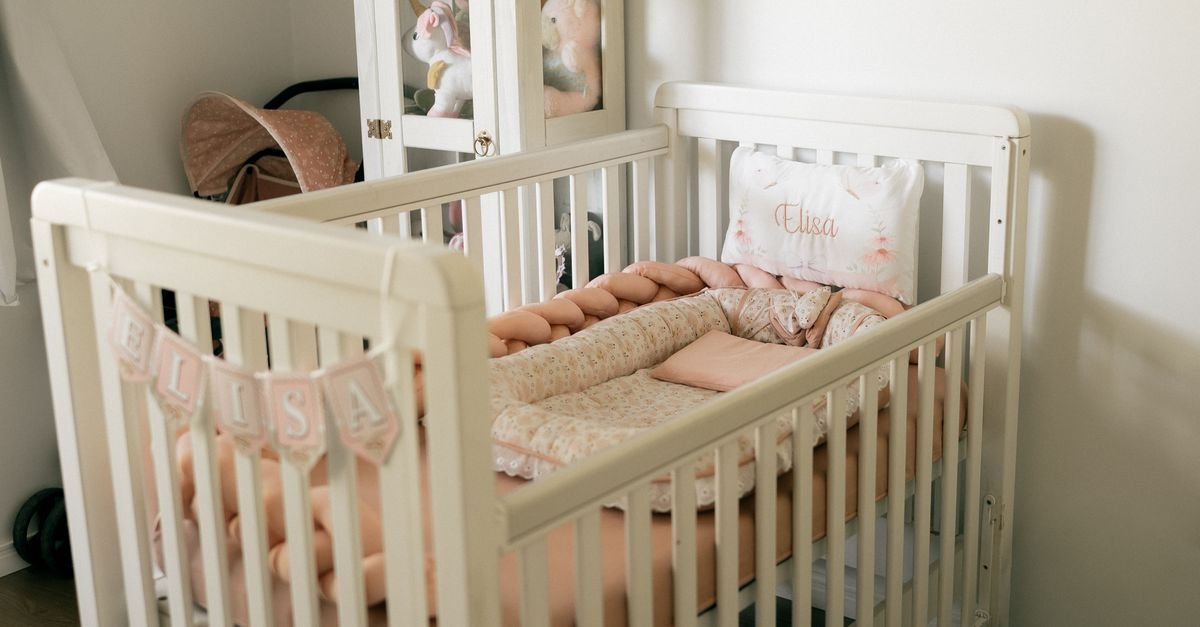
The crib is the heart of the nursery and the most important element to get right. Place it away from windows, blind cords, heaters, and anything a baby could reach. Follow safe-sleep guidance with a firm, well-fitting mattress and a clear crib free of loose bedding, pillows, and soft toys. A calm, slightly darkened sleep zone helps establish good sleep from the start.
The Feeding Zone
You’ll spend many hours feeding, often through the night, so a comfortable feeding spot is essential. A supportive chair where you can sit comfortably for long stretches, with feeding essentials and a soft light within reach, makes those hours far easier. A small table or shelf nearby keeps everything you need at hand.
The Changing Zone
An efficient changing area saves your back and your sanity. A stable changing surface at a comfortable height, with diapers, wipes, creams, and spare clothes all within arm’s reach, lets you change a baby without ever stepping away from them. A nearby bin keeps it hygienic.

Make Safety the Foundation
Above all, a nursery must be safe. Secure all furniture — the dresser, shelves, and changing unit — to the wall so they can’t tip, since this is a serious hazard as babies grow and start to pull up and climb. Cover electrical outlets and keep cords, including those from blinds, well out of reach. Choose furniture without sharp edges or add corner protectors. Keep the crib clear and positioned safely. Install a working smoke and carbon monoxide alarm. Building the room on a foundation of safety means you can relax in it, and it stays safe as your baby becomes mobile.
Choose Functional, Lasting Furniture
Nursery furniture should be practical and ideally grow with your child. A crib, a comfortable feeding chair, a changing station, and ample storage are the essentials. Pieces that adapt — such as a changing top that later becomes a dresser, or a crib that converts as your child grows — offer better long-term value. Prioritize sturdy, safe, well-made furniture over purely decorative pieces. Choosing function and longevity means the room serves you well beyond the newborn stage and avoids quickly outgrown purchases.
Organize for Easy Care
Good organization makes caring for a newborn far less stressful, especially during night wakings when you’re exhausted. Keep frequently used items within easy reach of where you’ll use them, and store the rest neatly nearby. Sort clothes by size, since babies grow quickly and you’ll move through sizes fast. Baskets and bins corral toys, blankets, and supplies. A simple, logical system — everything having a place near where it’s needed — means you can find what you need quickly, even half-asleep. Restocking essentials before they run out prevents stressful scrambles.
Create a Calm, Soothing Atmosphere
The nursery’s mood affects how easily your baby settles, so aim for calm. Soft, gentle colors create a soothing environment far better than loud, busy patterns. Adjustable lighting is invaluable — a dim option for night feeds and changes avoids fully waking baby (or you), while a brighter setting helps for play and dressing. Blackout curtains encourage longer sleep by darkening the room. Gentle, comforting touches and a quiet, peaceful feel help your baby relax and sleep, which benefits everyone. A calm room is a functional one.
Keep It Flexible for the Future
Babies change fast, and a nursery should adapt with them. Choosing convertible furniture, neutral foundations you can restyle, and an organized, flexible layout means the room can evolve from newborn to toddler without a complete redo. Leave a little room to adjust as you learn what your baby and your routine actually need. A nursery designed with the future in mind saves money and effort and keeps serving your family as your child grows.

Frequently Asked Questions
What are the essentials for a nursery?
A safe crib with a firm mattress, a comfortable feeding chair, a stable changing area, and ample storage — organized into clear sleep, feeding, and changing zones.
How do I make a nursery safe?
Secure all furniture to the wall, cover outlets, keep cords and blind cords out of reach, position the crib safely away from windows and hazards, keep it clear of loose bedding, and install working alarms.
What furniture should I buy for a nursery?
Sturdy, functional essentials — a crib, feeding chair, changing station, and storage — ideally pieces that grow with your child, like a convertible crib or a changing top that becomes a dresser.
How do I create a calm nursery?
Use soft, gentle colors, adjustable lighting with a dim option for night, and blackout curtains for sleep. A quiet, soothing atmosphere helps your baby settle and rest.
Key Takeaways
- Plan the room around sleep, feeding, and changing zones so it works in practice.
- Build on a foundation of safety — secure furniture, cover outlets, and keep the crib clear and safely placed.
- Choose sturdy, functional furniture that grows with your child for lasting value.
- Organize for easy care so you can find what you need even half-asleep.
- Create a calm atmosphere with soft colors and adjustable lighting, and keep the room flexible for the future.
A great nursery balances safety, function, and calm — not just looks. Plan the zones, make safety the foundation, organize for easy care, and keep the mood soothing, and you’ll create a room that supports both your baby and you. For more practical guidance, visit our home setup guides and the full Baby & Kids collection.

I'm Nasir Uddin Khan, founder of HomeNeeds24 and a senior IT consultant with 18+ years' experience in Oracle database administration, enterprise infrastructure and ERP system design. I write the buying guides here and I build every calculator on the site myself, from published engineering standards rather than opinion. My research is structured rather than lab-based: manufacturer specifications, safety and efficiency standards, and the trade-offs that repeat across large volumes of verified customer reviews. Where I have direct hands-on experience — smart home, networking, energy and anything computer-adjacent — I say so in the guide.