
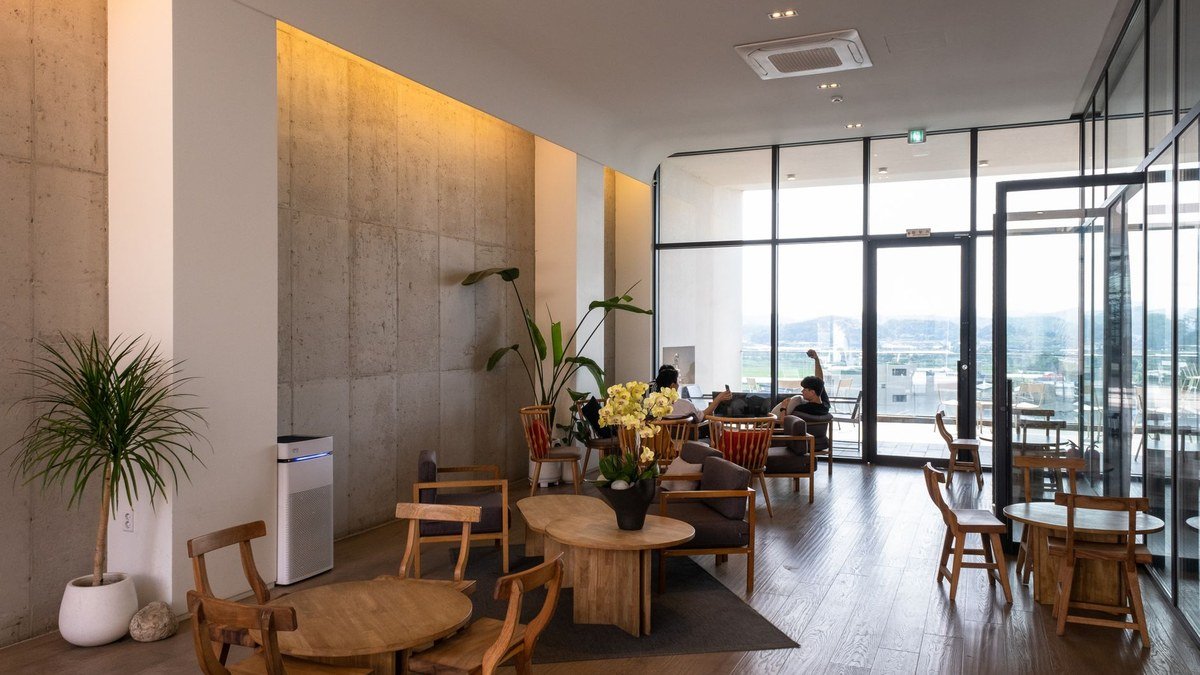
The air inside your home can be more polluted than the air outside — full of dust, pet dander, pollen, smoke, and other particles you breathe all day. An air purifier helps by filtering those particles out, which can mean easier breathing, fewer allergy symptoms, less odor, and a cleaner-feeling home. But purifiers vary a lot, and the wrong one is just expensive white noise. This guide explains how to choose the best air purifier for your home and what actually matters.
Also Read
What an Air Purifier Does
An air purifier draws in air, passes it through filters that trap airborne particles, and pushes cleaner air back out. The best ones noticeably reduce dust, allergens, pet dander, pollen, smoke, and odors. They’re especially valuable for allergy and asthma sufferers, pet owners, households with smoke or cooking odors, and anyone in an area with poor outdoor air quality. They don’t replace cleaning or ventilation, but they meaningfully improve the air you breathe indoors.

The Most Important Feature: a True HEPA Filter
The single most important thing to look for is a True HEPA filter, which captures the vast majority of tiny airborne particles — the standard for effective air purification. Avoid vague “HEPA-type” or “HEPA-like” labels, which don’t meet the same standard. For odors and smoke, an activated carbon filter alongside the HEPA is valuable. Be cautious with ozone-generating “ionic” purifiers — HEPA-based models are the safer, proven choice.
Match the Purifier to Your Room Size
An air purifier is rated for a certain room size, often expressed as a CADR (Clean Air Delivery Rate) or a square-footage rating. Choose one rated for your room — a unit that’s too small won’t clean a large space effectively. It’s often smart to size up slightly so the purifier can clean the air more often on lower, quieter settings. Measure your room before buying.
As an Amazon Associate, HomeNeeds24 earns from qualifying purchases.
Other Features Worth Considering
- Noise level — you’ll run it often, so check it’s quiet on lower settings, especially for a bedroom.
- Filter replacement cost — filters need replacing periodically; factor in the ongoing cost and availability.
- Energy efficiency — since it may run continuously, look for an efficient model (Energy Star).
- Auto mode & air-quality sensor — adjusts fan speed based on real-time air quality, balancing cleaning and noise.
- Sleep mode & timer — convenient for bedrooms.
- Smart features — app or voice control if you want them, though they’re a nice-to-have, not essential.
Where to Place an Air Purifier
Put the purifier in the room you spend the most time in — commonly the bedroom or living room. Keep it in an open spot with good airflow, not crammed behind furniture or in a corner, so it can circulate air freely. For whole-home coverage you’d need units in multiple rooms, or move a portable one as needed. Running it consistently — rather than occasionally — gives the best results.
Maintenance Matters
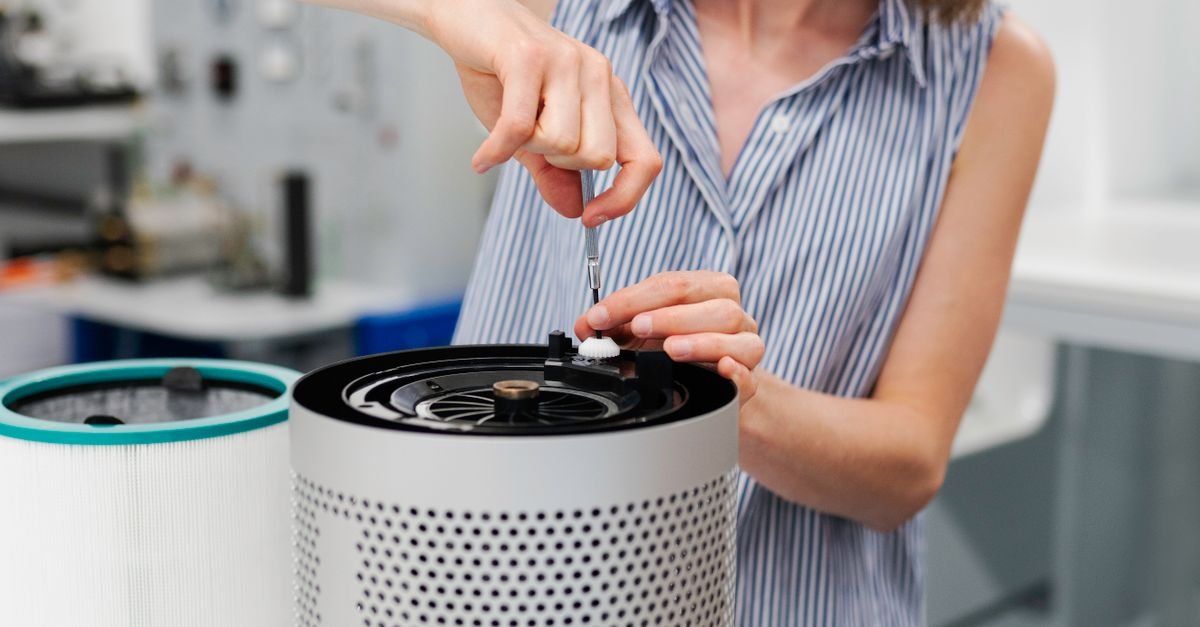
An air purifier only works well if you maintain it. Replace filters on the recommended schedule (a clogged filter loses effectiveness), clean any pre-filters, and keep the unit dust-free. Neglected filters reduce performance and can worsen air flow. Budget for replacement filters as part of the ongoing cost — it’s the key to keeping your air genuinely clean.
Frequently Asked Questions
Do air purifiers really work?
Yes — a quality air purifier with a True HEPA filter genuinely reduces airborne dust, allergens, pet dander, pollen, and smoke, and can ease allergy symptoms and odors. They work best run consistently and sized correctly for the room.
What should I look for in an air purifier?
Most importantly a True HEPA filter (plus activated carbon for odors), a rating that matches your room size, low noise, reasonable filter-replacement costs, and helpful extras like auto mode and a sleep setting.
Where is the best place to put an air purifier?
In the room you use most, often the bedroom or living room, in an open spot with good airflow rather than tucked behind furniture. Run it consistently for the best results.
How often do I replace air purifier filters?
Follow the manufacturer’s schedule — typically every several months to a year depending on the filter and usage. A clogged filter loses effectiveness, so timely replacement is essential.
Key Takeaways
- Air purifiers reduce dust, allergens, pet dander, smoke, and odors for cleaner indoor air.
- A True HEPA filter is the must-have feature; add activated carbon for odors.
- Match the purifier’s rating to your room size, and size up slightly for quieter operation.
- Consider noise, filter costs, energy use, and conveniences like auto and sleep modes.
- Place it in your most-used room with good airflow, run it consistently, and replace filters on schedule.
The right air purifier is a simple upgrade that makes your home’s air noticeably cleaner and easier to breathe — especially for allergy sufferers and pet owners. Pick a True HEPA model sized for your room, place it well, and keep up with filters. For more, explore our home guides.

I'm Nasir Uddin Khan, founder of HomeNeeds24 and a senior IT consultant with 18+ years' experience in Oracle database administration, enterprise infrastructure and ERP system design. I write the buying guides here and I build every calculator on the site myself, from published engineering standards rather than opinion. My research is structured rather than lab-based: manufacturer specifications, safety and efficiency standards, and the trade-offs that repeat across large volumes of verified customer reviews. Where I have direct hands-on experience — smart home, networking, energy and anything computer-adjacent — I say so in the guide.