
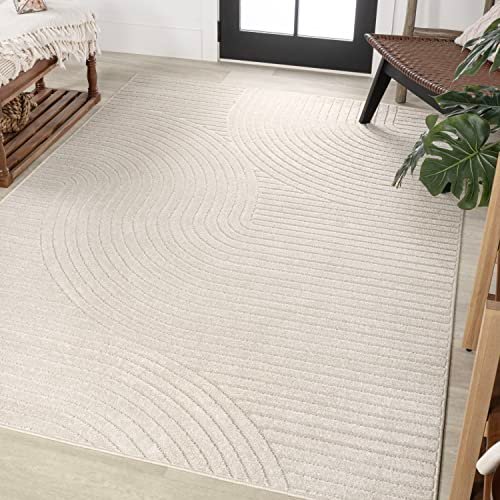
A rug is one of the most transformative things you can add to a room — it defines spaces, adds warmth and texture, absorbs noise, protects floors, and ties a whole look together. Yet rugs are also where people make the most decorating mistakes, usually by choosing the wrong size. This guide covers modern rugs: how to pick the right size, material, and style, and how to use rugs to make any room look intentional.
Also Read


What a Rug Does for a Room
A good rug works hard. It anchors and defines a seating or dining area, adds softness and warmth underfoot, introduces color, pattern, and texture, dampens sound (especially on hard floors), and protects flooring from wear. It can also make a room feel bigger or cozier depending on how you use it. In short, the right rug pulls a room together — and a room without one often feels unfinished.
The #1 Rule: Get the Size Right
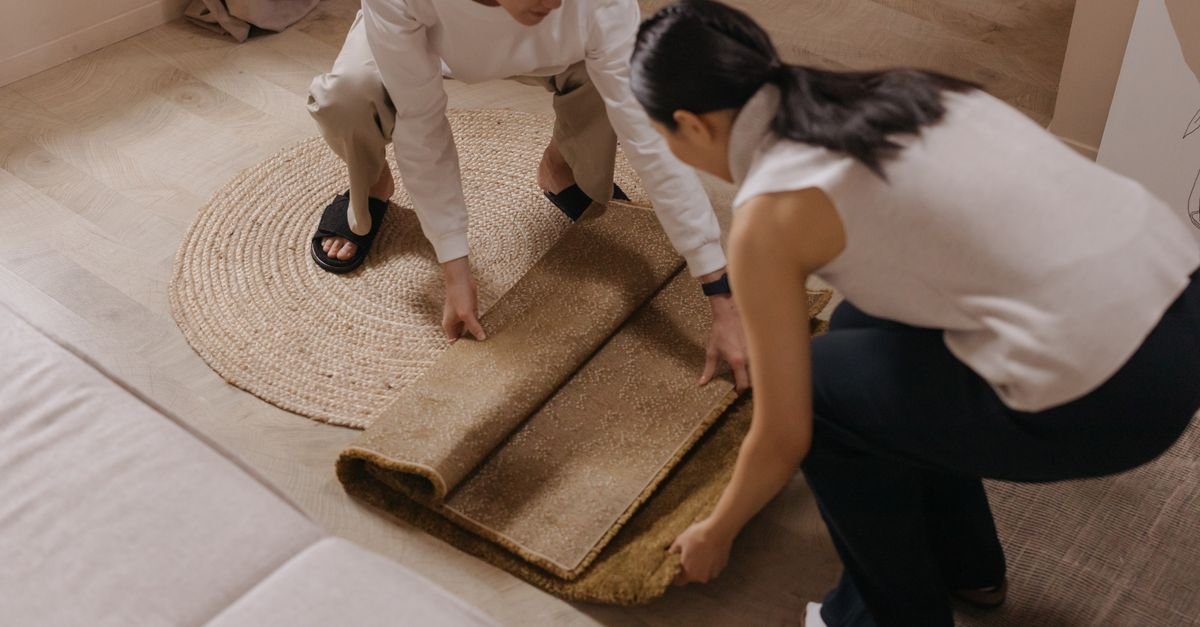
Size is where most rug decisions go wrong — usually too small, which makes a room look disjointed and cheap. The fix depends on the room:
- Living room: ideally large enough that at least the front legs of all the main seating sit on the rug, visually connecting the grouping. A rug that “floats” tiny in the middle looks lost.
- Dining room: big enough that the chairs stay on the rug even when pulled out — so people aren’t half-on, half-off.
- Bedroom: either a large rug under the lower two-thirds of the bed (extending out on the sides and foot), or runners on each side of the bed.
When in doubt, size up — a slightly larger rug almost always looks better than a too-small one. Tape out the rug size on the floor before buying.
Modern Rug Styles
- Minimalist & solid — a single color or subtle texture for calm, uncluttered modern rooms.
- Geometric & abstract — modern patterns that add interest without feeling traditional.
- Neutral & textured — tonal rugs (jute, wool loop, low pile) that add depth quietly — very on-trend.
- Bold statement — a colorful or graphic rug as the room’s focal point against neutral furniture.
- Vintage-inspired — faded, distressed patterns that bring character to modern spaces.
Match the rug’s boldness to the room: a busy room wants a calmer rug; a neutral room can carry a statement rug.
Choosing the Right Material
Material affects feel, durability, and maintenance:
- Wool — soft, durable, naturally stain-resistant, and warm; a premium all-rounder.
- Synthetic (polypropylene, etc.) — affordable, durable, easy to clean, and great for high-traffic or family/pet homes.
- Natural fibers (jute, sisal) — textured and earthy, perfect for a natural look, though less plush and harder to clean.
- Cotton — lighter, often washable, good for casual spaces.
For busy households with kids or pets, prioritize durable, easy-clean materials; for a cozy bedroom, lean into soft wool or plush pile.
As an Amazon Associate, HomeNeeds24 earns from qualifying purchases.

Color & Pattern: Tying the Room Together
A rug can either blend in or stand out. To make a room feel calm and spacious, choose a rug close to your floor or wall tones. To add a focal point, pick a bolder color or pattern and keep surrounding pieces simpler. Pull a color from your existing decor (cushions, art) into the rug so it feels intentional. Patterned rugs are also practical in busy homes — they hide marks and wear better than solid light colors. Balance is key: one bold element (rug or furniture), not both competing.
Don’t Forget the Rug Pad
A rug pad is an unglamorous but worthwhile addition. It stops the rug slipping (a safety issue), adds cushioning underfoot, protects both the rug and the floor from wear, and helps the rug lie flat. Especially on hard floors, a good rug pad makes a noticeable difference to comfort and longevity. It’s a small cost that protects a bigger investment.
Layering & Small-Space Tips
For extra texture and a designer touch, you can layer a smaller patterned rug over a larger neutral one (such as a flatweave or jute base) — a popular modern look. In small rooms, a light-colored or appropriately sized rug can make the space feel larger, while a rug that’s too small makes it feel choppy. The same size rules apply: even in a small room, the rug should be big enough to anchor the furniture, not stranded in the middle.

Frequently Asked Questions
What size rug should I get for my living room?
Large enough that at least the front legs of all main seating sit on it, connecting the grouping. A too-small rug floating in the middle looks disjointed — when unsure, size up.
What’s the best rug material for families and pets?
Durable, easy-clean synthetics (like polypropylene) or washable rugs handle high traffic, spills, and pets best. Wool is also durable and naturally stain-resistant but pricier.
Do I need a rug pad?
Yes — it stops slipping (safety), adds cushioning, protects the rug and floor, and keeps the rug flat. Especially important on hard floors. It’s a small cost that extends the rug’s life.
How do I choose a rug color and pattern?
Blend with floor/wall tones for a calm look, or go bolder for a focal point with simpler surroundings. Pull a color from your existing decor, and remember patterns hide wear in busy homes.
Key Takeaways
- A rug defines space, adds warmth and texture, dampens sound, and ties a room together.
- Size is the #1 factor — get it large enough to anchor the furniture; when unsure, size up.
- Modern styles: minimalist/solid, geometric, neutral-textured, bold statement, vintage-inspired.
- Choose material for use — durable/washable for families, soft wool for cozy rooms.
- Use a rug pad, consider layering, and balance one bold element rather than competing patterns.
The right rug can transform a room — just get the size right, choose a material that fits your life, and let it tie your decor together. Add a rug pad and you’ve made a lasting upgrade. For more ideas, visit our home decor guides and the full Furniture collection.

I'm Nasir Uddin Khan, founder of HomeNeeds24 and a senior IT consultant with 18+ years' experience in Oracle database administration, enterprise infrastructure and ERP system design. I write the buying guides here and I build every calculator on the site myself, from published engineering standards rather than opinion. My research is structured rather than lab-based: manufacturer specifications, safety and efficiency standards, and the trade-offs that repeat across large volumes of verified customer reviews. Where I have direct hands-on experience — smart home, networking, energy and anything computer-adjacent — I say so in the guide.