
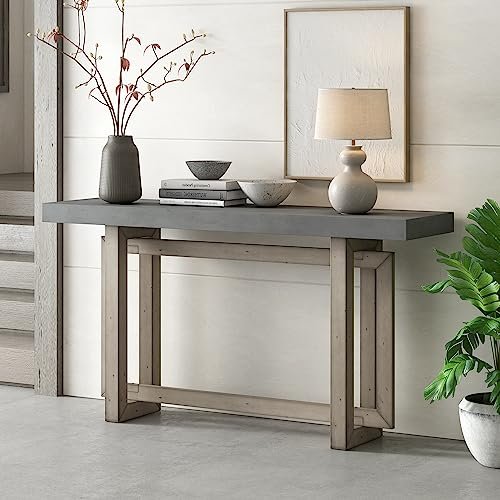
A console table is one of those quietly versatile pieces that solves problems all over the house. Narrow and shallow by design, it fits where bulkier furniture can’t — behind a sofa, along a hallway, in an entryway, or under a wall-mounted TV. The right console table adds storage, surface space, and style to spots that often go unused. This guide covers modern console table designs, where to use them, and how to choose the right one.
Also Read



What Is a Console Table?
A console table is a long, narrow, relatively shallow table designed to sit against a wall or behind a sofa. Because it doesn’t take much depth, it fits into tight or transitional spaces where a full table or cabinet would be too bulky. It provides a surface for decor, lamps, or everyday items, often with storage below, and it’s as much a styling piece as a functional one.
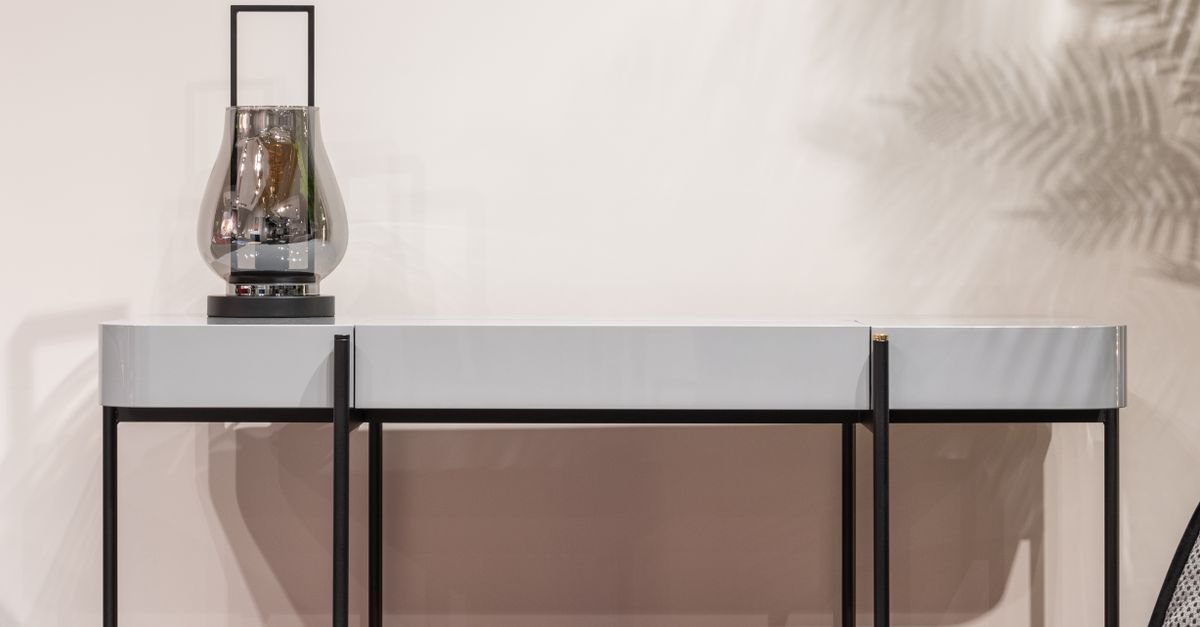
Where to Use a Console Table
Entryway
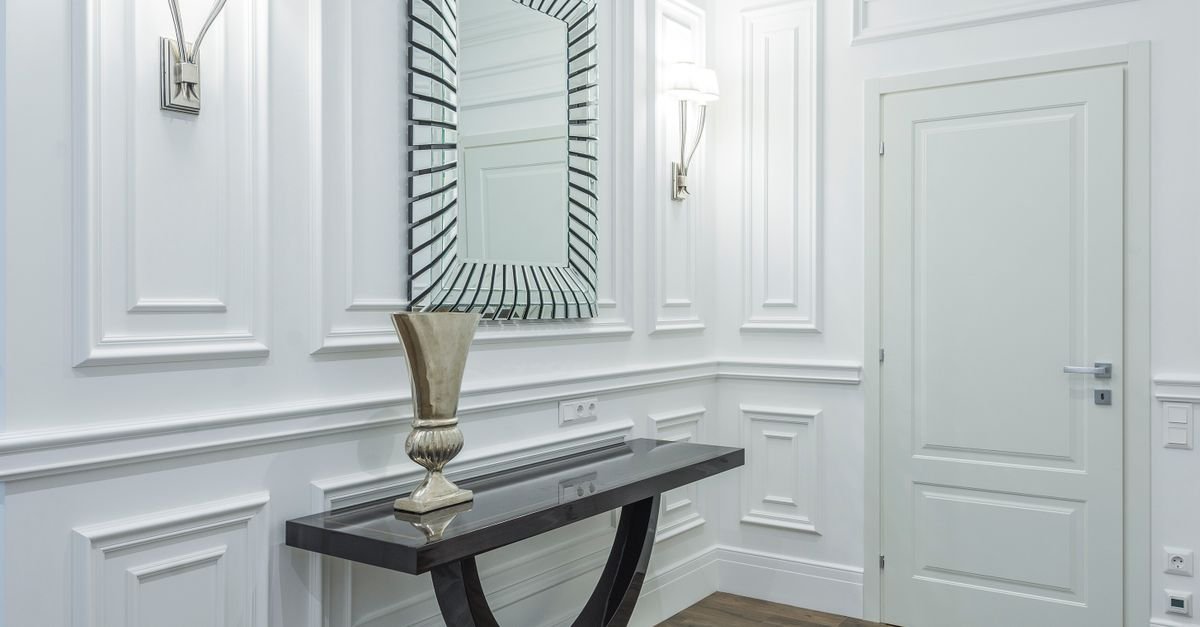
The classic use. A console table by the front door creates a welcoming first impression and a drop zone for keys, mail, and bags. Add a mirror above it, a lamp, and a small tray, and you have a practical, stylish entryway in a slim footprint — perfect even for narrow hallways.
Behind a Sofa
Placed behind a sofa that floats in a room, a console table defines the space, adds a surface for lamps or drinks, and stops the back of the sofa from looking bare. It’s a designer trick that makes open-plan living areas feel more finished and zoned.
Hallway
A slim console fills an empty hallway wall with function and style without obstructing the path. It’s a great spot for a lamp, framed photos, or a decorative vignette that adds warmth to an otherwise pass-through space.
Living Room or Under a TV
A long, low console can sit under a wall-mounted TV as a media surface, or along a living room wall for display and storage. It offers an alternative to a bulkier sideboard where space is limited.
Modern Console Table Styles
- Minimalist & slim — clean lines and a narrow profile for contemporary, uncluttered spaces.
- With drawers or shelves — adds hidden or open storage, ideal for entryways and small homes.
- Mixed materials — wood with metal legs, or stone tops, for an industrial or modern look.
- Glass or acrylic — visually light, making them feel less bulky in small spaces.
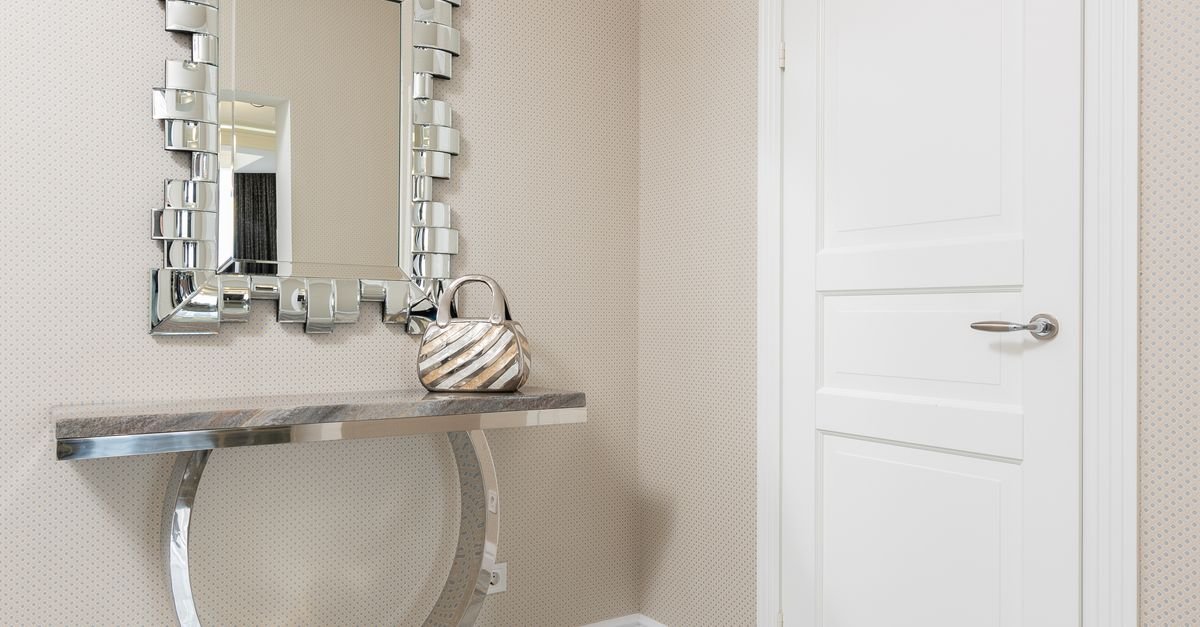
- Curved or sculptural — on-trend soft shapes that double as a statement piece.
Choose a style that complements your existing furniture and the room’s overall look — the console should feel intentional, not random.
How to Choose the Right Console Table
A few practical factors matter. Size is key: measure the space and choose a length that suits the wall or sofa (a behind-sofa console usually works best close to the sofa’s length; an entryway console should fit the wall without crowding the door). Height matters for behind-sofa use — ideally around or just below the sofa back. Depth should be slim enough not to obstruct walkways. Storage — decide whether you need drawers/shelves or just a surface. And consider material and durability for the spot (an entryway console takes more daily wear than a decorative one).
As an Amazon Associate, HomeNeeds24 earns from qualifying purchases.
How to Style a Console Table
Styling is what turns a console from functional to beautiful. A reliable formula: anchor it with something tall on one side (a lamp or a vase of branches), add a mirror or framed art above, layer in a few objects of varying heights grouped in odd numbers, and include a tray or bowl to corral small items. Leave some breathing room — an overcrowded console looks cluttered. Swap a couple of pieces seasonally to keep it fresh. The goal is a balanced, curated vignette, not a packed shelf.
Console Tables for Small Spaces
Console tables are a small-space hero precisely because they’re so slim. In a tight entryway or narrow hall, a shallow console adds function without blocking the path. Choose one with drawers for hidden storage, or a glass/open design to keep the area feeling light. Wall-mounted (floating) console tables free up floor space entirely and reinforce a modern look. For apartments and compact homes, a console often works where a bigger piece simply won’t fit.
Frequently Asked Questions
What is a console table used for?
It’s a slim table for entryways (a drop zone for keys and mail), behind sofas (to define space and hold lamps), hallways, or under a TV — providing surface space and often storage where bulkier furniture won’t fit.
How long should a console table be?
Match it to the space: an entryway console should fit the wall without crowding the door; a behind-sofa console usually looks best close to the sofa’s length. Always measure first.
How high should a console table behind a sofa be?
Ideally around the same height as the sofa back or just below it, so it sits neatly behind without towering over the seating.
Are console tables good for small spaces?
Yes — their slim depth makes them ideal for narrow entryways and hallways. Choose drawers for storage or a glass/floating design to keep the space feeling open.
Key Takeaways
- A console table is a slim, versatile piece for entryways, behind sofas, hallways, and under TVs.
- Modern styles range from minimalist and storage-focused to glass, mixed-material, and sculptural.
- Choose by size, height, depth, storage needs, and durability for the spot.
- Style it with a lamp or vase, mirror/art above, layered objects, and breathing room.
- Slim and floating consoles are excellent space-savers for small homes.
A console table is a small piece that punches above its weight — adding style, surface, and storage to overlooked spaces. Choose the right size and style for the spot, and style it with care. For more ideas, visit our home setup guides and the full Furniture collection.

I'm Nasir Uddin Khan, founder of HomeNeeds24 and a senior IT consultant with 18+ years' experience in Oracle database administration, enterprise infrastructure and ERP system design. I write the buying guides here and I build every calculator on the site myself, from published engineering standards rather than opinion. My research is structured rather than lab-based: manufacturer specifications, safety and efficiency standards, and the trade-offs that repeat across large volumes of verified customer reviews. Where I have direct hands-on experience — smart home, networking, energy and anything computer-adjacent — I say so in the guide.