
Preparing your home for a baby can feel overwhelming, especially with endless lists of “must-have” products competing for your attention and budget. The truth is that newborns need far less than the marketing suggests. What matters most is setting up a few key areas well — for sleeping, feeding, changing, and safety — so the early weeks are calmer for everyone.
Also Read



This guide cuts through the noise with a practical baby and kids home setup for new parents. It focuses on the genuine essentials, how to organize them, and how to make your home safe, so you can prepare confidently without buying things you’ll never use.
Set Up a Safe Sleep Space
Where your baby sleeps is the most important area to get right, both for safety and for everyone’s rest. A safe sleep space is simple by design.
The Essentials
A crib, cot, or bassinet with a firm, well-fitting mattress is the foundation. Following safe-sleep guidance — a clear sleep space without loose bedding, pillows, or soft toys — matters far more than any accessory. Fitted sheets made for the mattress and appropriate sleepwear keep baby comfortable without the risks of loose blankets. Keep the room at a comfortable, moderate temperature.
Helpful Extras
A few additions genuinely help. Blackout curtains encourage longer sleep by keeping the room dark. A baby monitor lets you rest in another room while keeping an ear or eye on your baby. A dim night light makes nighttime feeds and changes easier without fully waking anyone. These aren’t strictly essential, but they make the early months smoother.
Create an Efficient Feeding Station
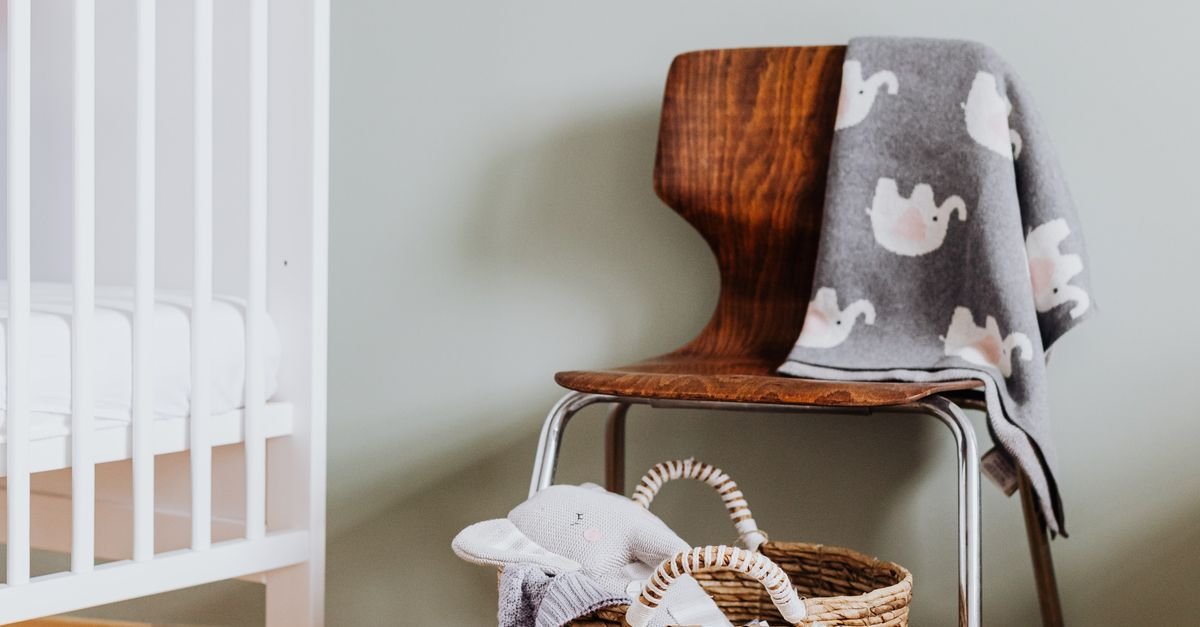
Newborns feed often, day and night, so a comfortable, well-stocked feeding spot saves a great deal of effort. A supportive chair where you can sit comfortably for long stretches makes a real difference. Keep the essentials within arm’s reach — whatever your feeding method requires, plus burp cloths, water for yourself, and a place to set things down. Having everything in one organized spot means you’re not hunting for supplies during a night feed when you’re exhausted.
Organize a Practical Changing Area
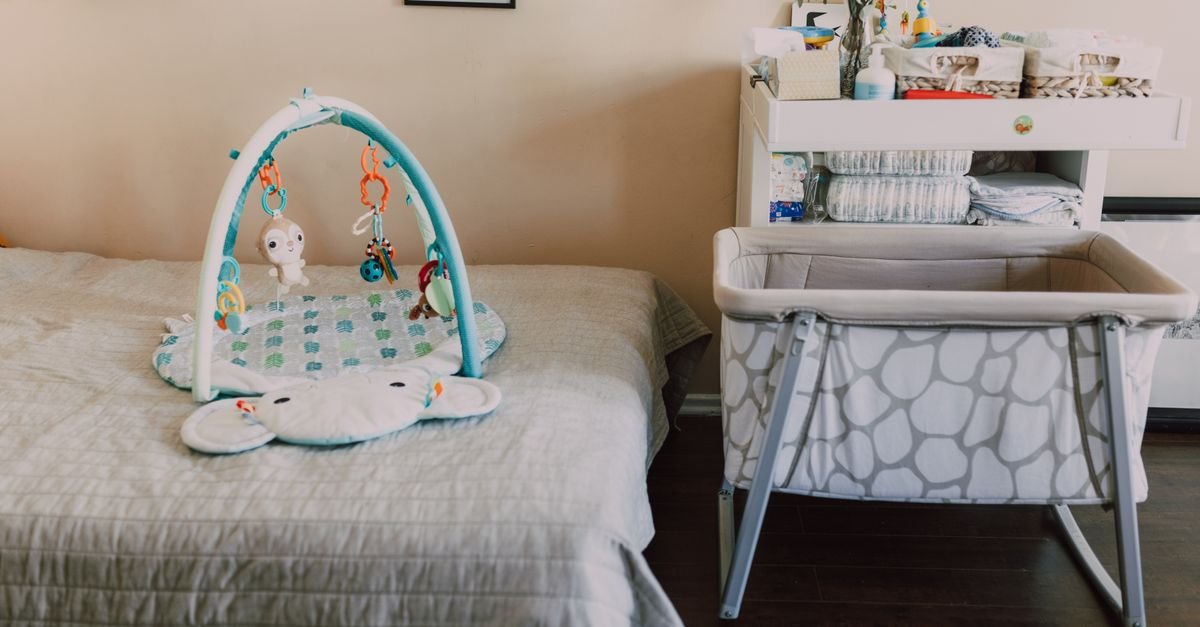
You’ll change a lot of diapers, so an efficient changing area pays off immediately. A stable surface at a comfortable height — a changing table or a secured changing pad on a dresser — saves your back. Keep diapers, wipes, creams, and a change of clothes stocked and within reach, because you can never step away from a baby on a raised surface. A nearby bin for disposal keeps the area hygienic. Restocking supplies before they run out prevents stressful mid-change scrambles.
Baby-Proof Your Home Early
Babies become mobile faster than parents expect, so it’s wise to baby-proof before you think you need to. Getting down to floor level reveals hazards from a baby’s perspective.
Key Safety Steps
Secure heavy furniture and shelves to the wall so they can’t tip, and use gates at stairs and doorways to dangerous areas. Cover electrical outlets, secure loose cords, and keep small objects, medicines, and chemicals well out of reach. Add corner protectors to sharp edges and locks to cabinets and drawers with anything unsafe. Doing this early means you’re prepared when your baby suddenly starts crawling.
Keep Storage Simple and Accessible
Babies accumulate a surprising amount of gear, and good organization keeps it manageable. Sort clothes by size, since babies grow quickly, and keep frequently used items easy to reach. Baskets and bins corral toys, blankets, and supplies. A simple system — a place for clothes, a place for feeding gear, a place for toys — keeps the home from being overrun and makes finding things quick when you need them. Avoid over-buying clothes and gadgets; babies outgrow things fast, and clutter only adds stress.
Focus on What Actually Matters
It’s easy to feel you need every product on the market, but newborns truly need very little: somewhere safe to sleep, to be fed, to be changed, to be kept clean, and to be loved. Set up those core areas well, baby-proof sensibly, and keep the rest simple. You can always add things as you learn what your baby and your routine actually require. A calm, organized home with the essentials in place beats a cluttered one full of unused gadgets every time.
The Nursery Zone Plan (Four Stations, One Calm Room)
Nursery marketing sells themes; parents at 3 a.m. need zones: the sleep zone — crib placed away from windows, cords, and radiators, visible from the door for silent check-ins; the change zone — everything within one-arm reach (the non-negotiable covered below); the feed zone — the comfortable chair, a side table for water and burp cloths, and low light that does not fully wake anyone; the storage zone — current-size clothing and daily supplies at prime height, everything else archived. A newborn uses about four square meters of any room’s function — the zone plan matters; the wallpaper theme genuinely does not, and the budget difference between the two buys a lot of diapers.
Safe Sleep Setup (The Non-Negotiable Section)
Sleep-safety guidance is unusually unified, and the home setup follows it: a bare crib is a safe crib — firm flat mattress, fitted sheet, and nothing else; no pillows, blankets, bumpers, positioners, or plush toys in the first year (wearable sleep sacks replace loose blankets entirely); the crib itself meets current standards — slat spacing tight enough to trap a soda can, no drop-sides (discontinued for cause), and secondhand cribs vetted against recalls and missing hardware rather than accepted on sentiment; mattress fit: two fingers or less of gap at the frame edge; placement: away from window cords (a strangulation-risk category worth cordless blinds by themselves), heaters, and shelving that could shed objects. Room-sharing on a separate sleep surface is widely recommended for the early months; bed-sharing setups are a conversation for your pediatrician, not a furniture aisle. This is the one section of home decor where the boring checklist is the entire point — and where every guideline question goes to your pediatrician, not to us or the parent forum.
The Changing Station That Saves Your Back and Your Nerves
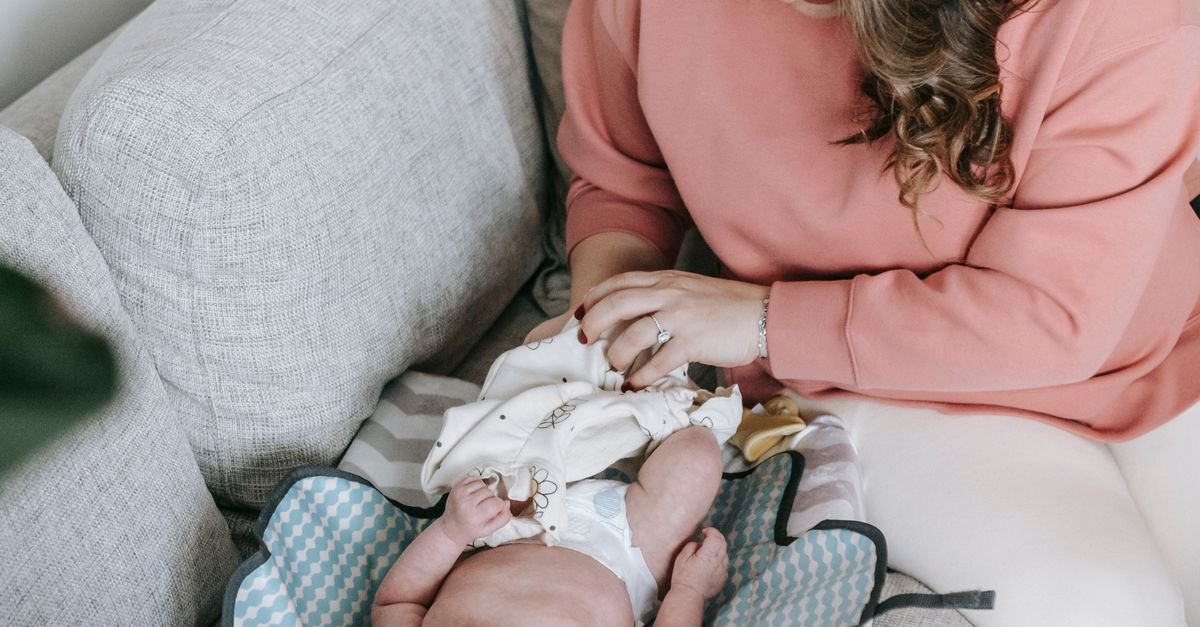
Height first: a changing surface at standing elbow height (usually a dresser-top changer at 85–95 cm) saves a thousand daily back-bends — the dresser-plus-changing-pad combo also outlives the diaper era as plain furniture, which dedicated changing tables do not. The one-arm-reach rule: diapers, wipes, cream, and the changing-pad liner all live where one hand reaches them while the other never leaves the baby — falls from changing height are the classic preventable nursery injury, and the strap on the pad is a supplement to a hand, not a substitute. Restock as ritual: the station gets refilled at night-check time, because discovering the empty wipes container mid-event is a rite of passage nobody needs twice. The pail question, honestly: fancy diaper pails mostly sell filter cartridges — any well-sealed can emptied daily performs comparably; spend the difference on a second changing-pad cover for laundry-day continuity (the laundry system becomes very relevant, very fast).
Babyproofing by Stage (A Timeline, Not a Weekend)
Proofing works best matched to mobility milestones — each stage has a headline job: before rolling (0–4m): the furniture-anchoring pass — every dresser, bookcase, and TV strapped to studs (tip-over incidents are a leading nursery hazard and anchoring is a fifteen-minute fix per piece — the stud-finding skills from our home-improvement pillar pay their first dividend here); crawling (6–10m): outlet covers, cord management, floor-level cabinet locks on chemicals and medicines, stair gates ordered before the first ascent attempt; cruising and climbing (10m+): corner guards on sharp-edged tables, oven and toilet locks by temperament, window guards and cordless blinds, and the ongoing audit of what newly-reachable surfaces now hold; the household rule that outlasts every gadget: hot drinks, small objects, and medications live above the rising tide line of reach, re-surveyed every few months. Proof for the stage after the current one — babies change faster than shopping lists.
Storage That Grows With Them (The Rotation System)
Kids’ stuff arrives in size waves, and the households that stay sane run rotation: the three-bin clothing flow — current size in the dresser, next size staged in a labeled bin, outgrown into the archive/donate bin the day it stops fitting (folded-back sleeves are the flag); the toy library — a third of the toys out, two-thirds stored, swapped monthly: fewer toys out means deeper play and a floor that can be reclaimed nightly; label everything by size and season, because “mystery bin, probably 18-month winter?” is a sentence with a real cost at 11 p.m.; storage furniture that converts — open floor bins toddlers can operate beat lidded chests (finger-safety and cleanup-participation both), and the changing dresser, bookcase, and closet system should all have an obvious job in the room’s age-seven version. Buy furniture for the decade and bins for the stage.
The Parents’ Corner (The Most Used Seat in the House)
The feeding chair logs more night hours than any furniture purchase of the decade — specify it like it matters: real armrest support at feeding height, a back tall enough to rest a head against, washable upholstery (see: everything above), and a side table that holds water, phone, and burp cloth without acrobatics. Light strategy: a dim, warm, low-mounted night light path from door to chair to crib — bright overheads at 3 a.m. fully wake both shift workers of this arrangement; smart bulbs at their lowest warm setting excel here. Sound, honestly: white-noise machines are a well-supported sleep aid at modest volume placed across the room — not a magic device, and not something to run at hair-dryer volume next to the crib. The monitor: a reliable audio or video baby monitor is about parent sleep quality as much as safety — buy for reliable connection and battery, not for the app-features arms race. The nursery serves the baby; the corner serves the people keeping the baby alive — furnish both.
The Real Registry: What You Need vs What Gets Marketed
The baby industry sells fear and convenience in equal measure; the home needs less than the checklist claims. Genuinely essential: the safe-sleep setup, a car seat (the one non-negotiable purchase best bought new), the changing station, a feeding chair, a stroller or carrier matched to your actual streets, and boring volumes of onesies, burp cloths, and diapers. Nice if gifted: the swing or bouncer (borrow first — babies veto these unpredictably), the fancy monitor tier, the bottle gadgetry. Skippable with confidence: wipe warmers, crib theme sets whose bumpers and pillows safe-sleep rules exclude anyway, shoe wardrobes for humans who cannot walk, and most “developmental” electronics under age one — the baby’s favorite toy is your face, followed closely by the box the monitor came in. Registry rule of thumb: borrow the maybes, buy the certainties, and bank the difference against the daycare bill nobody registers for.
The Secondhand Playbook (Where to Save and Where to Never)
Kids’ gear is the best secondhand market in the home — with bright red lines: never secondhand — car seats (invisible crash history and expiry dates are real), crib mattresses past firmness, anything recalled, and drop-side cribs at any price; gloriously secondhand — clothing by the bin (worn weeks, outgrown instantly), books, wooden toys, high chairs that wipe down, and the entire category of baby-carrier fabric that other parents exit monthly. Check every used item’s model against the recall databases (a two-minute search), tighten every bolt, and wash everything washable on hot. The savings fund the never-secondhand list — which is exactly the trade the safety math wants you to make.
The Whole-House Reality (Babies Do Not Stay in the Nursery)
By month eight the nursery is one province of an occupied country, so extend the systems: a diaper satellite (caddy with a mat) on each floor you live on, because stairs at 2 a.m. are a tax; a play zone in the living room with a washable rug, a low toy bin, and sight lines from the kitchen — the family room becomes the actual nursery of daytime; kitchen adaptation — one low cabinet of baby-safe pots and wooden spoons buys twenty minutes of dinner-prep peace (and one locked cabinet holds everything that ends in -icide); the car-and-door pipeline — a launch shelf by the exit with the diaper bag restocked-by-ritual, because the household’s new bottleneck is the twelve minutes before any departure. The theme across all of it: put supplies where life happens, not where the theme says they photograph best.
Budget Builds: Three Nurseries
The $400 essentials nursery: a new-mattress compliant crib (floor models and simple IKEA-tier cribs pass the same standards), dresser-top changing pad, secondhand feeding chair with a washable throw, clip-on book rail, and bin storage — fully safe, fully functional. The $1,200 comfort nursery: upgrade the feeding chair to a true glider, add blackout curtains (a genuine sleep tool, not decor), the video monitor, a proper wardrobe system with rotation bins, and the warm-dim lighting plan. The $3,000+ showcase nursery: spend it if it brings joy — but know that the baby’s outcomes live entirely in the first tier, and the delta is for the adults and the photographs. Every tier obeys the same three laws: safe sleep bare, furniture anchored, chemicals locked — the rest is taste.
The Nursery Card, In One Paragraph
Sleep: bare crib, firm mattress, sleep sack, away from cords and windows — pediatrician for every question. Change: elbow height, one-arm reach, hand never leaves the baby. Proof: anchor before rolling, gate before crawling, guard before climbing — stage-ahead always. Store: current size in drawers, next size staged, outgrown archived, toys rotated. Parents: a real chair, a dim light path, white noise across the room. Money: essentials new where safety demands, secondhand everywhere else, themes last. One paragraph, one safe calm room, and years of 3 a.m. logistics already half-won.
Common Nursery Mistakes
Decorating before anchoring — the gallery wall goes up in an afternoon while the dresser stands unstrapped for a year; reverse the order. Buying the crib bedding set — the quilt-and-bumper bundles contradict safe-sleep guidance out of the bag; a spare fitted sheet is the entire linen wardrobe. The changing station across the room from the supplies — one-arm reach or it fails at 3 a.m. Newborn-sizing the whole wardrobe — babies exit newborn sizes in weeks; buy across the first year’s curve. Proofing reactively — the first stair-climb should meet an installed gate, not inspire one. Perfectionism as a budget line — the themed showcase room serves the parents’ feed; the safe, dim, calm, restockable room serves the family. When in doubt on any safety question, the pediatrician outranks every blog, this one included.
Start This Weekend (Nesting, Prioritized)
Saturday: the anchoring pass — every tippable piece strapped to studs — then the safe-sleep audit: bare crib, firm mattress, two-finger gap check, cords and shelves cleared from the perimeter. Sunday: build the one-arm-reach changing station, stage the three-bin clothing rotation, and set the dim light path from door to chair to crib. Those two days cover ninety percent of what actually protects the newcomer — the mural, if it happens, is dessert.
How This Pillar Connects to the Rest of the Library
The nursery is where every doctrine in this library takes its exam: the anchoring and installation work comes straight from the home-improvement pillar’s tool tiers and stud-finding basics; the rotation storage is the closet system’s logic accelerated to a child’s growth rate; the washable-everything rule arrives pre-learned from the pet and laundry chapters; and the dim-light path is the bedroom lighting philosophy tuned for 3 a.m. navigation. Families who built those habits room by room discover the nursery is not a new subject — it is a final project, graded nightly, by the most honest critic the house has ever had.
The One-Sentence Test
Stand in the nursery doorway tonight and ask: is the crib bare, is the furniture anchored, and can I do a full change and feed without leaving arm’s reach or turning on a bright light? Three yeses and the room is ready for the hard shifts, whatever remains unpainted; any no is this weekend’s list — and each is an under-an-hour fix. The room earns its keep at 3 a.m., and that is the hour to design for.
Frequently Asked Questions
What do I really need before the baby arrives?
A safe sleep space, a comfortable feeding setup, an organized changing area, basic clothing and bathing supplies, and a baby-proofed home. Much of the rest can wait until you know what you actually need.
How do I set up a safe sleep space?
Use a crib or bassinet with a firm, well-fitting mattress, keep the space clear of loose bedding, pillows, and soft toys, use fitted sheets and appropriate sleepwear, and keep the room at a moderate temperature.
When should I baby-proof my home?
Before you think you need to — babies become mobile quickly. Secure furniture, cover outlets, gate stairs, and remove hazards early so you’re ready when crawling begins.
How can I avoid overspending on baby gear?
Focus on the genuine essentials for sleeping, feeding, changing, and safety. Avoid over-buying clothes and gadgets, since babies grow fast and clutter adds stress. Add extras as real needs emerge.
Key Takeaways
- Get the sleep space right first — a firm mattress and a clear, safe cot matter most.
- Set up a comfortable, well-stocked feeding station for frequent day-and-night feeds.
- Organize a practical changing area with everything within arm’s reach.
- Baby-proof early: secure furniture, cover outlets, gate stairs, and remove hazards.
- Keep storage simple, avoid over-buying, and focus on the genuine essentials.
Preparing for a baby is less about buying everything and more about setting up a few key areas well. Get sleep, feeding, changing, and safety sorted, keep the rest simple, and you’ll welcome your baby into a calm, ready home. For more practical guidance, visit our home setup guides and the full Baby & Kids collection.
More Baby & Kids Guides & Reviews
- Best Desks for Kids: Fit First, Adjustable Always
- Toy Storage Ideas That Kids Can Actually Run Themselves
- Baby Jogger City Select 2: Stroller and Accessory Checklist
- Toddler Room Ideas: Safe First, Independent Second, Calm Always
- Nursery Storage Ideas: The Zone System That Survives How Fast They Grow
- Nursery Setup Guide: Design a Safe & Functional Baby Room
- Baby Monitor Buying Guide: WiFi or Not — Decide That First
- Homework Station Ideas: Place, Caddy, and the Three-Tray Paper Flow

I'm Nasir Uddin Khan, founder of HomeNeeds24 and a senior IT consultant with 18+ years' experience in Oracle database administration, enterprise infrastructure and ERP system design. I write the buying guides here and I build every calculator on the site myself, from published engineering standards rather than opinion. My research is structured rather than lab-based: manufacturer specifications, safety and efficiency standards, and the trade-offs that repeat across large volumes of verified customer reviews. Where I have direct hands-on experience — smart home, networking, energy and anything computer-adjacent — I say so in the guide.