
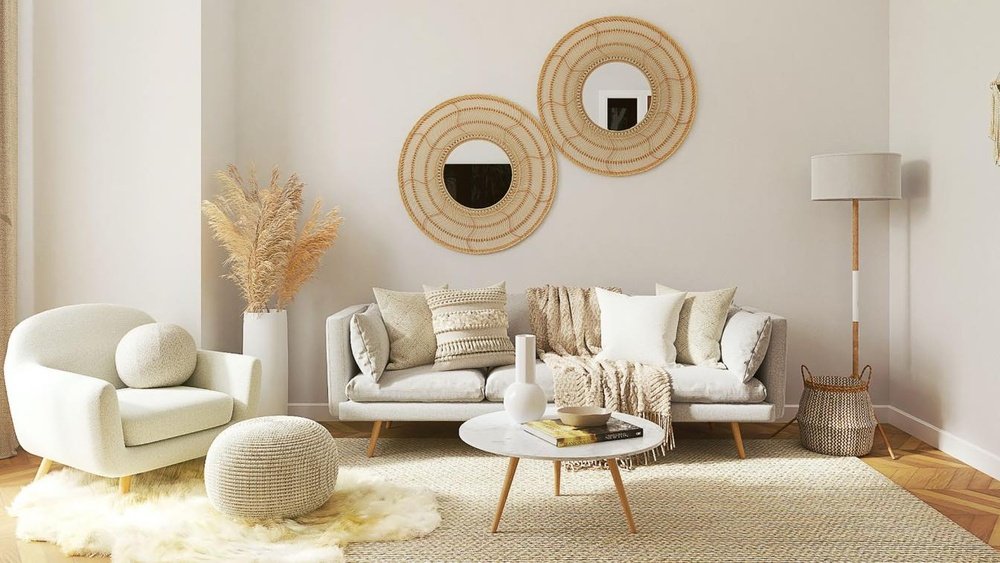
Choosing the right furniture can change the way you feel in your home. Imagine walking into a room that instantly makes you comfortable and happy.
Also Read



That’s the power of picking pieces that fit your style, space, and needs perfectly. But with so many options out there, how do you make sure you don’t end up with something you’ll regret? This guide will help you avoid common mistakes and find furniture that truly works for you.
Keep reading, and discover how simple choices can create a space you love every day.
Assess Your Space
Assessing your space is the first step to choose the right furniture. It helps you pick pieces that fit well and feel comfortable. This makes your room look balanced and organized. Take time to understand your space before buying furniture.
Measure Room Dimensions
Start by measuring the length and width of your room. Use a tape measure for accuracy. Write down the numbers to avoid mistakes. Knowing the size helps you choose furniture that fits well. Avoid buying pieces that are too big or too small.
Identify Traffic Flow
Notice how people move in the room. Mark the paths where most walking happens. Leave enough space for easy movement. Furniture should not block these paths. Clear traffic flow keeps the room functional and safe.
Consider Natural Light
Check where sunlight enters the room. Place furniture to enjoy natural light. Avoid blocking windows with large pieces. Light makes the space feel bigger and warmer. Use furniture color and material that suits sunlight.
Credit: digthisdesign.net
Set Your Style
Setting your style is the first step in choosing the right furniture. It guides every decision you make. Your style shows who you are and creates a space that feels like home.
Explore different styles to find what fits your taste. Mix and match pieces to add interest. Add personal touches to make your space unique and inviting.
Explore Popular Styles
Popular styles include modern, rustic, and classic designs. Modern style focuses on clean lines and simple shapes. Rustic style uses natural materials and warm colors. Classic style features elegant and timeless pieces. Finding a style helps narrow down choices and creates harmony.
Mix And Match Elements
Combining different furniture styles adds character. Pair a vintage chair with a modern table. Blend soft fabrics with hard surfaces. This creates a space that feels fresh and interesting. Balance is key to avoid clutter.
Incorporate Personal Touches
Personal touches make a room truly yours. Add items that tell your story, like family photos or travel souvenirs. Choose colors and textures that you love. These small details create warmth and comfort in your home.
Focus On Functionality
Choosing furniture is not just about looks. Functionality plays a big role in making your space useful and comfortable. Focus on pieces that serve a purpose and fit your lifestyle. This approach saves space, time, and money. Below are key points to help you focus on functionality when selecting furniture.
Choose Multi-purpose Pieces
Furniture that does more than one job is smart. A sofa bed offers seating and a place to sleep. Tables with storage keep items hidden but close. These pieces help use space wisely. Great for small rooms or busy homes.
Prioritize Comfort
Comfort matters most in furniture you use daily. Chairs and sofas should support your body well. Test cushions and backrests before buying. Comfortable furniture makes your home inviting and relaxing. Don’t settle for style over comfort.
Plan For Storage Needs
Storage helps keep your home tidy. Look for furniture with built-in drawers or shelves. Beds with storage underneath save space. Organizing items makes rooms look bigger and cleaner. Think about what you need to store before choosing.
Credit: www.clubfurniture.com
Select Materials And Finishes
Choosing the right materials and finishes is key to good furniture. The materials affect how the furniture looks and lasts. Finishes protect the surfaces and add style. Picking the right ones helps match your home and lifestyle. It also makes your space feel cozy and inviting.
Compare Wood Types
Wood comes in many types, each with a unique look. Hardwoods like oak and maple are strong and last long. Softwoods like pine are lighter and cheaper. Exotic woods offer rich colors but cost more. Think about color, grain, and strength when choosing wood. Matching wood type with your room style matters too.
Evaluate Upholstery Options
Upholstery adds comfort and style to furniture. Fabric types vary from cotton to velvet and leather. Cotton is soft and breathable but can stain easily. Leather looks elegant and is easy to clean. Synthetic fabrics are tough and resist stains. Choose upholstery that fits your comfort needs and home use.
Consider Durability And Maintenance
Durability means how well furniture holds up over time. Some materials need more care than others. Wood may need polishing, while metal may resist scratches. Upholstery might require regular cleaning or special treatments. Think about how much time you want to spend on upkeep. Durable, low-maintenance materials save effort and keep furniture looking good.
Balance Color And Texture
Balancing color and texture in furniture creates a harmonious space. It makes rooms feel cozy and well-planned. Careful choices bring out the best in your furniture and decor. This balance helps avoid dull or overwhelming looks.
Coordinate With Existing Decor
Start by matching furniture colors with your room’s palette. Choose shades that blend smoothly with walls and floors. Use textures that complement fabrics like curtains or rugs. Soft furniture works well with smooth walls. Rough textures pair nicely with sleek surfaces. This creates a unified, calm environment.
Use Contrasts For Interest
Contrasts catch the eye and add energy to a room. Pair light furniture with dark floors or vice versa. Mix smooth leather with rough wood for depth. Contrast soft fabrics with hard metals for a modern feel. These differences make your space lively and unique. Keep contrasts balanced to avoid clashing.
Incorporate Patterns Wisely
Patterns add character but need careful use. Choose patterns that match your room’s style. Small patterns work best on cushions or chairs. Large patterns suit rugs or curtains. Mix one pattern with solid colors to keep calmness. Avoid too many patterns to prevent chaos. Patterns should enhance, not overpower, your decor.
Set A Budget
Setting a budget is the first step in choosing the right furniture. It helps you avoid overspending and keeps your buying process clear. A good budget guides your choices and lets you focus on what matters most. Knowing your limits brings peace of mind while shopping.
Smart budgeting means balancing quality and cost. It also means planning for the future. Thoughtful budgeting makes your home look great without stress.
Allocate Funds By Priority
Start by listing the furniture you need most. Spend more on items used daily, like sofas and beds. Save on pieces used less often. Prioritize comfort and durability for key items. This method helps you get the best value for your money.
Find Quality Within Budget
Look for well-made furniture that fits your price range. Check materials and build quality carefully. Sometimes, simple designs last longer and cost less. Avoid very cheap items that wear out fast. Good quality furniture feels sturdy and looks neat.
Plan For Future Upgrades
Think about your needs in the coming years. Buy basics now and upgrade later if needed. This approach spreads out costs and reduces pressure. Keep extra funds ready for improvements or new styles. Planning ahead helps your home stay fresh and functional.
Shop Smart
Shopping for furniture needs a smart approach. It saves money and ensures quality. Understanding your options helps you pick the best pieces. Here are some tips to shop smart and make good choices.
Research Brands And Stores
Start by researching brands and stores. Check their reputation for quality and service. Read customer reviews to learn about real experiences. Look for stores with good return policies and warranties. This reduces risks and gives peace of mind.
Test Before You Buy
Always test furniture before buying it. Sit on chairs and sofas to check comfort. Open drawers and doors to check smoothness. Feel the material for durability and texture. Testing avoids surprises and ensures satisfaction.
Look For Sales And Discounts
Sales and discounts offer great chances to save. Watch for seasonal sales or clearance events. Sign up for newsletters to get alerts on deals. Compare prices between stores to find the best offers. Smart shopping means better furniture for less money.
Credit: ds-miami.com
Arrange For Delivery And Assembly
Arranging delivery and assembly for new furniture is a key step in creating your perfect space. This process ensures your furniture arrives safely and fits well in your home. Proper planning avoids delays and damage. It also saves time and stress.
Check Delivery Options
Confirm delivery times with the seller before purchase. Some stores offer same-day or scheduled delivery. Ask if they provide contact updates on your order. Check if there are extra fees for delivery to your address. Make sure the delivery team can bring items inside your home. Verify if they handle packaging removal and old furniture disposal.
Prepare Your Space
Clear pathways from the door to the furniture spot. Measure doorways and hallways to ensure furniture fits. Remove obstacles like rugs or small tables. Protect floors using blankets or cardboard if needed. Decide where each item will go in advance. Keep pets and children away during delivery and assembly.
Follow Assembly Tips
Read the instruction manual carefully before starting assembly. Organize all parts and tools in one place. Use the right tools to avoid damage. Assemble furniture on a soft surface to prevent scratches. Work slowly and follow each step in order. Ask for help with heavy or large pieces.
Frequently Asked Questions
How To Choose Furniture That Fits Your Space?
Measure your room before buying furniture. Choose pieces that complement the room’s size and shape. Avoid overcrowding to keep the space functional and comfortable.
What Materials Are Best For Durable Furniture?
Solid wood, metal, and high-quality upholstery are durable choices. These materials offer longevity and withstand daily use. Consider your lifestyle and maintenance needs when selecting furniture materials.
How To Match Furniture Style With Home Decor?
Identify your home’s overall style first. Choose furniture that complements existing colors and patterns. Mixing styles can work if balanced thoughtfully for a cohesive look.
What Furniture Is Essential For A Living Room?
A sofa, coffee table, and storage units are essential. Add chairs for extra seating and lighting for ambiance. Prioritize comfort and functionality when selecting pieces.
Conclusion
Choosing the right furniture shapes your space and comfort. Think about your needs first. Consider style, size, and budget carefully. Quality matters for long-term use. Test pieces when possible to feel comfort. Match furniture with your room’s purpose. Simple choices often work best.
Your home reflects who you are. Take time to decide. Make your space both useful and inviting. Enjoy the process of creating a cozy home.
Recommended on Amazon
Browse top-rated, popular options for this topic:
As an Amazon Associate, HomeNeeds24 earns from qualifying purchases.

I'm Nasir Uddin Khan, founder of HomeNeeds24 and a senior IT consultant with 18+ years' experience in Oracle database administration, enterprise infrastructure and ERP system design. I write the buying guides here and I build every calculator on the site myself, from published engineering standards rather than opinion. My research is structured rather than lab-based: manufacturer specifications, safety and efficiency standards, and the trade-offs that repeat across large volumes of verified customer reviews. Where I have direct hands-on experience — smart home, networking, energy and anything computer-adjacent — I say so in the guide.