

Warm white (2700–3000K) gives a cozy, yellowish glow that’s perfect for living rooms and bedrooms, while cool white (4000K+) gives a crisp, bluish light better suited to kitchens, bathrooms and workspaces. The number to look for on the box is the Kelvin (K) rating — and getting it right room by room transforms how your home feels. Here’s the whole guide.
Also Read



Key Takeaways
- Kelvin (K) = light color: lower is warmer/yellower, higher is cooler/bluer.
- Warm white (2700–3000K) for relaxing rooms; cool white (4000K+) for task areas.
- Brightness is lumens, not watts — the two are separate choices.
- Don’t mix temperatures in one room — it’s why lighting “feels wrong.”
- Smart bulbs let one bulb do both, changing with the time of day.
What do warm white and cool white actually mean?
They describe the color of white light, not its brightness.
Warm white leans golden and yellow, like a sunset or candlelight. Cool white leans blue, like midday daylight.
Neither is “better” — they set completely different moods, which is why choosing by room matters so much.
The video below from The Lighting Outlet shows the difference side by side, room by room.
Kelvin explained: the number that decides everything

Light color is measured on the Kelvin scale, printed on every bulb box.
- 2200–2700K: very warm — candlelight, vintage-style bulbs.
- 2700–3000K: warm white — the classic cozy home glow.
- 3500–4000K: neutral/cool white — clean and alert.
- 5000–6500K: daylight — crisp, blue-toned, maximum focus.
Memorize one thing: lower = cozier, higher = crisper.
Watts vs lumens vs Kelvin: untangling the box
Three numbers, three different jobs.
Lumens = brightness (how much light). Kelvin = color (warm or cool). Watts = energy used — which, with LEDs, no longer tells you brightness.
A bulb can be bright and warm, or dim and cool — pick lumens and Kelvin separately.
Why rooms “feel wrong”: the mixing mistake
Here’s the most common lighting error in homes.
Mixing warm and cool bulbs in the same room — a cool ceiling light with warm lamps — creates a subtle visual clash your eye reads as “off,” even if you can’t name it.
Pick one temperature per room and match every bulb to it. The change is instant and surprisingly dramatic.
Best light for the living room
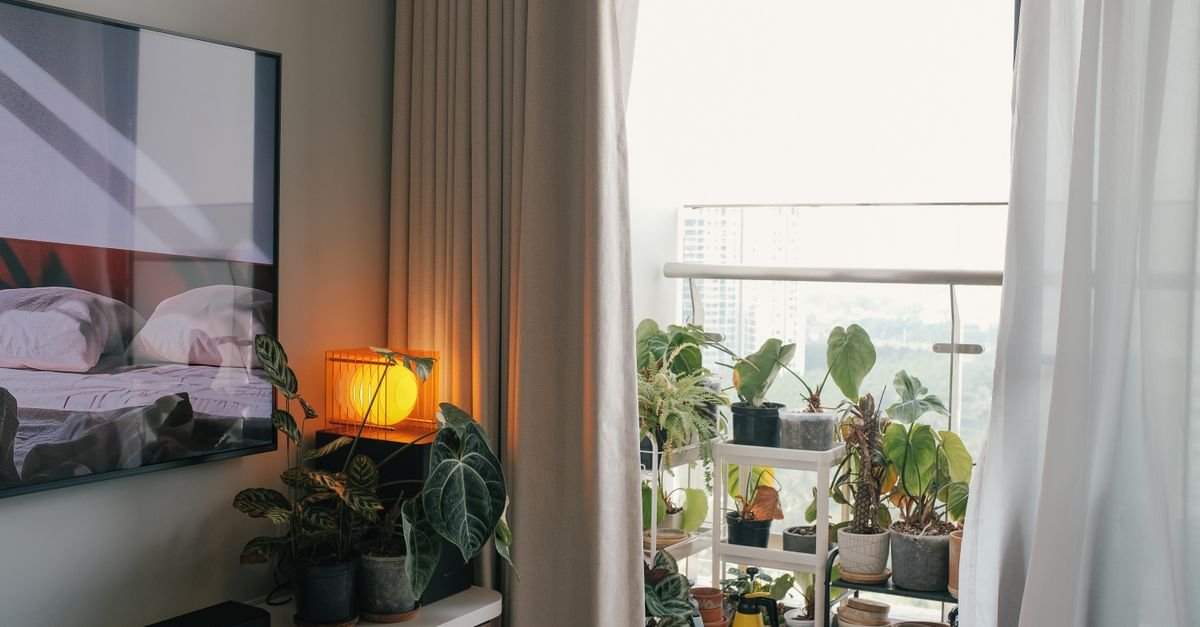
Warm white, 2700K.
The living room is for relaxing, hosting and evenings — warmth makes it inviting and flatters skin, wood and textiles.
Layer it: a soft ceiling light, warm lamps at seating height, and maybe a dimmer. Our small living room ideas show how lighting shapes a space.
Best light for the bedroom
Warm white, 2200–2700K — the warmer the better.
Cool, blue-toned light in the evening works against your body’s wind-down; warm light supports it.
Bedside lamps at low lumens finish the job. See our cozy bedroom ideas for the full formula.
Best light for the kitchen
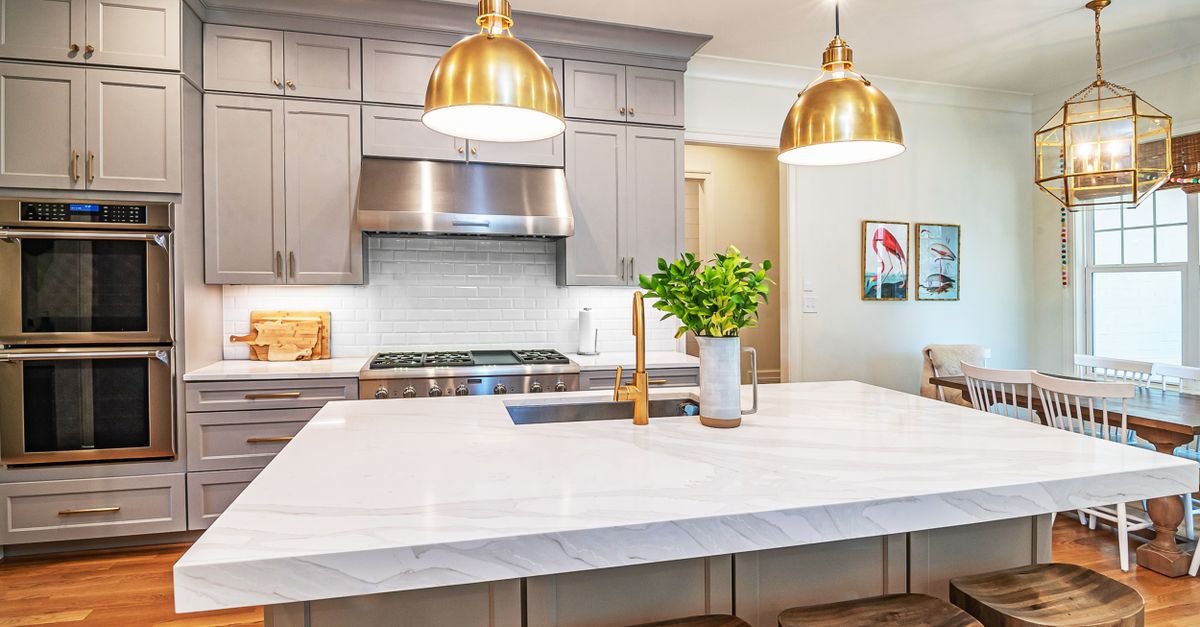
Cool white, 3500–4000K — especially over work zones.
Chopping, cooking and cleaning benefit from crisp, clear light that shows true colors and details.
A popular combo: cool white under-cabinet task lighting with slightly warmer general ceiling light — zoned, not mixed in the same fixture type.
Best light for the bathroom
Cool to neutral white, 3500–5000K around the mirror.
Grooming and makeup need light that shows skin accurately — warm bulbs at the mirror distort colors.
If you love a warm evening bath vibe, put the cool light at the vanity and a warm, dimmable light overhead.
Best light for the home office
Cool white to daylight, 4000–5000K.
Cooler light promotes alertness and focus, which is exactly what a workspace wants.
Position a good task lamp to avoid screen glare, and switch to warmer room lighting when the workday ends — a nice psychological off-switch.
Hallways, dining rooms and everywhere else
Quick answers for the remaining rooms.
Dining room: warm white — food and faces look best in it. Hallways: warm or neutral, matched to adjoining rooms. Laundry/garage/utility: cool white or daylight for visibility.
Guest room? Treat it like a bedroom — warm and restful. More in our guest bedroom ideas.
What is CRI, and should you care?
One more number worth knowing: CRI (Color Rendering Index).
It measures how accurately a bulb shows colors, out of 100. Look for CRI 80+ for general use and 90+ where color matters — mirrors, art, kitchens.
Two bulbs with identical Kelvin can render colors very differently; CRI is why.
How many lumens does each room need?
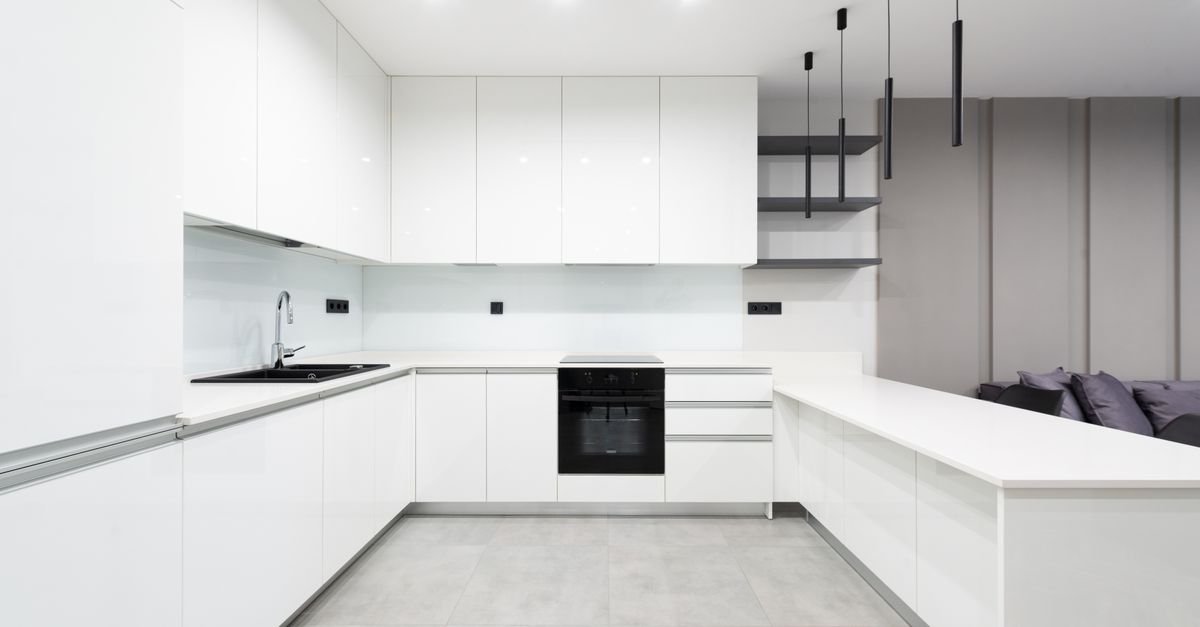
Rough, useful guidelines for total room brightness:
- Bedroom: 1,500–3,000 lumens total, dimmable.
- Living room: 1,500–3,000 lumens, layered across lamps.
- Kitchen: 4,000–8,000 lumens, focused on work zones.
- Bathroom: 4,000–8,000 lumens around the mirror area.
- Office: 3,000–6,000 lumens with a dedicated task lamp.
Spread across several fixtures always beats one blazing overhead.
Dimmers: the upgrade that does both
A dimmer turns one room into many.
Bright for cleaning, medium for daily life, low and golden for evenings — all from the same warm white bulbs.
Just check the box: the bulb must say dimmable, and LED bulbs need an LED-compatible dimmer switch.
Smart bulbs: warm AND cool in one
Can’t commit? You don’t have to.
Tunable smart bulbs shift from warm to cool on command — cool white for daytime tasks, warm amber for evenings — and can automate the change by schedule.
They’re the elegant fix for multi-use rooms. See our guide to smart lighting systems.
Warm vs cool light and your sleep
Light color isn’t just aesthetics — it nudges your body clock.
Bright, blue-toned light in the evening signals “daytime” to your brain, while dim, warm light lets the wind-down happen naturally.
Practical rule: after dinner, keep lights warm and low — especially in the bedroom.
LED vs old bulbs: does the type matter?
Today it’s LEDs, and that’s good news.
LEDs come in every color temperature, use a fraction of the energy, and last for years — the old “warm incandescent vs harsh fluorescent” trade-off is gone.
Any warmth you want, at any brightness, efficiently: just read the Kelvin and lumens on the box.
How to fix your home’s lighting this weekend
A simple, satisfying project:
- Audit: note each room’s current bulbs (color and brightness).
- Decide: warm for relax rooms, cool for task rooms.
- Match: replace mismatched bulbs so each room is consistent.
- Layer: add a lamp where a room relies on one overhead.
- Dim: add dimmers or smart bulbs where mood matters.
Browse warm white LED bulbs on Amazon to start.
Common lighting mistakes to avoid
- Mixing Kelvin temperatures within one room.
- Buying by watts and ending up with the wrong brightness.
- Daylight bulbs in the bedroom — crisp, but fights your evenings.
- One overhead light doing everything — layer lamps instead.
- Non-dimmable bulbs on dimmer switches (flicker city).
- Ignoring CRI at mirrors and in kitchens.
Quick reference: the whole house at a glance
- Bedroom: 2200–2700K, dimmable.
- Living room: 2700K, layered lamps.
- Dining: 2700K, dimmer if possible.
- Kitchen: 3500–4000K at work zones.
- Bathroom: 3500–5000K at the mirror, CRI 90+.
- Office: 4000–5000K plus task lamp.
- Utility spaces: 4000–6500K, bright.
Screenshot this and take it bulb shopping.
What about “soft white” and “natural white”?
Marketing names muddy the water — here’s the decoder.
Soft white usually means 2700K (warm). Warm white spans 2700–3000K. Natural or neutral white sits around 3500–4000K. Daylight means 5000K+.
Names vary by brand, but the Kelvin number never lies — always buy by the number, not the label.
Lighting for renters: big change, zero renovation
You don’t need to own the place to fix its lighting.
Swapping bulbs, adding plug-in lamps, and using smart bulbs travel with you when you move — no electrician, no landlord conversation.
A renter can transform a cold apartment into a warm one for the cost of a few bulbs and a secondhand lamp.
How light color changes paint and furniture
The same room literally changes color with the bulb.
Warm light amplifies creams, woods and earthy tones but can yellow crisp whites and cool grays. Cool light keeps whites white but can turn warm woods flat and beige rooms clinical.
If a paint color feels “off” at night, try the other temperature before repainting — it’s often the bulb.
Layered lighting: the three levels every room wants
Designers think in three layers, and it’s easy to copy.
Ambient (general room light), task (focused light for cooking, reading, makeup), and accent (lamps and small lights that add depth).
A room with all three at the right temperature feels expensive; a room with one overhead bulb never will.
Energy and lifespan: does temperature change cost?
Good news: color temperature doesn’t affect efficiency.
Warm and cool LEDs of the same lumen output use essentially identical energy and last equally long — typically years of normal use.
So choose temperature purely on mood and function; the electric bill doesn’t care.
Quick fixes for the most common complaints
- “My living room feels like an office” → overheads are 4000K+; swap to 2700K and add a lamp.
- “My kitchen feels dim” → too few lumens, not wrong color; add under-cabinet task light.
- “My makeup looks different outside” → warm mirror light; switch the vanity to 4000–5000K, CRI 90+.
- “The bedroom feels harsh at night” → add a dimmable 2700K lamp and skip the ceiling light after dark.
Outdoor lighting: which temperature?
Outside, the same rules bend slightly.
Warm white (2700–3000K) flatters porches, patios and garden features, feeling welcoming rather than stark. Cooler light suits security and task areas like driveways and garage entries.
Many homes mix them purposefully: warm where people linger, cool where visibility rules.
Bulb shopping cheat sheet
On the box, check these four things in order.
- Kelvin — the mood (2700K cozy → 5000K crisp).
- Lumens — the brightness for the job.
- Dimmable? — if it’s going on a dimmer, it must say so.
- CRI — 90+ where color accuracy matters.
Fitting (base size) and shape matter too — snap a photo of the old bulb before shopping.
Test before you commit: the two-lamp trick
Not sure which temperature a room wants? Audition both.
Put a warm bulb in one lamp and a cool bulb in another, live with each for an evening, and notice where your eye relaxes and where it sharpens.
Your reaction after a real evening beats any chart — rooms are personal, and this five-dollar experiment settles it for good.
Frequently Asked Questions
What is the difference between warm white and cool white?
Warm white (2700–3000K) is a cozy, yellowish light similar to traditional bulbs and candlelight, while cool white (4000K and up) is a crisp, bluish light closer to daylight. Warm suits relaxing spaces like living rooms and bedrooms; cool suits task areas like kitchens, bathrooms and offices.
Which is better for a bedroom, warm white or cool white?
Warm white, ideally 2200–2700K and dimmable. Warm, low light supports your body’s natural wind-down in the evening, while cool blue-toned light works against it. Save cool white for task spaces, not the room where you want to relax and sleep.
What does the Kelvin number on a light bulb mean?
Kelvin (K) measures the color of the light. Lower numbers (2200–3000K) are warmer and more yellow; higher numbers (4000–6500K) are cooler and more blue. It’s separate from brightness, which is measured in lumens — choose both numbers to get the light you want.
Can I mix warm and cool bulbs in the same room?
It’s best not to. Mixing color temperatures in one room creates a subtle clash that makes the lighting feel “off.” Keep every bulb in a room the same temperature; if a room needs both moods, use zones (cool task lighting, warm general light) or tunable smart bulbs.
Is daylight the same as cool white?
Daylight bulbs (5000–6500K) are even cooler and bluer than standard cool white (around 4000K). Daylight is great for garages, workshops, laundry rooms and detailed tasks, but it usually feels harsh in living spaces and bedrooms.
What is CRI and does it matter?
CRI (Color Rendering Index) measures how accurately a bulb shows colors, out of 100. Aim for CRI 80+ generally and 90+ at bathroom mirrors, in kitchens and near art, where true color matters. Two bulbs with the same Kelvin can render colors very differently.
Are smart bulbs worth it for color temperature?
For multi-use rooms, yes. Tunable smart bulbs switch between cool white for daytime focus and warm light for evenings — even automatically on a schedule — so one bulb covers both moods without rewiring anything.
The bottom line
Warm white for the rooms where you unwind, cool white where you work — matched consistently within each room, at the right brightness.
That one weekend of bulb-swapping does more for how your home feels than most furniture purchases.
Take it further with our guides to the best home lighting and smart lighting systems.

I'm Nasir Uddin Khan, founder of HomeNeeds24 and a senior IT consultant with 18+ years' experience in Oracle database administration, enterprise infrastructure and ERP system design. I write the buying guides here and I build every calculator on the site myself, from published engineering standards rather than opinion. My research is structured rather than lab-based: manufacturer specifications, safety and efficiency standards, and the trade-offs that repeat across large volumes of verified customer reviews. Where I have direct hands-on experience — smart home, networking, energy and anything computer-adjacent — I say so in the guide.