
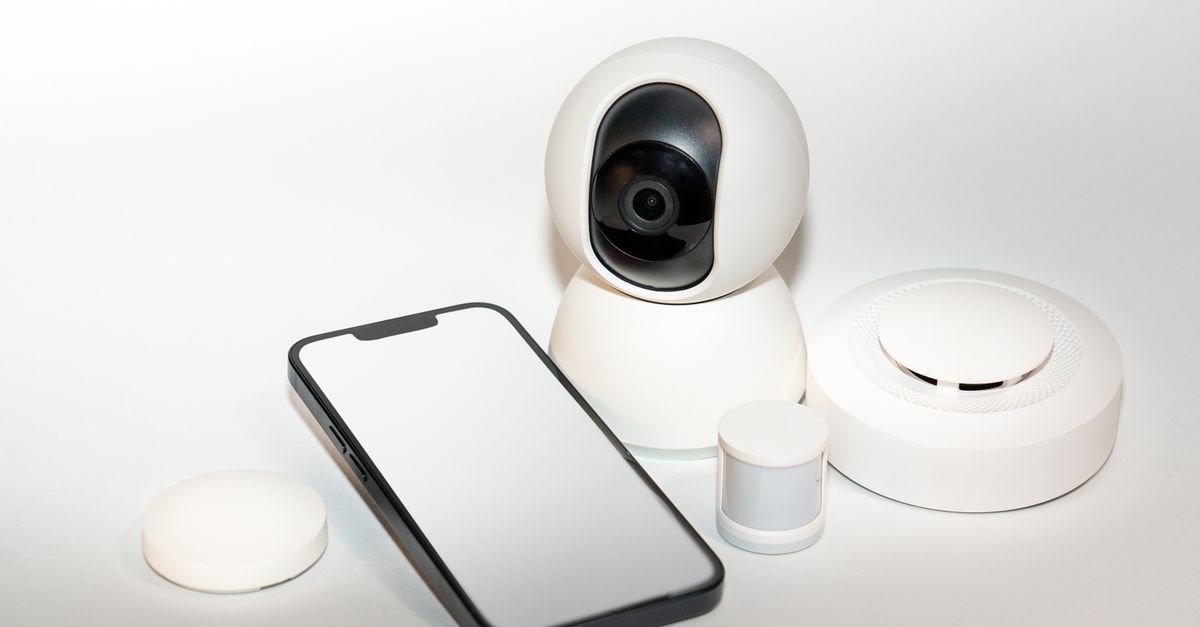
Smart home technology has gone from novelty to genuinely useful — the right devices save time, cut energy bills, and add real convenience and security to daily life. But the market is flooded with gadgets, and not all of them earn their place. This guide covers the best smart home devices to buy in 2026: the ones that actually deliver, what each does, and how to build a smart home that works for you without wasting money on hype.
Also Read

How to Choose Smart Home Devices Worth Buying
Before any purchase, apply a simple test: does this device solve a problem you have regularly, and will it keep working reliably? The best smart devices automate a repetitive task, give you useful control or information, and remain functional even when an app hiccups. Two more things matter: pick devices that work within a single ecosystem so you can control everything from one place, and favor reputable brands that release security updates. With that lens, here are the categories worth your money.
The Best Smart Home Devices to Buy
1. Smart Speaker or Display (Your Hub)
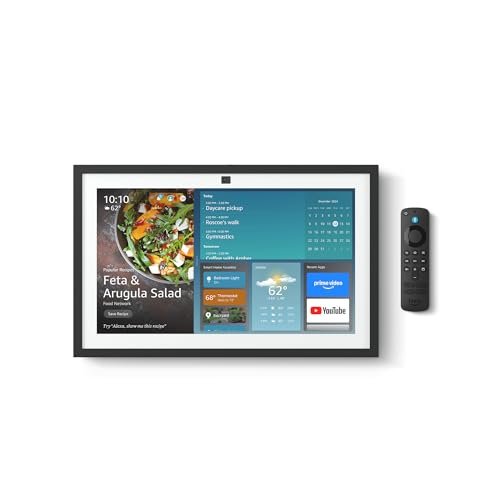
A smart speaker or display is the natural starting point and command center of a smart home. It lets you control other devices by voice, set timers and reminders, check the weather, play music, and answer questions. A version with a screen adds video calls, recipes, and a visual dashboard for your other devices. It’s inexpensive, useful on its own from day one, and becomes more powerful as you add to your system — making it the ideal first purchase.
2. Smart Thermostat (Biggest Money-Saver)
If you buy one device for the savings, make it a smart thermostat. It learns your routine and adjusts heating and cooling automatically — easing off when you’re out or asleep and warming the house before you wake. Because heating and cooling are the largest energy costs in most homes, a smart thermostat can meaningfully lower your bills, often paying for itself over time. It’s one of the few smart devices that genuinely funds the rest of your setup.
3. Smart Lighting
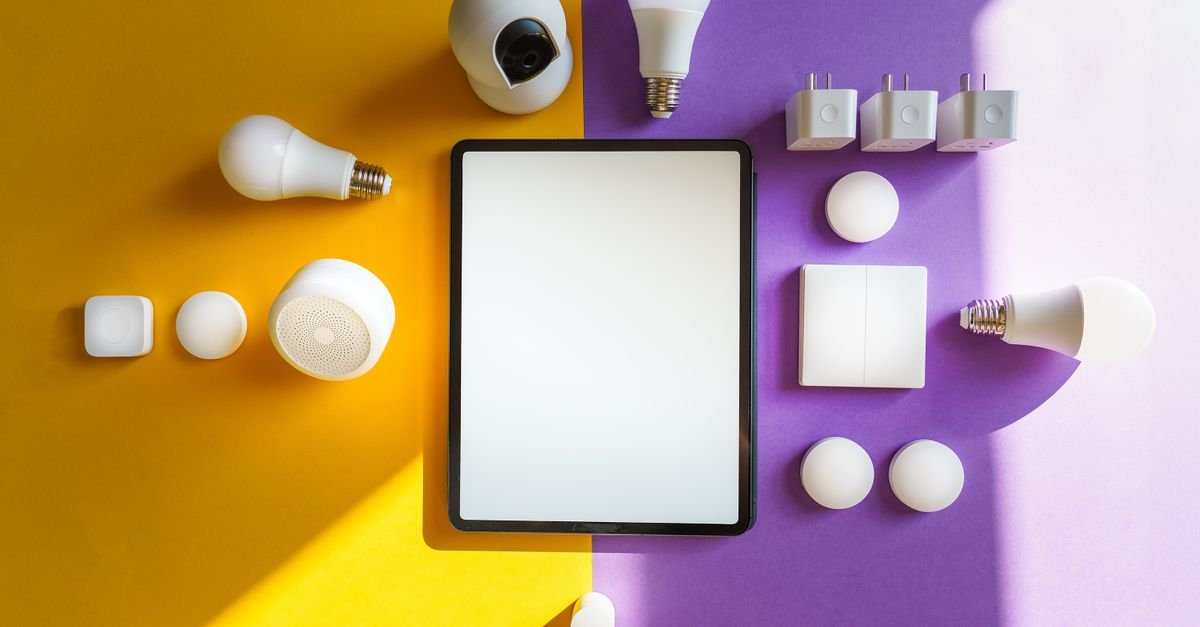
Smart bulbs and plugs are the highest-impact everyday upgrade. Schedule lights to turn on at sunset, switch off automatically when you leave, dim for movie night, or control them by voice. Smart plugs extend the same control to lamps, fans, and ordinary appliances for just a few dollars each. The convenience is felt daily, and the scheduling also trims wasted electricity.
4. Video Doorbell
A video doorbell is one of the most practically useful security devices. It lets you see and speak to whoever’s at the door from your phone — whether you’re home, at work, or away — and records activity so you never miss a delivery or visitor. For peace of mind and convenience, it’s consistently one of the most appreciated smart purchases.
5. Smart Security Cameras
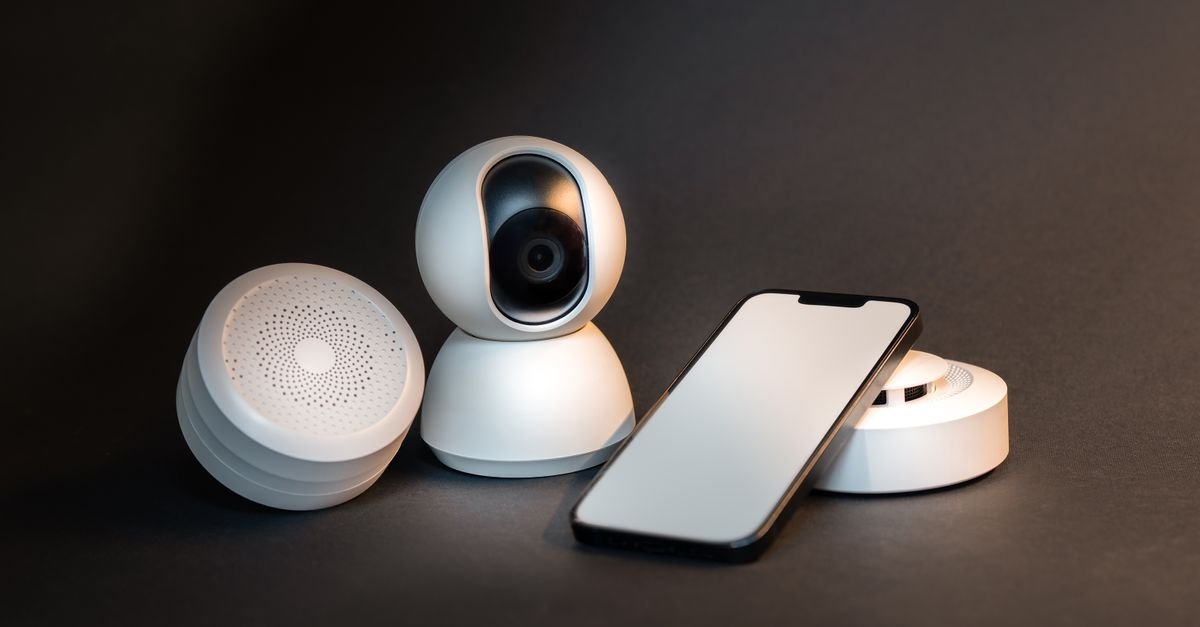
A couple of well-placed smart cameras let you monitor your home from anywhere, with motion alerts sent to your phone and footage saved for later. Look for clear video, reliable notifications, and secure storage. Cameras add genuine reassurance, especially when you travel, and pair naturally with a doorbell and smart lights.
6. Smart Lock
Smart locks bring keyless entry and the ability to lock or unlock your door remotely — handy for letting in family, guests, or a dog walker without handing out keys, and for confirming you actually locked up. Combined with a video doorbell, they form a convenient, secure entry system.
7. Robot Vacuum
A robot vacuum handles daily floor cleaning automatically, keeping floors tidier between deep cleans with almost no effort from you. Models with scheduling, app control, and self-emptying bases are the ones owners actually keep using long term. For a real, tangible time saving, it’s a standout device.
As an Amazon Associate, HomeNeeds24 earns from qualifying purchases.
Devices Worth Holding Off On
Not every smart gadget earns its price. Smart fridges with big screens, smart faucets, and single-purpose novelties (a Wi-Fi toaster, a connected egg tray) usually add cost and another app to manage without solving a real problem. A good rule: if a “dumb” version does the job nearly as well, buy that and spend the savings on devices that genuinely automate cooking, cleaning, climate, or security — the categories where smart features pay off.
Build It in the Right Order
You don’t need everything at once. Start with a smart speaker (your hub), then add smart lighting for daily convenience, then a smart thermostat for savings, then security basics like a doorbell and camera. Add a smart lock and robot vacuum as you go. Building in stages spreads the cost, lets you learn what you actually use, and keeps everything within one ecosystem you can control from a single app.
Keep Your Smart Home Secure
A connected home needs basic security hygiene. Use strong, unique passwords for your device accounts, enable two-factor authentication where offered, keep firmware updated, and consider putting smart devices on a separate network from your computers and phones. Stick to reputable brands that provide regular updates rather than the cheapest unknown option. A little care here protects both your privacy and your home.
Frequently Asked Questions
What is the best smart home device to start with?
A smart speaker or display — it’s affordable, useful on its own, and becomes the hub for everything else. Smart lighting is the best next step for everyday convenience.
Which smart device saves the most money?
A smart thermostat, because heating and cooling are the largest energy costs in most homes. By matching temperature to your routine, it can noticeably lower bills over time.
Do smart home devices work without internet?
The good ones still perform their core function offline; only internet-dependent features (like remote control or voice queries) stop. Always check that a device works locally before relying on it.
Are smart home devices secure?
They can be, with care — use strong unique passwords, enable two-factor authentication, keep firmware updated, and choose reputable brands that release regular security updates.
Key Takeaways
- Start with a smart speaker (hub), then add lighting, a thermostat, and security basics.
- A smart thermostat saves the most money; smart lighting adds the most daily convenience.
- Video doorbells, cameras, smart locks, and robot vacuums deliver real, practical value.
- Skip novelty gadgets where a simple version works just as well.
- Stay in one ecosystem, build in stages, and secure everything with strong passwords and updates.
The best smart home isn’t the one with the most gadgets — it’s the one built from devices that genuinely save time, money, and effort. Start with the essentials, expand in stages, and keep it secure. For more guidance, explore our home technology guides and the full Smart Home & Tech collection.

I'm Nasir Uddin Khan, founder of HomeNeeds24 and a senior IT consultant with 18+ years' experience in Oracle database administration, enterprise infrastructure and ERP system design. I write the buying guides here and I build every calculator on the site myself, from published engineering standards rather than opinion. My research is structured rather than lab-based: manufacturer specifications, safety and efficiency standards, and the trade-offs that repeat across large volumes of verified customer reviews. Where I have direct hands-on experience — smart home, networking, energy and anything computer-adjacent — I say so in the guide.